
Cabo de Palos & Islas Hormigas · Spain · Reef · Sand slope
Bajo el Descargador
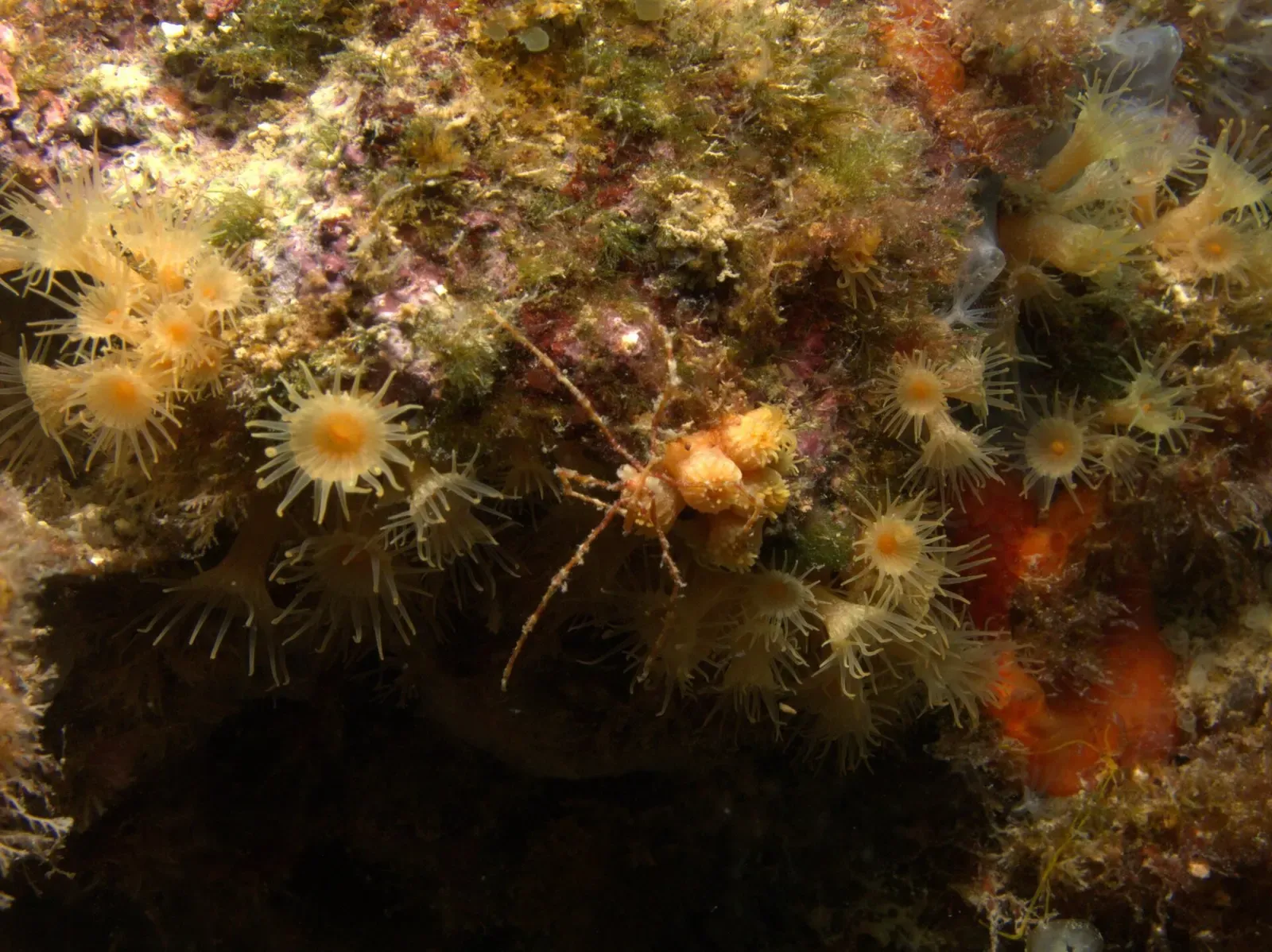
Gorgonians on the vertical north wall of a submerged island
Area photo: Marta T López · CC BY-SA 4.0
A submerged island of rock standing out of a sandy bottom, with about 15 m under the boat at its deepest and shelter from both the levante and the leveche. A gorgonian or two grow on the vertical north wall, eagle rays and stingrays cross the sand, and a slow look turns up seahorses, which is why underwater photographers rate it.
Where it is and how deep
37.6190° N, 0.7077° WPublished position for this site.
The dive
El Descargador is a submerged island: a rise of rock standing out of a sandy bottom, with about 15 m under the boat at its deepest. It is an easy dive by the standards of this coast — suitable for any level, with little current — and it is sheltered from the east wind and from the leveche out of the southwest, so it holds up on days that shut the exposed ground down.
The north face is the one to spend time on. It stands vertical, and the occasional gorgonian grows on the wall, which is also the angle that shows the rock best as it lifts off the bare bottom. Away from the wall the rock breaks down into the surrounding sand, and that boundary is where the rays cross: eagle rays and stingrays both work the sandy ground around the island.
The rest of the dive rewards patience rather than distance. Red mullet, pearly razorfish and bream feed over the sand, and a careful look into the rock and the growth on it turns up seahorses, elusive enough that finding one is the point of going slowly. Combined with the shallow maximum depth and long bottom times, it is the reason underwater photographers rate this rock highly.
Marine life and season
- Eagle rays
- Stingrays
- Macro critters
| Jan | Feb | Mar | Apr | May | Jun | Jul | Aug | Sep | Oct | Nov | Dec |
|---|---|---|---|---|---|---|---|---|---|---|---|
| Fair | Fair | Fair | Good | Good | Prime | Prime | Prime | Prime | Prime | Good | Fair |
Season follows Cabo de Palos & Islas Hormigas: Jun–Oct has the warmest water and the calmest crossings; winter is clearest but cold, and easterly winds close the seamounts year-round.
Sources
- Bajo el Descargador — Scubago (SSI MyDiveGuide)
- Cabo de Palos — Club Buceo Toledo
- Where do we dive? — Centro de Buceo Islas Hormigas
More dive sites in Cabo de Palos & Islas Hormigas
A rock needle to 3 m, with a conger cave at 22 m on its east side
Seamount
A submerged mountain from 55 m to 3 m, four hulls on its flanks
Reef
Blocks, caves and furrows in the south face that took ships' anchors
Pinnacle
A rock spine with a crest at 12 m and groupers along its length
Pinnacle
A steep gorge to 25 m holding the remains of an old anchorage
Steps from the lighthouse car park into the cape's main shore dive
Reef
Shallow cove diving at the foot of the Cabo de Palos lighthouse
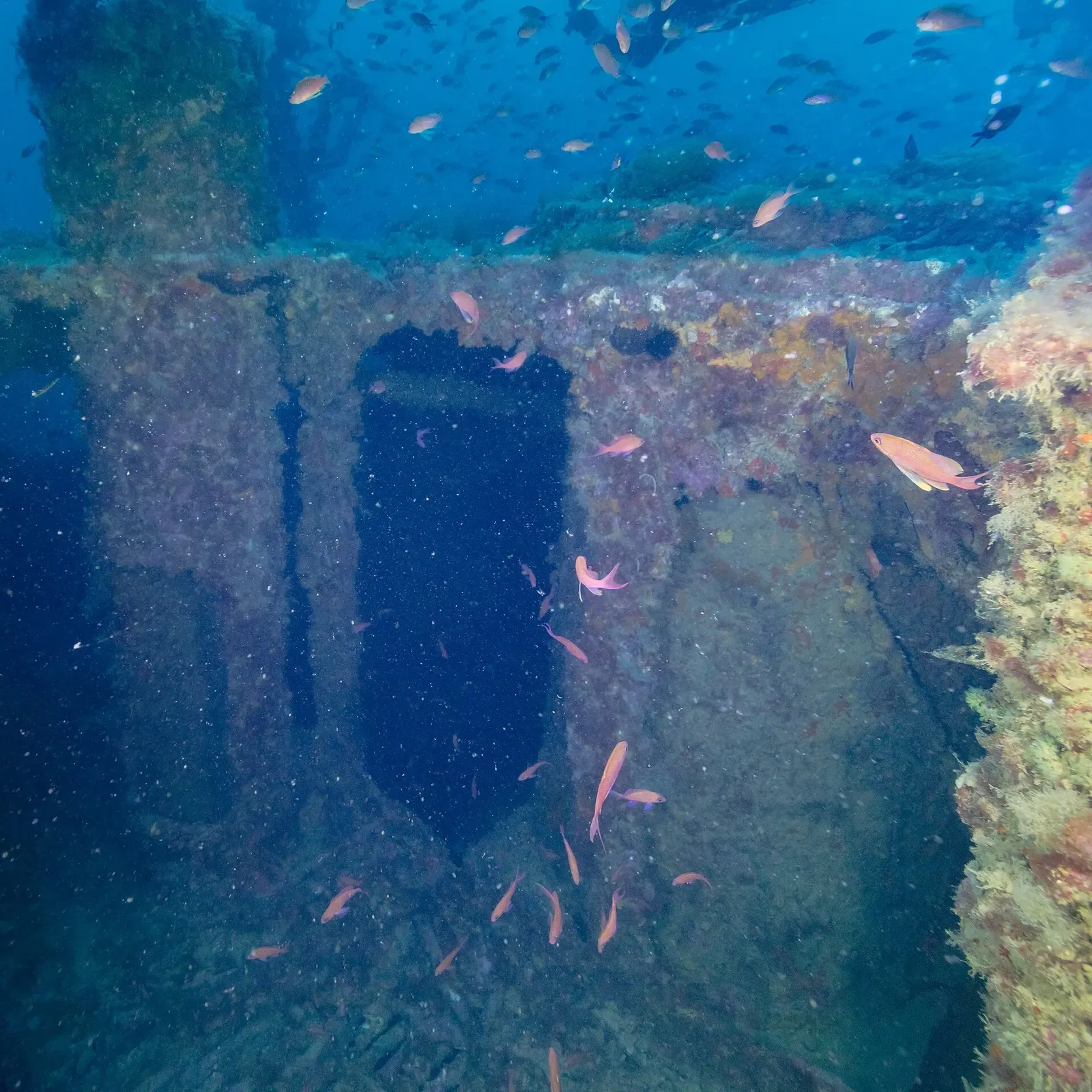
Intact 1946 orange freighter, forecastle at 28 m, stern at 45
Similar dives elsewhere
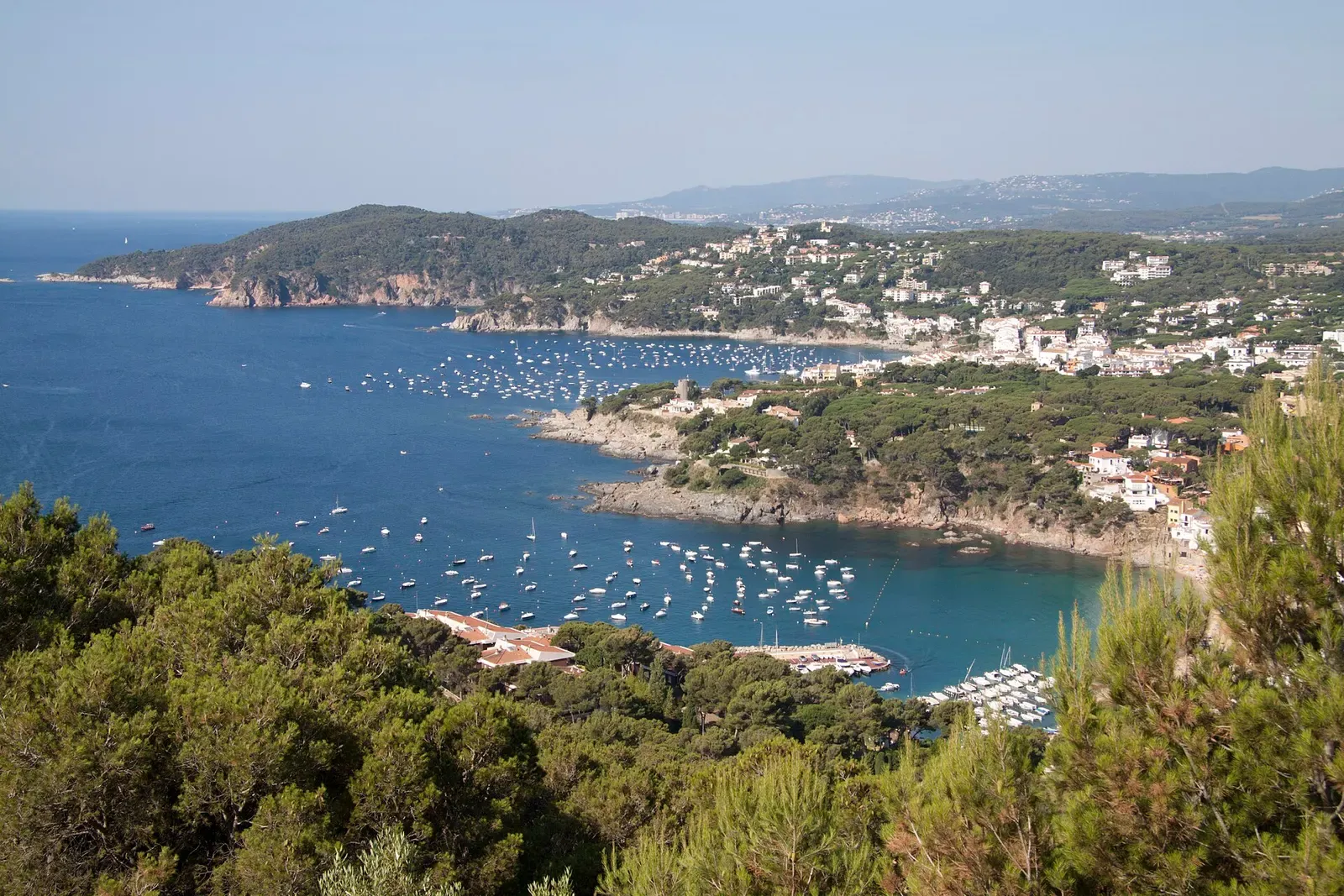
Large congers on a rock seven minutes from Tamariu
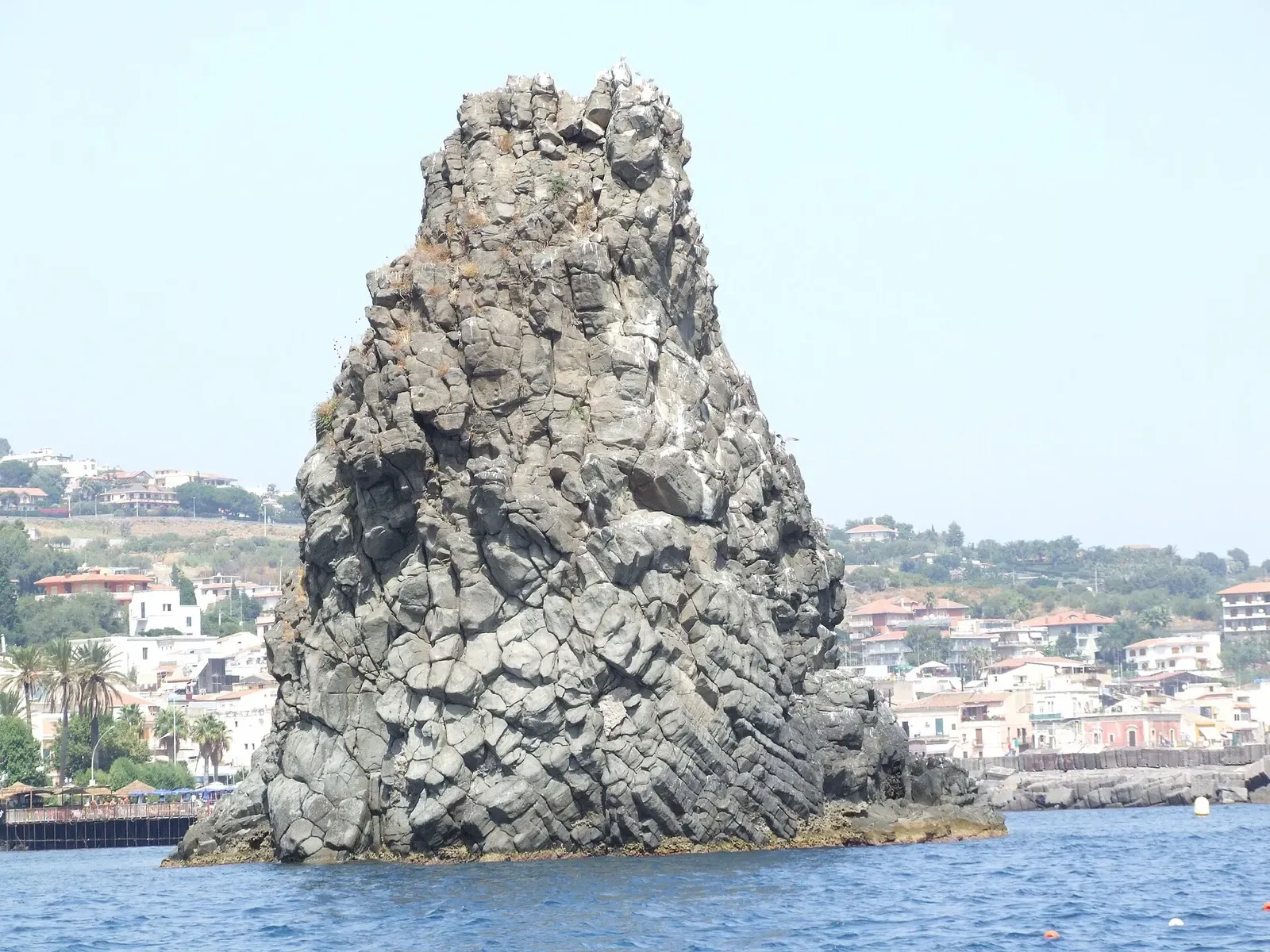
Eight ancient anchors on a fixed line, 1st century BC to admiralty types

A giant anchor and its chain links lying at 21 m
Sand, coralligenous and rock between 12 and 30 m