
Cabo de Palos & Islas Hormigas · Spain · Reef · Sand slope
Cala de la Escalerica
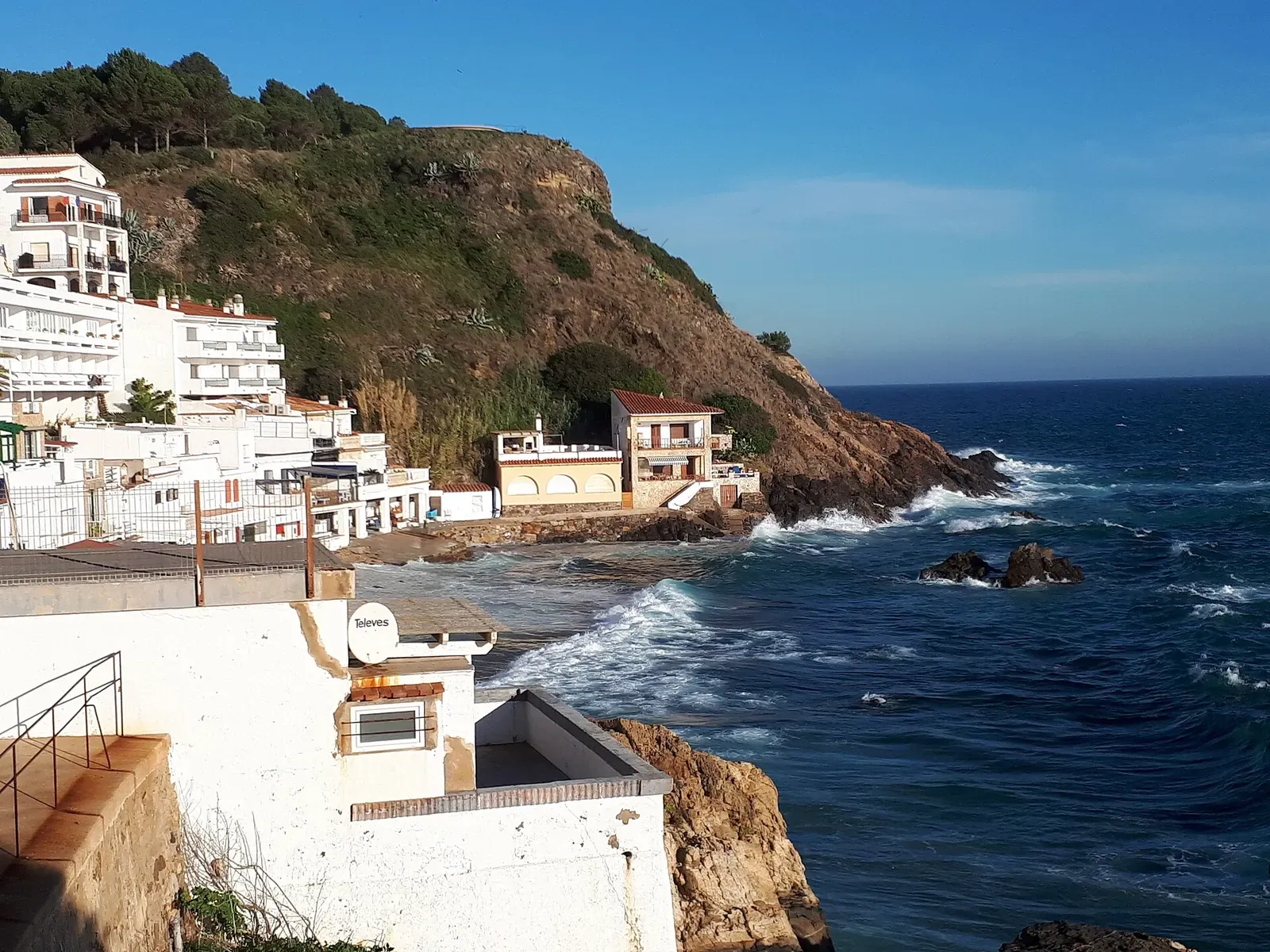
Steps from the lighthouse car park into the cape's main shore dive
Area photo: Marta T López · CC BY-SA 4.0
The main shore-diving cove at Cabo de Palos, reached by steps down from the lighthouse car park. A rocky seabed runs out to a maximum of about 18 m, with clear water and an entry easy enough that the site is used across every certification level, from first sea dives upward.
Also known as Cala Roja, Cala Escalera.
Where it is and how deep
37.6316° N, 0.6901° WPublished position for this site.
The dive
Also known as Cala Roja, the Escalerica is the cove local clubs default to when the boats are not running. You park by the lighthouse and walk down the steps that give the site its name, kit up on the cove and swim out, which makes it the rare Cabo de Palos dive that does not depend on a harbour departure or a weather window for the crossing.
The seabed is rock, and it deepens as you leave the cove: one operator gives the maximum as 18 m, another as 20 m, so plan on the shallower figure and treat anything past it as the outer edge of the site. Clear water is the cove's other selling point, and operators call the site versatile for all levels, recommended for exactly that combination of easy access and visibility.
The ground is broken rather than plain — arches, rock and backlit gaps — and centres run up to two different routes here depending on the level of the group. Octopus and moray eels sit in the crevices, schools of salema cross the open water and dark chromis shoal over the rock, so a slow lap of the near ground gives as much as pushing out to the deeper edge, and the walk-in entry means an unhurried exit at the end.
Marine life and season
- Octopus & cuttlefish
- Nudibranchs
| Jan | Feb | Mar | Apr | May | Jun | Jul | Aug | Sep | Oct | Nov | Dec |
|---|---|---|---|---|---|---|---|---|---|---|---|
| Fair | Fair | Fair | Good | Good | Prime | Prime | Prime | Prime | Prime | Good | Fair |
Season follows Cabo de Palos & Islas Hormigas: Jun–Oct has the warmest water and the calmest crossings; winter is clearest but cold, and easterly winds close the seamounts year-round.
Questions divers ask
How do you get to Cala de la Escalerica?+
On foot. Park at the Cabo de Palos lighthouse and take the steps down to the cove; boats also run here, but the site can be dived straight from shore, which is unusual for this area.
Is Cala de la Escalerica good for beginners?+
Yes. Operators describe it as versatile for all levels, recommended for its easy access and clear water, and the maximum depth is around 18 m with plenty of shallower ground to stay on.
Sources
- Cala de la Escalerica — Scubago (SSI MyDiveGuide)
- Cabo de Palos — Club Buceo Toledo
- Where do we dive? — Centro de Buceo Islas Hormigas
More dive sites in Cabo de Palos & Islas Hormigas
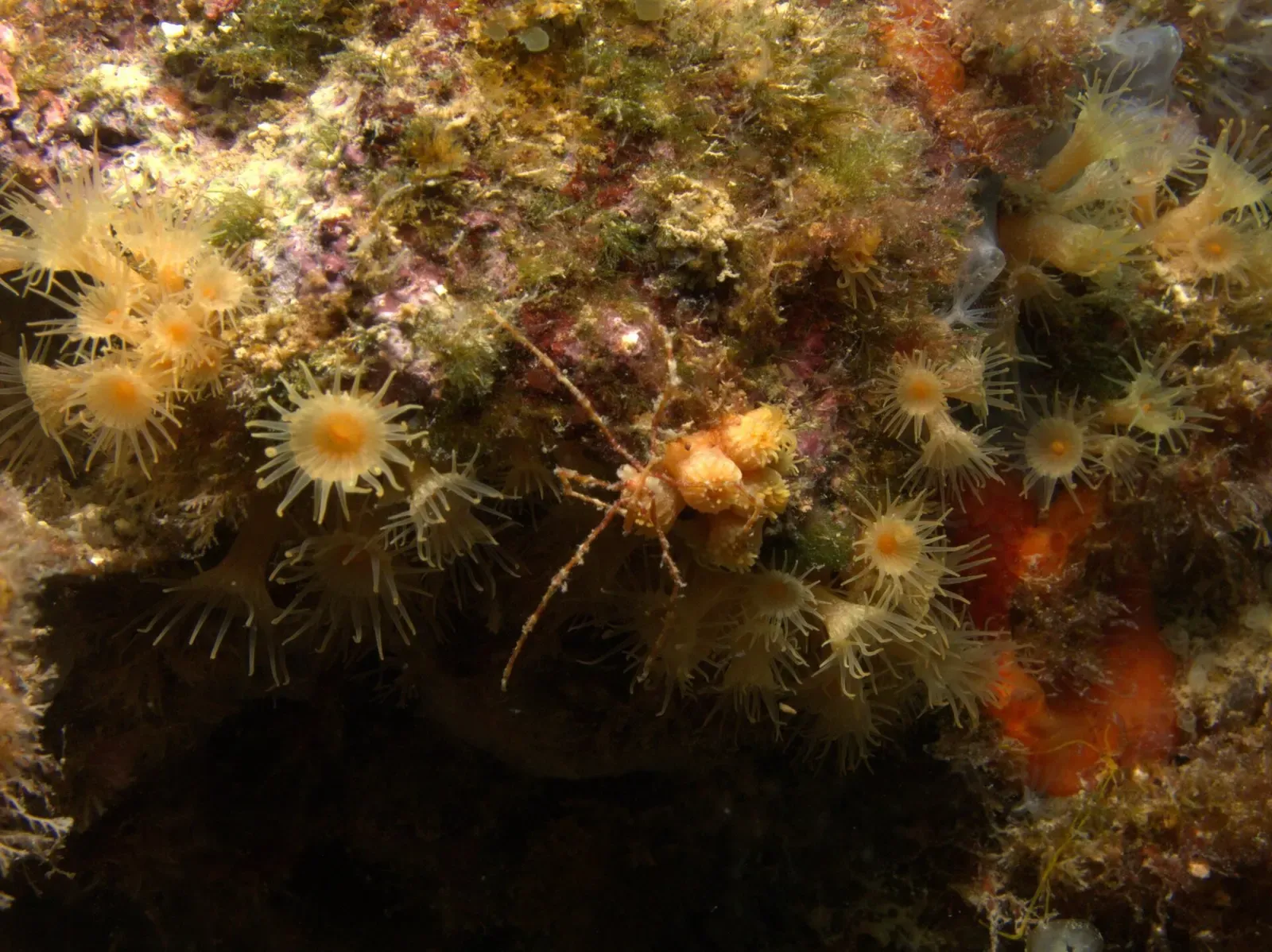
A rock needle to 3 m, with a conger cave at 22 m on its east side
Seamount
A submerged mountain from 55 m to 3 m, four hulls on its flanks
Reef
Blocks, caves and furrows in the south face that took ships' anchors
Pinnacle
A rock spine with a crest at 12 m and groupers along its length
Gorgonians on the vertical north wall of a submerged island
Pinnacle
A steep gorge to 25 m holding the remains of an old anchorage
Reef
Shallow cove diving at the foot of the Cabo de Palos lighthouse
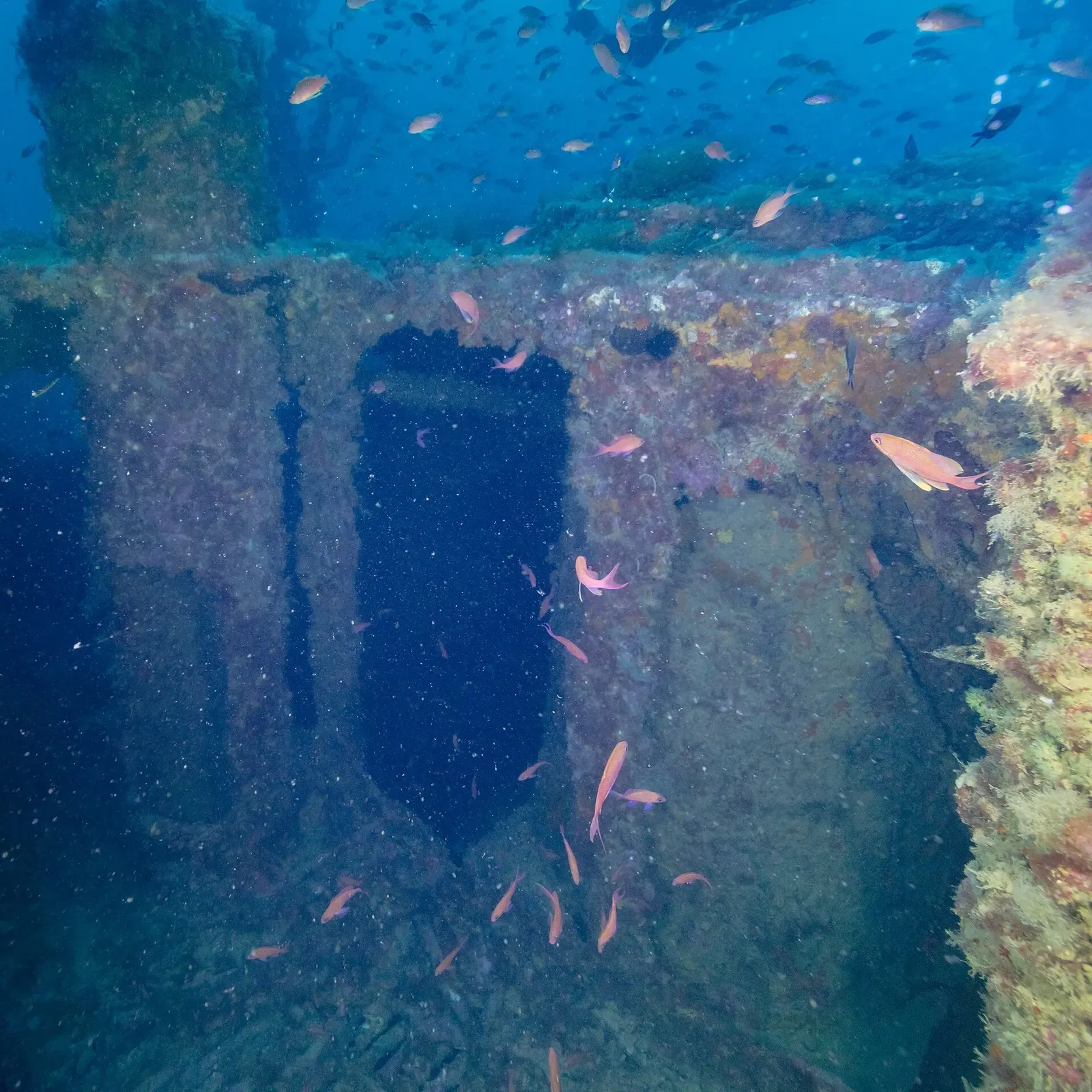
Intact 1946 orange freighter, forecastle at 28 m, stern at 45
Similar dives elsewhere
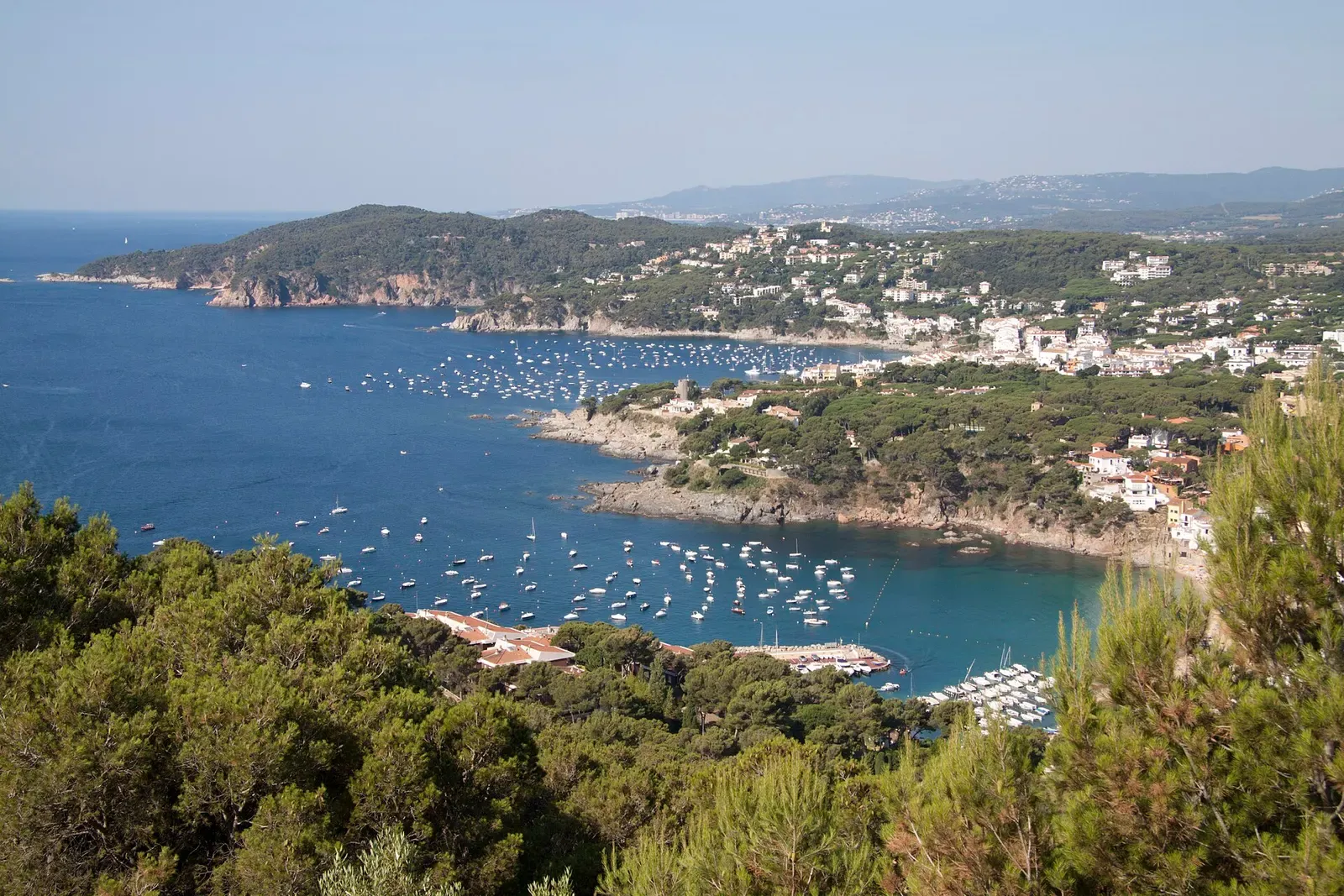
Large congers on a rock seven minutes from Tamariu
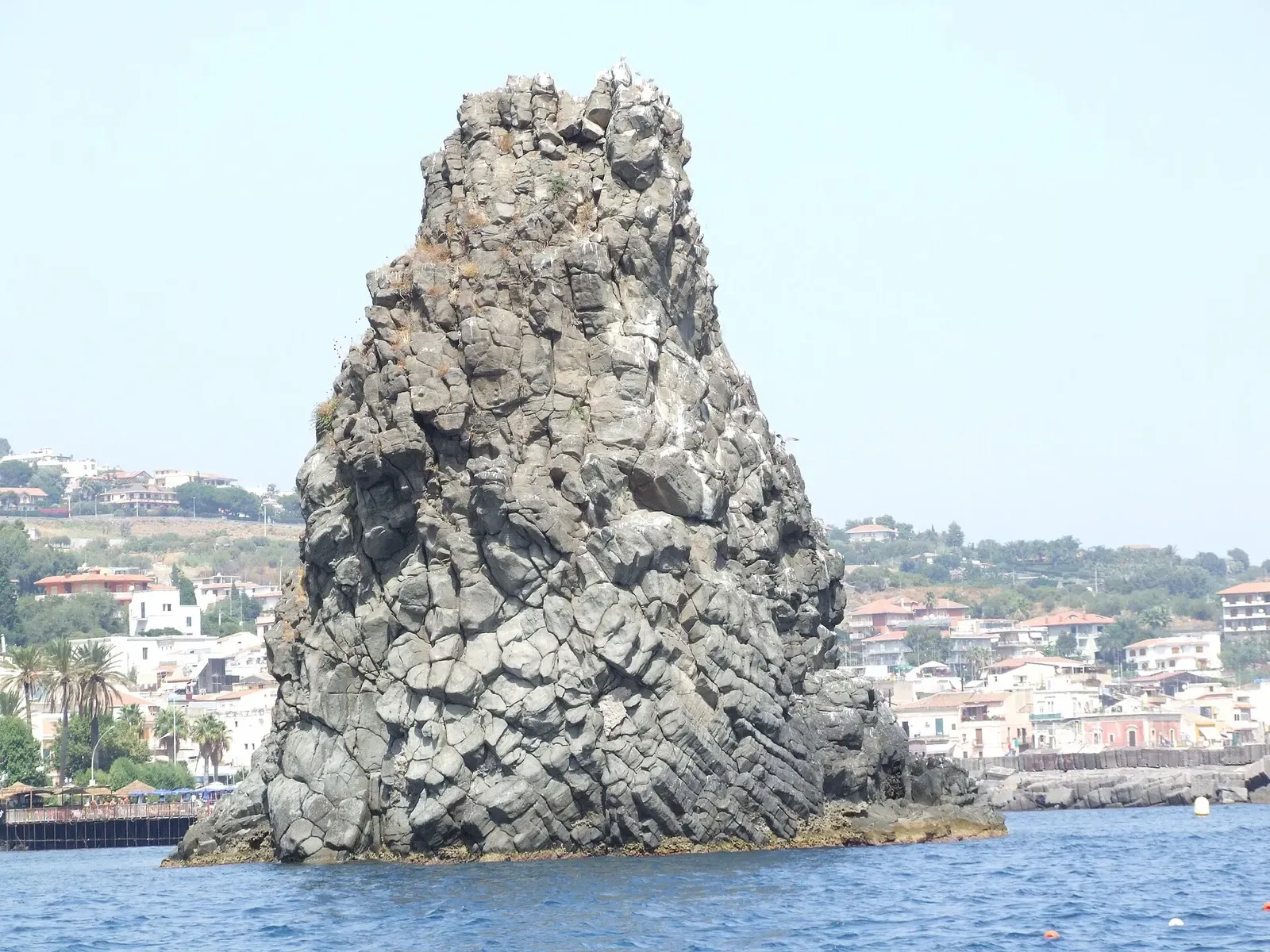
Eight ancient anchors on a fixed line, 1st century BC to admiralty types

A giant anchor and its chain links lying at 21 m
A pool ladder into a cove of nudibranchs and shrimp