Mediterranean · France
Cap d'Agde
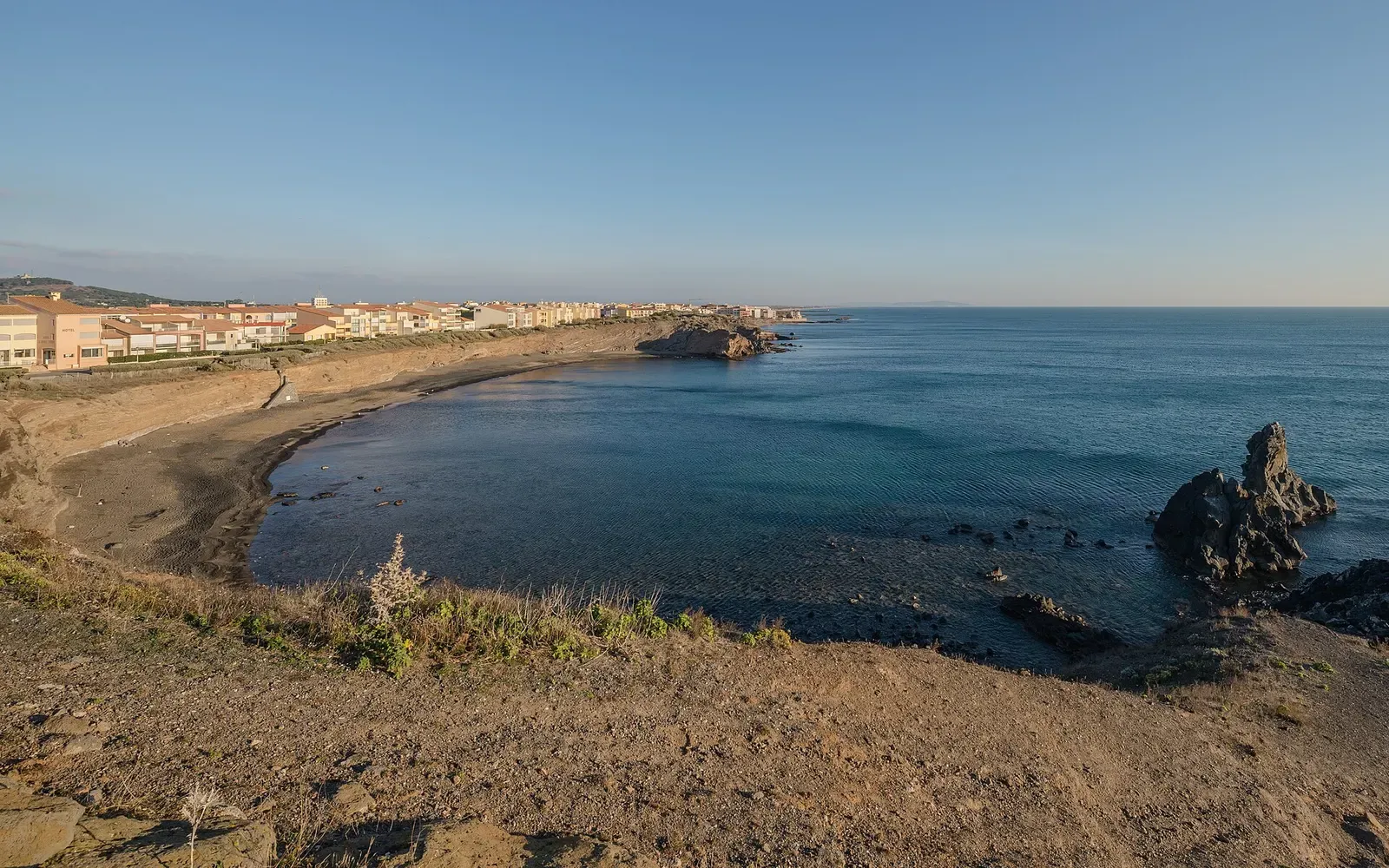
Lobster-packed coralligenous reefs at 20–24 m off the Île de Brescou
Photo: Christian Ferrer · CC BY-SA 3.0
Cap d'Agde is a resort headland on the Occitanie coast at the foot of an extinct volcano, and its diving works the volcanic rock around the small Île de Brescou, half a nautical mile off the marina entrance. Les Tables is a plateau of slabs and faults in 3–11 m; the coralligenous reefs of Les 3 Pics, Les Merveilleuses and La Muraillette stand on sand at 20–24 m and are thick with spiny lobsters. The Récif'Lab artificial reef was sunk in 2022 to take diver pressure off the natural rock, and the Obéron, lost in a storm in 1913, lies on 12 m of sand off Marseillan.
About diving in Cap d'Agde
All of it is boat diving and the runs are short: the Île de Brescou lies about half a nautical mile off the entrance to Port Richelieu, and the rest of the ground sits within a few kilometres of it, so a morning is two dives and back for lunch. Abyss Plongée, on the Impasse du Globe, runs boats at 09:00 and 13:30 from March to December and up to four departures a day in July and August. It is not the only door: Nautilus and Eureka are registered on the marina's Île des Loisirs, Belouga and Galathée in Agde itself, alongside a children's diving club and an underwater archaeology association. There is no shore diving to speak of, and a Mistral or Tramontane can take the day.
The bottom is volcanic rock on sand. Les Tables is a plateau of slabs cut with faults between 3 and 11 m, with shoals of sar and salema over it, octopus through the rock, and white gorgonians, sponges and nudibranchs. Deeper, coralligenous rock stands on sand at 20–24 m: the nine reefs of Les 3 Pics east of the Brescou rock, the blocks of Le Langoustier with faults and overhangs between them, the horseshoe of La Muraillette, and the run of rock at Les Merveilleuses, linked by guide lines that keep the navigation simple. Spiny lobsters are the headline, with big conger eels in the cracks. Visibility is modest, mostly single figures in the dive logs, and swings with the wind.
The coast from the mouth of the Hérault to Port Ambonne, out to the three-mile line, is the Natura 2000 site Posidonies du Cap d'Agde (FR9101414), designated in 2002 for its seagrass, reef and cave habitats and run by the commune of Agde as a marine protected area since 2013. It is a habitat designation, not a closure: the management plan works through a voluntary charter that the local operators sign, and its answer to diver pressure at Les Tables and the Brescou rock was to build somewhere else to dive, which is what the marine protected area sank Récif'Lab in 2022 to be. The one local ban found covers summer spearfishing and line fishing off the cliffs and does not touch scuba.
Beginners have Les Tables at 3–11 m and the Obéron on its sand bottom, and the coralligenous reefs are ordinary 20–24 m diving with some current on them. What the area does not have is scale or clear water: the deep ground is two sites, the 35–40 m Gorgone City and the 49–54 m Meteor, both qualification-gated, and everything else lies within a few kilometres of one small island. Divers who want big walls, big animals and better visibility should look east to Marseille's calanques or the Port-Cros islands; divers who want a short boat ride, lobsters and an easy pace will find it here.
When to dive Cap d'Agde
| Jan | Feb | Mar | Apr | May | Jun | Jul | Aug | Sep | Oct | Nov | Dec |
|---|---|---|---|---|---|---|---|---|---|---|---|
| Off-season | Off-season | Fair | Fair | Good | Good | Prime | Prime | Prime | Good | Fair | Fair |
Abyss Plongée opens March to December; the sea averages 12 °C in February and 22 °C in August, and the Tramontane or Mistral can stop the boats in any month.
Dive types & marine life
Spiny lobsters are the reliable draw on the coralligenous reefs, dense enough on La Muraillette's end blocks for the site catalogue to count fifty or more on a dive, with big congers alongside them. Octopus are everywhere in the slabs at Les Tables, over shoals of sar and salema and among white gorgonians, sponges and nudibranchs. Sea bass, bream and moray eels hold around the Île de Brescou.
- Reef
- Wreck
- Macro critters
- Octopus & cuttlefish
- Nudibranchs
- Reef fish swarms
Notable dive sites in Cap d'Agde
Wreck
A 25 m cod boat lost in a storm in 1913, on 12 m of sand
Reef
White gorgonian at 35–40 m, dived on technical setups
Reef
A sheltered 7 m dive beside the Deux Frères rocks
Reef
Two 2 m blocks where a dive can count fifty spiny lobsters
Reef
Coralligenous rocks at 18–19 m west of the Brescou rock
Reef
Faults and overhangs in two coralligenous blocks at 21 m
Reef
Nine coralligenous reefs at 20–24 m, linked by guide wires
A run of coralligenous rock on a 21 m bottom
Reef
Black volcanic rock in 3–11 m, with octopus through the holes
Artificial reef
A 6 m structure on a 21 m bottom, sunk in 2022
Épave du Meteor
Large sailing ship at 49–54 m offshore, kept for divers holding Niveau 3 or PE60.
Getting there
Béziers-Cap d'Agde airport is about 30 km away. Boats leave from the Cap d'Agde marina at Port Richelieu, where Abyss Plongée is based on the Impasse du Globe; other centres and clubs sit on the marina's Île des Loisirs and in Agde. Every site is a boat dive around the Île de Brescou, none more than a few kilometres out.
Photos from Cap d'Agde
Christian Ferrer · CC BY-SA 3.0
Christian Ferrer · CC BY-SA 4.0
Photo credits
- Dark volcanic cliffs curve around the calm blue water of a small cove at Cap d'Agde by Christian Ferrer, CC BY-SA 3.0, via Wikimedia Commons
- Dark rock outcrops break the surface of clear water in the Grande Conque cove by Christian Ferrer, CC BY-SA 3.0, via Wikimedia Commons
- The Cap d'Agde headland and coastline seen from the extinct volcano of Mont Saint-Loup by Christian Ferrer, CC BY-SA 4.0, via Wikimedia Commons
Similar destinations
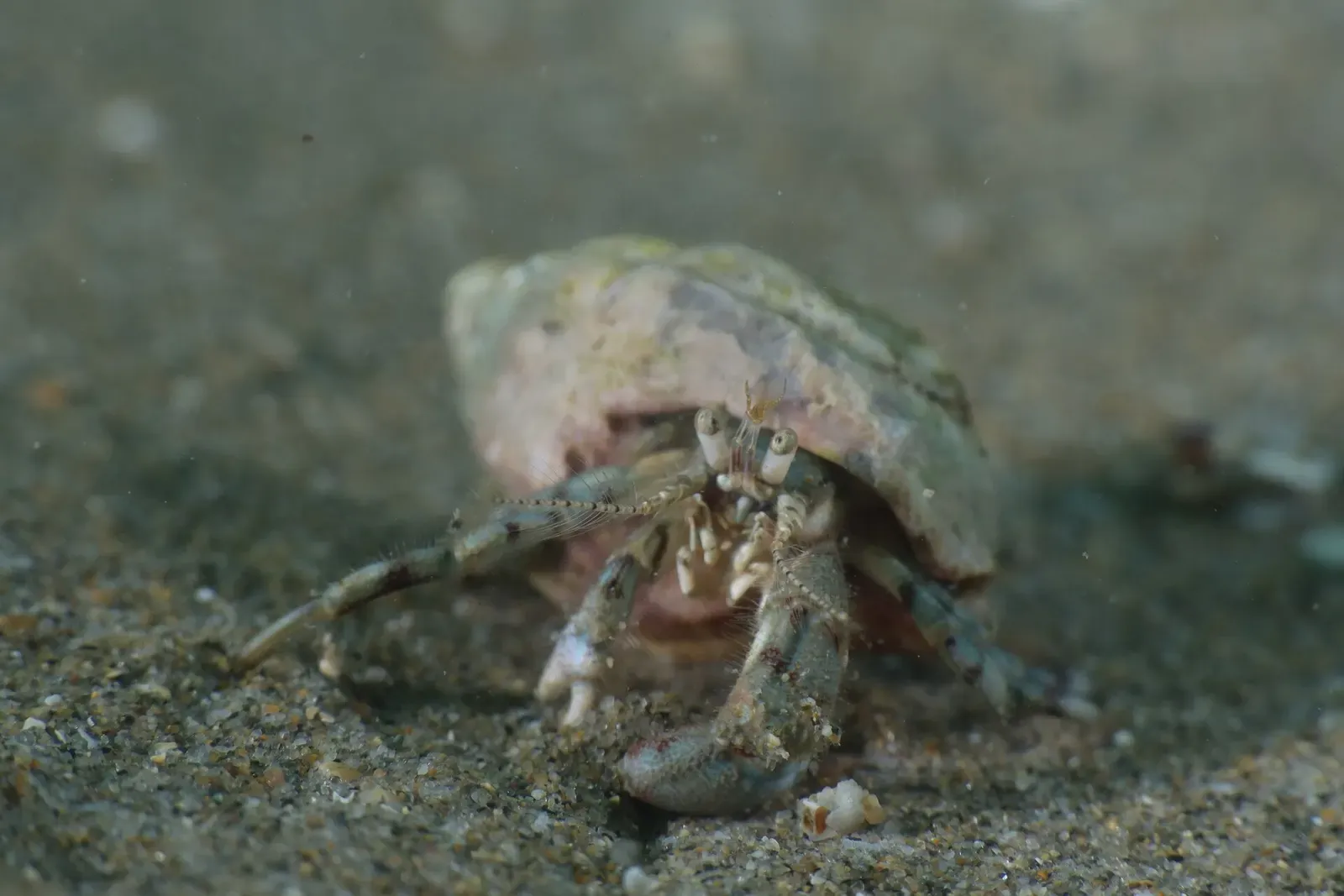
A no-fishing reserve rock and small wrecks 15 minutes off Montpellier
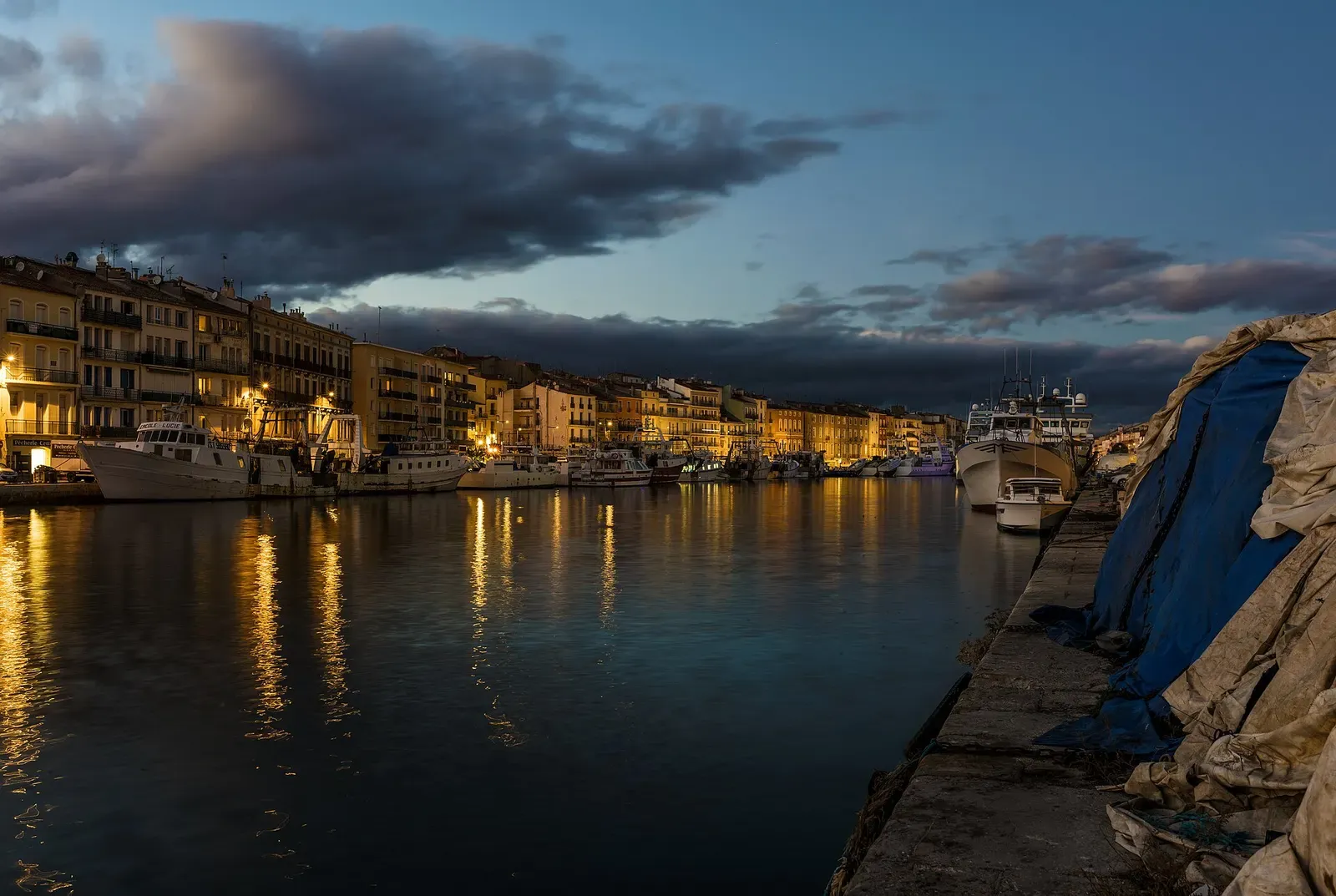
A 1905 trader at 18 m and a 32 m lagoon resurgence
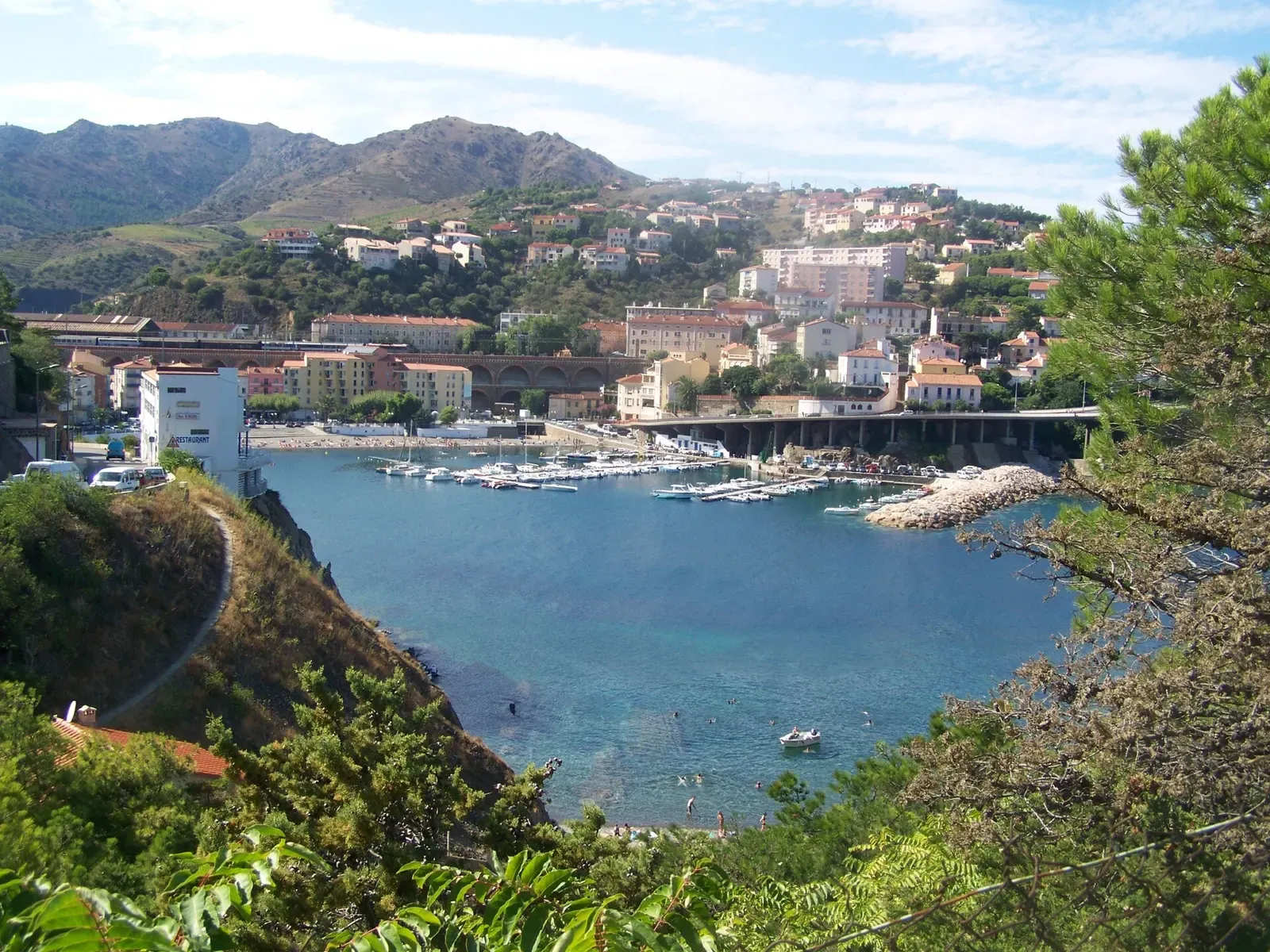
Reserve reef diving at Cerbère-Banyuls, France's first marine reserve


Reserve walls at Bergeggi island and cert-gated gorgonian secche offshore