NSW Central Coast · Australia · Channel & pass · Artificial reef · Drift · Night
Swansea Bridge
Bridge pylons and an 18 m artificial reef, dived at slack or as a tidal drift
Photo: JaredMcKenzie · CC0
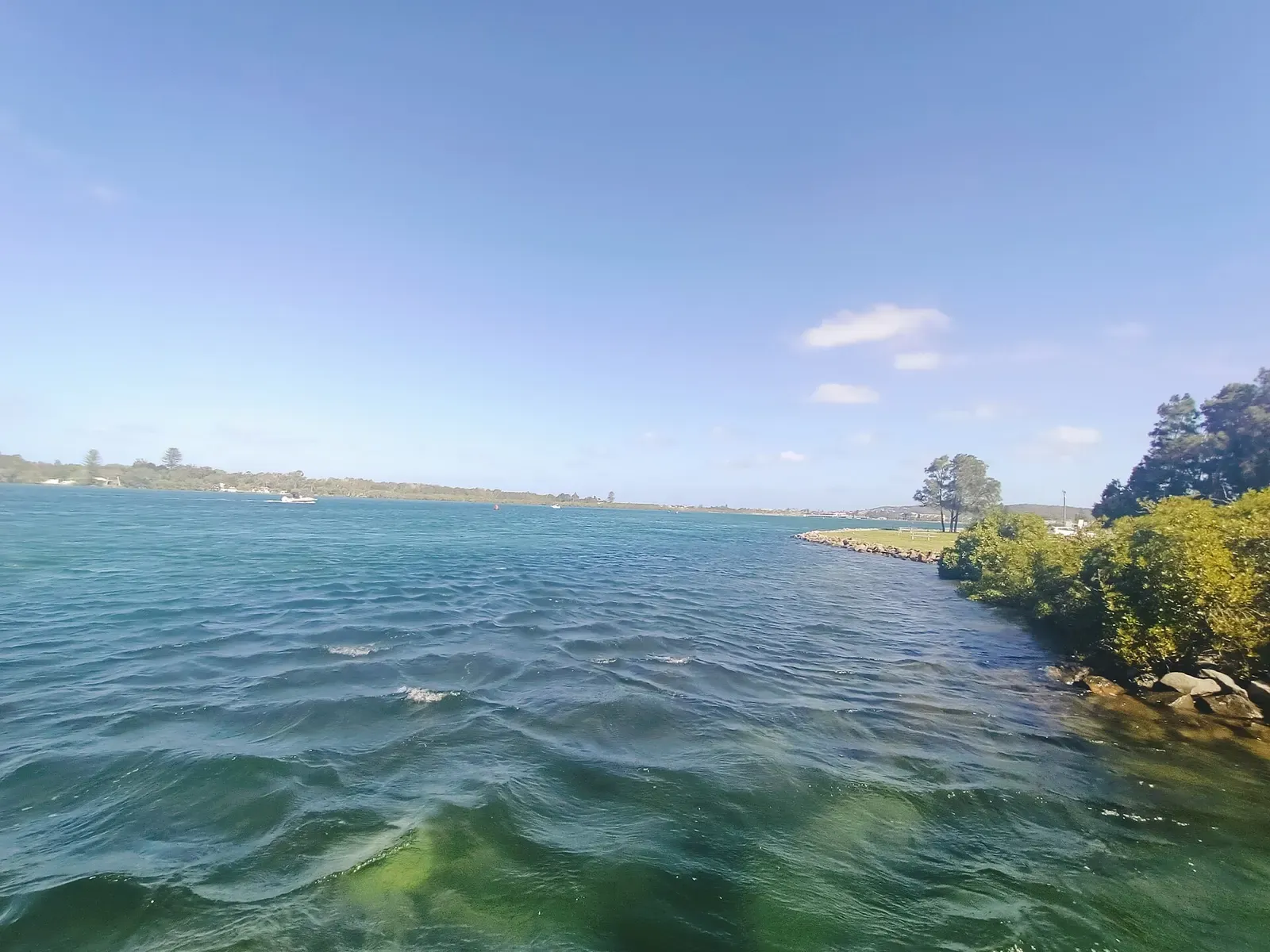
The tidal channel that joins Lake Macquarie to the sea, dived under the spans of Swansea Bridge. Each span carries its own colony of life, from decorator crabs and pineapple fish to seahorses and moray eels, and an artificial reef sits at 18 m. It is a shore dive timed to slack water, or run as a drift under the bridge on the incoming tide.
Also known as Swansea Channel.
Where it is and how deep
33.0859° S, 151.6407° EPublished position for this site.
The dive
There are several ways in: the fishing pontoon, the weigh station, the boat ramp, a concrete ledge or Blackneds Bay, with exits at Blackneds Bay, the ledge or the ramp. On the standard slack-water dive you enter and drop to around 6 to 8 m, where the first thing you find is the return marker, a heap of scuttled shopping trolleys and pushbikes. From there you work the bridge structure span by span, or head out to the artificial reef at 18 m.
Each span holds its own colony. Decorator crabs, pineapple fish, large blue eels and fan-bellied leatherjackets live on the pylons, with nudibranchs in more colours than you will manage to count, and the channel also turns up moray eels, seahorses, stripey fish, yellowtail and catfish eels. On the bottom look for bull rays, stingrays and numb rays. Night diving here is a good experience when the current is slack, and the same marker heap guides you back to the exit.
For the more adventurous there is a drift on the incoming tide, which Central Coast Divers calls a great bonus. Enter near the RSL club and let the flood carry you under the spans and all the way in to the western boat ramp, watching the pylons and their colonies pass rather than swimming between them. It is a one-way dive, so the exit at the western ramp is fixed before you get in, and the same tide that carries you is the reason the pylon dive and the night dive are kept for slack water.
Marine life and season
- Nudibranchs
- Stingrays
- Macro critters
| Jan | Feb | Mar | Apr | May | Jun | Jul | Aug | Sep | Oct | Nov | Dec |
|---|---|---|---|---|---|---|---|---|---|---|---|
| Good | Good | Good | Good | Prime | Prime | Prime | Prime | Fair | Fair | Good | Good |
Season follows NSW Central Coast: Logged visibility peaks May–Aug at 15 m or more, when the water is coldest at 16–17°C; spring is murkiest, with 5 m or less logged in October.
Know before you go
- This is a tidal channel: dive the pylons at slack water, and only run the drift on the incoming tide with the western boat ramp agreed as the exit before you get in.
Photos from Swansea Bridge
JaredMcKenzie · CC0
Questions divers ask
How deep is the Swansea Bridge dive?+
You drop to around 6 to 8 m at the return marker of scuttled trolleys and bikes near the entry, and the artificial reef out from the bridge lies at 18 m.
When should you dive Swansea Bridge?+
At slack water for the bridge pylons and for night dives; the current in the channel is what sets the timing. On the incoming tide the site can be run as a drift under the spans from near the RSL club to the western boat ramp.
What marine life is at Swansea Bridge?+
Decorator crabs, pineapple fish, large blue eels, fan-bellied leatherjackets and nudibranchs on the spans; moray eels, seahorses, stripey fish, yellowtail and catfish eels in the channel; bull rays, stingrays and numb rays on the bottom.
Sources
- Swansea Bridge — Scubago
- Local Shore Dives — Central Coast Divers
Photo credits
- Swansea Channel's tidal water viewed from a boat, the passage between Lake Macquarie and the sea by JaredMcKenzie, CC0, via Wikimedia Commons
- Grassy shoreline overlooking the Swansea Channel with a small boat on the water by JaredMcKenzie, CC0, via Wikimedia Commons
More dive sites in NSW Central Coast
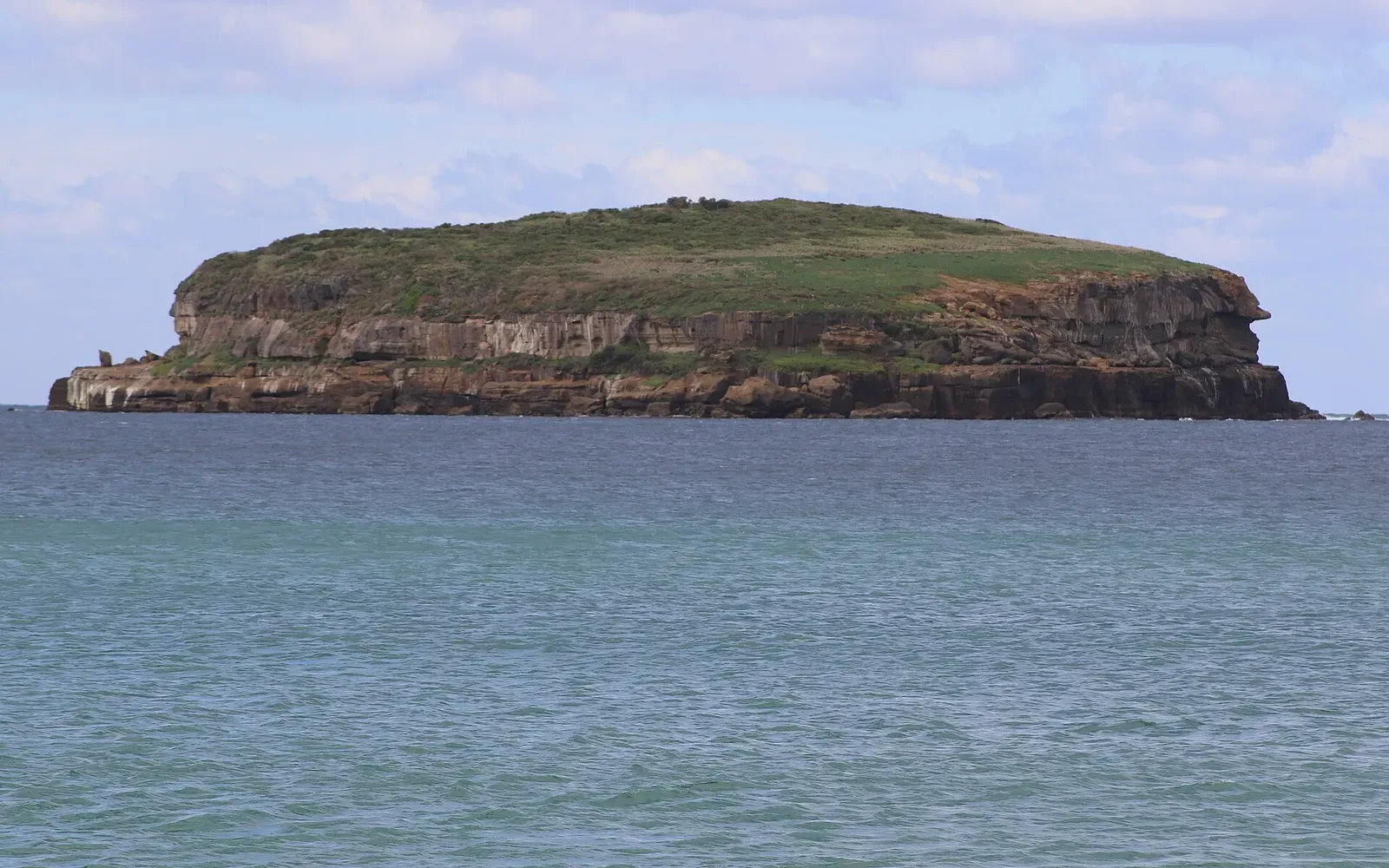
Nature-reserve island with wobbegongs in the rocks and stingrays on the sand
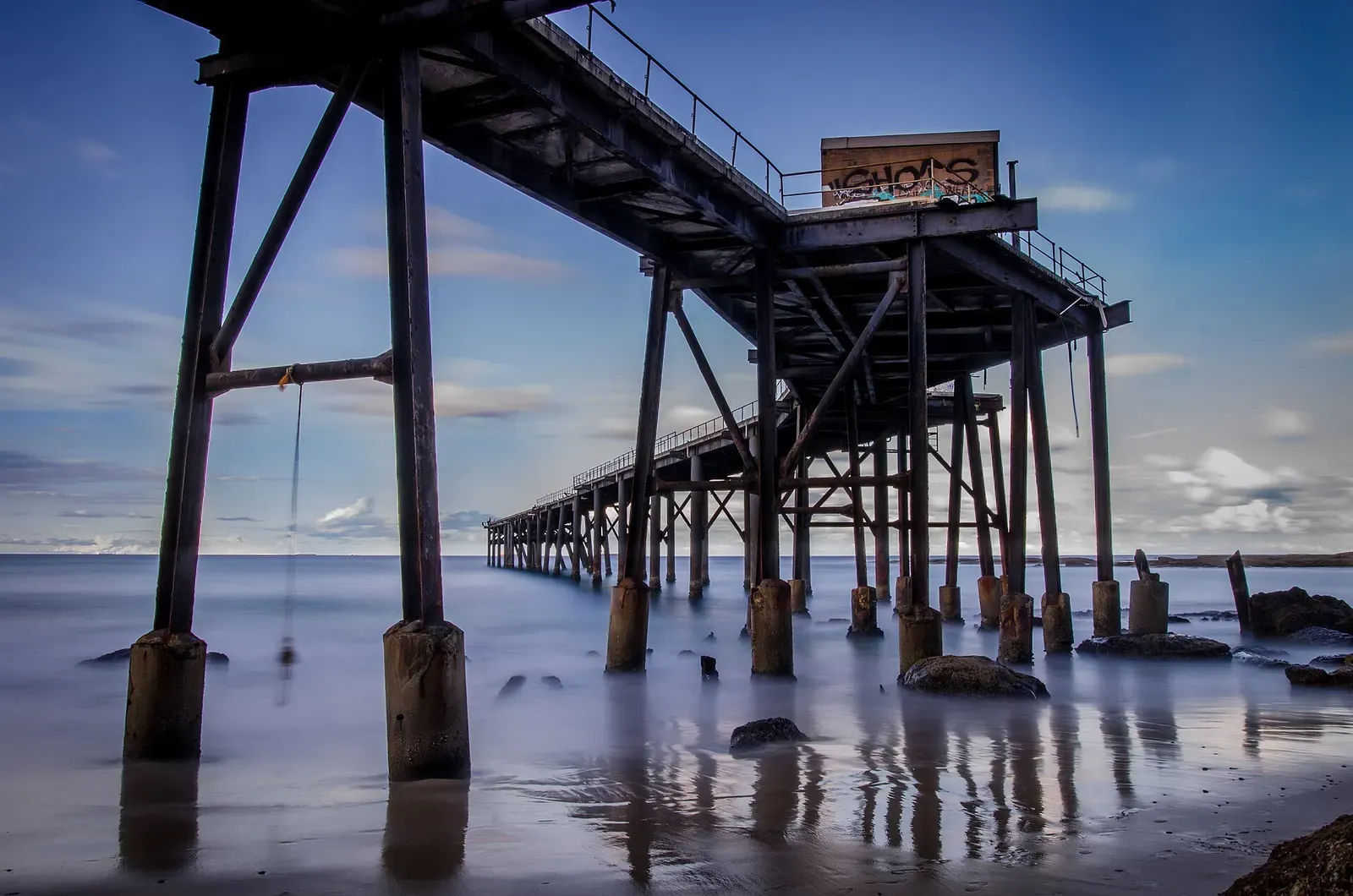
Chains, cables and the 1914 Wallarah wreck under a coal jetty in 11 m
Wall
Wall and bommies with fiddler rays and eagle rays, dived above or below 20 m
Reef
Overhangs and boulders in a 10 m-wide inlet named for a car driven off the cliff
Wreck
Scuttled RAN frigate in 32 m off Avoca, closed to divers since July 2024
Beginner wall dive to 14 m with sleeping blue gropers on night dives
Wreck
1927 coaster in 51 m with kingfish on the line and baitfish over the hull
Similar dives elsewhere

Drift the channel either way, depending on flood or ebb

An underwater air bubble cave beside drop-offs past 40 metres

A tidal channel drift you ride rather than swim


Grey reef and whitetip sharks over a 14–16 m channel floor