Banyuls-sur-Mer & the Côte Vermeille · France · Wreck
Épave L'Astrée
Broken collier at 44 m; follow the wreckage to a bow with its anchors still in place
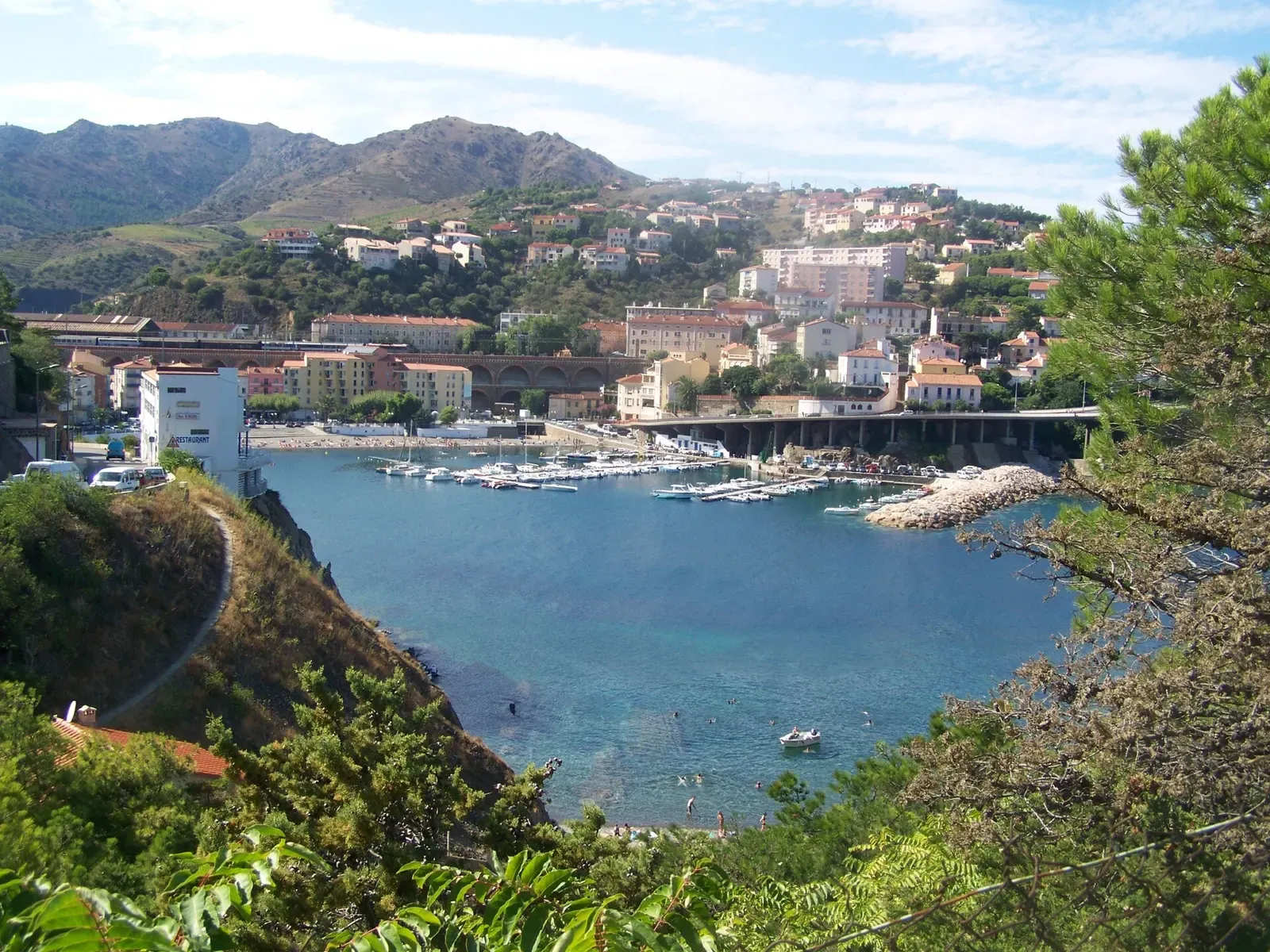
Area photo: Florian Pépellin · CC BY-SA 3.0
An 87 m collier built in England in 1921 as the Bellbro, sailing as the SS Siena under the German flag when the submarine HMS Untiring torpedoed her near Port-Vendres on 1 May 1944. She lies at 44 m, broken forward of the superstructure, with the top of the superstructure at 38 m and the foot of the bow at 47 m, and the bow still carries its anchors.
Also known as Bellbro, SS Siena.
Where it is and how deep
42.5286° N, 3.1337° EPublished position for this site.
The dive
You come down to the superstructure, the shallowest point at 38 m, with the hull lying at 44 m. The superstructure is the first stop: you can dive around it and find the galley inside, and it is the part of the ship that still reads as a ship, so it is where the dive starts and where it ends.
The front of the superstructure marks where the ship broke. From there you follow the wreckage forward across the bottom until it brings you to the bow. The anchors are still in place there, and the foot of the bow at 47 m is the deepest point of the dive and the natural turn.
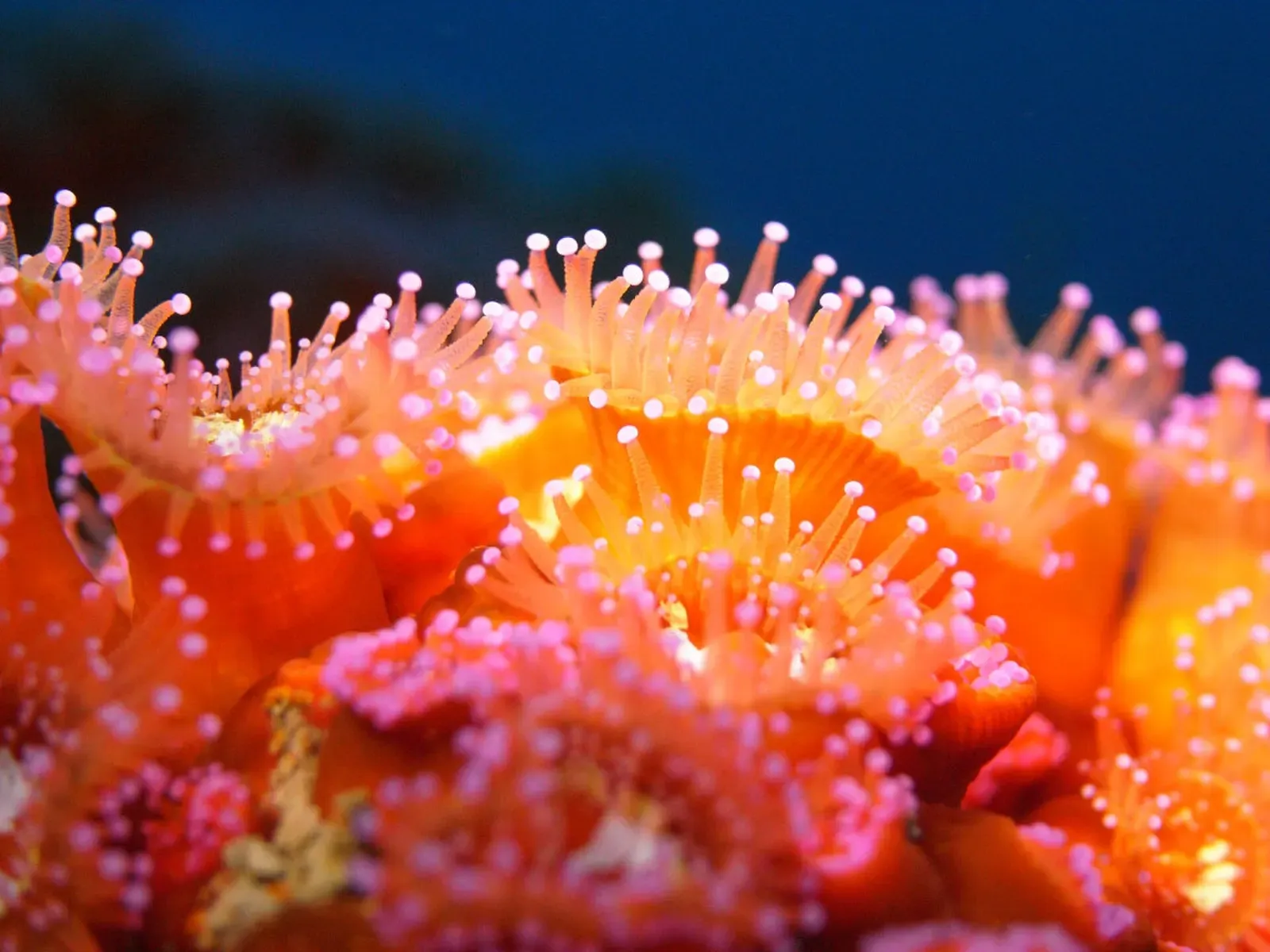
The life is the same as on the Saumur next door: conger eels in the wreckage, anthias in clouds over the growth, pout and scorpionfish on the steel, octopus in the holes, flabellina nudibranchs, John Dory and sea pens. The way back is along the wreckage to the superstructure and up to the decompression stops.
The wreck
- Vessel
- Astrée
- Type
- Coal-carrying cargo ship (collier)
- Length
- 87 m (285 ft)
- Built
- 1921
- Sunk
- 1944
- Cause
- Torpedoed as the SS Siena by the British submarine HMS Untiring near Port-Vendres
- Lies
- At 44 m off Port-Vendres, broken forward of the superstructure; superstructure top at 38 m, foot of the bow at 47 m
The ship was built in 1921 at Blyth in England as the Bellbro for the Halifax Shipping Corporation, a coal-carrying cargo vessel that later sailed as the French Astrée. By 1944 she was under the German flag and named SS Siena. On 1 May 1944 she was torpedoed and sunk near Port-Vendres by HMS Untiring, a Royal Navy submarine; the Saumur was sunk off the same port later that month. She lies at 44 m, broken at the front of the superstructure, with the wreckage leading to a bow whose anchors are still in place.
Marine life and season
- Octopus & cuttlefish
- Nudibranchs
| Jan | Feb | Mar | Apr | May | Jun | Jul | Aug | Sep | Oct | Nov | Dec |
|---|---|---|---|---|---|---|---|---|---|---|---|
| Fair | Fair | Fair | Fair | Good | Prime | Prime | Prime | Prime | Good | Fair | Fair |
Season follows Banyuls-sur-Mer & the Côte Vermeille: The Banyuls centres open year-round, but the sea averages 12 °C in February against 23 °C in August, the reserve's snorkel trail runs June to September, and the Tramontane can stop boats in any month.
Know before you go
- The wreck lies between 38 and 47 m: plan a deep dive with staged decompression, and turn at the bow rather than pushing the bottom time.
Questions divers ask
How deep is the Astrée wreck?+
The wreck lies at 44 m. The top of the superstructure is the shallowest point at 38 m and the foot of the bow the deepest at 47 m.
What is there to see on the Astrée?+
The superstructure with its galley, the break at its front, and the trail of wreckage leading to the bow where the anchors remain in place. Congers, anthias, octopus, nudibranchs and John Dory live on the wreck.
Sources
- Astrée (épave) — Wikipédia
- Épave L'Astrée - Scubago — Scubago
More dive sites in Banyuls-sur-Mer & the Côte Vermeille
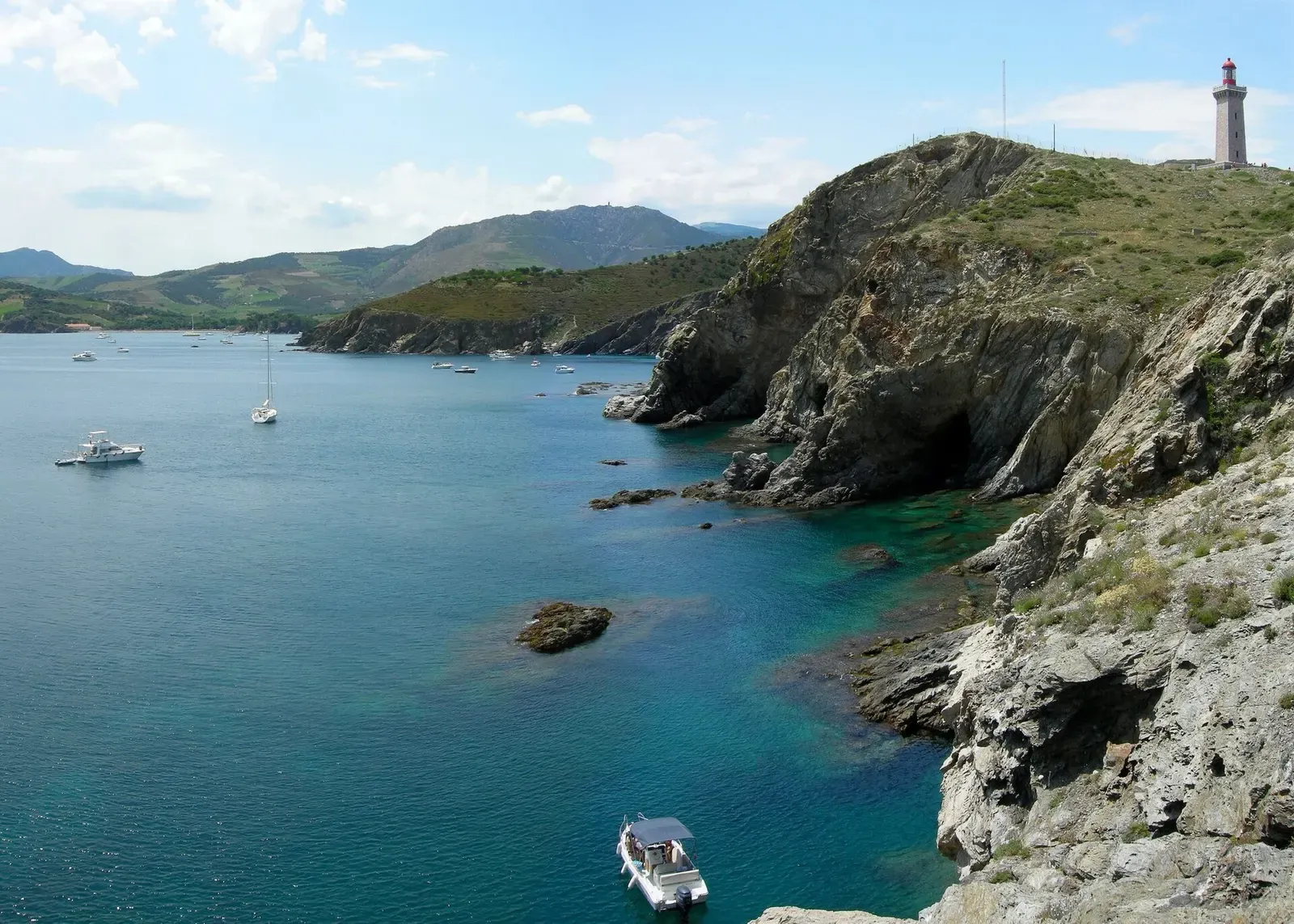
A 95 m WWII escort cut in two by a torpedo, mast top at 25 m, bow at 50 m
White gorgonians, nudibranchs and lobsters in the faults at 18 to 20 m
The sheltered fallback dive when the Tramontane blows
Reef
Faults and small caves between 5 and 30 m, with groupers and congers in the holes
Reef
Beach entry into a marine reserve, with a signposted underwater trail
Wreck
A 99 m collier on her keel at 45 m, stern broken off, emergency propeller still visible
Wall
Drop-offs, rocks and caves between 15 and 30 m off Banyuls
Reef
Groupers, dentex, brown meagre and barracuda in 5 to 20 m of reserve water
Similar dives elsewhere
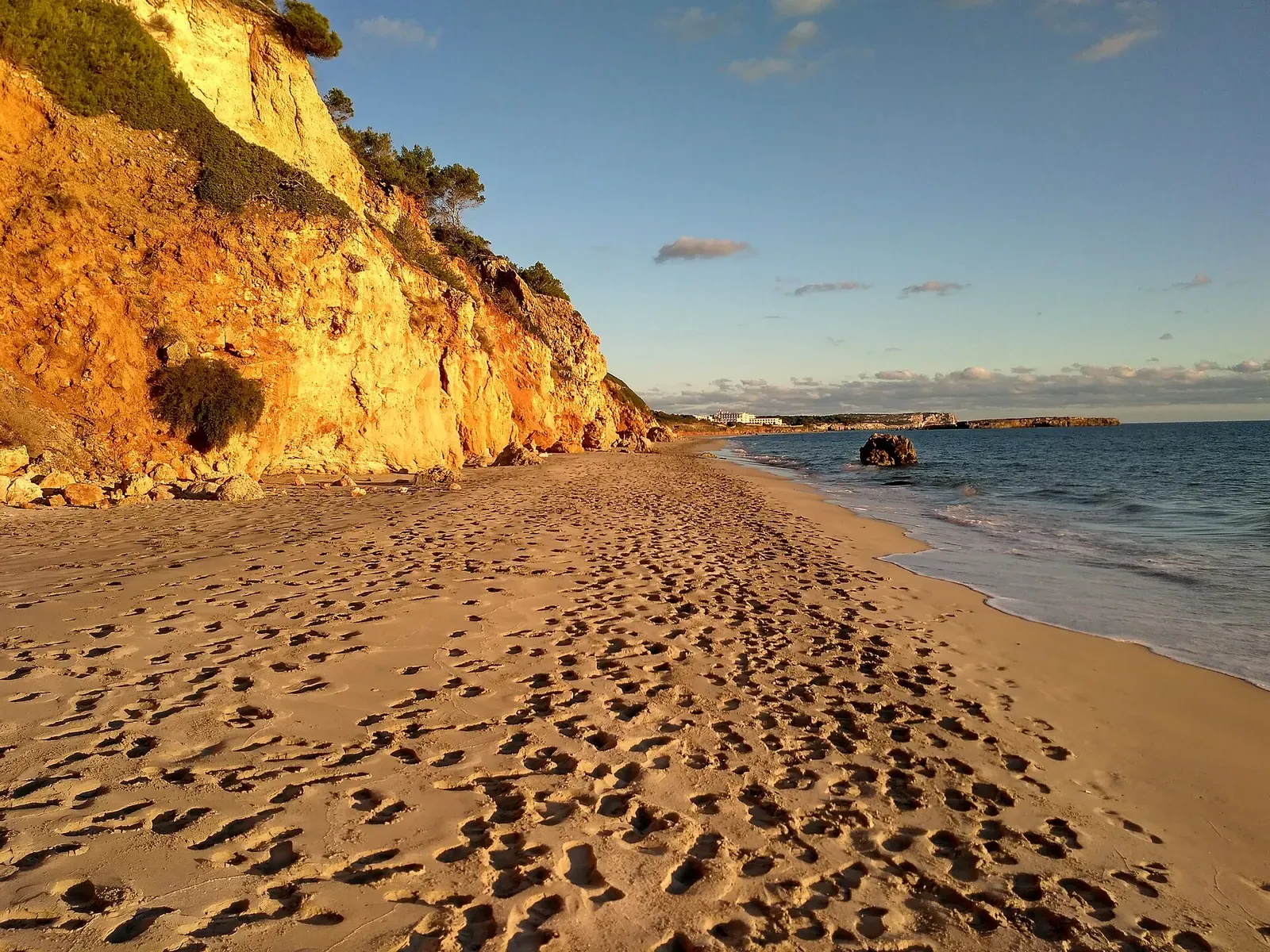
A 45 m fishing boat on sand at 47 metres off Punta de Rafalet
A scattered cargo wreck on a reef running from 2 m to 35 m
A wartime Flying Fortress upright on clean sand at 25–28 m
.JPG)
Scout cruiser mined two weeks after the war ended, at 49 m