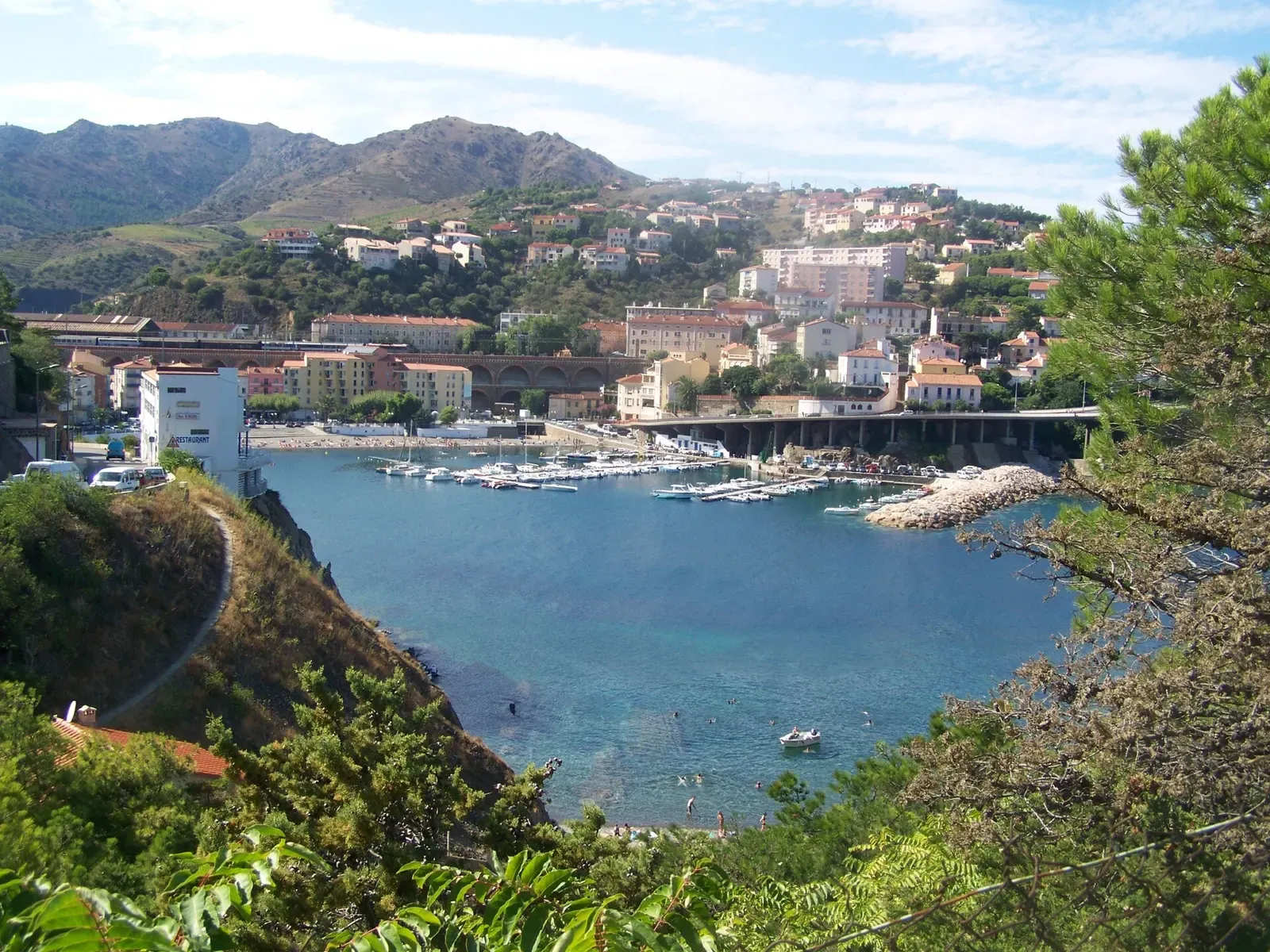
Banyuls-sur-Mer & the Côte Vermeille · France · Reef · Cave & cavern
Cap Nègre
Faults and small caves between 5 and 30 m, with groupers and congers in the holes
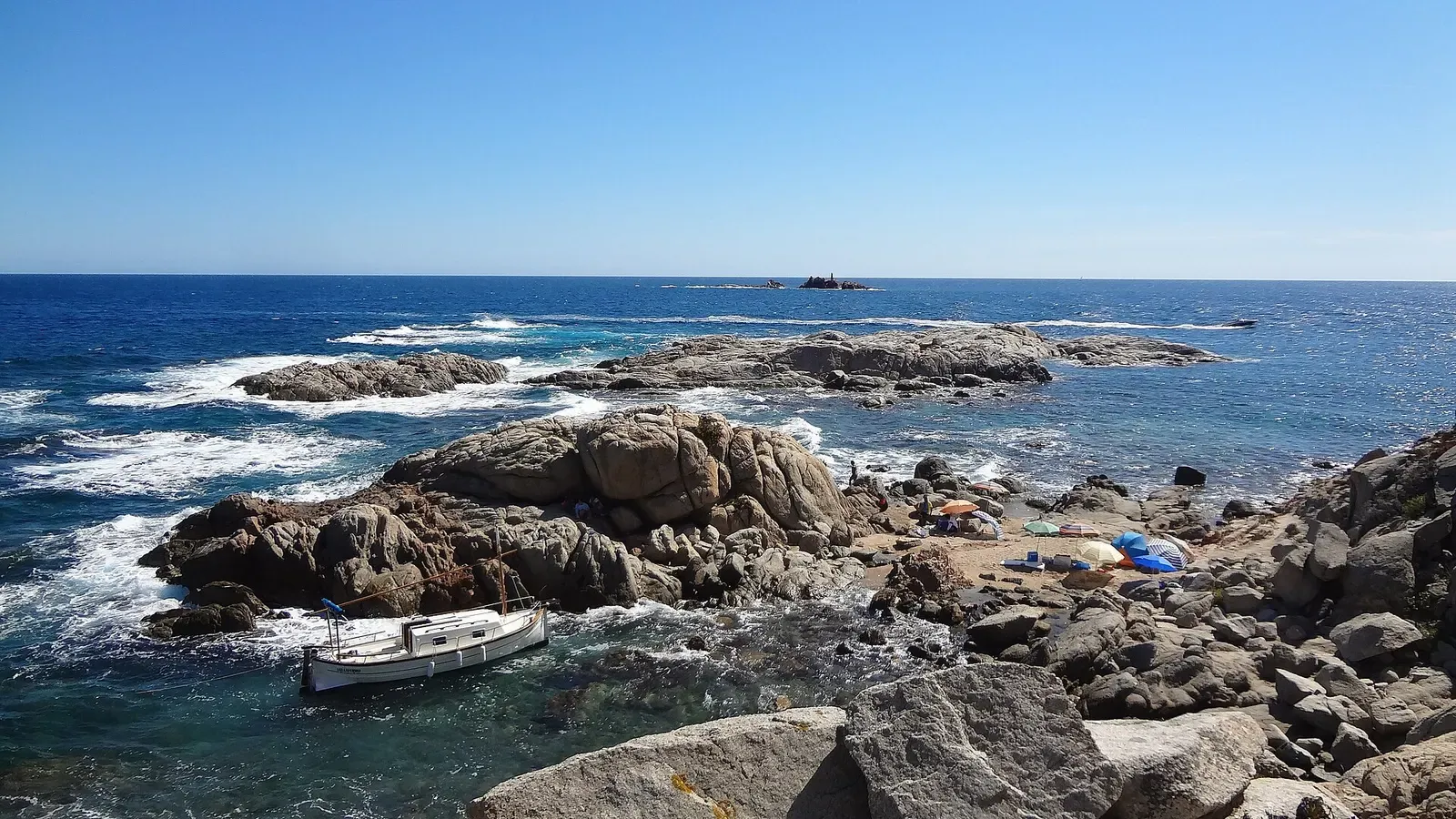
Area photo: Florian Pépellin · CC BY-SA 3.0
A headland dive inside the Cerbère-Banyuls marine reserve where the rock runs from 5 to 30 m in a mix of rock formations, faults and small caves. The terrain is the draw as much as the fish: you thread the faults and look into the caves, with groupers, moray eels and conger eels holding in the holes and a multitude of smaller rock fish over everything.
Where it is and how deep
42.4382° N, 3.1770° EPublished position for this site.
The dive
The boat drops you at the cape and you descend onto rock at around 5 m. The route follows the rock formations outward as they break into faults and step down toward 30 m. Take the faults slowly: this is where the moray eels and conger eels sit, faces out of the cracks, and where the groupers hold station, and the smaller rock fish are everywhere between them.
Along the way the rock opens into small caves. Treat them as look-in features rather than swim-throughs: the interest is the life on the walls and in the entrances, and staying outside keeps you clear of the rock, which matters in a reserve. The dive ends by working back up the rock formations toward the cape and finishing in the shallow rock near 5 m for the safety stop.
Marine life and season
- Groupers
| Jan | Feb | Mar | Apr | May | Jun | Jul | Aug | Sep | Oct | Nov | Dec |
|---|---|---|---|---|---|---|---|---|---|---|---|
| Fair | Fair | Fair | Fair | Good | Prime | Prime | Prime | Prime | Good | Fair | Fair |
Season follows Banyuls-sur-Mer & the Côte Vermeille: The Banyuls centres open year-round, but the sea averages 12 °C in February against 23 °C in August, the reserve's snorkel trail runs June to September, and the Tramontane can stop boats in any month.
Know before you go
- The site is inside the Cerbère-Banyuls marine reserve: scuba diving is banned in the reserve's integral zone and regulated in the rest of the reserve, so dive it with a local centre or club.
- The caves are small; treat them as look-in features and stay outside the rock rather than entering.
Questions divers ask
How deep is Cap Nègre?+
Depths run from 5 to 30 m. The rock near the cape is the shallow end, and the faults and small caves are spread down the rock formations toward 30 m.
What will I see at Cap Nègre?+
Groupers, moray eels and conger eels in the faults and caves, and a multitude of smaller rock fish over the boulders. The site is inside the Cerbère-Banyuls marine reserve.
Sources
- Cap Nègre - Scubago — Scubago
- Réserve naturelle nationale de Cerbère-Banyuls — Wikipédia
- Demande d'autorisation de plongée — Réserve Naturelle Marine de Cerbère-Banyuls — Département des Pyrénées-Orientales
More dive sites in Banyuls-sur-Mer & the Côte Vermeille
A 95 m WWII escort cut in two by a torpedo, mast top at 25 m, bow at 50 m
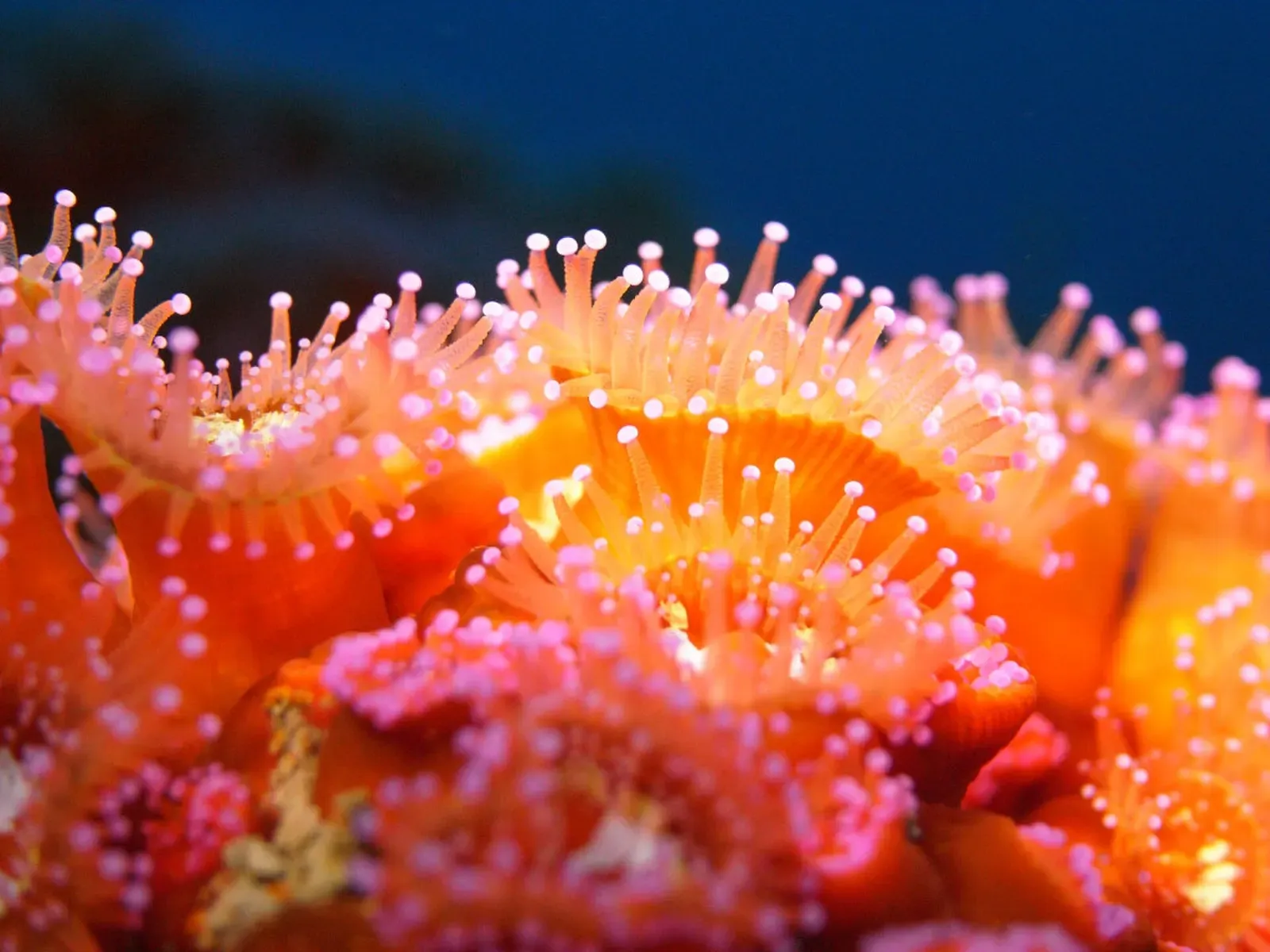
White gorgonians, nudibranchs and lobsters in the faults at 18 to 20 m
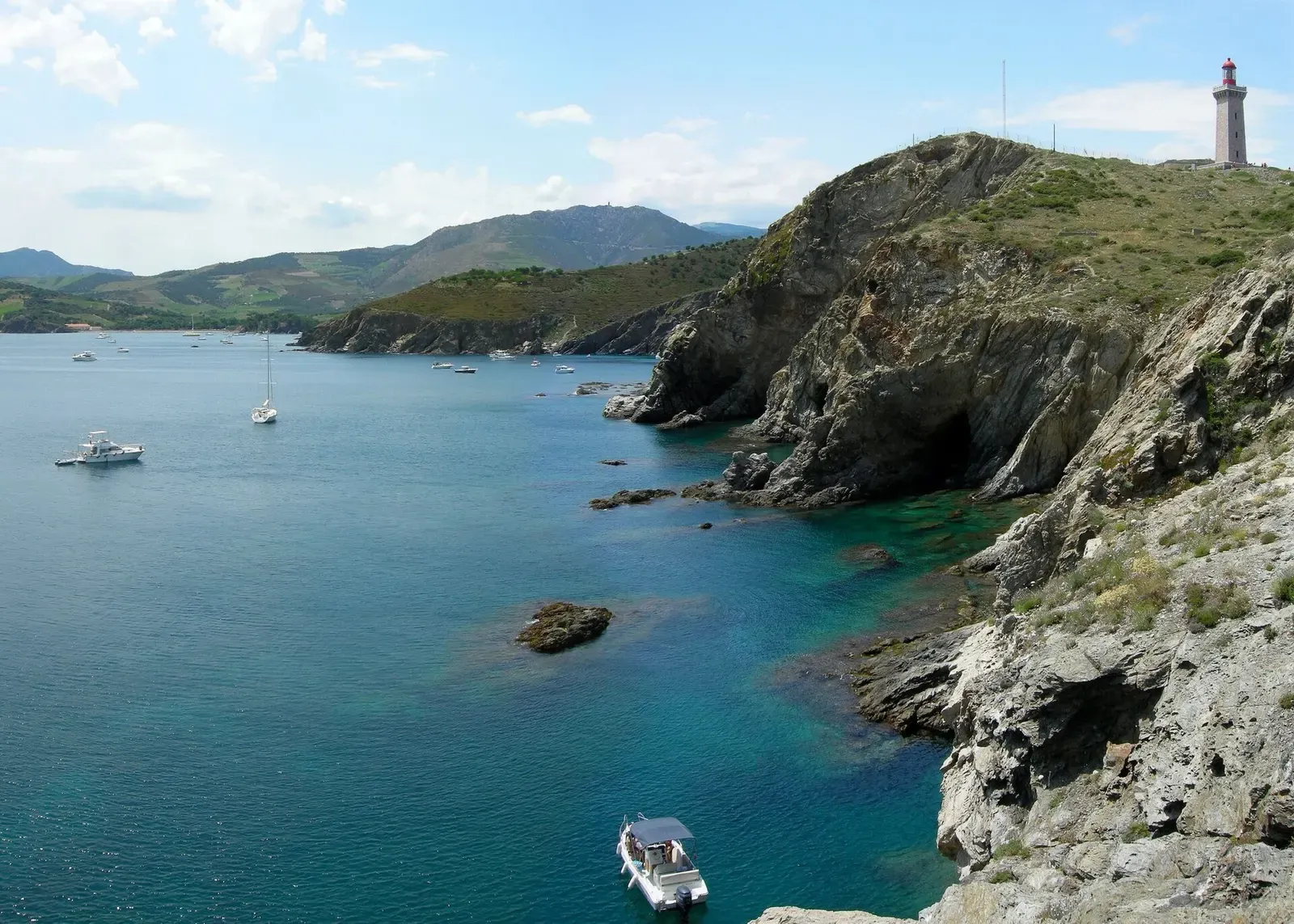
The sheltered fallback dive when the Tramontane blows
Reef
Beach entry into a marine reserve, with a signposted underwater trail
Wreck
Broken collier at 44 m; follow the wreckage to a bow with its anchors still in place
Wreck
A 99 m collier on her keel at 45 m, stern broken off, emergency propeller still visible
Wall
Drop-offs, rocks and caves between 15 and 30 m off Banyuls
Reef
Groupers, dentex, brown meagre and barracuda in 5 to 20 m of reserve water
Similar dives elsewhere
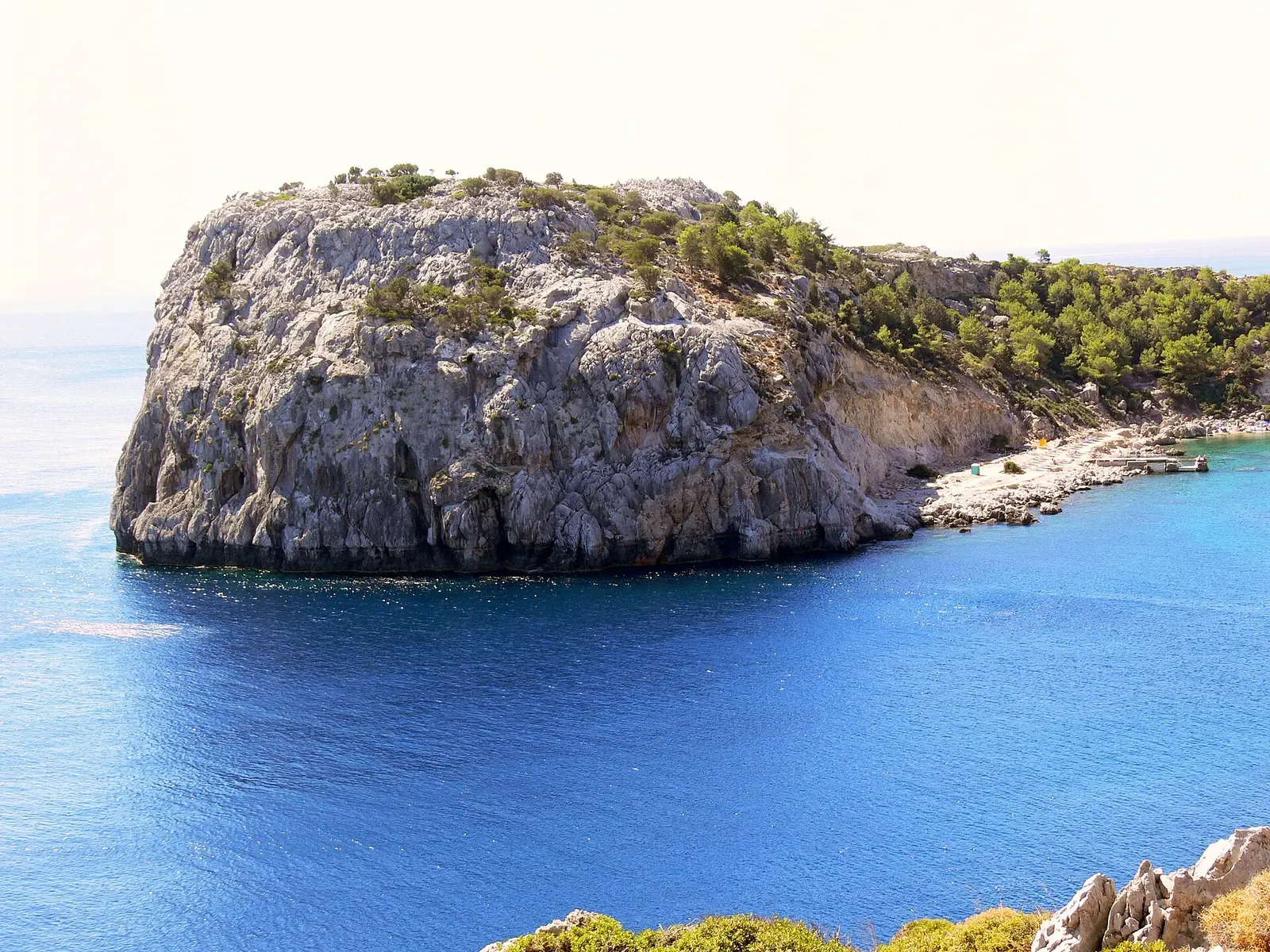
A statue of Eros on a reef of cavities and a steep drop-off
Gullies and caves under the islets, gorgonians on the rock

A tunnel entered at 14 m that lets you out at 8 m
.JPG)
A lost steamer's anchor and chain at 26 m, plus two big caves