
Djibouti · Djibouti · Cave & cavern · Channel & pass · Drift
Ghoubbet al-Kharab
Swim through a coral-covered rift between two tectonic plates
Area photo: CNE CNA C6F · Public domain
A near-landlocked volcanic cove at the western end of the Gulf of Tadjoura, sitting on the junction of the African and Arabian continental plates and joined to the gulf by a narrow, current-swept channel. The dive most people come for is the Crack, a coral-covered fissure as shallow as 8 metres that divers swim through; the pass outside it can run at more than 2 knots.
Also known as Devil's Cauldron, Ghoubet al Kharab, Lake Ghoubbet.
Where it is and how deep
11.5261° N, 42.6036° EApproximate position — the dashed circle shows where the site lies; your operator's briefing has the mooring.
The dive
The Crack, La Faille, is the shallow dive: a diagonal fissure covered in corals that divers can swim through, in places as little as 8 metres down. It sits on the plate boundary the cove straddles, and the geology is the point, lava rather than reef shelf, with the rift itself the feature you follow. It is easy enough water that all levels are taken on it, and it is the reason boats make the run to the western end of the gulf.
Beyond the cove the water narrows into the channel that joins the Ghoubbet to the Gulf of Tadjoura, and that is a different dive entirely. The channel is worked at 35 to 45 metres by advanced divers; the current there has a long record of violence and can run at more than 2 knots, and the cove behind it averages 205 metres deep. Lava tunnels run through the volcanic rock, and the macro life on the dark stone is worth the slow pass: seahorses, nudibranchs and other small subjects on the walls.
From late October to February whale sharks move into the Ghoubbet, and manta rays, schools of barracuda and other pelagic fish work the same water. November to January is the prime window, when conditions are most settled and the odds on a shark are best. The bay runs about 21 kilometres end to end, so a day here is a run between a handful of features rather than a stay on one mooring.
Marine life and season
- Whale sharks
- Manta rays
- Barracuda
- Nudibranchs
- Macro critters
| Jan | Feb | Mar | Apr | May | Jun | Jul | Aug | Sep | Oct | Nov | Dec |
|---|---|---|---|---|---|---|---|---|---|---|---|
| Prime | Prime | Good | Fair | Fair | Fair | Fair | Fair | Fair | Good | Prime | Prime |
Season follows Djibouti: Whale sharks aggregate reliably November–February when plankton blooms in the gulf; sightings are sparse the rest of the year.
Know before you go
- The channel joining the cove to the Gulf of Tadjoura has a long record of violent tidal current and can run at more than 2 knots, so pass dives are timed to slack water.
- The cove averages 205 metres deep, so away from the shallow rift there is no bottom to catch a runaway descent; watch buoyancy and depth on the walls.
Dive videos
The Red Virgin in the Bay of Ghoubbet, Djibouti Africa · Michael Pitcher on YouTube
Questions divers ask
How deep is the dive at Ghoubbet al-Kharab?+
The Crack, the main dive, starts as shallow as 8 metres and is followed along the rift rather than descended. The channel dives outside the cove are worked at 35 to 45 metres, and the cove itself averages 205 metres deep.
When is the best time to dive Ghoubbet al-Kharab?+
November to January, when water conditions are most favourable and the chance of a whale shark is highest; sightings run from late October through February.
Sources
- Ghoubbet-el-Kharab — Wikipedia
- Ghoubet al Kharab Diving — DiveBooker
- Best Diving sites in Djibouti — Divezone
- The Best Scuba Diving in Dijibouti — Scuba Diver Life
- Djibouti's Top 10 Scuba Diving Sites — The Scuba News
In The Logbook
- Where to dive with whale sharks, month by monthBig animals · 16 min read
More dive sites in Djibouti
Pelagic & blue water
Breath-hold encounters with juvenile whale sharks feeding at the surface
A 135-metre cargo ship turned artificial reef, on her port side
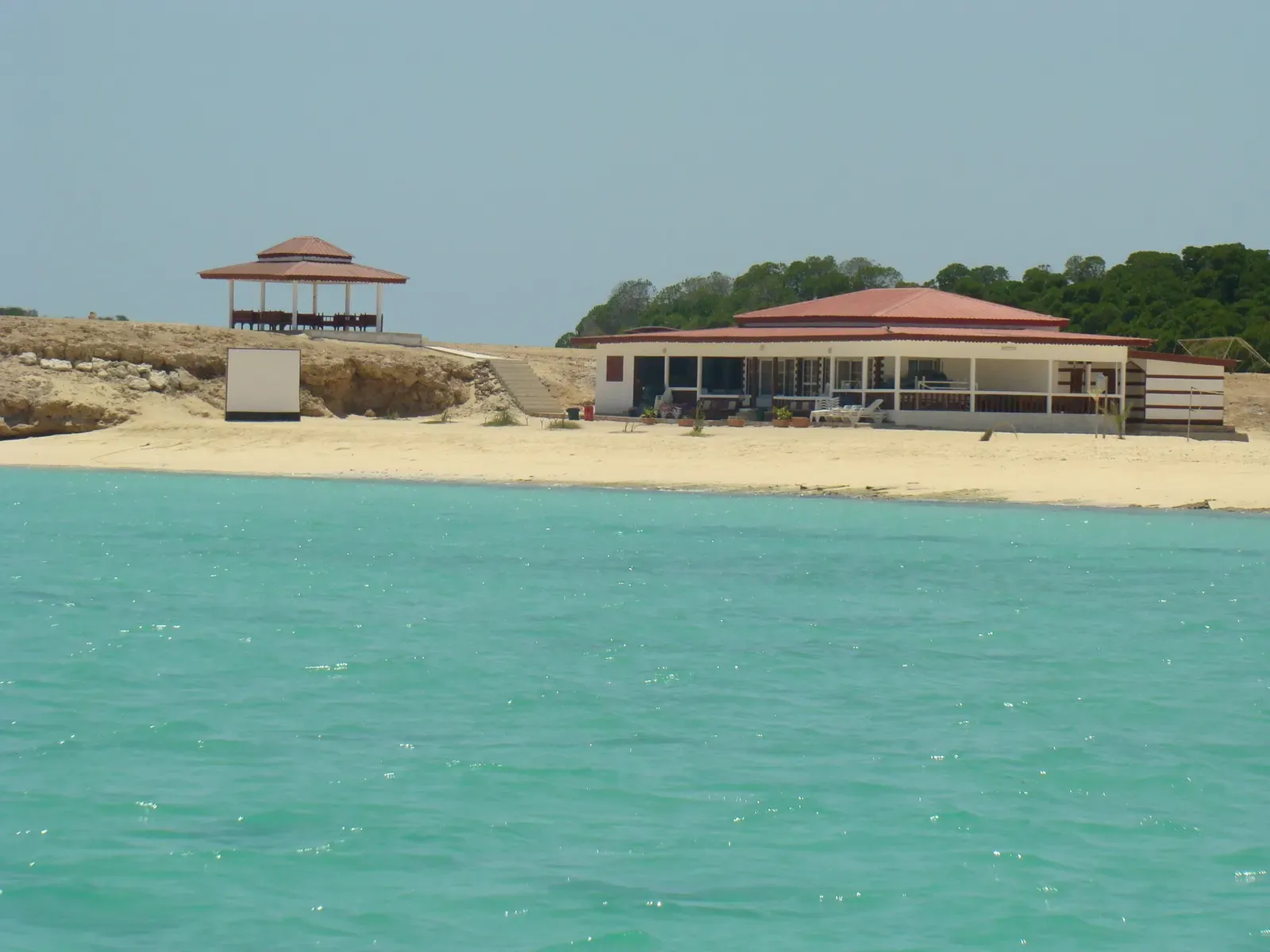
Shallow coral gardens and deeper drop-offs, 30 to 45 minutes from the city
Pelagic & blue water
Hammerheads and mantas on current-swept pinnacles near Bab el-Mandeb
Similar dives elsewhere
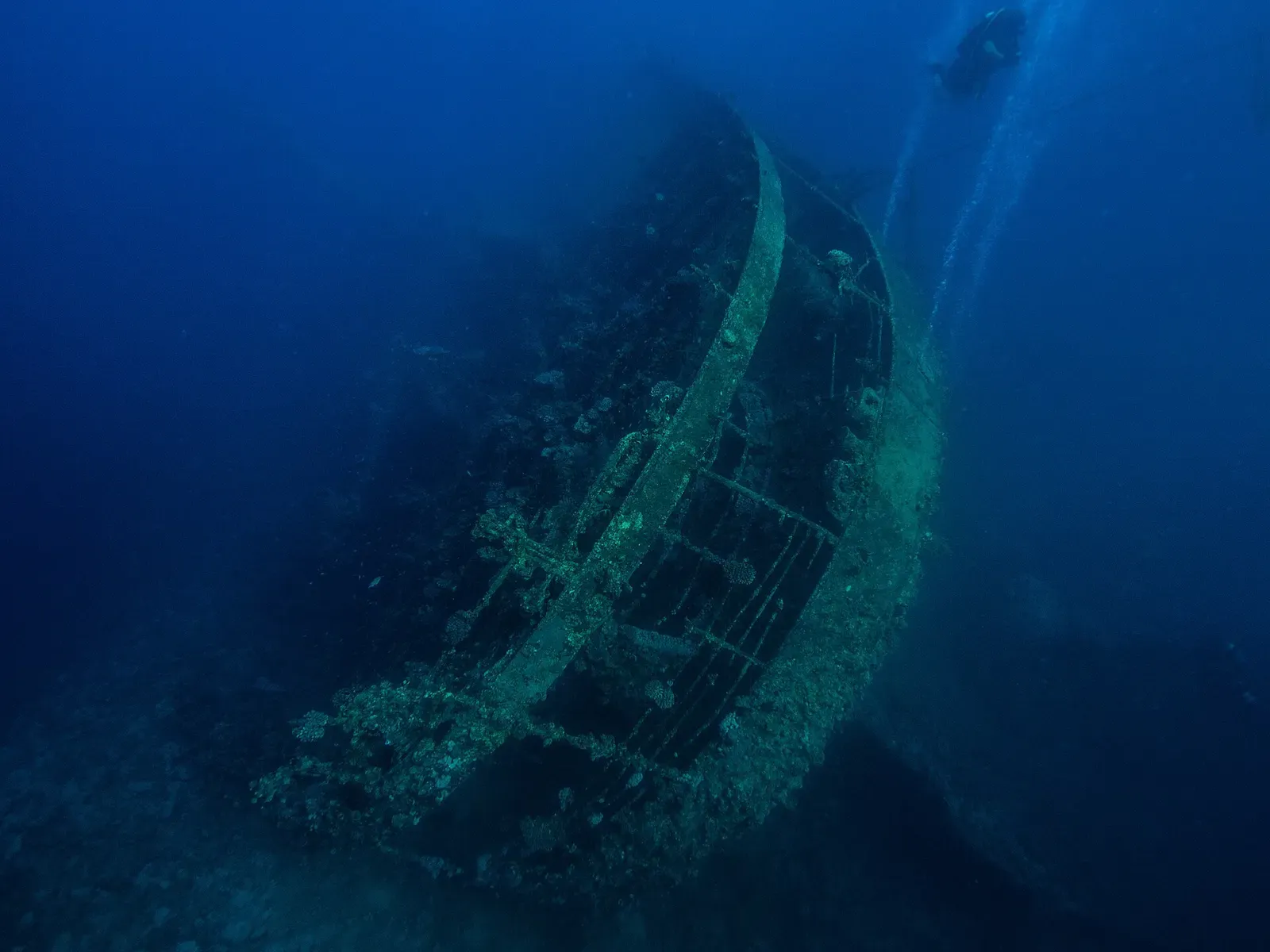
Mother of Sharks: hammerheads and tigers on a lone pinnacle
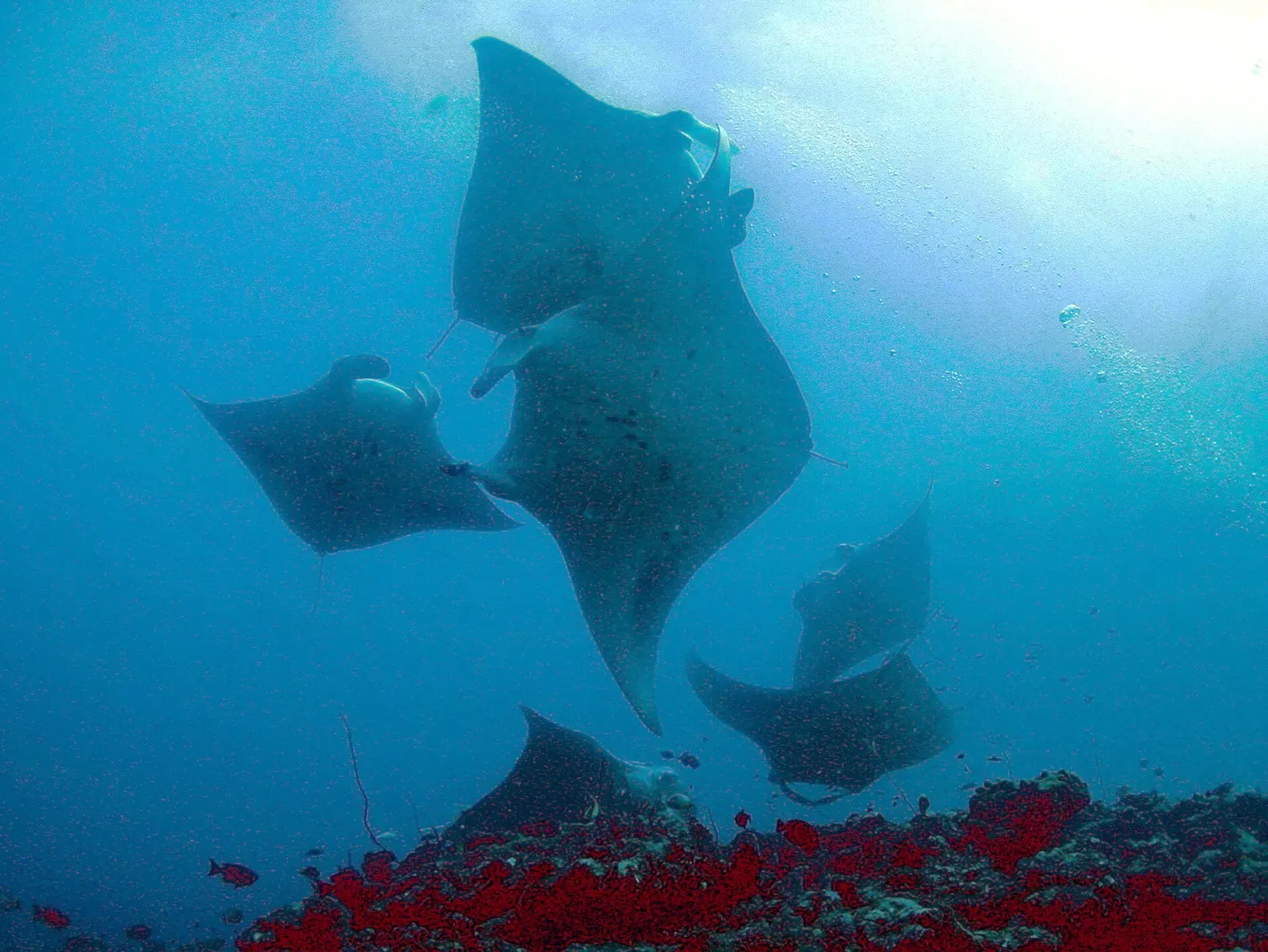
Schools of grey reef sharks in a channel cut with caves from 8 to 40 m
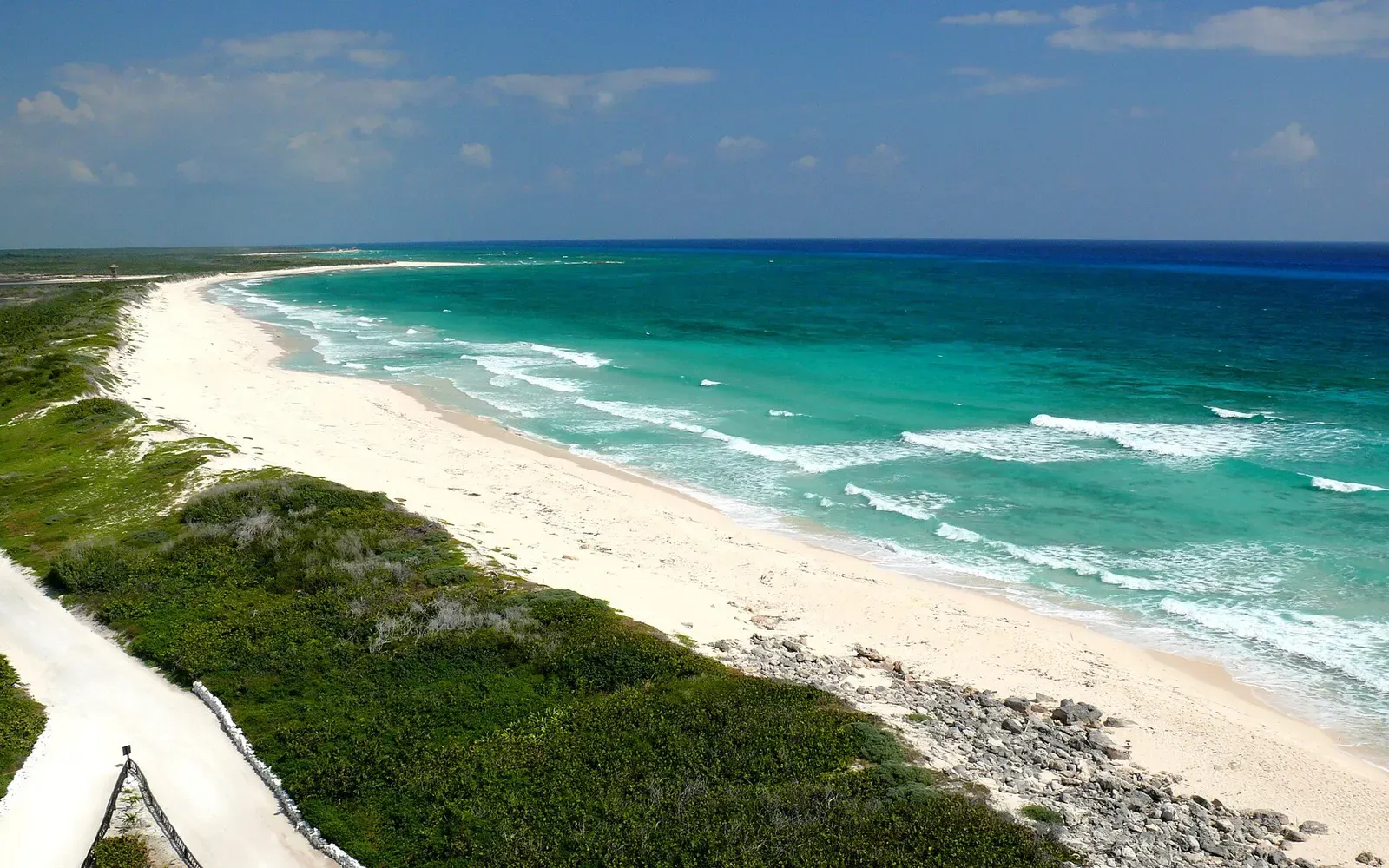
The Cathedral cave sits in the same block of reef as the throat
A huge cave-like arch dotted with yellow sponges and nudibranchs