Mediterranean · Italy
Filicudi & Salina
A guided underwater museum of centuries of shipwrecks off Capo Graziano
Two of the Aeolian Islands, north of Sicily, each with its own dive boats. Filicudi has the Museo Sottomarino di Capo Graziano, a marked trail through the remains of ships wrecked over the centuries, and the Grotta dei Gamberi, a cave packed with shrimp. Salina's sites run from the easy Faraglione di Pollara to Secca del Capo, an offshore rock where amberjack, barracuda and tuna pass in the blue.
About diving in Filicudi & Salina
On Filicudi a centre at Pecorini a Mare runs dives every day around Filicudi and Alicudi, along with guided snorkelling, freediving and boat trips. On Salina a centre stands just behind the commercial port of Santa Marina, a few metres from the main hydrofoil and ferry dock. Secca del Capo is an open-sea rock several miles off the north tip of Salina. The Capo Graziano site is under strict control, with every route marked and no diving without an authorised guide.
Underwater the coast drops in walls and shoals. One wall starts just below the surface and runs for about a hundred metres down to 30 m. At Capo Graziano the seabed holds the archaeological remains of ships wrecked over the centuries. In the Grotta dei Gamberi thousands of young shrimp crowd every corner of the cave. Secca del Capo is a rock in open water where amberjack, barracuda and torpedo rays are frequent.
Filicudi's sites suit both beginners and experienced divers, and on Salina the easy dives stay above 24 m while the deepest sites are rated demanding. Close to Secca del Capo, Scoglio Sanavò is a big rock in open water with its top at 22 m and its base at 50 m. Off Filicudi a recent wreck at 45 m is for more experienced divers. Filicudi and Alicudi are remote, with little in the way of tourist infrastructure, and the islands are on the UNESCO World Heritage List.
Best time to dive Filicudi & Salina
| Jan | Feb | Mar | Apr | May | Jun | Jul | Aug | Sep | Oct | Nov | Dec |
|---|---|---|---|---|---|---|---|---|---|---|---|
| Good | Good | Good | Good | Good | Good | Fair | Fair | Good | Good | Good | Good |
July and August bring the crowds and the warmest sea, near 26 °C; February bottoms out near 14 °C, and boats on Salina dive in winter too.
Best months: January, February, March, April, May, June, September, October, November, December
Dive types & marine life
Secca del Capo draws big dentex and tuna in particular, and sharks and even dolphins turn up now and then. The Grotta dei Gamberi shrimp are resident, young animals in their first days of life.
- Wall
- Wreck
- Cave & cavern
- Pelagic & blue water
- Barracuda
- Trevally & jacks
- Tuna
Best dive sites in Filicudi & Salina
- 1
Museo Sottomarino di Capo Graziano
Archaeological trail through ships wrecked over the centuries, dived only with an authorised guide
- 2
Secca del Capo
Demanding offshore rock to 36 m off Salina, where dentex and tuna gather
- 3
Grotta dei Gamberi
Cave whose wide mouth is crowded with thousands of resident shrimp
- 4
Punta Tre Pietre
Salina site of medium difficulty that reaches 35 m
- 5
Faraglione di Pollara
Sea stack off Salina's Pollara bay that suits less experienced divers
- 6
Punta Stimpagnato
Easy Filicudi dive suited to newer divers
Site guides
Moray eels and octopus in the jagged rock of Pollara's sea stack
Cave & cavern
Thousands of shrimp packed into the wide mouth of a volcanic cave
Filicudi's most striking sea stack, where the sunset turns the island red
A rocky shoal off Filicudi's south-east coast with its top at 14 m
Reef
A huge boulder ringed by schools of sea bream off the sandy bank
Seamount
A single rock monolith rising from 40 m to within 6 m of the surface
Seamount
Large groupers living in a rockfall of boulders on an open-sea shoal
How to get to Filicudi & Salina
Most travellers fly into Palermo or Catania in Sicily, or Reggio di Calabria on the mainland. Car ferries and faster hydrofoils run from Milazzo and Messina, and from Reggio di Calabria, to and between the islands.
Photos from Filicudi & Salina
nerdmeister® · CC BY 2.0
https://www.flickr.com/people/ghost-in-the-shell/ ghost-in-the-shell · CC BY 2.0
Questions divers ask
Can divers visit the Capo Graziano underwater museum on their own?+
No. The site is under strict control, its routes are marked, and diving it without an authorised guide is forbidden.
Which sites suit newer divers on Salina and Filicudi?+
Faraglione di Pollara on Salina and Punta Stimpagnato on Filicudi are easy dives for less experienced divers. On Salina the easy sites stay above 24 m, while Secca del Capo is a demanding dive to 36 m.
Is there wreck diving around Filicudi?+
Yes. Capo Graziano holds the archaeological remains of ships wrecked over the centuries, on a guided trail, and a recent wreck lies at 45 m for experienced divers.
Do the Filicudi boats also dive Alicudi?+
Yes. The Filicudi centre at Pecorini a Mare runs daily dives, guided snorkelling and boat trips around both Filicudi and Alicudi.
Sources
- Immersioni a Salina — eolie.eu
- Immersioni a Filicudi — eolie.eu
- Le nostre immersioni - Muciara Diving Center — Muciara Diving Center
- Home - Muciara Diving Center — Muciara Diving Center
- I Diving Center - Amphibia — Amphibia Diving Center
- Filicudi Divers — Filicudi Divers
- Le immersioni più belle a Filicudi — Filicudi Conservation
- Aeolian Islands — Wikivoyage
- Santa Marina Salina average sea temperature — seatemperature.org
Photo credits
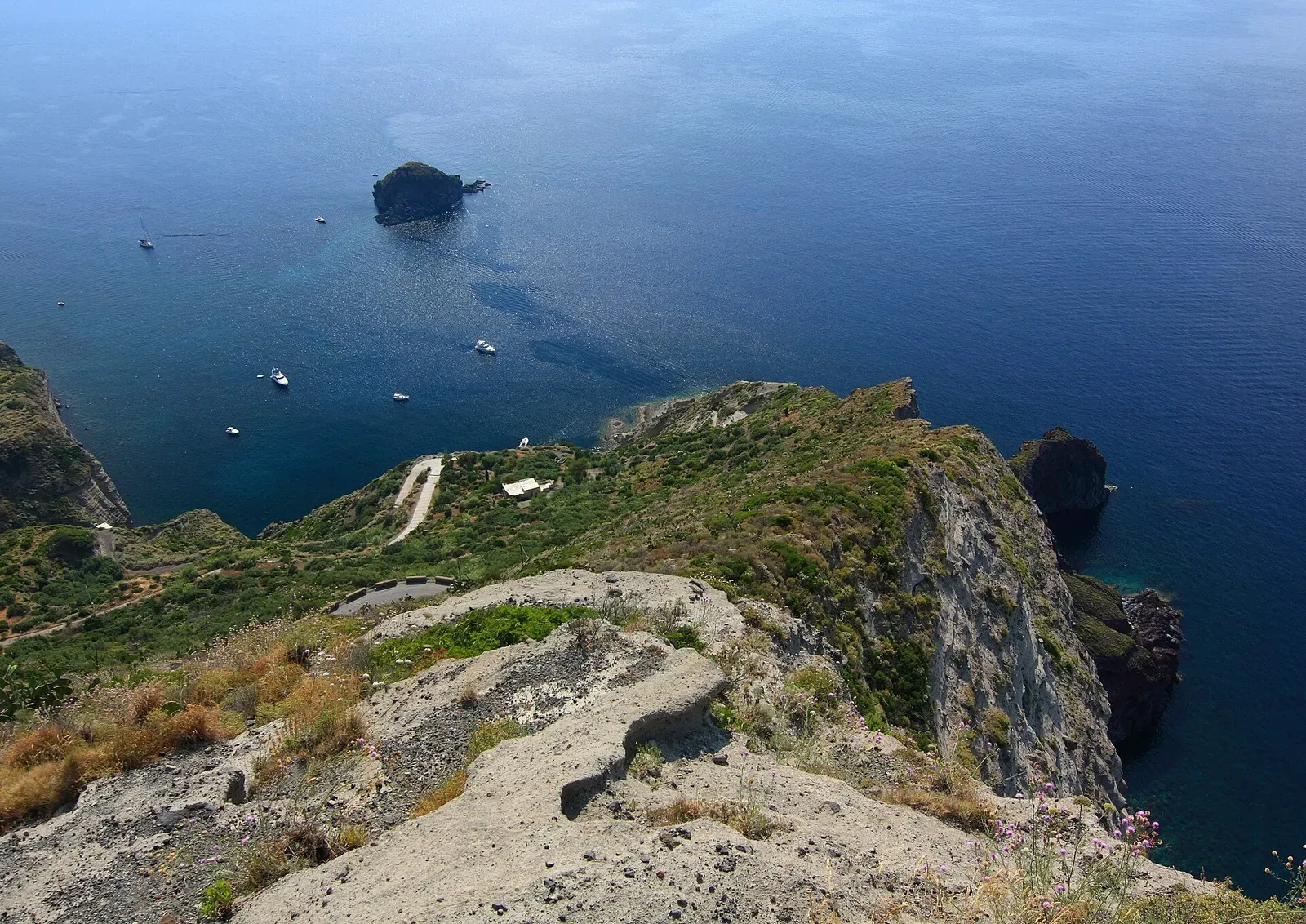
- Aerial view of several small volcanic islands scattered across deep blue sea under a thin haze by nerdmeister®, CC BY 2.0, via Openverse
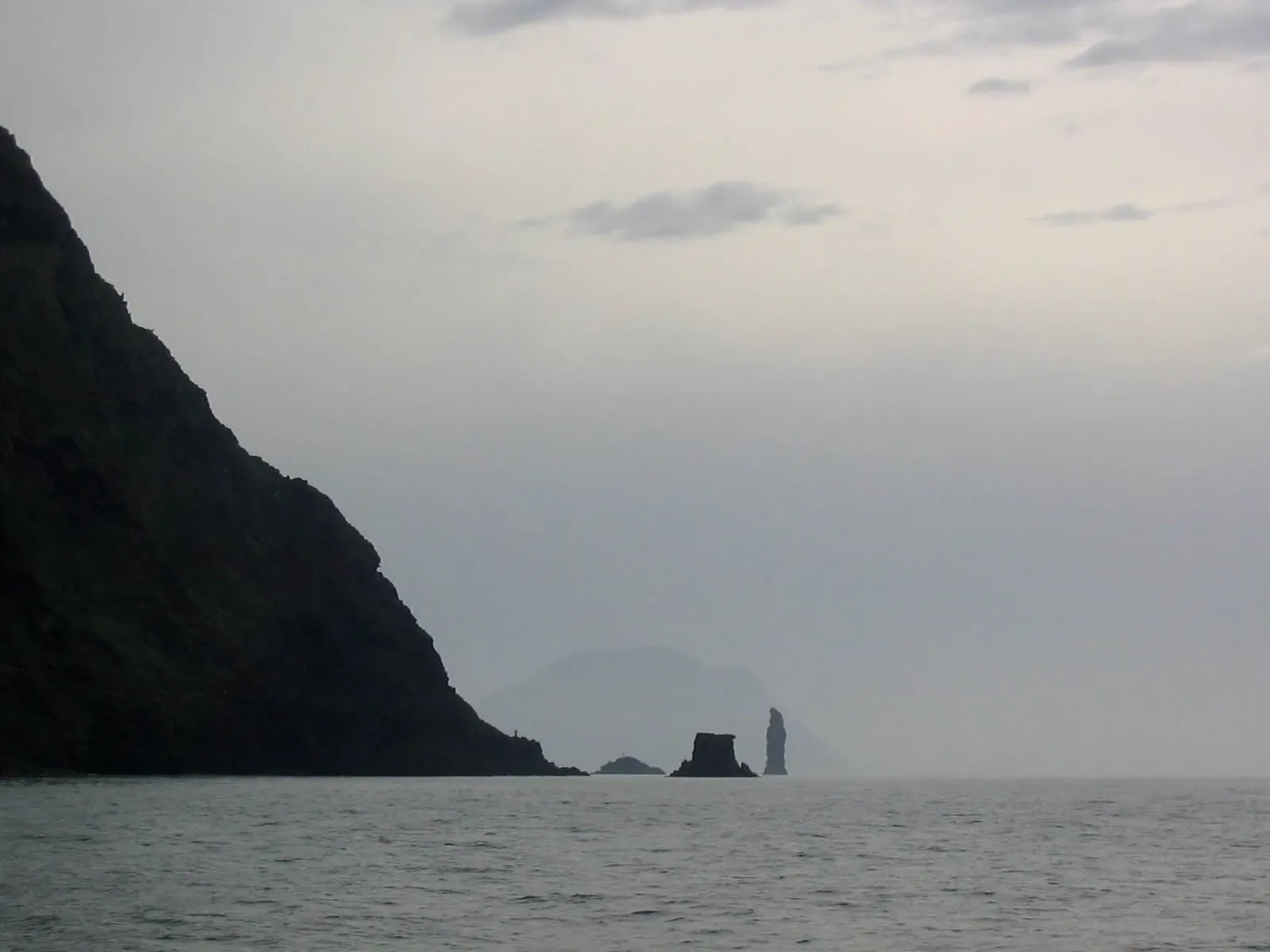
- A green cone-shaped volcano above dense scrub, with blue sea and a distant island on the horizon by https://www.flickr.com/people/ghost-in-the-shell/ ghost-in-the-shell, CC BY 2.0, via Wikimedia Commons
Embed
Run a dive centre, club or blog? Embed this map of 7 dive sites near Filicudi & Salina on your own page.
Similar destinations
Mediterranean
Amphorae of a Roman wreck on a volcanic shoal off Lipari
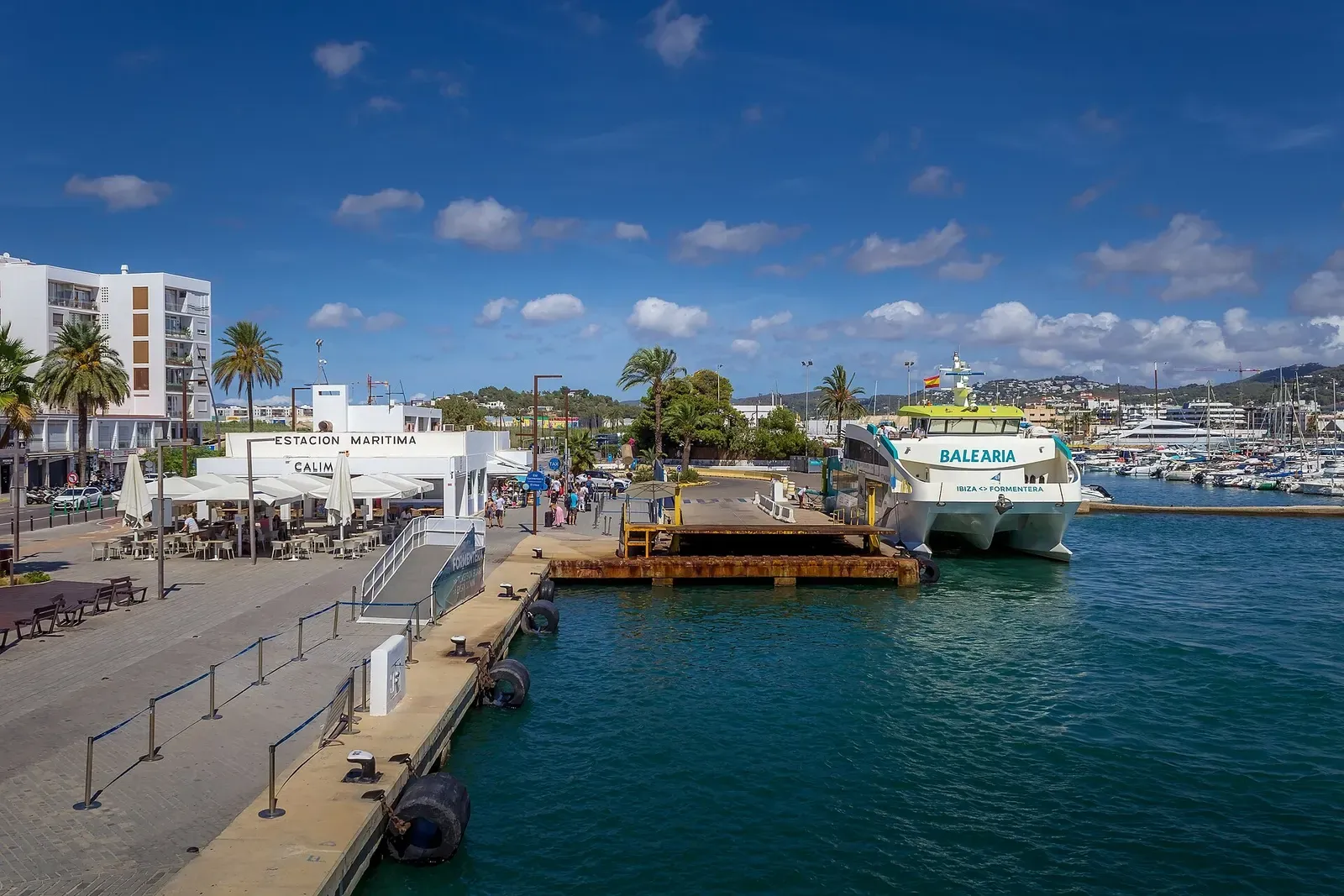
A sunlit limestone cavern, the Don Pedro wreck and the Es Vedrà pinnacles
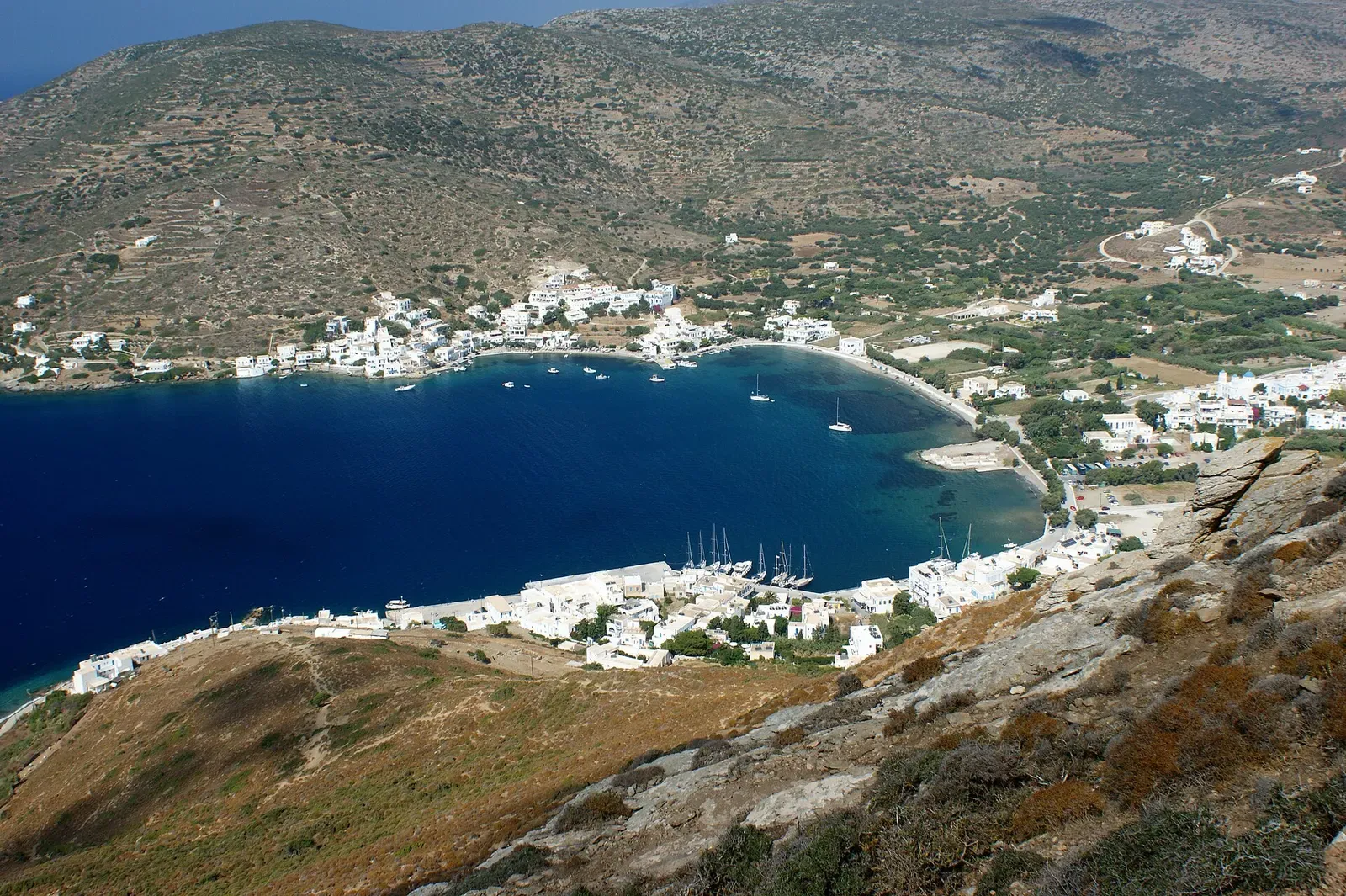
A 40 m wall under the monastery filmed in The Big Blue

A B-17 bomber upright on the sand at 25 m below the citadel