Mediterranean · France
Corsica — Calvi & the Revellata
A B-17 bomber upright on the sand at 25 m below the citadel
Photo: Arnaud Abadie · CC BY 3.0
Calvi sits under a Genoese citadel on Corsica's northwest coast, and the Gulf of Revellata beside it is rated among the island's most reputed dive grounds. A B-17 Flying Fortress lies right-side-up on sand at 25–28 m at the foot of the citadel, and offshore the submerged rocks carry the serious diving: Le Clocher tops out at 27 m in the middle of the bay and runs down to gorgonian-covered rock at 40–50 m, while Sec du Lion adds drop-offs, fissures and overhangs.
About diving in Corsica — Calvi & the Revellata
Diving is run from the Port de Plaisance in Calvi itself, where three centres work out of the harbour below the citadel. Most of the site list is a boat ride away: the B-17 lies at the foot of the citadel walls, Le Clocher sits out in the middle of the bay, and the rock and drop-off diving runs west along the Revellata peninsula towards the lighthouse and the Stareso research station. Calvi beach is the exception and the fallback — shallow, protected, and shore-entered, with room to run every training exercise from the sand.
The underwater ground is granite and rock rather than reef: aligned pitons and slabs descending from the surface to 20–30 m at Sec des Belges, canyons and corridors around Cap de la Revellata, and a maze of oversized scree at La Bibliothèque that forms caves, passages and air pockets. Gorgonians and red coral cover the deeper rock, with grouper, moray and conger in the cracks, barracuda and dentex out in the blue, and flabellina nudibranchs on the walls at 40–50 m. Posidonia meadows fill the sand between the rocks.
This is a coast for divers who like rock topography and one good wreck, and who are comfortable with a deep, current-exposed dive when conditions allow — Sec du Lion and Le Clocher are experienced-diver sites, and Le Clocher in particular is a descent into open blue with no reference until 27 m. Beginners are well served by the beach and the shallow reefs. General Corsica guides still point divers to the south of the island and Porto-Vecchio, and Lavezzi near Bonifacio, 140 km away, is the better trip for habituated grouper; Calvi's case rests on its own site list. The Scandola reserve's scuba ban, 40 km south, does not apply here.
When to dive Corsica — Calvi & the Revellata
| Jan | Feb | Mar | Apr | May | Jun | Jul | Aug | Sep | Oct | Nov | Dec |
|---|---|---|---|---|---|---|---|---|---|---|---|
| Off-season | Off-season | Off-season | Fair | Good | Prime | Prime | Prime | Prime | Good | Fair | Off-season |
Corsica's dive season runs roughly May to October; July and August are the peak tourist months, so June and September give the same sites with fewer boats.
Dive types & marine life
Grouper, moray and conger eel, corb, capon, spiny lobster and dentex are the resident cast on the rock through the season, with barracuda schooling off the exposed secs and octopus reliable enough at Saint François that it is known for them. Flabellina nudibranchs live on the deep gorgonian rock at 40–50 m. Rays and dolphins are occasional across Corsica rather than dependable here.
- Reef
- Wall
- Wreck
- Cave & cavern
- Coral garden
- Pelagic & blue water
- Groupers
- Barracuda
- Octopus & cuttlefish
- Nudibranchs
- Macro critters
- Reef fish swarms
Notable dive sites in Corsica — Calvi & the Revellata
Wreck
A wartime Flying Fortress upright on clean sand at 25–28 m
Drop-offs and underwater canyons between 15 and 40 m, northeast of Calvi
Pinnacle
A blue-water descent with no reference until the rock shows at 27 m
Sand slope
A marble statue on the sand at 24 m, and the bay's octopus ground
Pinnacle
A line of pitons from the surface down, best in the top 12 m
Pinnacle
Drop-offs, rocks and plateaus between 10 and 40 m
Pinnacle
A rocky peak at 15–40 m with dentex, grouper and schooling barracuda
Pinnacle
A submerged rock from 22 m down to 40 m, advanced and expert only
Reef
Reefs, caves and drop-offs from 5 m to 50 m by the research station
Sec du Lion
Offshore rocky outcrop with steep drop-offs, fissures and overhangs; current runs here.
Getting there
Calvi-Sainte-Catherine has direct flights from Gatwick, Heathrow, Manchester, Birmingham and Edinburgh; failing that, fly to Bastia and take the daily bus, about two hours and €20. There has been no ferry to Calvi port since 2021, and the nearest ferry terminal is Île-Rousse, 25 km away. Dive boats leave from the Port de Plaisance in town.
Photos from Corsica — Calvi & the Revellata
Jean-Pol GRANDMONT · CC BY-SA 3.0
Jean-Pol GRANDMONT · CC BY-SA 3.0
Isiwal · CC BY-SA 3.0
Photo credits
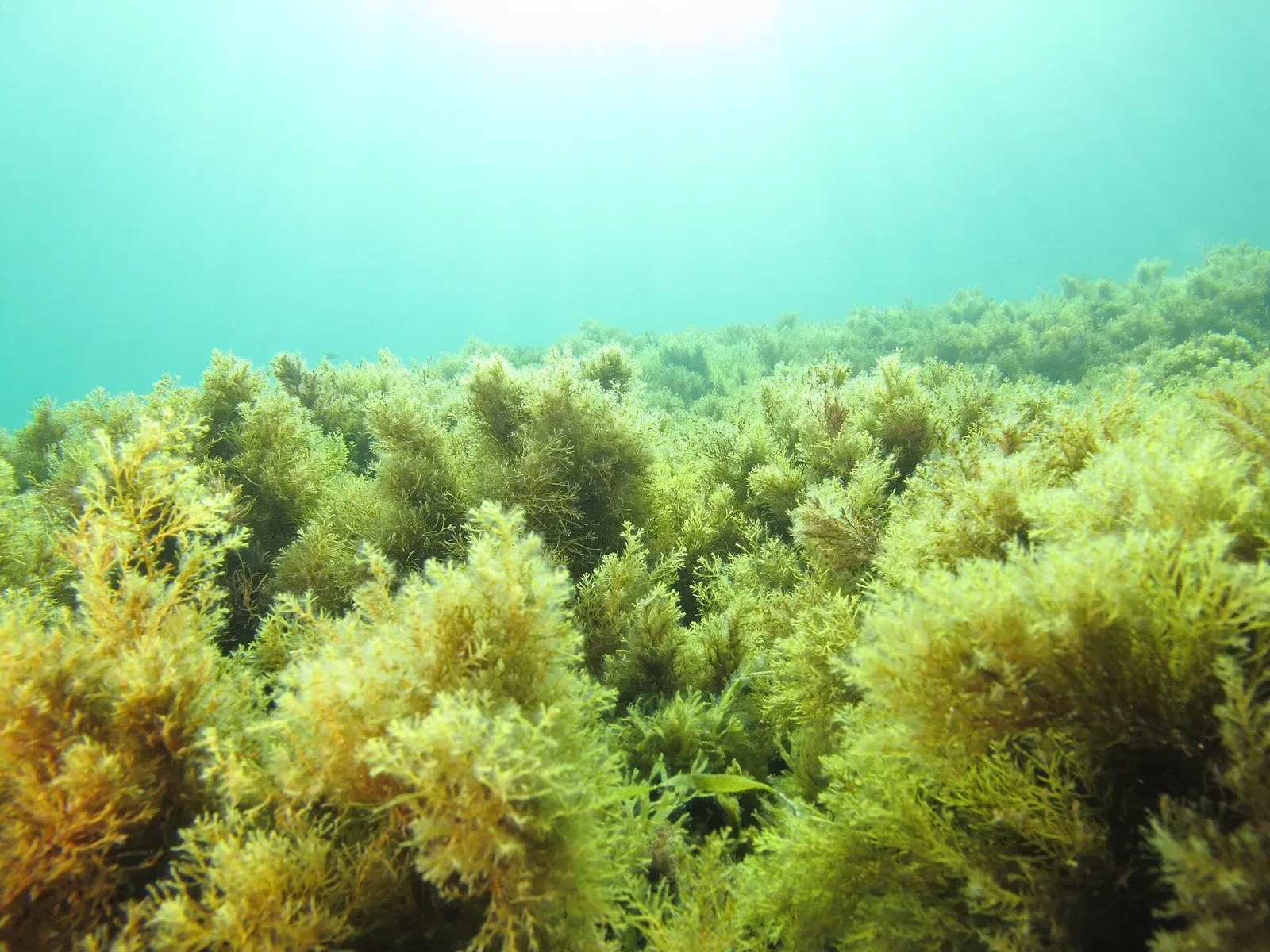
- Underwater forest of golden-brown Cystoseira algae rising from rocky seabed in Calvi Bay by Arnaud Abadie, CC BY 3.0, via Wikimedia Commons
- View over Calvi's citadel headland and rooftops from the grassy Punta San Francesco point by Jean-Pol GRANDMONT, CC BY-SA 3.0, via Wikimedia Commons
- Watchtower on Calvi's citadel wall looking out over the wide bay toward the mountains by Jean-Pol GRANDMONT, CC BY-SA 3.0, via Wikimedia Commons
- Punta San Francesco headland with wildflowers above Calvi's citadel and harbour town by Isiwal, CC BY-SA 3.0, via Wikimedia Commons
Similar destinations
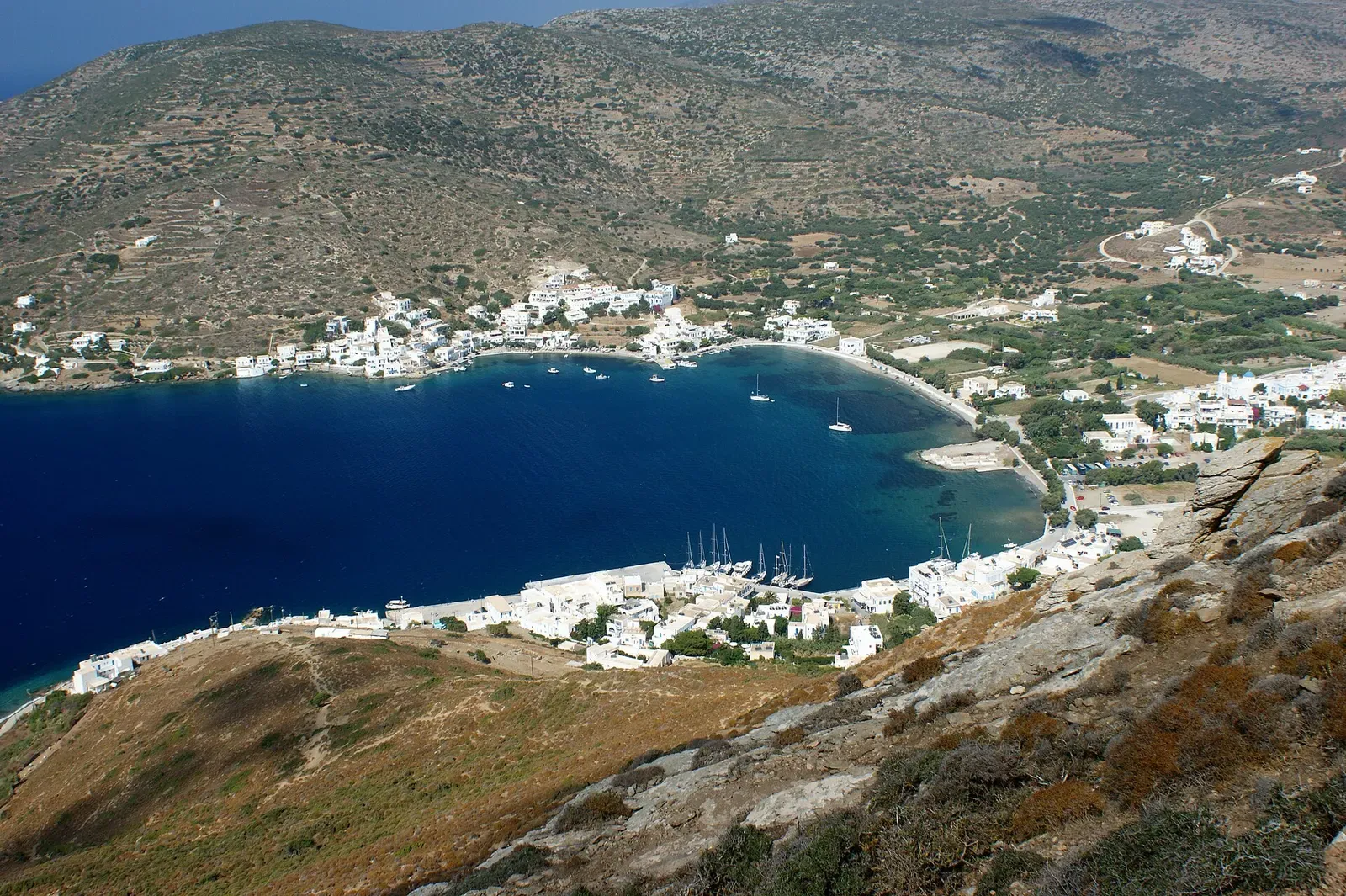
A 40 m wall under the monastery filmed in The Big Blue
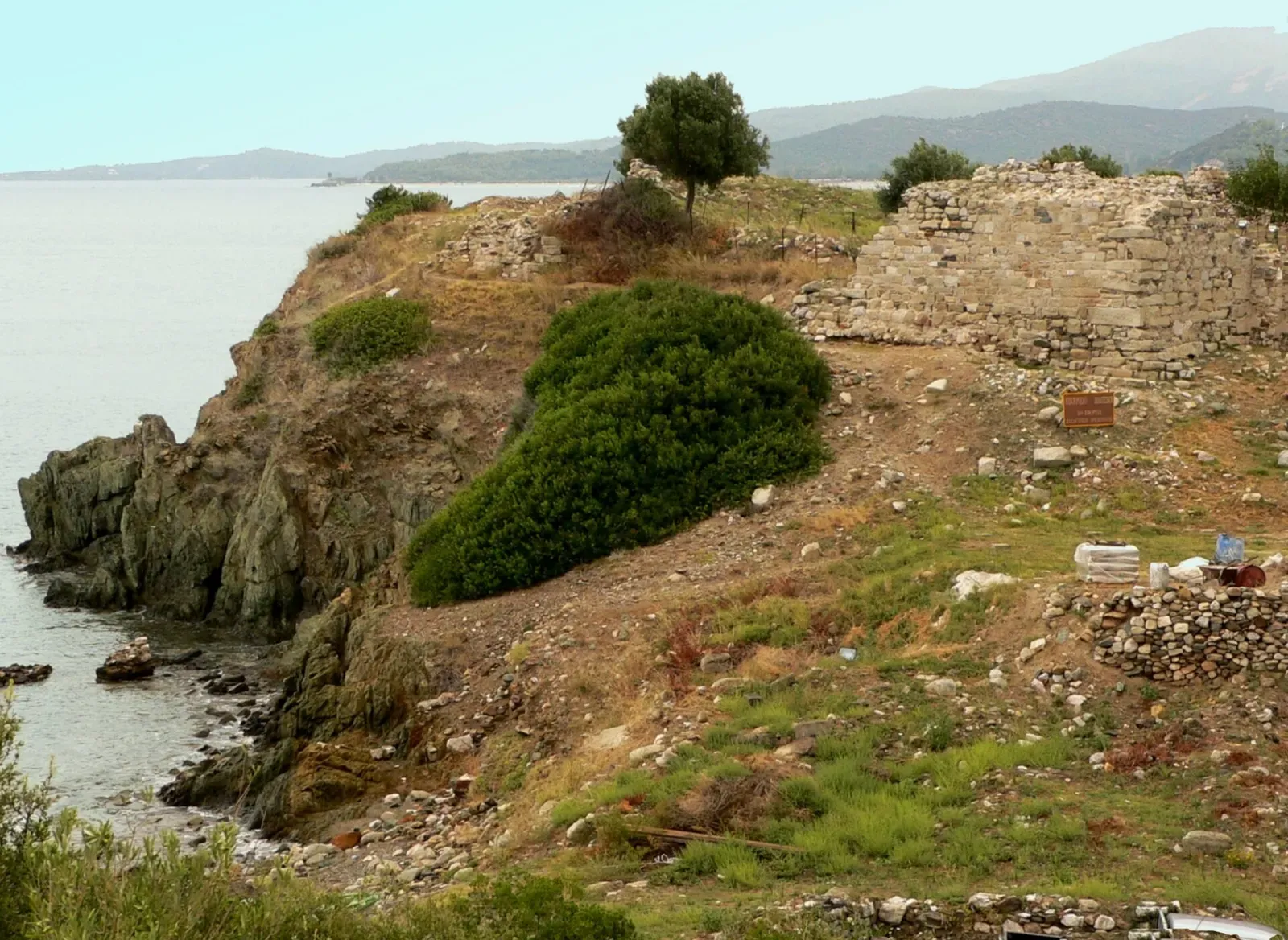
Gorgonian reefs from 24 m down to 90 m, and an all-levels wreck at 4 to 18 m
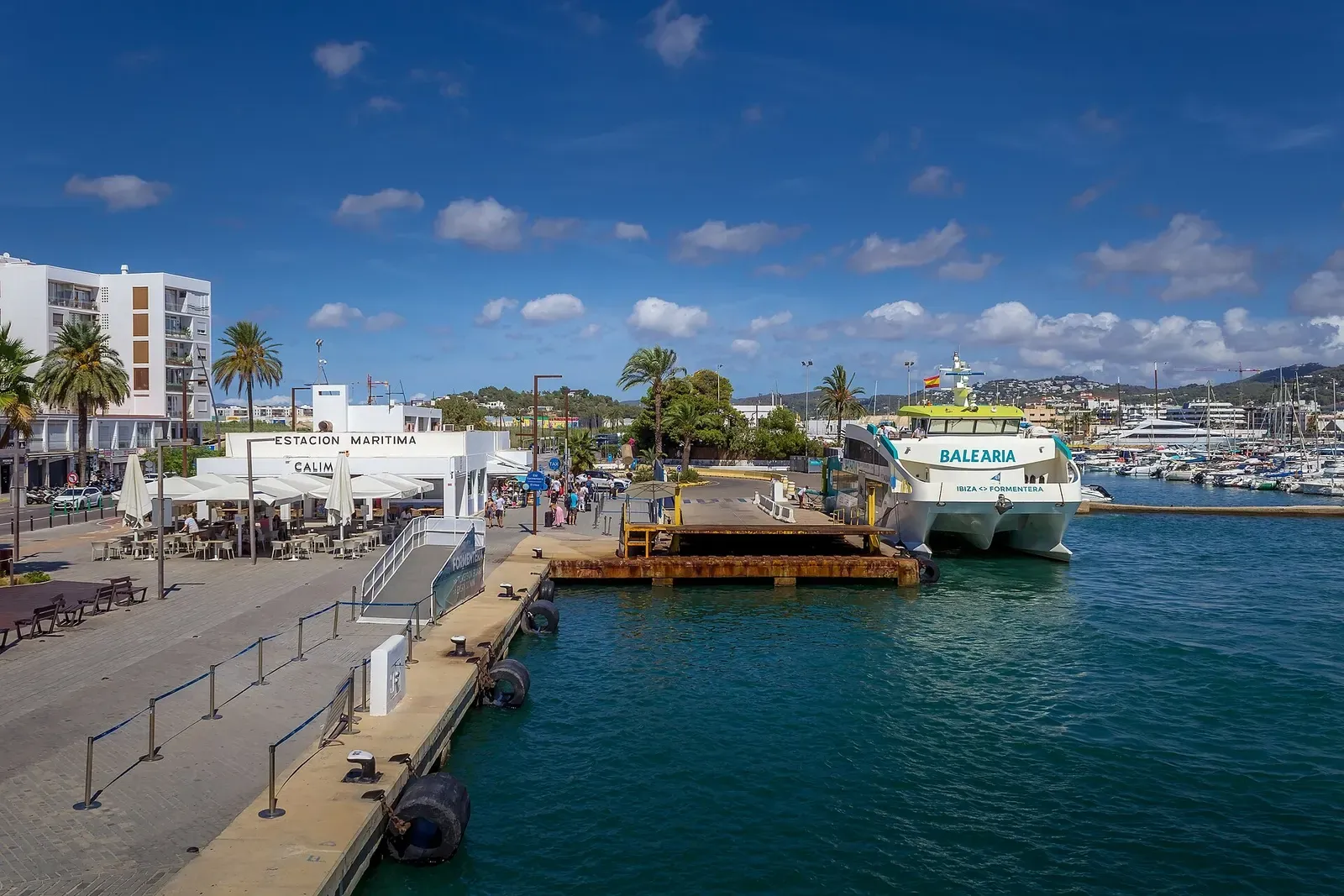
A sunlit limestone cavern, the Don Pedro wreck and the Es Vedrà pinnacles

.JPG)

.JPG)

Granite seamounts rising to the surface off Sardinia's south-east corner