Southeast Asia · Thailand
Koh Chang & Koh Rang
The HTMS Chang wreck and whale sharks from January to April
Koh Chang sits on the eastern coast of the Gulf of Thailand inside Mu Ko Chang National Park, and its diving is done by day boat from Bang Bao pier to the rock pinnacles and small islands to the south and west. Most dives around the Koh Rang islands run between 10 and 15 m over coral and pinnacles such as Hin Luk Bat and Koh Yak. The draw is the HTMS Chang, a 100 m ex-US Navy transport sunk in 2012, where whale sharks turn up between January and April.
About diving in Koh Chang & Koh Rang
A diving day starts at Bang Bao pier on Koh Chang, where the dive boats depart each morning. Most dive sites lie to the south and west of the island, within an hour's boat ride, so the boats reach the Koh Rang islands, the outlying pinnacles and the two navy wrecks. The island and its surrounding water belong to Mu Ko Chang National Park, which covers 650 km² (250 sq mi), 70 percent of it offshore. In the June to October monsoon, trips depend on the weather and fewer companies operate daily.
The terrain is rock pinnacles and small islands with coral around them. Hin Luk Bat is one very large pinnacle, and Hin Kaduang is a pair of pinnacles among the deepest dives here. Off the north coast of Koh Rang, Koh Kra is a gently sloping reef with staghorn gardens and a wide variety of reef fish. The HTMS Chang was sunk by the Thai Navy in November 2012 as an artificial reef and now holds huge schools of barracuda, trevally and snapper, with grouper, squid and octopus among the reef fish that have made the wreck their home.
It suits newly certified divers and students first. Most beginners start in the Koh Rang National Marine Park, where maximum depths are 10-16 m, and warm, calm water and gentle conditions let students focus on the fun rather than fighting currents. Most operators allow snorkellers on the same boat, and the main Koh Rang sites are also very good snorkel sites, so a diver travelling with a family that only snorkels can share the day. Divers who would rather avoid snorkellers can choose a centre that runs small groups of divers only.
Best time to dive Koh Chang & Koh Rang
| Jan | Feb | Mar | Apr | May | Jun | Jul | Aug | Sep | Oct | Nov | Dec |
|---|---|---|---|---|---|---|---|---|---|---|---|
| Prime | Prime | Prime | Prime | Good | Fair | Fair | Fair | Fair | Fair | Good | Prime |
Boats run all year from Bang Bao. Conditions are best from November to May, when the seas are calm, and visibility is usually best from November to April, though southwest storms usually arrive towards the end of October and may last several weeks. Between January and April whale sharks are most likely, usually around the HTMS Chang. Between June and October the monsoon brings wind, waves and lower visibility, especially around Koh Rang. The water holds at 28-30°C through the year.
Dive types & marine life
Whale sharks are a matter of luck rather than routine: sightings are most likely between January and April, usually around the HTMS Chang. Turtles are relatively common at Hin Kaduang, where reef sharks are occasionally seen.
- Wreck
- Coral garden
- Whale sharks
- Barracuda
- Trevally & jacks
- Groupers
- Sea turtles
- Squid
- Octopus & cuttlefish
- Reef fish swarms
Best dive sites in Koh Chang & Koh Rang
- 1
HTMS Chang
Wreck lying in 30 m of water, with the captain's cabin and mast at around 12 m.
- 2
Hin Kaduang
Deep pinnacle dive to almost 30 m with a wide variety of hard and soft corals.
- 3
Hin Luk Bat
Pinnacle where dives average about 15 m, reaching 25 m (80 ft) at the deepest point.
- 4
Koh Kra
Shallow staghorn reef suited to new divers, where rays are often seen on the seafloor.
- 5
T11 wreck
Former USS PGM-71, a 30 m hull in 16 m of water and a good first wreck dive.
- 6
Koh Yak
Small rocky island with anemones and clownfish over a sea floor less than 10 m down.
Site guides
Pinnacle
A coral-capped pinnacle top only about 3 m below the surface
Pinnacle
A rock pile off Koh Rang that almost breaks the surface
Pinnacle
A cluster of coral-covered rock pinnacles, among Koh Chang's main dives
Pinnacle
Staghorn coral and swarms of small reef fish on a shallow rock
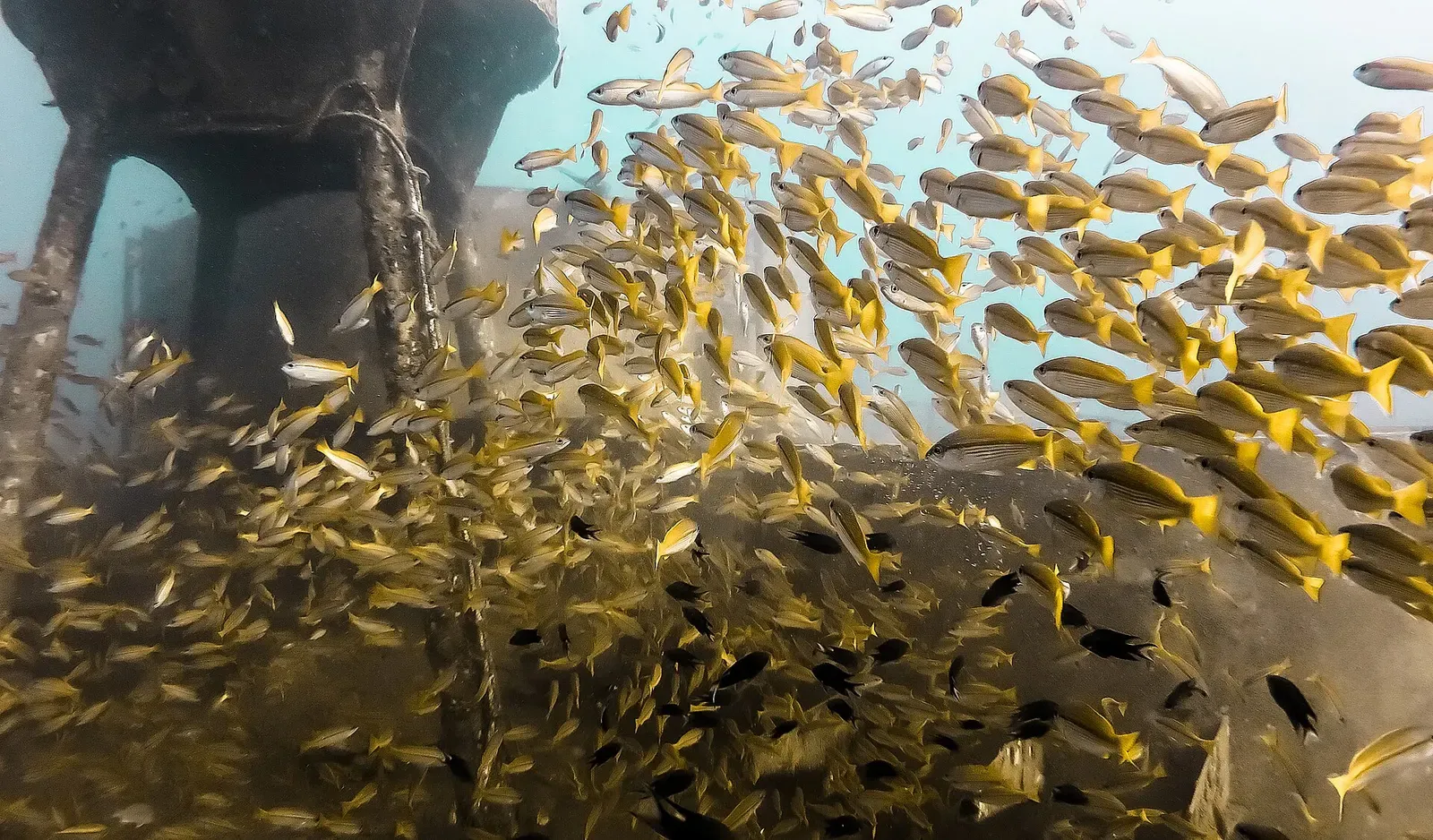
Whale sharks around the hull between January and April
Pinnacle
A small pinnacle beside Blueberry Hill and Hin Rap
Reef
Turtles and stingrays over shallow hard coral
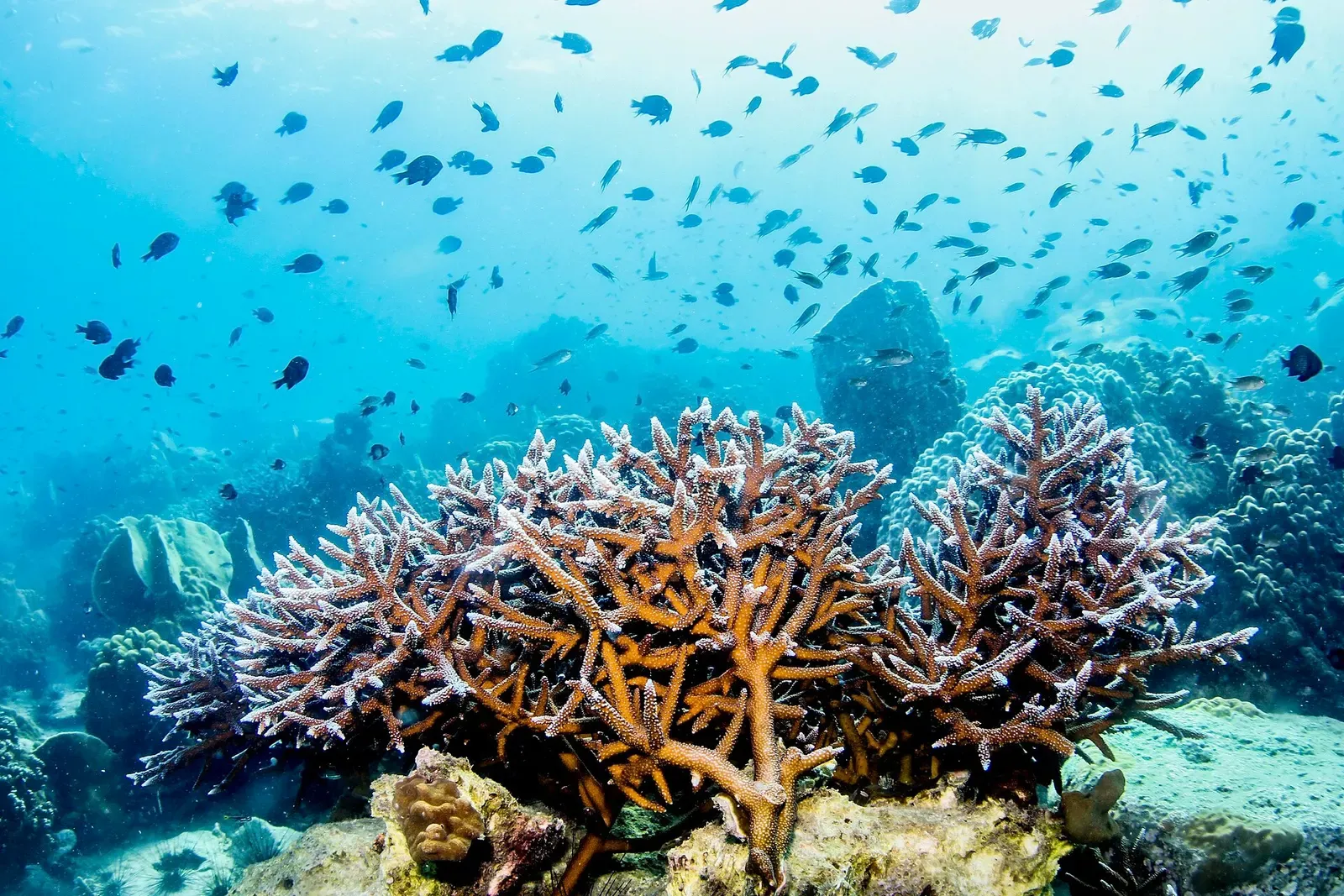
Three rock pinnacles rising together from the seabed
How to get to Koh Chang & Koh Rang
Bangkok Airways flies three times a day from Bangkok's Suvarnabhumi Airport to Trat Airport, and door-to-door minibus transfers from Trat include the ferry crossing to Koh Chang. Most dive centres are based at Bang Bao, and several have booking offices on the west coast beaches.
Questions divers ask
What certification is needed to dive the HTMS Chang?+
Advanced Open Water. The deck sits around 25 m, deeper than the 10-16 m Koh Rang sites where most beginners and students dive.
When is the best time to see whale sharks at Koh Chang?+
Between January and April, usually around the HTMS Chang wreck. They are a lucky sighting rather than a reliable one, so a trip built only around them can miss.
Can Koh Chang be dived in the monsoon?+
Diving runs year-round, but from June to October the monsoon brings wind, waves and lower visibility, especially around Koh Rang. November to May is calmer, and storms at the end of October can last several weeks.
How do divers get to Koh Chang?+
Bangkok Airways flies from Suvarnabhumi to Trat Airport, and minibus transfers from Trat include the ferry to the island. The dive boats leave from Bang Bao pier.
Sources
- Scuba Diving on Koh Chang — iamkohchang.com
- Hin Luk Bat — Private Scuba
- Ko Chang — Wikipedia
- Ko Chang — Wikivoyage
- Koh Chang Divers — Koh Chang Divers
- BB Divers — BB Divers
Embed
Run a dive centre, club or blog? Embed this map of 12 dive sites near Koh Chang on your own page.
Similar destinations
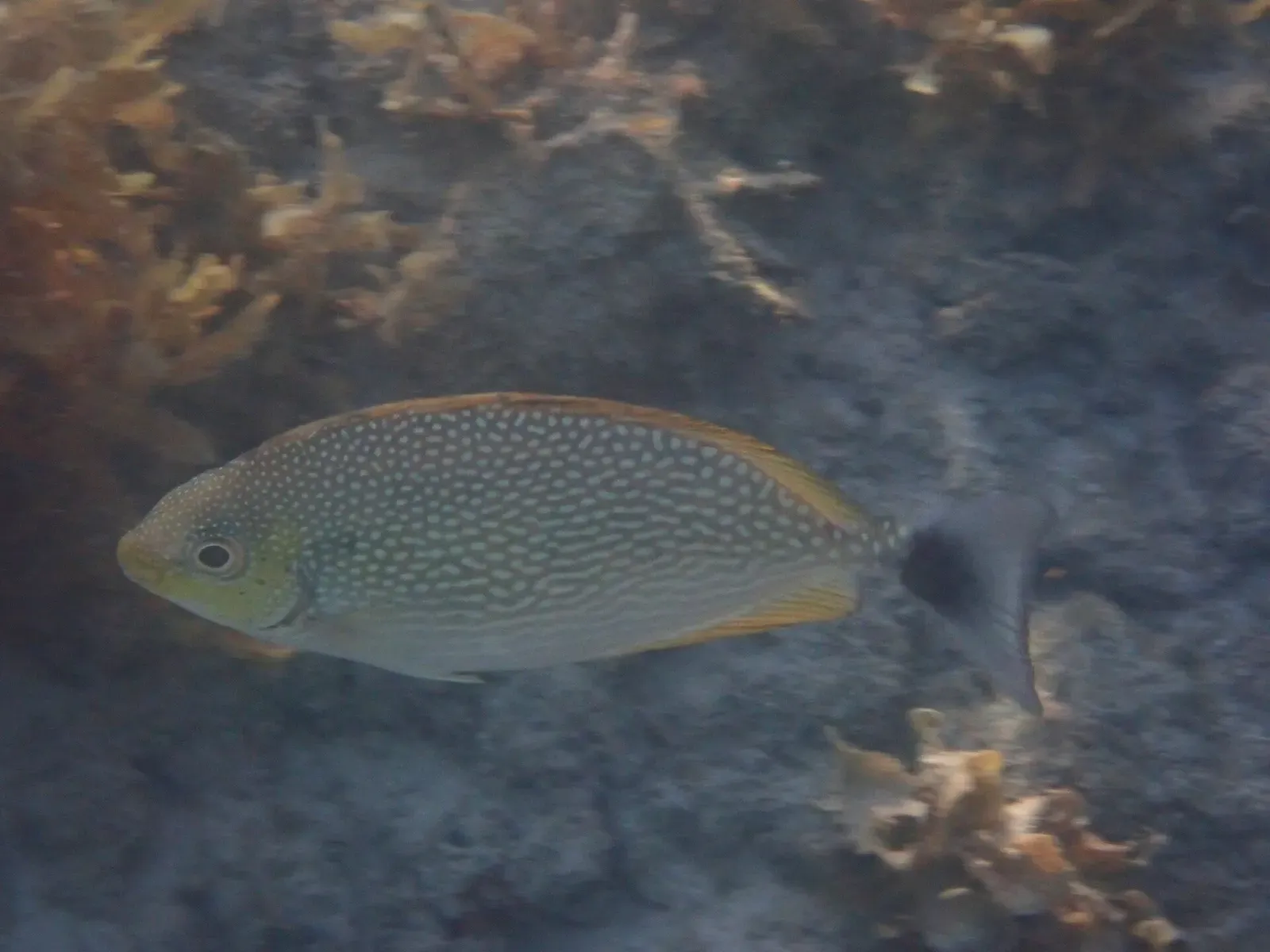
Fringing reefs and small islands within 45 minutes of the boat pier
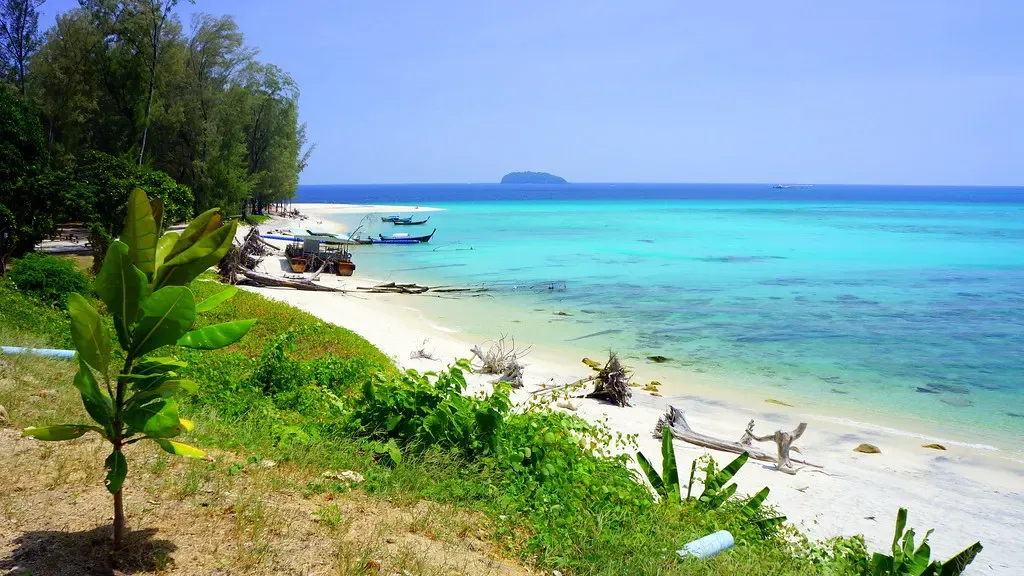
Granite pinnacles and intact park reefs off Thailand's far-southern border

Turtle-nesting beaches and a shallow wreck on Malaysia's calm northeast coast

One of Vietnam's last dugong refuges with protected turtle nesting beaches