Southeast Asia · Thailand
Koh Kood & Koh Mak
Fringing reefs and small islands within 45 minutes of the boat pier
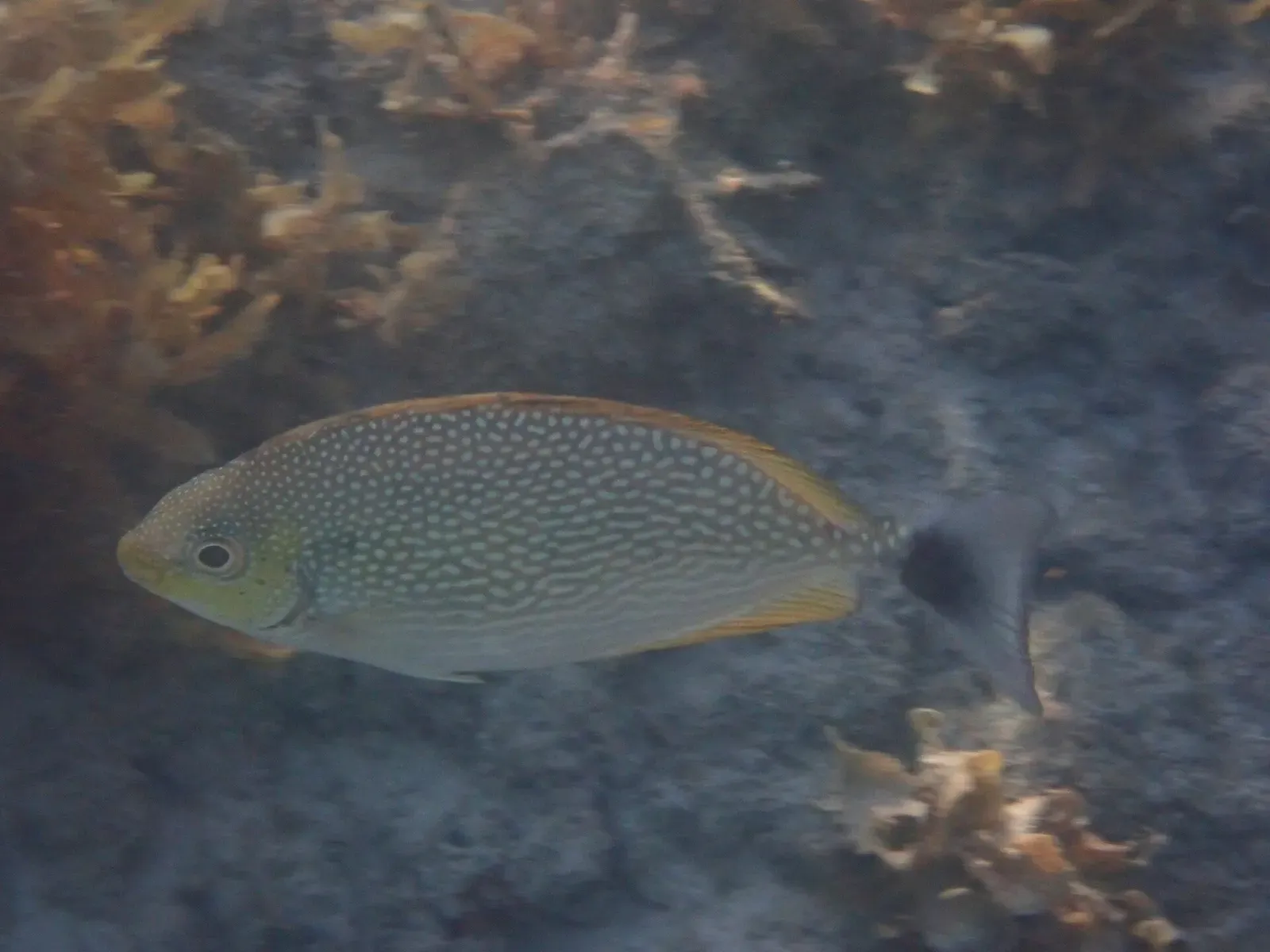
Photo: wingwatcher48 · CC0
Koh Kood (Ko Kut) and its neighbour Koh Mak sit in the eastern Gulf of Thailand, and each island runs its own dive boats. Around Koh Kood, rock pinnacles and fringing reefs such as Hin Loy, Hin Yedhi and the islet of Koh Raet lie within 45 minutes of the pier, and the same boats cross to the Koh Rang marine park and the HTMS Chang wreck. Short rides, mild currents and sheltered bays make it an easy place to learn.
About diving in Koh Kood & Koh Mak
Diving from Koh Kood is done by day boat to fringing reefs and small islands 45 minutes or less from the pier, plus a shore dive at Ao Yai in the south-east. Longer days cross west to Koh Rang, where fishing is restricted and moorings are marked, though the park gets busy with boats from Koh Chang and Koh Mak. The HTMS Chang wreck is a good 100 minutes away. On Koh Mak, a family-run dive shop runs daily trips into the Koh Chang National Marine Park.
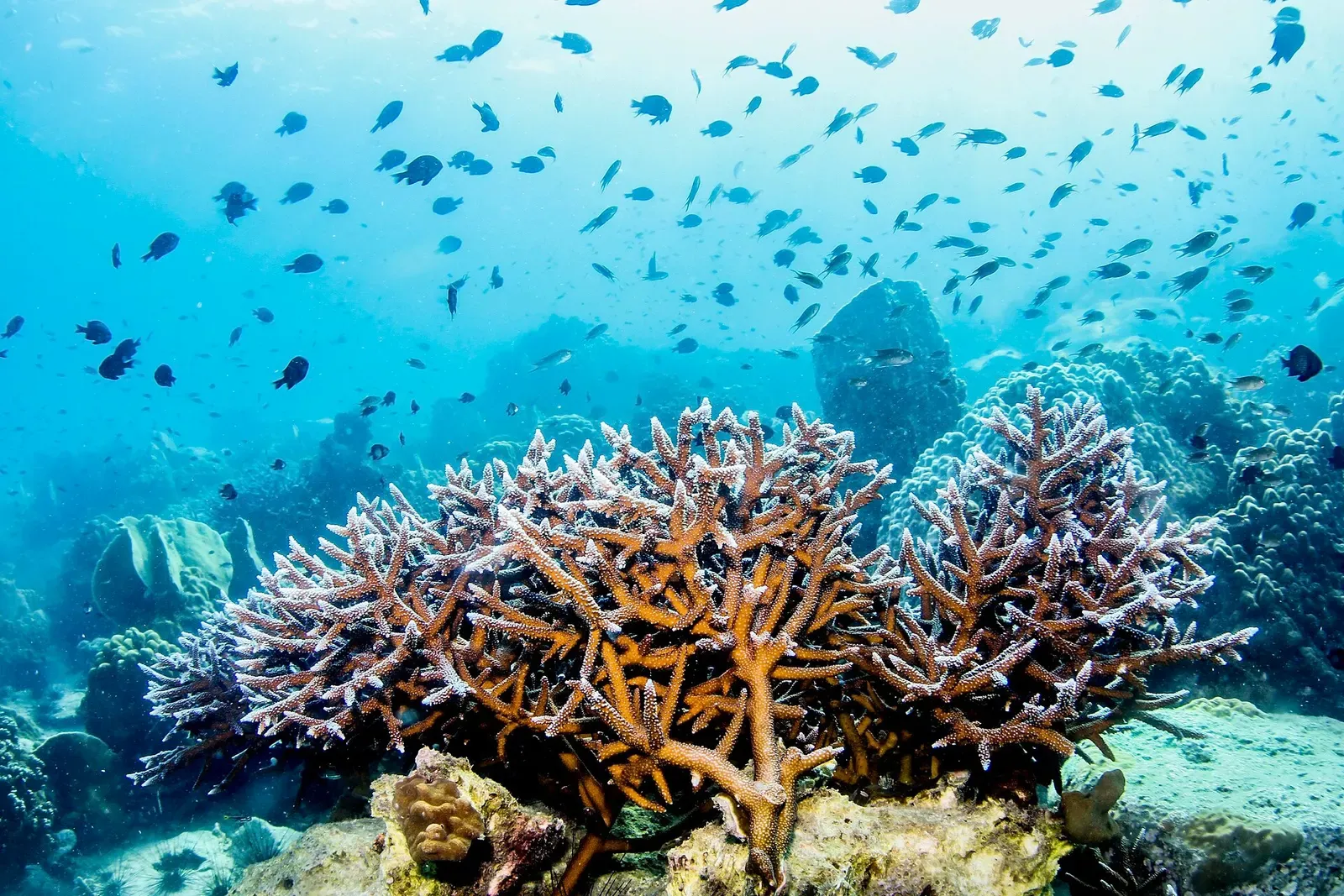
Underwater the island is a string of rock pinnacles and fringing reefs between 10 and 20 metres. Hard and soft coral and barrel sponges cover every reef, with clownfish, angelfish, butterflyfish, moray eels and nudibranchs common, and rays, barracuda and seahorses living on them. Koh Rang holds the big schools, and its coral is healthier and its water clearer than almost anywhere else in the eastern Gulf. The HTMS Chang is a hundred metres of steel upright on the sand at 30 metres, the top of the wheelhouse at about 12, with barracuda, snappers, batfish and grouper moved in.
The reefs suit every level. Off the main beaches such as Bang Bao Beach the water is shallow with only weak currents, which makes the island a calm place to learn, and beach dives are used as needed during courses. Koh Rang's handful of reefs offshore from the main island are all easy to navigate, the next step once a diver is comfortable with the island reefs.
Best time to dive Koh Kood & Koh Mak
| Jan | Feb | Mar | Apr | May | Jun | Jul | Aug | Sep | Oct | Nov | Dec |
|---|---|---|---|---|---|---|---|---|---|---|---|
| Prime | Prime | Prime | Prime | Good | Fair | Fair | Fair | Fair | Good | Prime | Prime |
Mid-October to May is the dry season, with calm seas and the clearest water of the year; average visibility is around 15-20 m and can pass 30 m. The rainy season runs from May to September, when about 40% of the resorts stay open, services are limited and diving is not always possible. From June to mid-October showers come most days, often in the afternoon, and the boats go out whenever the sea allows, while the sheltered east coast allows diving all year. July to September is the low point, with choppy seas and visibility down to 5 m.
Best months: January, February, March, April, November, December
Dive types & marine life
Turtles pass through the Koh Kood reefs only now and then, and sharks are very rare. Whale sharks cross the Koh Rang park in the right season, a chance rather than a plan. Harlequin sweetlips and humphead parrotfish turn up at the southern end of Koh Raet.
- Reef
- Coral garden
- Cave & cavern
- Wreck
- Barracuda
- Sea turtles
- Nudibranchs
- Groupers
- Reef fish swarms
- Whale sharks
Best dive sites in Koh Kood & Koh Mak
- 1
Hin Loy
Rock pinnacle off Ao Takian with caves and swim-throughs, dived to 16 m.
- 2
Koh Raet
Uninhabited islet with a 4-8 m beginner end in the north and a south end that drops to 14 m.
- 3
Ao Tum
Drop dive onto a large coral garden, joined to Hin Yedhi off Ngamkho Beach.
- 4
Hin Yedhi
Dive site off Ngamkho Beach running from 4 m down to 14 m.
- 5
Klong Hin Reef
Also called Anemone Bay, in the next bay round from Hin Loy, with two sites at 12 m.
- 6
Hin Ao Salad
Rock pinnacle in the bay of an east-coast fishing village, with dives to 14 m.
Site guides
Pinnacle
The rock pinnacle off an east-coast fishing village
Pinnacle
Turtles, barracuda and cobia around fan corals
Pinnacle
Caves and swim-throughs in a rock pinnacle off Ao Takian
Reef
Connected to the large Ao Tum coral garden off Ngamkho Beach
Reef
Two shallow reef sites in one bay, also called Anemone Bay
A small sand-ringed island a stone's throw from Koh Rang
Reef
Harlequin sweetlips and humphead parrotfish at the southern end
How to get to Koh Kood & Koh Mak
Speedboats leave Laem Sok pier on the mainland near Trat every day, one service calling at Ao Nid, Koh Mak's largest pier, before continuing to Koh Kood; the direct Koh Kood speedboats do not run in the low season. Koh Kood has three dive shops, and Koh Mak a family-run one.
Photos from Koh Kood & Koh Mak
Waranya Mooldee anyadiary · CC0
Questions divers ask
Is there a park fee for diving Koh Rang from Koh Kood?+
Yes. Foreign divers pay 400 baht per person at Koh Rang and children 200 baht.
What certification does the HTMS Chang wreck need?+
Open Water divers dive its upper part with a guide; Advanced divers go down to the sand at 30 m. Wreck dives cost more than reef dives because the wreck is further away.
What wetsuit is needed around Koh Kood?+
The water stays at 28 to 30 °C all year, so a shorty wetsuit is enough.
Sources
- Koh Kood dive sites: the reefs, Koh Rang marine park and the HTMS Chang wreck — Koh Kood Divers
- Koh Kood Diving - Guide to Companies, Sites, Prices — Explore Koh Chang
- Ko Kut — Wikivoyage
- Ko Mak — Wikivoyage
- Koh Mak Divers — Koh Mak Divers
Photo credits
- A single grey-green fish covered in pale spots and squiggles swims over a rocky bottom with tufts of brown algae. by wingwatcher48, CC0, via Wikimedia Commons
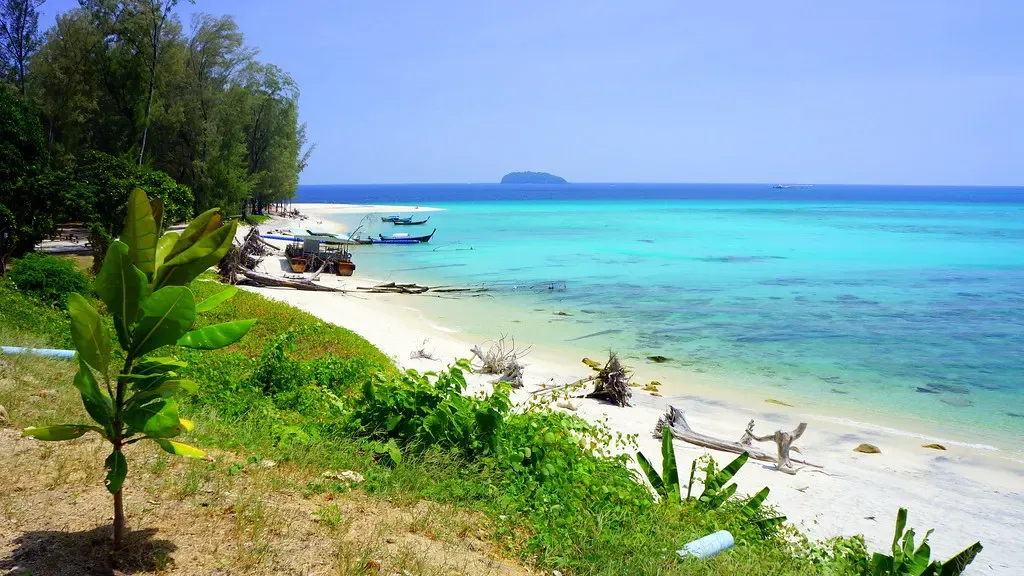
- Clear, shallow turquoise water over a sandy bottom, with a low forested headland on the horizon under a blue sky. by Waranya Mooldee anyadiary, CC0, via Wikimedia Commons
Embed
Run a dive centre, club or blog? Embed this map of 12 dive sites near Koh Kood & Koh Mak on your own page.
Similar destinations
Southeast Asia
Koh Chang & Koh Rang
Thailand
The HTMS Chang wreck and whale sharks from January to April
Granite pinnacles and intact park reefs off Thailand's far-southern border


.jpg)
Turtle-nesting beaches and a shallow wreck on Malaysia's calm northeast coast
Southeast Asia
Tenggol Island
Malaysia
Current-swept rock and drifts, with whale sharks from August to October