Atlantic · Spain
La Palma
Lava arches, tunnels and a black-coral tower wall from 5 m to about 40 m
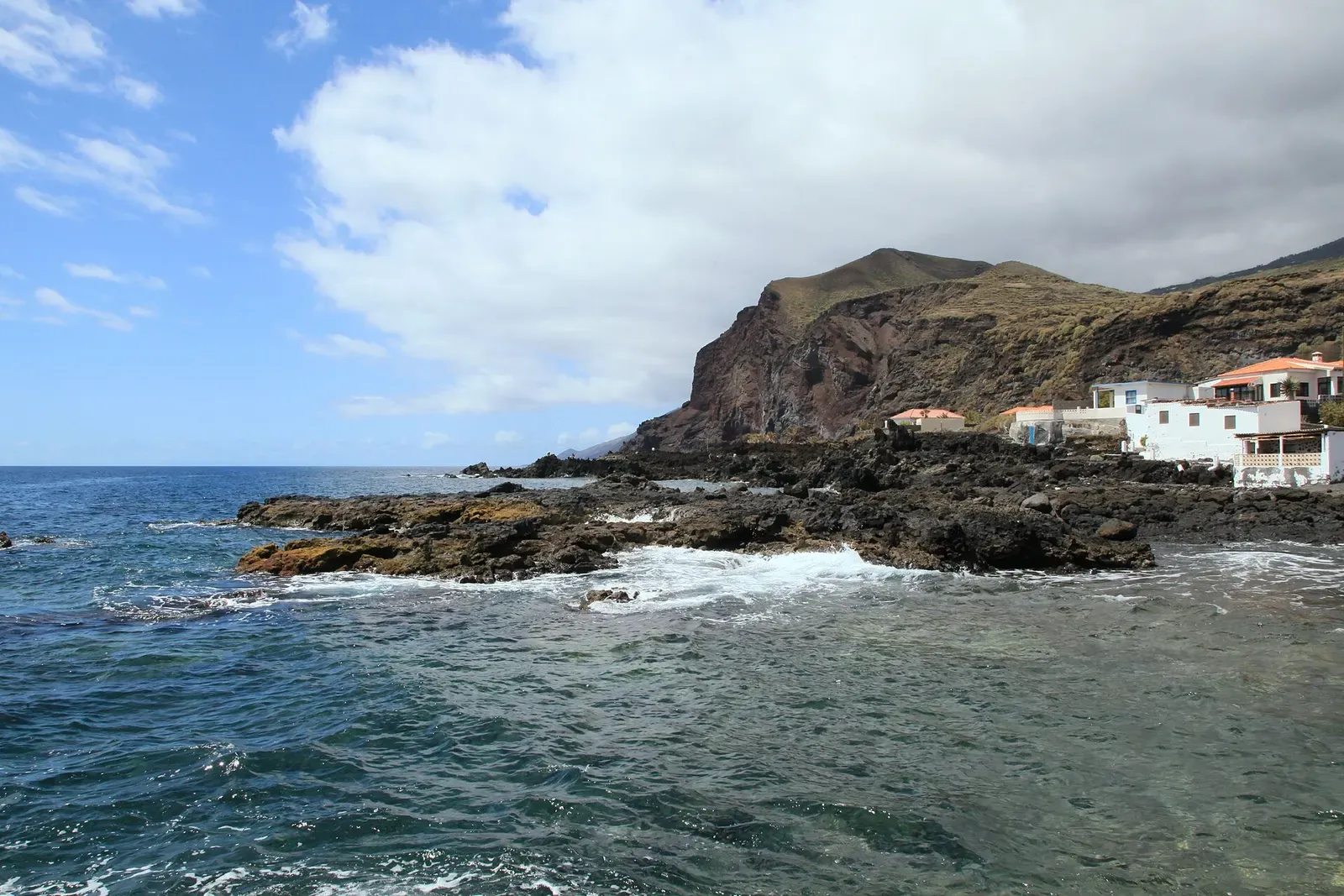
Photo: Frank Vincentz · CC BY-SA 3.0
La Palma dives young lava: arches, tunnels, walls and black rock from 5 m down to about 40 m. Los Arcos threads more than ten arches through 5 to 10 m, the Torre de Malpique wall carries a black-coral tower the local centres keep for experienced divers, and the wing of a Cessna sits at nearly 30 m. Water clears to 30 m visibility, and the south-west coast lies inside a marine reserve declared in 2001 where the number of dives and boat transits is capped.
About diving in La Palma
Diving here is split across three coasts, and a car is part of the plan. Los Cancajos on the east side is the base of the island's PADI centre, which lists a west-coast base at Puerto Naos as reopening, and a family SSI centre works the Fuencaliente coast at the southern tip, five to fifteen minutes from the sites it rates highest. Most of it is shore diving, kitting up at the beach and walking in, using the steepness of the island to reach shallow and very deep ground from the same entry, as at Puerto Naos - Playa Chica. Charco Verde is one of the few sites clearly more comfortable by boat, and remote entries such as El Puertito and El Aljibe need a 4x4 over lava fields.
The seabed is volcano, and recently so: the 2021 Cumbre Vieja eruption ran 85 days, the longest and most damaging known on the island, and the marine reserve is now noted for a seabed that eruption transformed. Los Arcos runs a route of more than ten arches between 5 and 10 m, Cueva de la Capilla leads about 70 m into the dark to a surfacing chamber the centres compare to a church, and Playa La Salemera is a lava field with sand patches dropping to roughly 40 m. What grows on the black rock is the colour: red gorgonian fields with black coral below them, violet algae and yellow verongia sponges at La Lava, and a garden-eel field past the lava labyrinth at Mordor.
It suits divers who are content to drive to their diving and to read terrain rather than count big animals, and who want both shallow arch swim-throughs and a wall the local centres reserve for experienced divers. Entries at exposed headlands such as Punta de los Molinos are awkward and can carry strong current, and part of the south-west coast sits inside a capped marine reserve. The catch is that La Palma is not one compact base: the east, west and south hubs face different sides of the island, so a week means either moving or driving daily. Divers who want everything within walking distance of one harbour are better served by El Hierro, where the whole operation runs out of La Restinga.
When to dive La Palma
| Jan | Feb | Mar | Apr | May | Jun | Jul | Aug | Sep | Oct | Nov | Dec |
|---|---|---|---|---|---|---|---|---|---|---|---|
| Good | Good | Good | Good | Good | Good | Good | Good | Prime | Prime | Prime | Good |
Diving runs year round; the south-coast centre rates September to November best, when the trade winds ease and the water is warmest. Dives and boat transits inside the marine reserve are capped.
Dive types & marine life
The draw is what grows on the lava more than what swims over it: red gorgonian fields with black coral below them, and violet algae and yellow verongia sponges on young rock at La Lava. Garden eels hold a sand field at Mordor, stingrays and eagle rays work the rock and sand, and octopus and cuttlefish have colonised the flows left by the 2021 eruption. The reserve protects the slipper lobster.
- Reef
- Wall
- Cave & cavern
- Wreck
- Night
- Stingrays
- Eagle rays
- Octopus & cuttlefish
- Macro critters
Notable dive sites in La Palma
Cave & cavern
Lava arches at 14 to 18 m on the edge of the marine reserve
Pinnacle
Three offshore rocks, two tunnels through the biggest
Wreck
A Cessna wing at nearly 30 m, colonised as a miniature reef
Cave & cavern
Two lava cathedrals and a run of arches, all inside 12 m
Cave & cavern
More than ten lava arches strung between 5 and 10 m
Rows of crosses on the sand at 15 m, set here in 1999
Two entries 350 m apart: arches inshore, lava tongues to 40 m
A wall from 10 m to past 40 m, straight off the beach
Pinnacle
A 20 m black-coral tower rising from 50 m off the Fuencaliente lighthouse
Cueva de la Capilla
Lava tunnel running about 70 m into the dark to a chamber large enough to surface in.
Sol La Palma House Reef
Underwater hill off Puerto Naos beach, known locally as El Hotel; one of the most biodiverse dives.
Getting there
La Palma Airport sits 8 km south of Santa Cruz de La Palma, minutes from the Los Cancajos dive hub, with inter-island hops to Tenerife and Gran Canaria plus mainland Spanish, German, UK, Dutch and Scandinavian routes. Centres sit on the coast at Los Cancajos, Tazacorte and Puerto Naos, with another on the Fuencaliente coast in the south; crossing between them is a drive across the island.
Photo credits
- Waves break over black volcanic rocks below cliffs on La Palma's rugged south coast by Frank Vincentz, CC BY-SA 3.0, via Wikimedia Commons
In The Logbook
- Where to dive, month by monthTrip planning · 13 min read
Similar destinations
A 1.5 km volcanic reef stepping from 7 m to past 40 m off Caleta de Fuste
Atlantic
Tenerife
Spain
Black sand and lava arches metres from shore, with resident pilot whales

Around three hundred charted wrecks, most of them shallower than 20 m


Lava arches, canyons and tunnels reachable from a rocky beach entry