Tenerife's south coast drops steeply into deep Atlantic water within metres of shore, so the diving is volcanic: black sand, lava tubes, arches and boulder fields, with two small wrecks sitting on sand within recreational depth. Stingrays and angel sharks lie half-buried on the flats, and the resident pilot whale population off the Teno-Rasca coast is one of the few in the world present year-round, though they are watched from boats rather than dived with.
About diving in Tenerife
The south coast is the working coast. Centres cluster between Las Galletas, Los Cristianos and the resorts either side, and a normal morning is two dives — a boat hop of a few minutes, or a van ride to a rocky entry and a walk in with a guide timing the sets. Operations run in every month of the year and a large share of the business is training, so schedules are built around courses as much as around fun dives, and the site is picked for what the swell is doing that day.
Growth is the thing to adjust to. Sponge, anemone and turf algae encrust the rock instead of coral, so the colour comes from the fish rather than from the reef. Sites sort into three types: dark sand flats where the interest is camouflaged and slow to find, rock structure you swim through and along, and small wrecks that concentrate fish on otherwise open ground. On the flats everything is the colour of the ground, and a guide earns the fee by spotting what you would otherwise fin straight over.
Two things make it worth choosing. One is shore diving: a handful of east-coast entries let you walk in without a boat schedule, which makes second dives, night dives and long macro hunts cheap and easy to repeat. The other is winter. While much of northern Europe is out of the water, the south coast keeps working, temperatures hold in the high teens, and angelsharks — the Canaries are the last stronghold of a critically endangered species — are reported far more often on the sand in the cooler months than in high summer.
It suits new divers, people taking courses, and anyone who enjoys hunting small things on sand: octopus, cuttlefish, nudibranchs and rays repay a slow, low-mileage style. Families and mixed groups do well, since one site often serves a first dive and a photographer's hour. Kit and tuition are inexpensive by western European standards, and a week of diving fits around a family holiday. Divers after schooling pelagics, coral reef or warm water will be disappointed.
Best time to dive Tenerife
| Jan | Feb | Mar | Apr | May | Jun | Jul | Aug | Sep | Oct | Nov | Dec | |
|---|---|---|---|---|---|---|---|---|---|---|---|---|
| Season | Good | Good | Good | Good | Good | Prime | Prime | Prime | Prime | Prime | Good | Good |
| Sea surface | 20°C68°F | 20°C68°F | 19°C66°F | 20°C68°F | 21°C70°F | 22°C72°F | 22°C72°F | 23°C73°F | 24°C75°F | 24°C75°F | 23°C73°F | 21°C70°F |
| Daytime high | 22°C72°F | 21°C70°F | 22°C72°F | 23°C73°F | 24°C75°F | 25°C77°F | 27°C81°F | 27°C81°F | 27°C81°F | 27°C81°F | 25°C77°F | 23°C73°F |
| Rain | 12 mm0.5 in | 12 mm0.5 in | 12 mm0.5 in | 7 mm0.3 in | 4 mm0.2 in | 3 mm0.1 in | 1 mm0.0 in | 2 mm0.1 in | 7 mm0.3 in | 19 mm0.7 in | 22 mm0.9 in | 24 mm0.9 in |
| Jan | Feb | Mar | Apr | May | Jun |
|---|---|---|---|---|---|
| Good | Good | Good | Good | Good | Prime |
| Sea surface | |||||
| 20°C68°F | 20°C68°F | 19°C66°F | 20°C68°F | 21°C70°F | 22°C72°F |
| Daytime high | |||||
| 22°C72°F | 21°C70°F | 22°C72°F | 23°C73°F | 24°C75°F | 25°C77°F |
| Rain | |||||
| 12 mm0.5 in | 12 mm0.5 in | 12 mm0.5 in | 7 mm0.3 in | 4 mm0.2 in | 3 mm0.1 in |
| Jul | Aug | Sep | Oct | Nov | Dec |
|---|---|---|---|---|---|
| Prime | Prime | Prime | Prime | Good | Good |
| Sea surface | |||||
| 22°C72°F | 23°C73°F | 24°C75°F | 24°C75°F | 23°C73°F | 21°C70°F |
| Daytime high | |||||
| 27°C81°F | 27°C81°F | 27°C81°F | 27°C81°F | 25°C77°F | 23°C73°F |
| Rain | |||||
| 1 mm0.0 in | 2 mm0.1 in | 7 mm0.3 in | 19 mm0.7 in | 22 mm0.9 in | 24 mm0.9 in |
2011–2025 averages. Sea surface: NOAA Coral Reef Watch, measured at the surface, so deeper water can run colder. Daytime high and rain: NASA POWER.
Divable all year in 18–25°C water; Jun–Oct is warmest and calmest, and winter swell mainly affects the north coast.
Best months: June, July, August, September, October
Tenerife water temperature and weather by month
The sea surface runs from 19 °C (66 °F) in March to 24 °C (75 °F) in September. It is 24 °C (75 °F) or warmer from September and October. Rain is scarce: about 130 mm (5.1 in) falls in a typical year. Daytime highs reach 27 °C (81 °F) in August and drop to 21 °C (70 °F) in February. The coldest water here is about 18 °C (64 °F), so pack a 5 mm suit.
Dive types & marine life
Stingrays are the constant, half-buried on the dark sand, with octopus, cuttlefish and nudibranchs about year-round and enough small life on the volcanic rubble to fill a macro dive. Barracuda and shoals of small fish build over the wrecks through the June-to-October prime stretch, and green turtles are regular at a few sheltered spots without ever being a given.
- Reef
- Wreck
- Wall
- Cave & cavern
- Muck & macro
- Night
- Stingrays
- Octopus & cuttlefish
- Whales
- Macro critters
- Nudibranchs
- Reef fish swarms
- Sea turtles
- Barracuda
Best dive sites in Tenerife
Reef
Hexagonal basalt columns between 16 and 30 m
Reef
Rocky ground at 30 m, current, and tuna on occasion
Cave & cavern
A 12 m cavern with two halls and a light hole in the ceiling
Cave & cavern
A cavern entrance at 49 m below a barracuda-covered cliff
Pinnacle
A pinnacle from 13 to 45 m with at least two routes on it
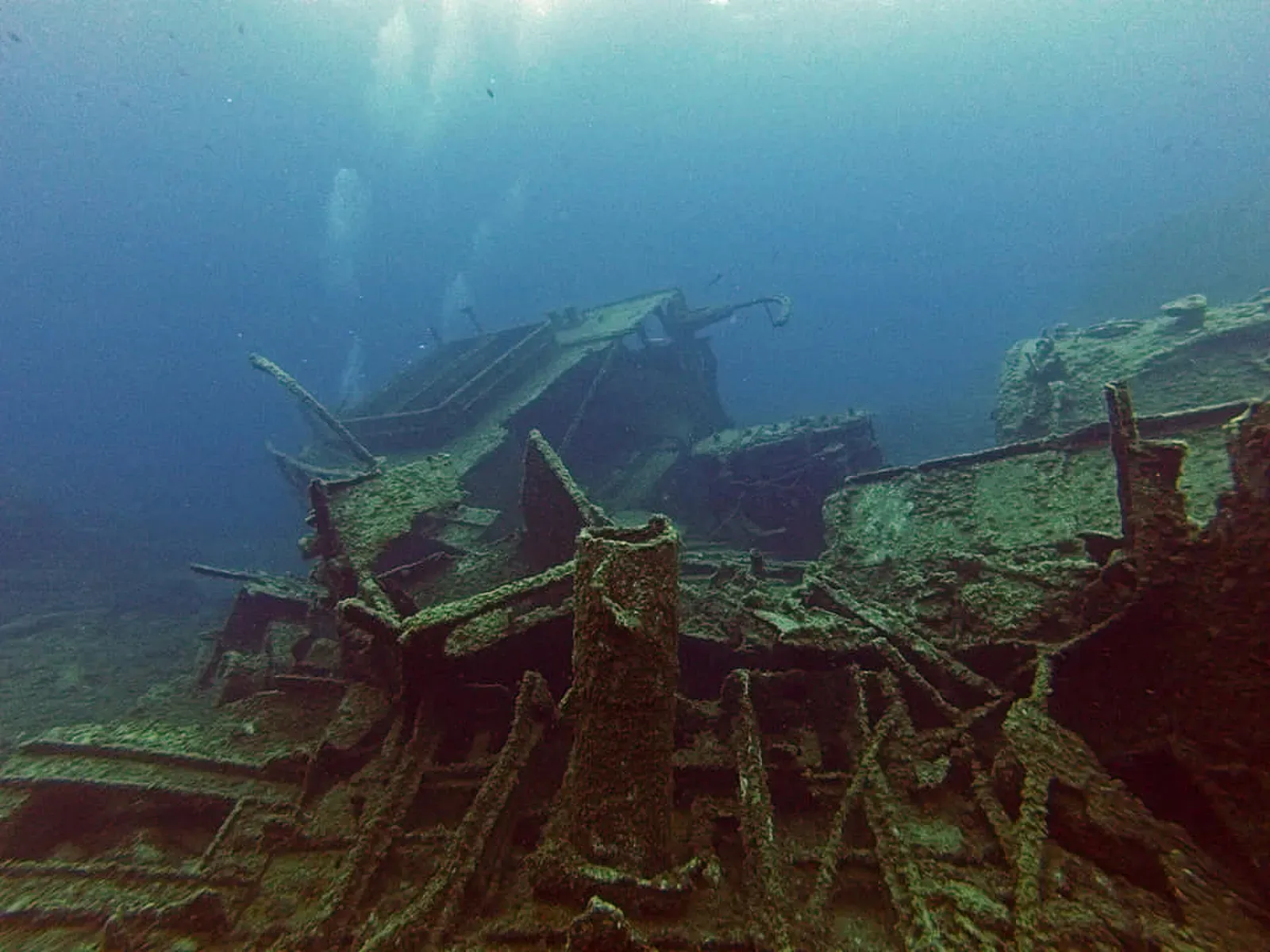
A cement-laden cargo ship broken among basalt columns, 6 m to 21 m
Two shallow terraces ending at a pair of mushroom-shaped rock heads
Wall
An arch at 38 to 45 m on a ledge that falls to 60
Wall
A V-shaped platform at 25 m with a drop-off to 40
Sand slope
Divers' memorials on a sand slope at 25 metres
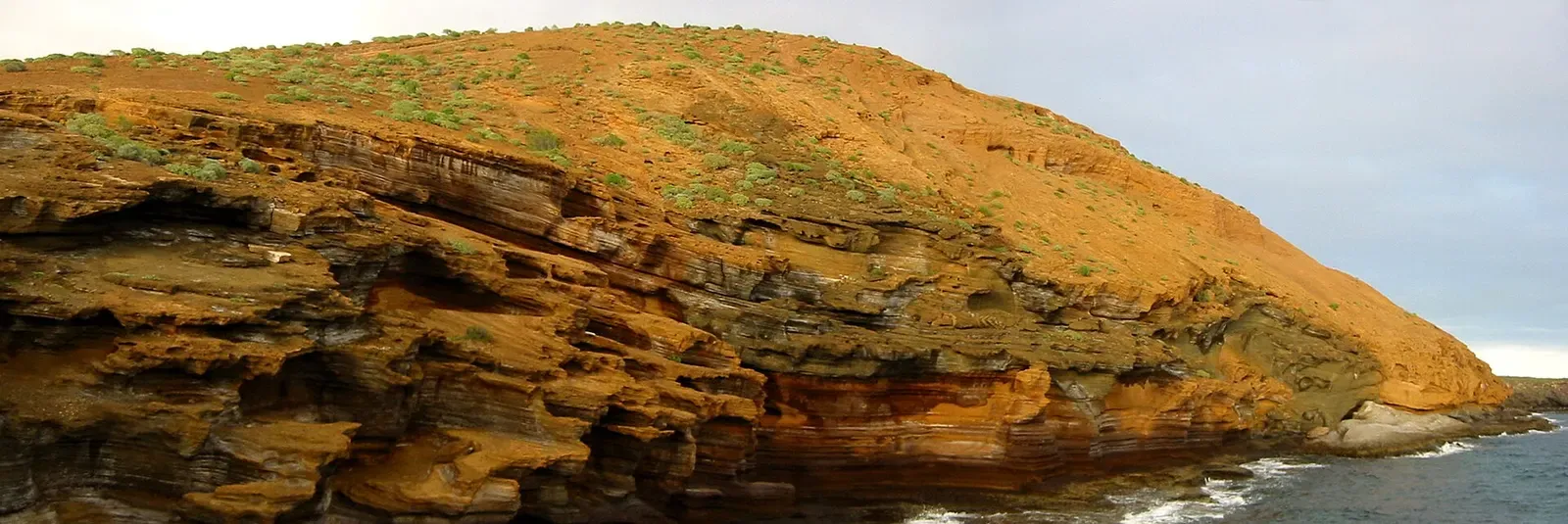
PADI's submerged lunar landscape, reef and wall to 18 m
Wreck
Five resident stingrays around a small wooden wreck
Sand slope
Walk-in entry with the bottom past 40 m a short swim out
Wreck
Two purpose-sunk hulls on open sand at 20 metres
El Meridian
Small fishing vessel sunk upright on sand at 18 m, thick with fish.
Tabaiba
Shore dive over a lava slope with a submerged Virgin statue at 18 m.
How to get to Tenerife
Almost all the diving is in the south, so fly into Tenerife Sur; Tenerife Norte mainly handles mainland Spanish and inter-island routes. Las Galletas, Costa del Silencio, Los Cristianos and the Playa de las Américas strip are the usual bases, with Radazul and Tabaiba on the east coast for shore entries. Day boats only, no liveaboards, and the whale-watching fleet sails from the same harbours.
Photos from Tenerife
Diego Delso · CC BY-SA 4.0
Dive videos
Diving TENERIFE - Spain - Underwater Video 4K - BLUE PARADISES (S03) · Fly&Dive on YouTube
Diving in Tenerife – Stingrays, Octopus & a HUGE Surprise! · Trail & Tide - Tales of Adventure on YouTube
Photo credits
- Diamond lizardfish resting on an algae-covered lava ledge below a dark overhang by Diego Delso, CC BY-SA 4.0, via Wikimedia Commons
Embed
Run a dive centre, club or blog? Embed this map of 12 dive sites near Tenerife on your own page.
In The Logbook
- The best shore dives in the worldShore diving · 8 min read
Similar destinations

Lava arches, canyons and tunnels reachable from a rocky beach entry

Three hundred concrete figures stand at 14 m in Europe's underwater museum

Around three hundred charted wrecks, most of them shallower than 20 m
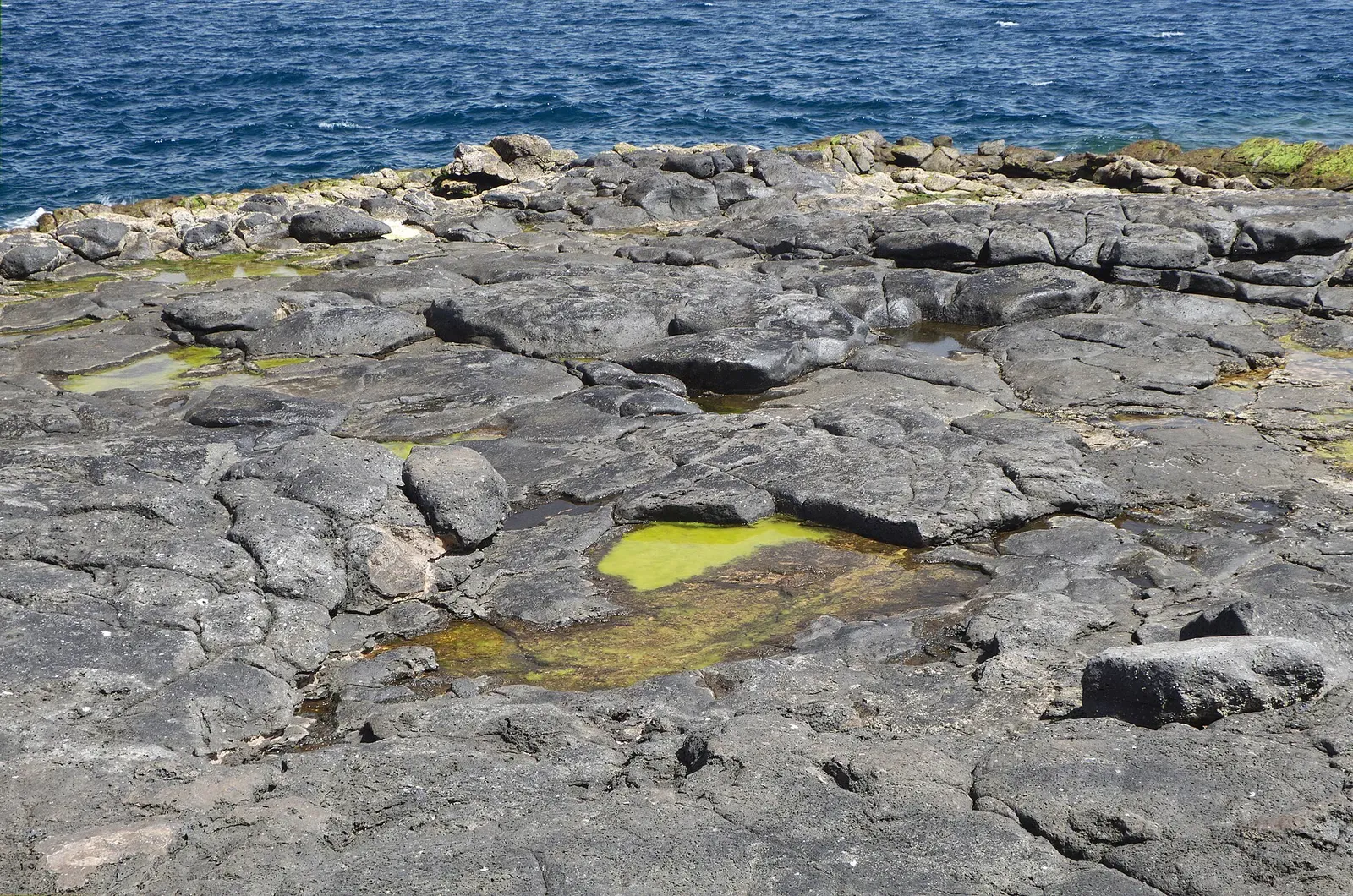
,_franja_marina_Teno-Rasca,_Tenerife,_Espa%C3%B1a,_2022-01-08,_DD_42.jpg)
A 1.5 km volcanic reef stepping from 7 m to past 40 m off Caleta de Fuste