Indian Ocean · India
Lakshadweep
Permit-only Indian atolls with 30 m visibility and almost no divers
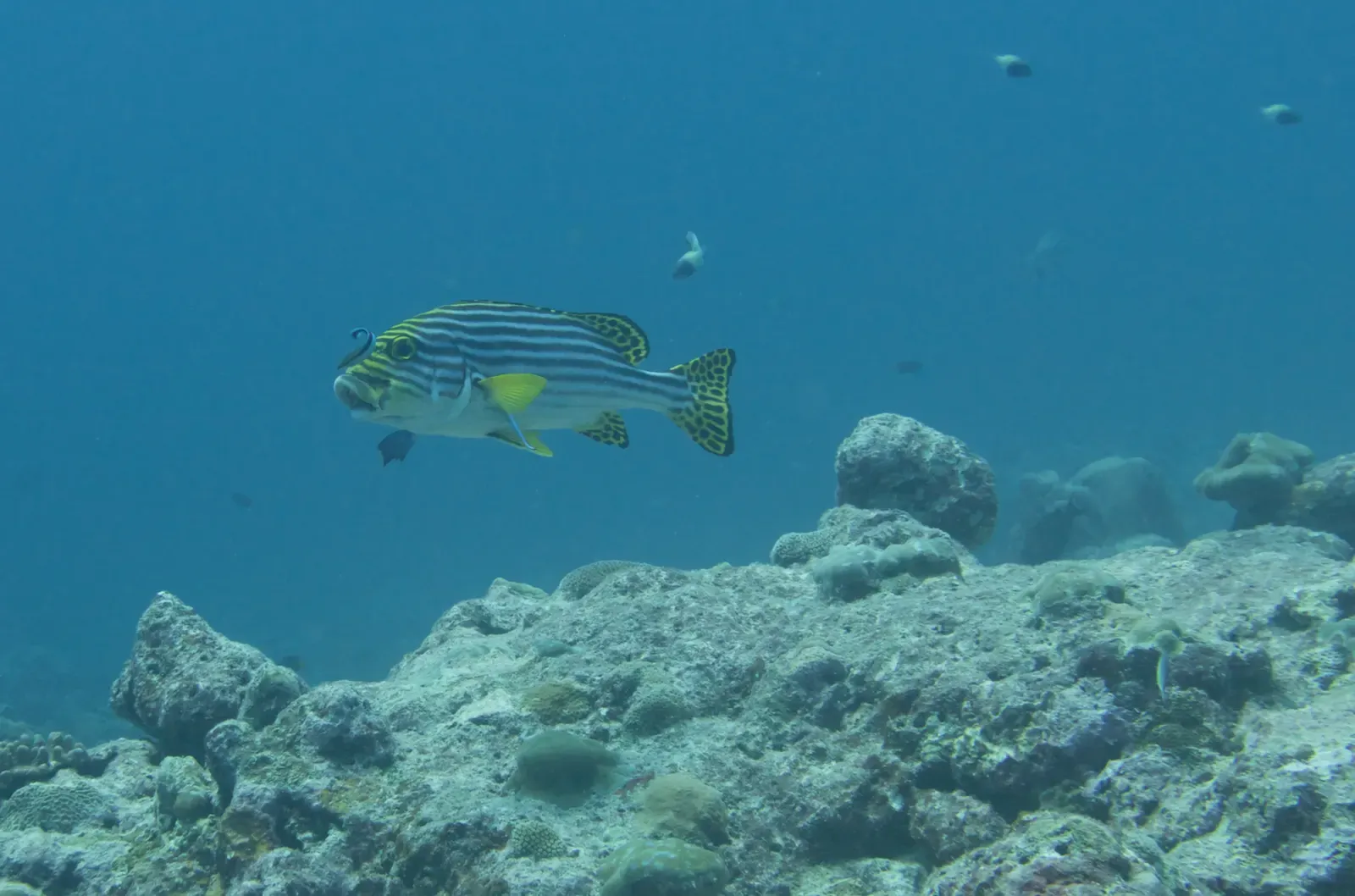
Photo: Rohan Arthur · CC BY 4.0
Lakshadweep is a chain of coral atolls 400 km off the Kerala coast, closed to unrestricted tourism and reachable only with a permit issued in advance, which is exactly why the reef is in the condition it is. Agatti, Bangaram and Kadmat have the infrastructure; the diving is bright, calm lagoon-edge reef and outer walls with visibility that regularly exceeds 30 m. Manta rays and reef sharks patrol the drop-offs and there are almost no other divers in the water.
About diving in Lakshadweep
Only a few of the islands run dive operations at all, so where you get a bed largely decides what you dive. Boats are small local craft: out from inside the lagoon, across the reef flat once the tide has put enough water over it, then a few minutes to the outer slope. Two tanks before lunch is the usual shape of a day, with the afternoon left to the beach. Water sits at 27-30 degrees, so a shorty or a skin covers most people, and shallow entries off the sand handle check dives and training.
The atolls repeat one plan and then differ in the detail. Inside is flat sand and scattered coral heads in a couple of metres; the reef flat rises almost to the surface; outside, the slope steps away in terraces and gutters before it steepens. Sheltered-side sites are gentle enough to potter along at a snorkeller's pace, while the passes funnel moving water and give the closest thing here to a drift. Little of interest sits deep, and with dives running roughly 5 to 35 m, profiles stay well inside recreational limits.
The calendar is short and not negotiable. The islands reopen in October, which can still carry leftover swell; November through April is the settled, clear stretch, and by May the south-west wind is rebuilding towards the monsoon shutdown. The trip suits people who want diving that is easy, bright and low-stress, and who are content for that to be the whole holiday - snorkellers and non-diving partners do as well here as certified divers. These are conservative islands with quiet evenings, so anyone after depth, a long site list or nightlife will find it thin.
Best time to dive Lakshadweep
| Jan | Feb | Mar | Apr | May | Jun | Jul | Aug | Sep | Oct | Nov | Dec | |
|---|---|---|---|---|---|---|---|---|---|---|---|---|
| Season | Prime | Prime | Prime | Prime | Fair | Off-season | Off-season | Off-season | Off-season | Good | Prime | Prime |
| Sea surface | 29°C84°F | 29°C84°F | 29°C84°F | 30°C86°F | 30°C86°F | 29°C84°F | 28°C82°F | 28°C82°F | 28°C82°F | 29°C84°F | 29°C84°F | 29°C84°F |
| Daytime high | 29°C84°F | 29°C84°F | 29°C84°F | 30°C86°F | 31°C88°F | 30°C86°F | 29°C84°F | 29°C84°F | 29°C84°F | 29°C84°F | 30°C86°F | 29°C84°F |
| Rain | 15 mm0.6 in | 5 mm0.2 in | 13 mm0.5 in | 34 mm1.3 in | 199 mm7.8 in | 452 mm17.8 in | 406 mm16.0 in | 289 mm11.4 in | 173 mm6.8 in | 151 mm5.9 in | 78 mm3.1 in | 54 mm2.1 in |
| Jan | Feb | Mar | Apr | May | Jun |
|---|---|---|---|---|---|
| Prime | Prime | Prime | Prime | Fair | Off-season |
| Sea surface | |||||
| 29°C84°F | 29°C84°F | 29°C84°F | 30°C86°F | 30°C86°F | 29°C84°F |
| Daytime high | |||||
| 29°C84°F | 29°C84°F | 29°C84°F | 30°C86°F | 31°C88°F | 30°C86°F |
| Rain | |||||
| 15 mm0.6 in | 5 mm0.2 in | 13 mm0.5 in | 34 mm1.3 in | 199 mm7.8 in | 452 mm17.8 in |
| Jul | Aug | Sep | Oct | Nov | Dec |
|---|---|---|---|---|---|
| Off-season | Off-season | Off-season | Good | Prime | Prime |
| Sea surface | |||||
| 28°C82°F | 28°C82°F | 28°C82°F | 29°C84°F | 29°C84°F | 29°C84°F |
| Daytime high | |||||
| 29°C84°F | 29°C84°F | 29°C84°F | 29°C84°F | 30°C86°F | 29°C84°F |
| Rain | |||||
| 406 mm16.0 in | 289 mm11.4 in | 173 mm6.8 in | 151 mm5.9 in | 78 mm3.1 in | 54 mm2.1 in |
2011–2025 averages. Sea surface: NOAA Coral Reef Watch, measured at the surface, so deeper water can run colder. Daytime high and rain: NASA POWER.
The season runs Oct–May; the south-west monsoon from June to September shuts the islands to visitors entirely.
Best months: January, February, March, April, November, December
Lakshadweep water temperature and weather by month
The sea surface stays between 28 and 30 °C (82–86 °F) all year. Most rain falls from May to September, peaking at about 450 mm (18 in) in June; it stays largely dry from November to April. Daytime highs sit around 29 °C (84 °F) all year. The coldest water here is about 27 °C (81 °F), so pack a 3 mm, or even a 2 mm, suit.
Dive types & marine life
Reef mantas are the headline, with good odds rather than a guarantee, and whitetip and grey reef sharks hold where the passes move water. Turtles, napoleon wrasse, eagle rays and trevally schools are routine on the outer slope, and dolphins turn up on the boat runs. Nothing has a distinct peak month; the Oct-May opening is the real constraint, since the monsoon closes the islands from June.
- Reef
- Wall
- Coral garden
- Drift
- Wreck
- Reef sharks
- Manta rays
- Sea turtles
- Napoleon wrasse
- Trevally & jacks
- Eagle rays
- Pristine corals
- Reef fish swarms
- Dolphins
Best dive sites in Lakshadweep
Wall
Two sloping 30 m walls draped in fan corals
Reef
Cleaning station visited by migrating mantas, December to March
Princess Royal Wreck
Nineteenth-century wreck off Bangaram, scattered across 20 m of sand.
Shark Alley
Kadmat watering hole for grey reef, nurse, black-tip and white-tip reef sharks, with a free fall to 40 m.
How to get to Lakshadweep
Fly Kochi to Agatti, the only airstrip in the chain, then continue by boat to Bangaram or Kadmat; passenger ships from Kochi are the slow alternative, the best part of a day at sea. Permits are issued for named islands and handled by your resort or operator, which is why trips are single-base rather than island-hopping.
Photos from Lakshadweep
Saif Arash · CC BY 4.0
Rohan Arthur · CC BY 4.0
Dive videos
Scuba Diving in Lakshadweep 2024 | Exploring Bangaram & Tinakara · Aakash Malhotra on YouTube
Scuba Diving in Lakshadweep | @AMMATHISCUBA · Kshitij Sahu on YouTube
Photo credits
- Clear turquoise lagoon lined with palm trees and white sand on Agatti Island, Lakshadweep by Saif Arash, CC BY 4.0, via Wikimedia Commons
- An oriental sweetlips fish drifting over a reef in Lakshadweep's clear water by Rohan Arthur, CC BY 4.0, via Wikimedia Commons
- A yellowmargin moray eel peering out from beneath a coral ledge in Lakshadweep by Rohan Arthur, CC BY 4.0, via Wikimedia Commons
Similar destinations
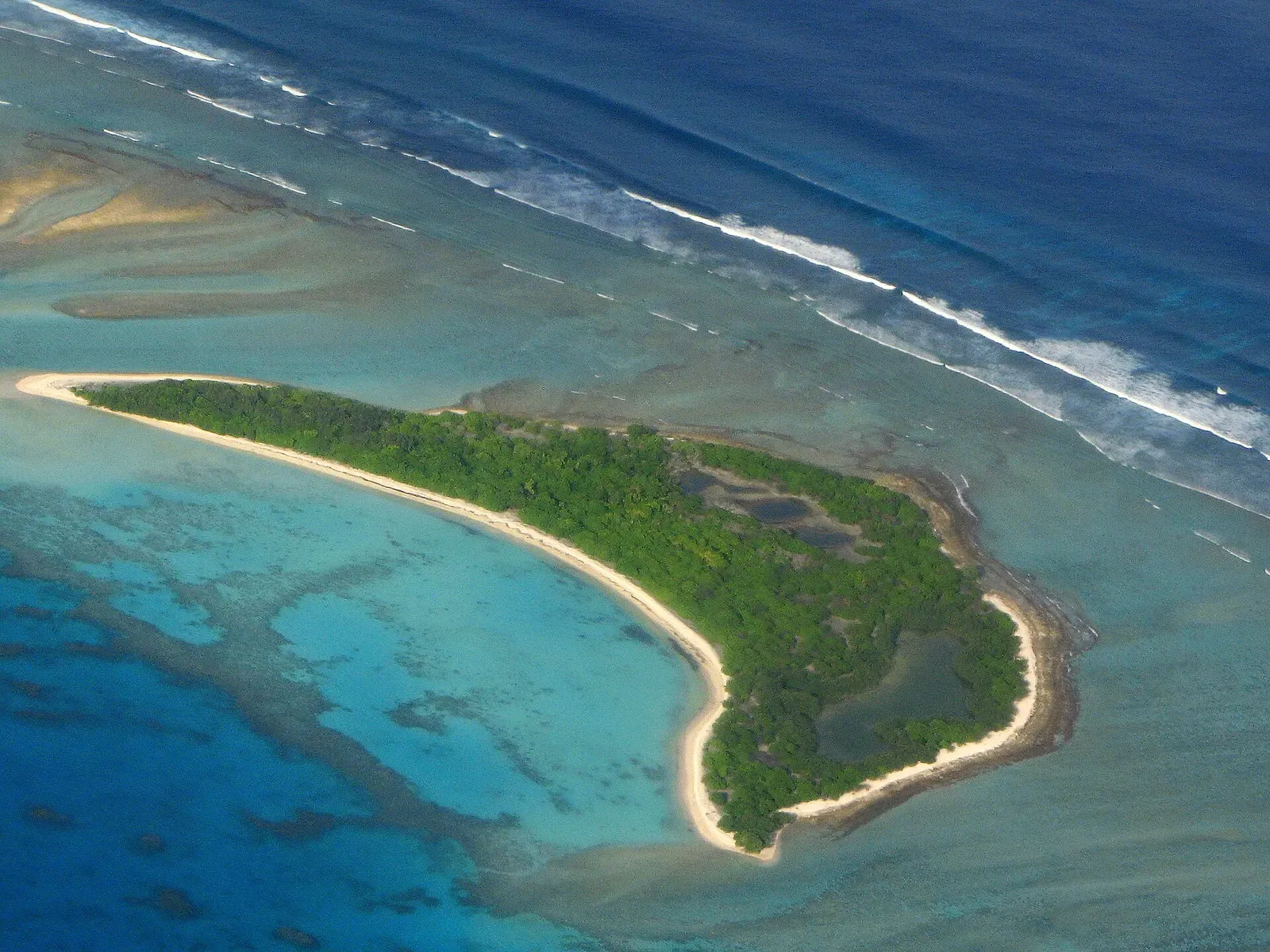
A manta cleaning station dived all year and a wartime tanker on her side at 33 m

Drift out on the falling tide as an entire atoll empties past you
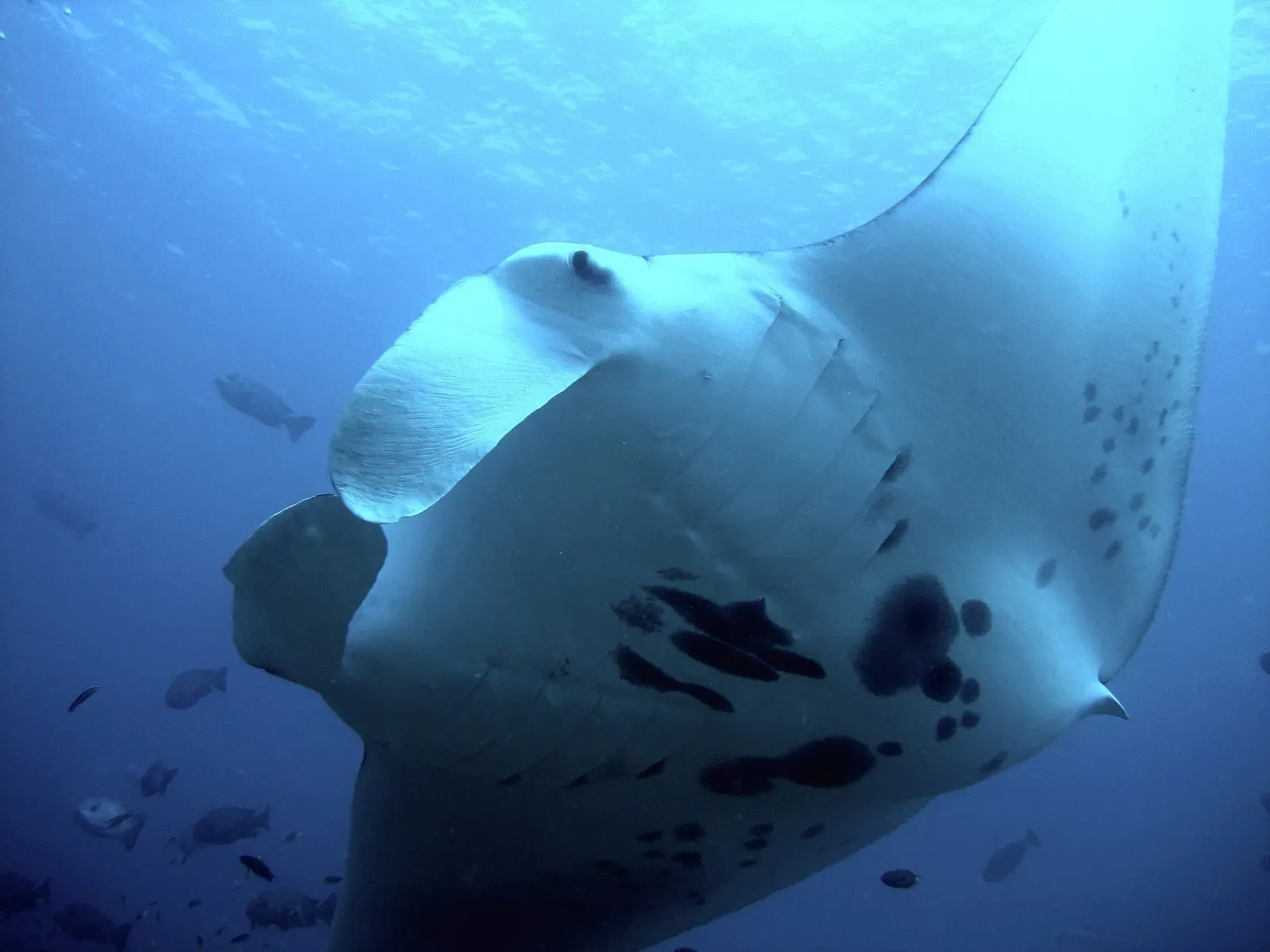
Reef mantas gather at Fushifaru Thila's two protected cleaning stations


An atoll wall dropping into open ocean, 400 km from the nearest island