Okinawa · Japan · Cave & cavern
Blue Cave
A half-flooded limestone tunnel with 5–8 m of water inside
A tunnel-shaped limestone cave in the cliff at Cape Maeda, known locally as Kumaya Gama, where fishermen once sheltered their sabani boats from typhoons. It is only half flooded — four to six metres of air sit above the waterline — and the water inside runs five to eight metres deep, so snorkellers and divers use the same entrance. Sunlight off the white sand floor fills the water by the mouth with blue.
Also known as Aoi Dokutsu, 青の洞窟, Kumaya Gama.
Where it is and how deep
26.4425° N, 127.7733° EPublished position for this site.
The dive
Everything at Cape Maeda starts on top of the headland and finishes at the water below it, and before anyone kits up there is one thing to check: the cape's official site publishes the state of the sea that day and whether entry to the water is permitted. In bad weather it is not, and that call covers divers and swimmers alike. At low tide you can reach the cave on foot along the rock wall from the stairway; otherwise it is a swim from the entry, or a few minutes by boat from Maeganeku fishing port.
The cave is a tunnel cut into the cliff face and only half flooded, with four to six metres of air between the water and the ceiling and five to eight metres of water underneath. That is why one entrance serves snorkellers and divers alike: you can float in on the surface, and the light inside stays soft enough that no torch is needed above water. The blue is not light thrown on the walls. Sunlight enters the mouth, passes through clear water, reflects off the white limestone sand on the floor and comes back up through the surface inside the dark chamber. Morning, midday and evening each give a different shade of it.
Under water it is dimmer, and a light picks out Ryukyu sweepers and soldierfish schooling in the dark corners, with clownfish among the southern-Japan cast around the mouth. Visibility improves in winter, and whitetip reef sharks and spiny lobster are seen inside the cave then. The local name, Kumaya Gama, comes from the days when fishermen took their hand-rowed sabani in here to sit out a typhoon; the modern advice is the one the Japanese description gives, which is to be shown the place by someone who knows the ground.
Marine life and season
- Reef fish swarms
- Macro critters
| Jan | Feb | Mar | Apr | May | Jun | Jul | Aug | Sep | Oct | Nov | Dec |
|---|---|---|---|---|---|---|---|---|---|---|---|
| Good | Good | Prime | Prime | Prime | Good | Fair | Fair | Fair | Prime | Prime | Good |
Season follows Okinawa: Divable year-round; Mar–Jun and Oct–Nov are calmest, while Jul–Sep is typhoon season and winter northerlies close the west coast.
Know before you go
- Swimming is prohibited at Cape Maeda in bad weather; the cape's official site publishes the day's sea state and whether entry to the water is allowed.
- Thirteen people died in water accidents at Cape Maeda in the ten years from 2013 to 2022.
- The cave is below the cliff and going in alone carries real risk; the local guidance is to be led by someone who knows the ground or by a nearby dive shop.
Dive videos
9.28.2019 Dive at Blue Cave/ Maeda Point Okinawa Japan · C_A_H22 on YouTube
Questions divers ask
Can you snorkel the Blue Cave in Okinawa?+
Yes. The cave is only half flooded, with four to six metres of air above the waterline, so you can swim in at the surface with mask and snorkel as well as dive it. The light inside is soft enough that no torch is needed on the surface. Local guidance is to go with a dive shop or someone who knows the ground rather than alone.
How deep is the Blue Cave at Cape Maeda?+
The water inside the cave is five to eight metres deep, and the point as a whole is listed at 5 to 15 m. It is a shallow dive: the 30 and 40 m figures quoted for Cape Maeda come from the drop-off outside the cave, not from the cave itself.
Sources
- 青の洞窟 (恩納村) — Wikipedia (Japanese)
- 真栄田岬 (Cape Maeda) — Wikipedia (Japanese)
- 青の洞窟 — 恩納村のダイビングポイント — 沖縄ダイビングスクール ワールドダイビング (World Diving)
- 【2026年版】沖縄ダイビングスポットで絶対におすすめの26選 — 沖縄ダイビングスクール ワールドダイビング (World Diving)
In The Logbook
- Cavern and cenote diving without cave trainingCaves & caverns · 8 min read
- The best shore dives in the worldShore diving · 8 min read
More dive sites in Okinawa
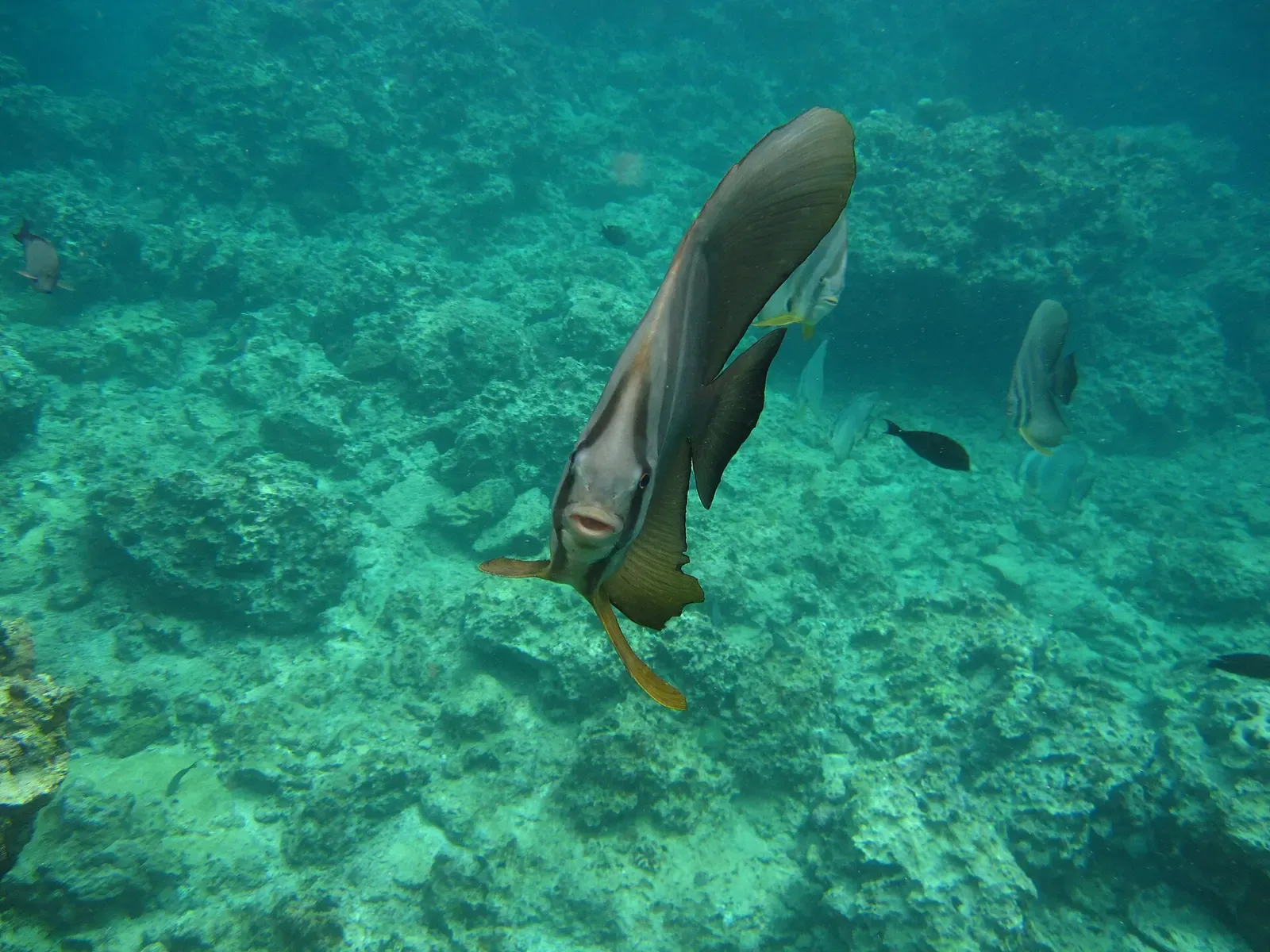
A drop-off from 5 m to 40 m outside the cave everyone queues for
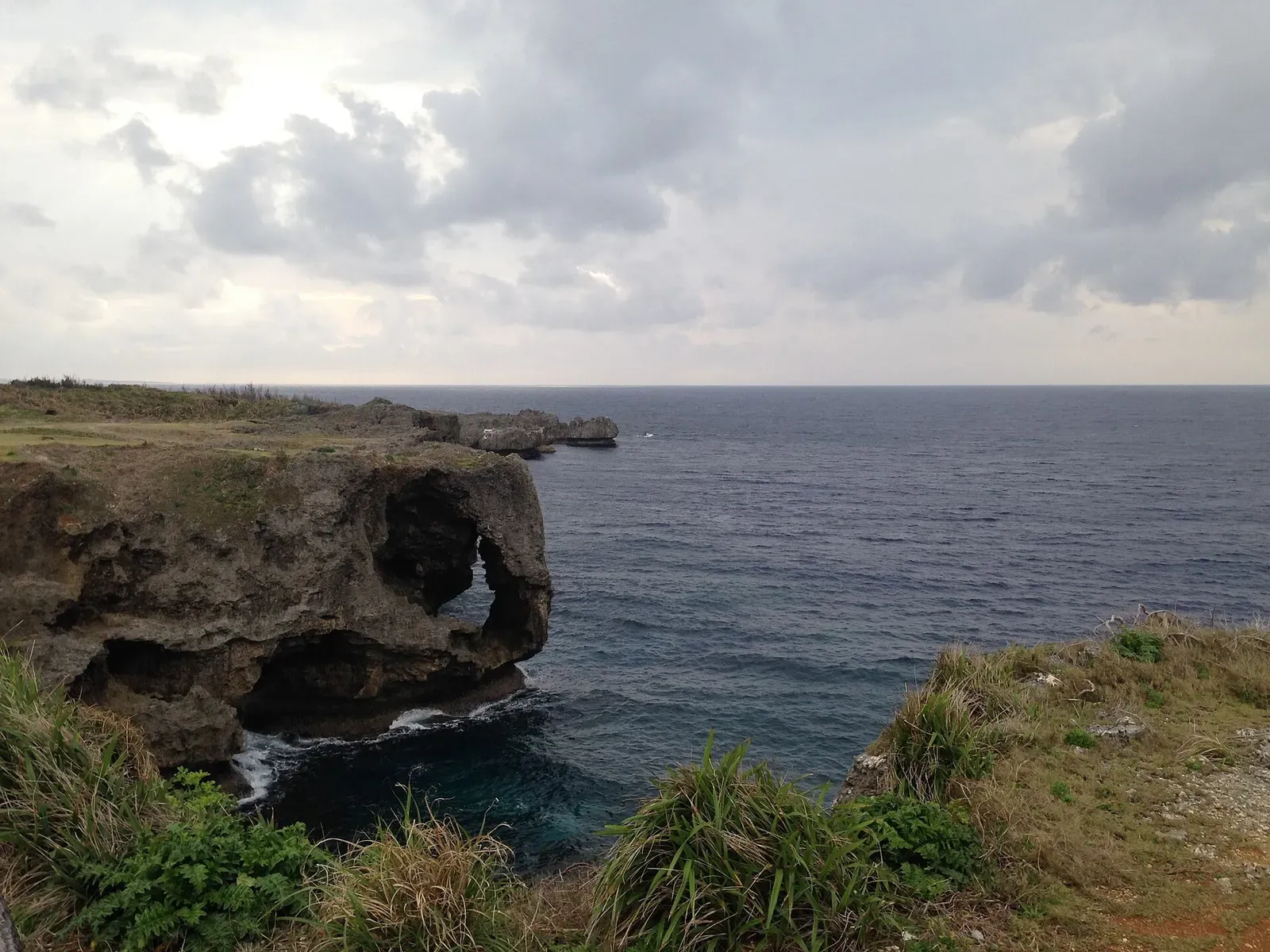
A wall to 40 m off a 5 m reef, with a double arch at 20 m
Channel & pass
A maze of channels and arches running seaward from 3 m
Reef
Stair entries onto soft coral, 5 to 20 m, day and night
Wreck
A 106 m destroyer on her side at 34-46 m, sunk off Kouri in 1945
Similar dives elsewhere

Two arches, two heart-shaped openings, a dark cave below
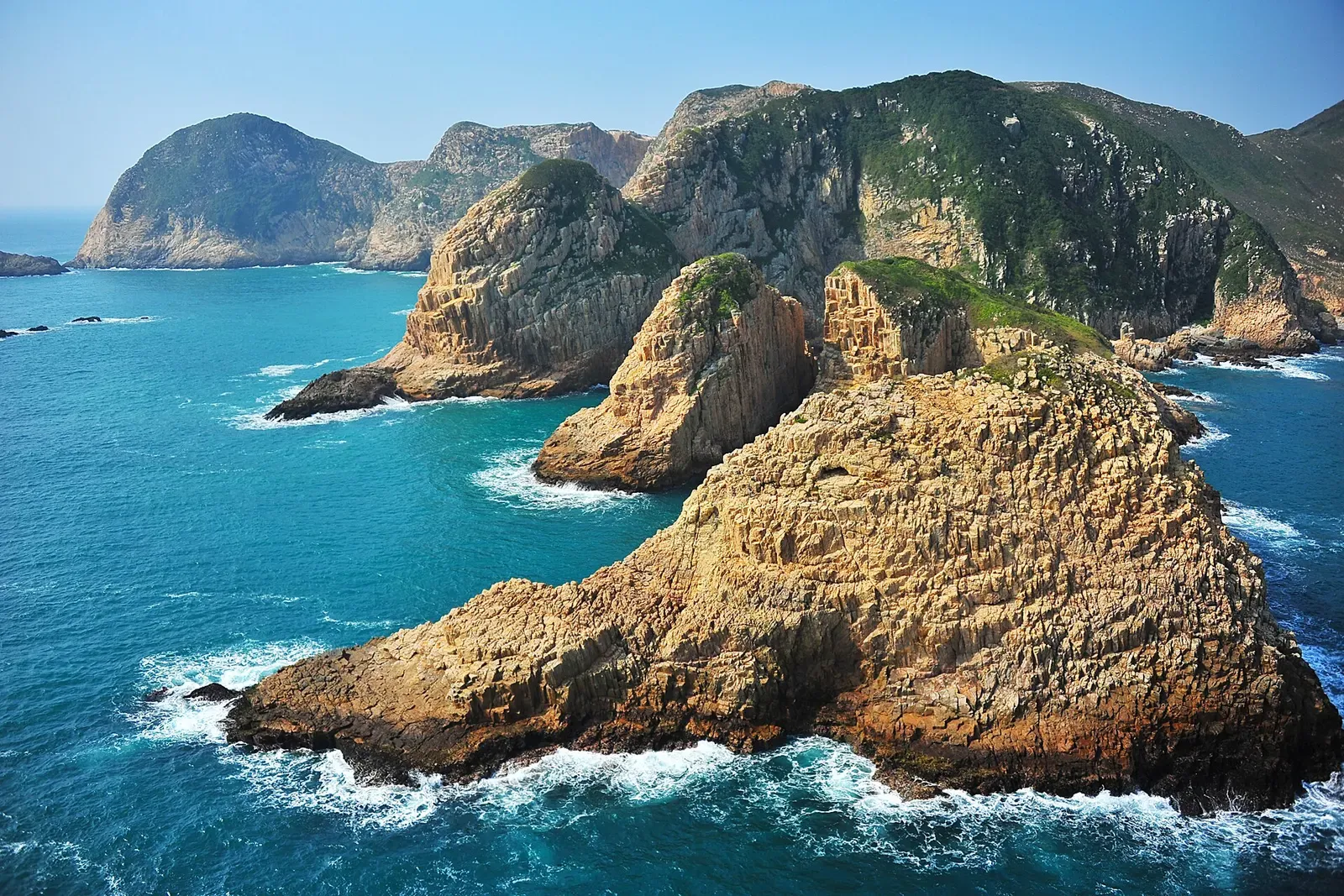
Numerous sea caves cut into a geopark island
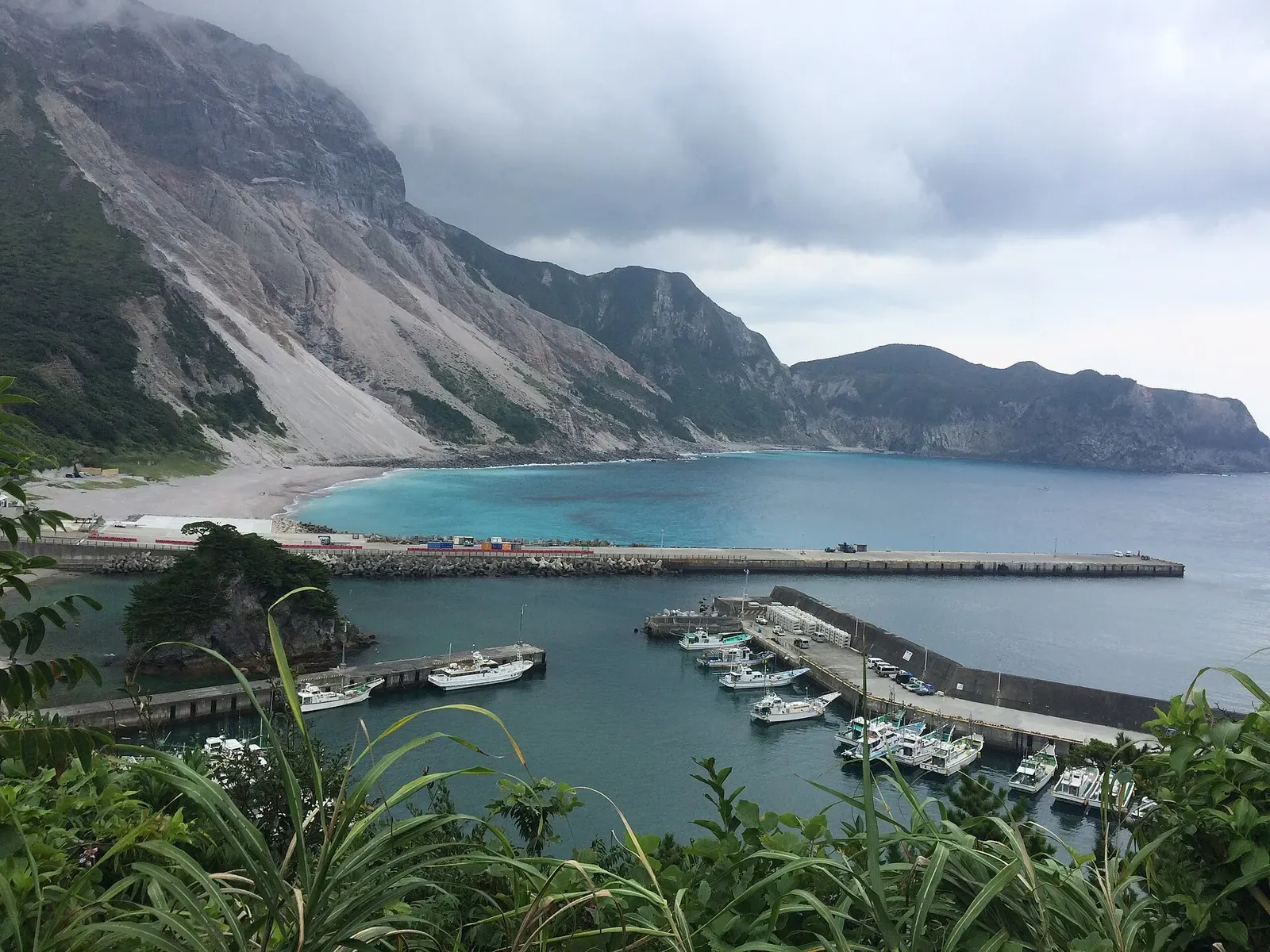
A huge cave-like arch dotted with yellow sponges and nudibranchs

A 15 m tunnel cave beneath the outer reef