Wild Coast Sardine Run · South Africa · Pelagic & blue water
Coffee Bay
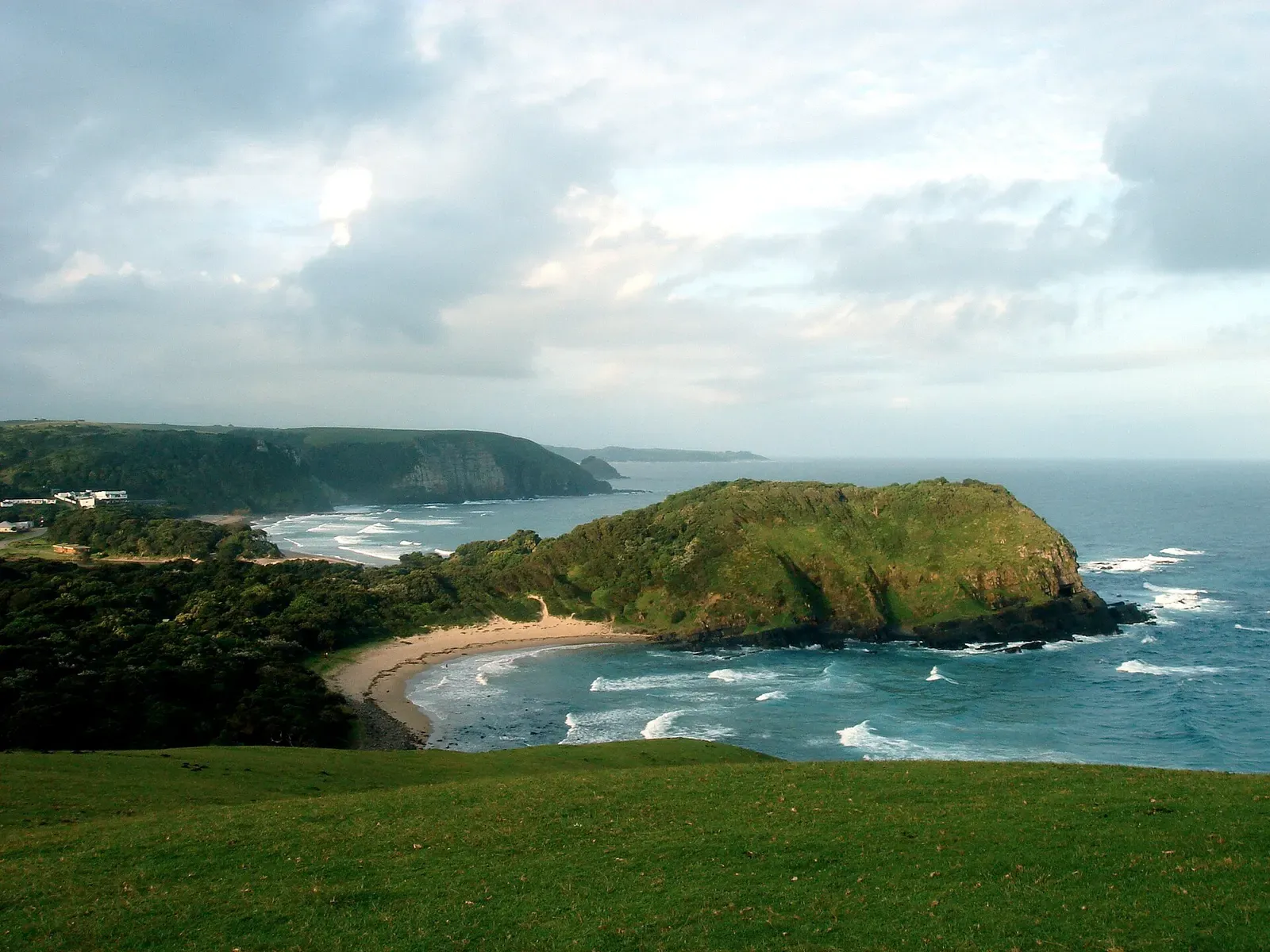
A massive shoal was reported off the bay during the 2011 run
Photo: Jon Rawlinson · CC BY 2.0
Coffee Bay is a Wild Coast village that the sardine run reaches in the years the shoal tracks this far south: a massive shoal was reported off the bay during the 2011 run. There is no fixed site to dive. Any diving is mid-water on whatever the boats find that day, with visibility anywhere between 2 and 20 metres and some operators standing down below 5.
Where it is and how deep
31.9852° S, 29.1470° EPublished position for this site.
The dive
The day is unplanned by design. The sardine run happens from May through July, when billions of sardines move up the coast, and boats working this coast spend most of that time searching rather than diving. During the 2011 run a massive shoal was reported off Coffee Bay in the Eastern Cape, and that is what puts the village on a sardine run itinerary at all: in the years the shoal tracks this far south, the fish are within reach of the boats working the coast.
When something is found the entry is fast and shallow. Bait balls can be 10 to 20 metres in diameter and extend to a depth of 10 metres, and may last up to about ten minutes, so you work the top of the water column with the boat close by. The water runs between 15°C and 21°C, warm enough for a 5 mm wetsuit with boots, gloves and hood, and clarity is the variable that decides the day: visibility ranges between 2 m and 20 m, and some operators will not allow diving unless it exceeds 5 m.
Background
The cruise ship MTS Oceanos foundered off this coast on Sunday 4 August 1991, after the shell plating of a waste pipe burst open in heavy seas and began filling the compartment with seawater. Rescuers found her adrift just off Coffee Bay the next morning and all 571 people aboard were taken off alive. The 153 m ship now lies at a depth of between 92 m and 97 m, about 5 km offshore, far below anything dived on a sardine run trip.
Marine life and season
- Sardine baitballs
| Jan | Feb | Mar | Apr | May | Jun | Jul | Aug | Sep | Oct | Nov | Dec |
|---|---|---|---|---|---|---|---|---|---|---|---|
| Off-season | Off-season | Off-season | Off-season | Good | Prime | Prime | Fair | Off-season | Off-season | Off-season | Off-season |
Season follows Wild Coast Sardine Run: Peak sardine migration runs June-July; some years the shoal is thin or absent, an inherent unpredictability of this wild event.
Know before you go
- Large swells and low water clarity come with cold fronts and have a negative effect on sardine presence, so days are lost to weather and a trip has to be long enough to absorb them.
- The R349 in is severely pot-holed, which makes late arrivals and tight connections a real risk when you are driving in for a dawn launch.
Photos from Coffee Bay
Vincentvanoosten · CC0
hermansmit · CC BY-SA 3.0
Thomas Fuhrmann · CC BY-SA 4.0
Dive videos
Sardine Run 2017 South Africa @Coffee Bay with ADA in 4k · Dive Cooky on YouTube
Sardine Run 2013 Coffee Bay South Africa · Kurt on YouTube
Questions divers ask
Can you dive the Oceanos wreck at Coffee Bay?+
Not on a sardine run trip. The wreck lies at a depth of between 92 m and 97 m, about 5 km offshore, which puts it well outside the shallow mid-water diving the sardine run is about.
When is Coffee Bay worth diving for the run?+
The sardine run happens from May through July, and Coffee Bay comes into play in the years the shoal tracks this far south, as in 2011 when a massive shoal was reported off the bay.
Sources
- Sardine run — Wikipedia
- Diving in South Africa/Sardine run — Wikivoyage
- Wild Coast — Wikivoyage
- MTS Oceanos — Wikipedia
- Nominatim search: Coffee Bay Eastern Cape — OpenStreetMap
Photo credits
- Green hills sweep down to a lagoon and beach at Coffee Bay on South Africa's Wild Coast by Jon Rawlinson, CC BY 2.0, via Wikimedia Commons
- The Hole in the Wall sea arch on the Wild Coast near Coffee Bay by Vincentvanoosten, CC0, via Wikimedia Commons
- Beach and green headland at Coffee Bay, Eastern Cape, South Africa by hermansmit, CC BY-SA 3.0, via Wikimedia Commons
- Sunset clouds reflected on wet sand at a beach near Coffee Bay by Thomas Fuhrmann, CC BY-SA 4.0, via Wikimedia Commons
In The Logbook
- Why is some sea green instead of blue?Ocean science · 8 min read
More dive sites in Wild Coast Sardine Run
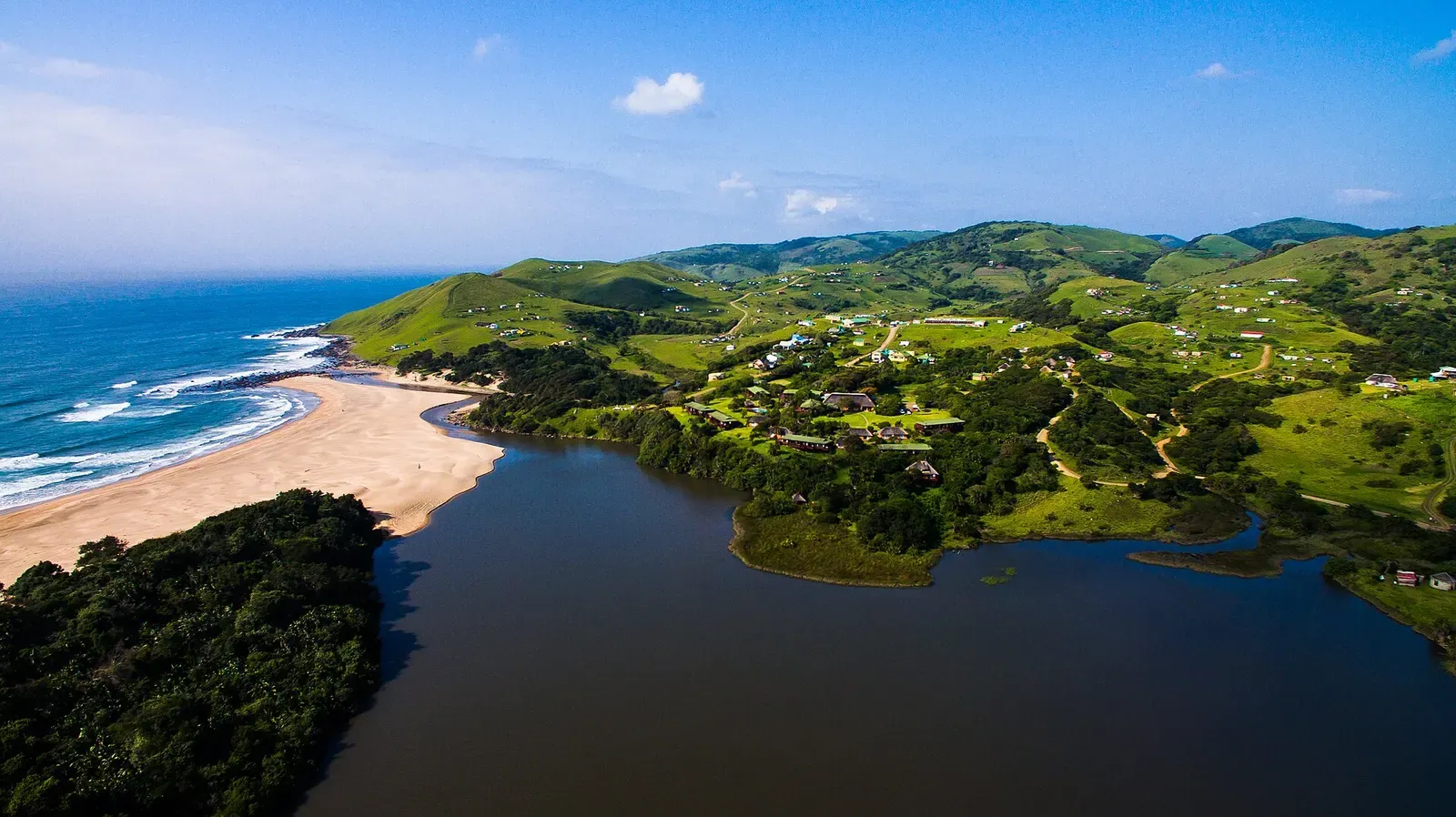
One of two launch points for the Pondoland reefs, 12 to 40 metres
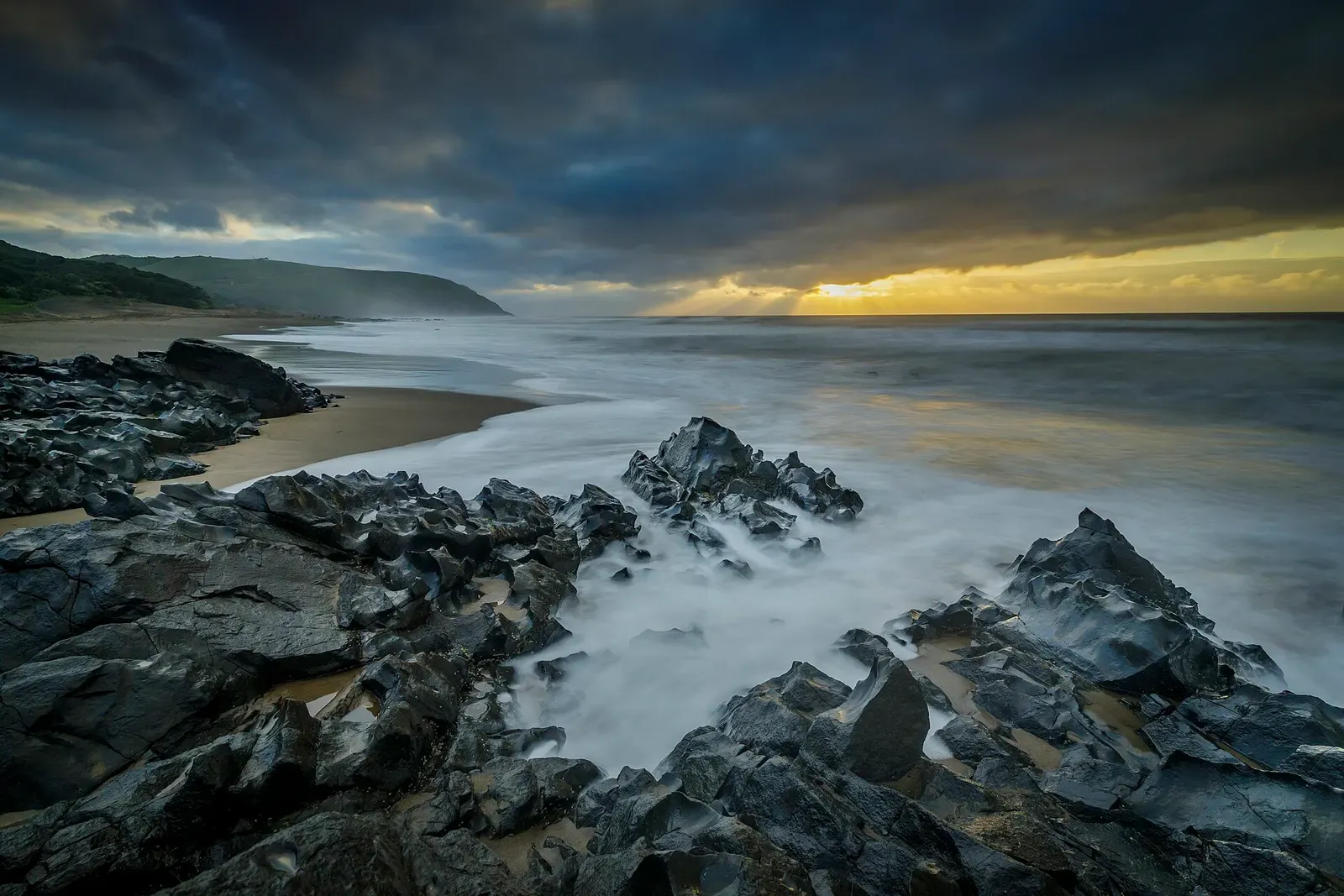
Bait balls 10-20 m across, worked from the surface to 10 metres
Similar dives elsewhere
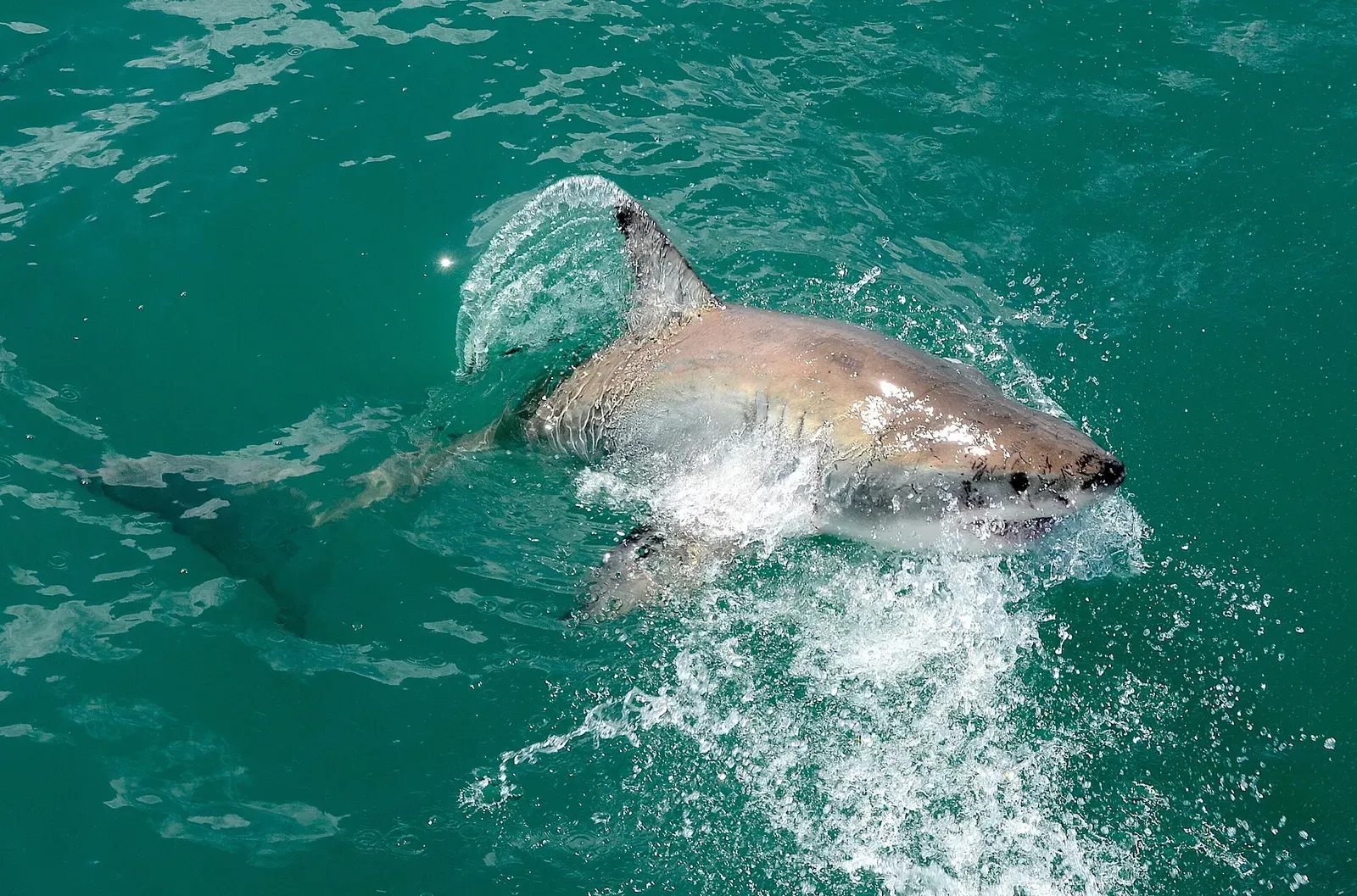
A surface cage in the channel where 60,000 seals once reliably drew great whites

Breath-hold encounters with juvenile whale sharks feeding at the surface

Baited blue-water dives with blue sharks and makos


Whale sharks feeding under lift nets, all year round