Wild Coast Sardine Run · South Africa · Pelagic & blue water · Drift
Port St Johns
Bait balls 10-20 m across, worked from the surface to 10 metres
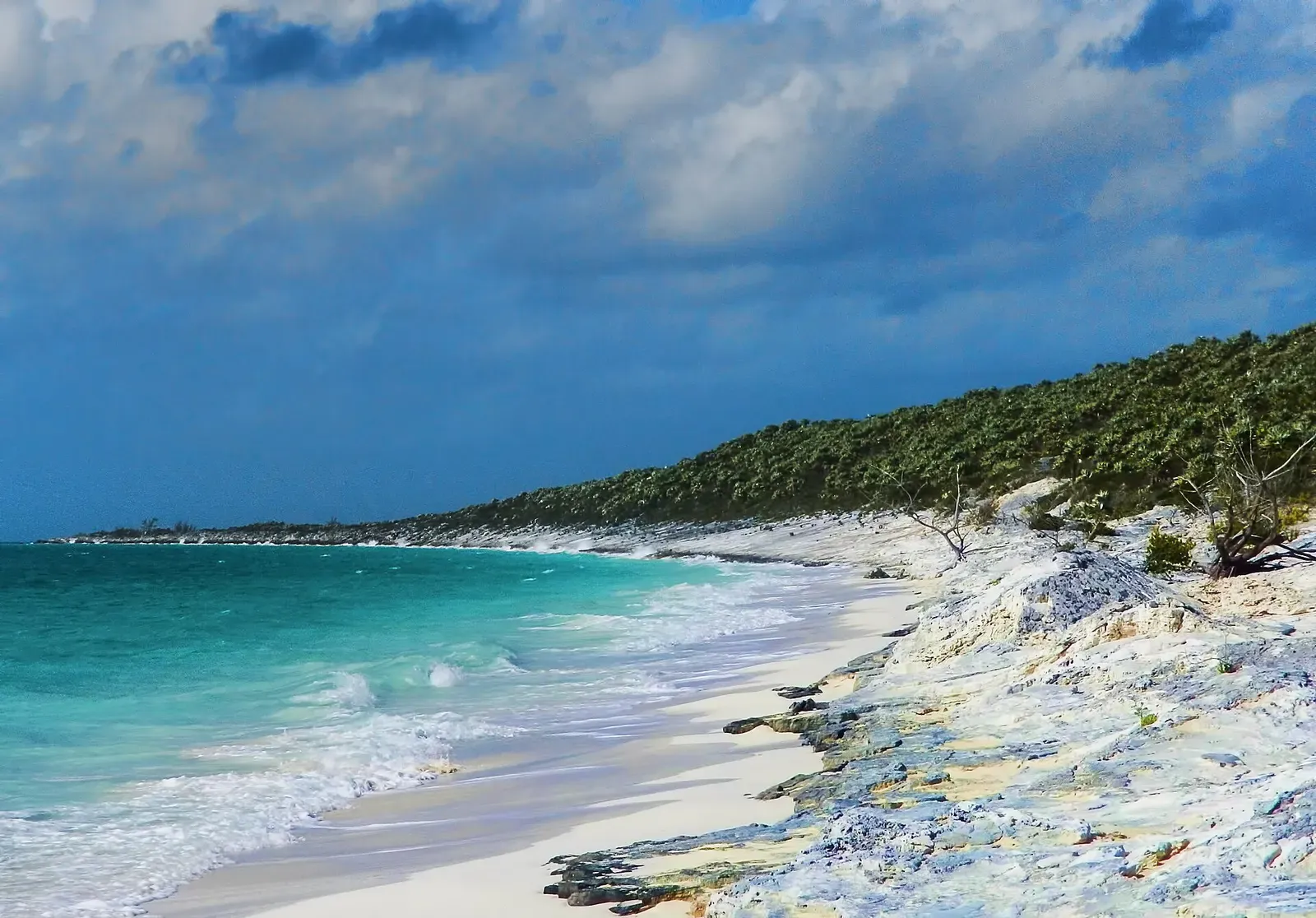
Photo: Thomas Fuhrmann · CC BY-SA 4.0
Port St Johns is a Wild Coast town where tours targeting the sardine run are one of the main draws. There is no reef to brief and no fixed profile: charter boats run offshore to find the shoal, and the diving is mid-water, usually without marker buoys and usually without a dive leader. Visibility swings between 2 and 20 metres, and some operators will not put divers in the water below 5.
Also known as Port St. Johns.
Where it is and how deep
31.6289° S, 29.5369° EPublished position for this site.
The dive
The dive begins as a search. You meet the charter boat at the launch site at the Mzimvubu river mouth, below the gorge known as the Gates of St John, and travel out to wherever the shoal is working. Nothing is briefed as a fixed site, so you sit kitted while the crew reads the surface, and the entry happens when a bait ball is found rather than at a planned time. Depending on the charter, you may free dive or scuba dive with the shoal and the predators.
In the water it stays shallow. Bait balls can be 10 to 20 metres in diameter and extend to a depth of 10 metres, and may last up to about ten minutes, so the whole encounter sits in the top of the water column and you circle the shoal rather than drop under it. Thousands of dolphins do most of the rounding up, bronze whalers and dusky sharks cut in from below, and the Cape gannet is the predator most closely tied to sardine presence along this coast. Bryde's whales come through the ball, Cape fur seals follow the shoals as far as Port St Johns, and the occasional penguin turns up on the edge.
Conditions decide how much you see. The run is carried on a cold south-to-north current, broken by bands of cooler coastal water where the flow is reduced or reversed, and the water sits between 15°C and 21°C, warm enough for a 5 mm wetsuit with boots, gloves and hood. Visibility ranges from 2 to 20 metres and some operators will not allow diving unless it exceeds 5 m. This is all mid-water diving over deep water, so the dive ends when the action moves off and the boat comes for you.
Background
Port St Johns lies at the mouth of the Mzimvubu River, which flows through a gorge known as the Gates of St John into an estuary on the Indian Ocean. The river mouth falls inside Pondoland Park, a national park and forested area of 500 square kilometres that stretches north along the coast towards KwaZulu-Natal. The town also carries a harder reputation in the water: Second Beach is listed among the world's shark attack hotspots, alongside Reunion Island and Boa Viagem in Brazil.
Marine life and season
- Sardine baitballs
- Dolphins
- Whales
- Seals & sea lions
- Penguins
| Jan | Feb | Mar | Apr | May | Jun | Jul | Aug | Sep | Oct | Nov | Dec |
|---|---|---|---|---|---|---|---|---|---|---|---|
| Off-season | Off-season | Off-season | Off-season | Good | Prime | Prime | Fair | Off-season | Off-season | Off-season | Off-season |
Season follows Wild Coast Sardine Run: Peak sardine migration runs June-July; some years the shoal is thin or absent, an inherent unpredictability of this wild event.
Know before you go
- This is mid-water diving over deep water, usually without marker buoys and usually without a dive leader, so good buoyancy control matters more than anything else you bring.
- You are in the water with feeding sharks: mostly bronze whalers, but also dusky, ragged tooth, blacktip, spinner and zambezi sharks work the same bait balls.
- Second Beach at Port St Johns is listed among the world's shark attack hotspots, which is worth knowing before swimming from the beach on a lay day.
Photos from Port St Johns
Thomas Fuhrmann · CC BY-SA 4.0
Kevin Stroup · CC BY 3.0
Kevin Stroup · CC BY 3.0
Dive videos
Sardine Run Port St Johns South Africa · Nick BERNHARD on YouTube
Diving the Sardine Run - Port St Johns - South Africa · PB Production - Diving on YouTube
Questions divers ask
How deep is sardine run diving at Port St Johns?+
Shallow. Bait balls can be 10 to 20 metres in diameter and extend to a depth of about 10 metres, so the diving happens in the top of the water column rather than on a reef, even though the water underneath is deep.
What certification do I need?+
Some operators require a minimum certification of Advanced Diver and ask for your certification card and log book; some also want a certificate of medical fitness. The dives are shallow but they run mid-water over deep water, with entries made quickly from the boat once a bait ball is found.
When does the sardine run reach Port St Johns?+
The southern African sardine run happens from May through July, when billions of sardines move up the coast, and Port St Johns sits inside that window: during the 2011 run the main shoal was reported still near the town on 22 June.
Sources
- Sardine run — Wikipedia
- Diving in South Africa/Sardine run — Wikivoyage
- Port St. Johns — Wikipedia
- Shark attack — Wikipedia
Photo credits
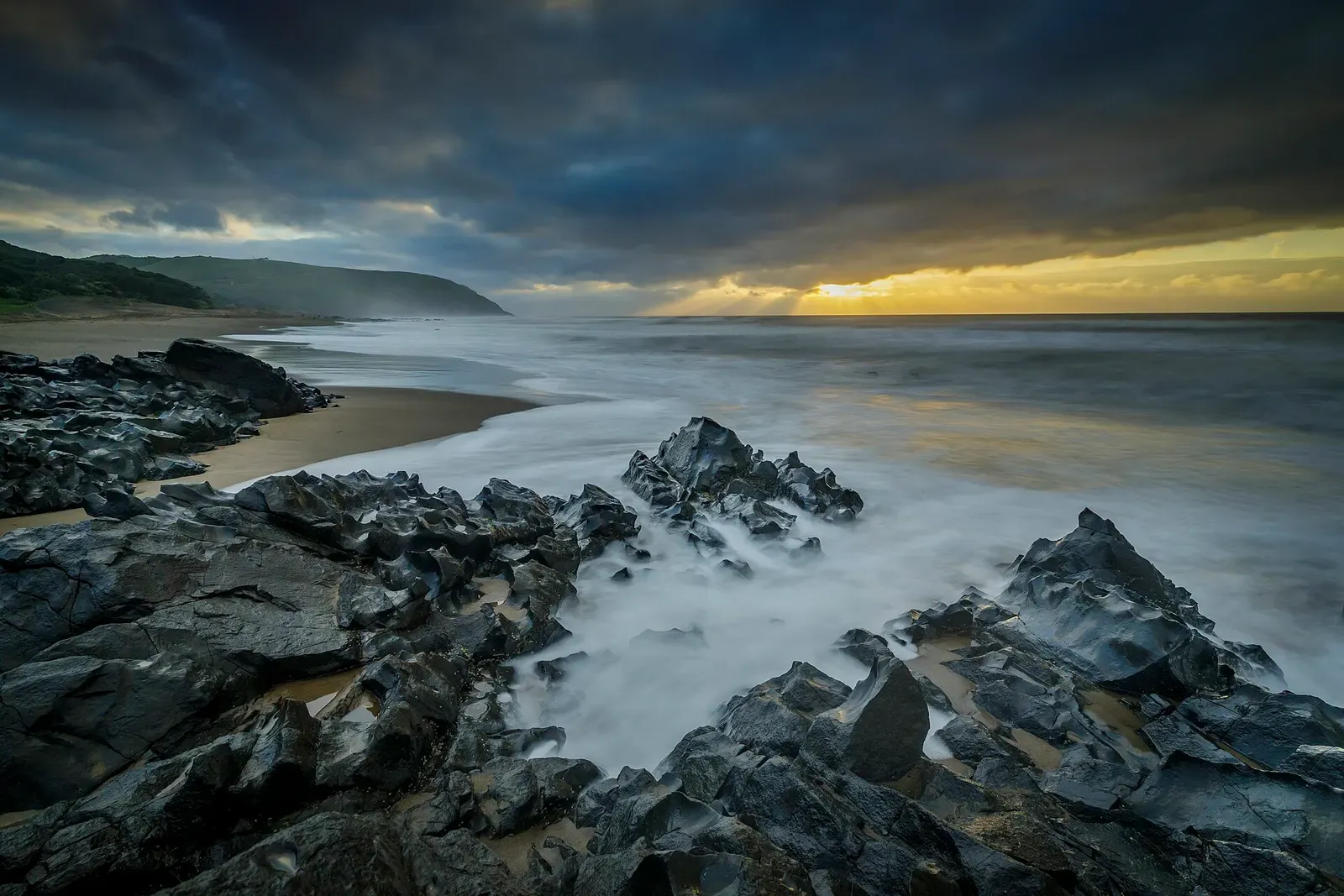
- Sunrise sky over rocks and surf on the beach at Port St Johns by Thomas Fuhrmann, CC BY-SA 4.0, via Wikimedia Commons
- Morning mist rolling along the coastline near Port St Johns by Thomas Fuhrmann, CC BY-SA 4.0, via Wikimedia Commons
- The lighthouse above Port St Johns overlooking the Indian Ocean by Kevin Stroup, CC BY 3.0, via Wikimedia Commons
- A rock dassie resting on a tree stump at the Mzimvubu river mouth, Port St Johns by Kevin Stroup, CC BY 3.0, via Wikimedia Commons
In The Logbook
- Where to dive in every month of the yearTrip planning · 14 min read
- Why is some sea green instead of blue?Ocean science · 8 min read
More dive sites in Wild Coast Sardine Run
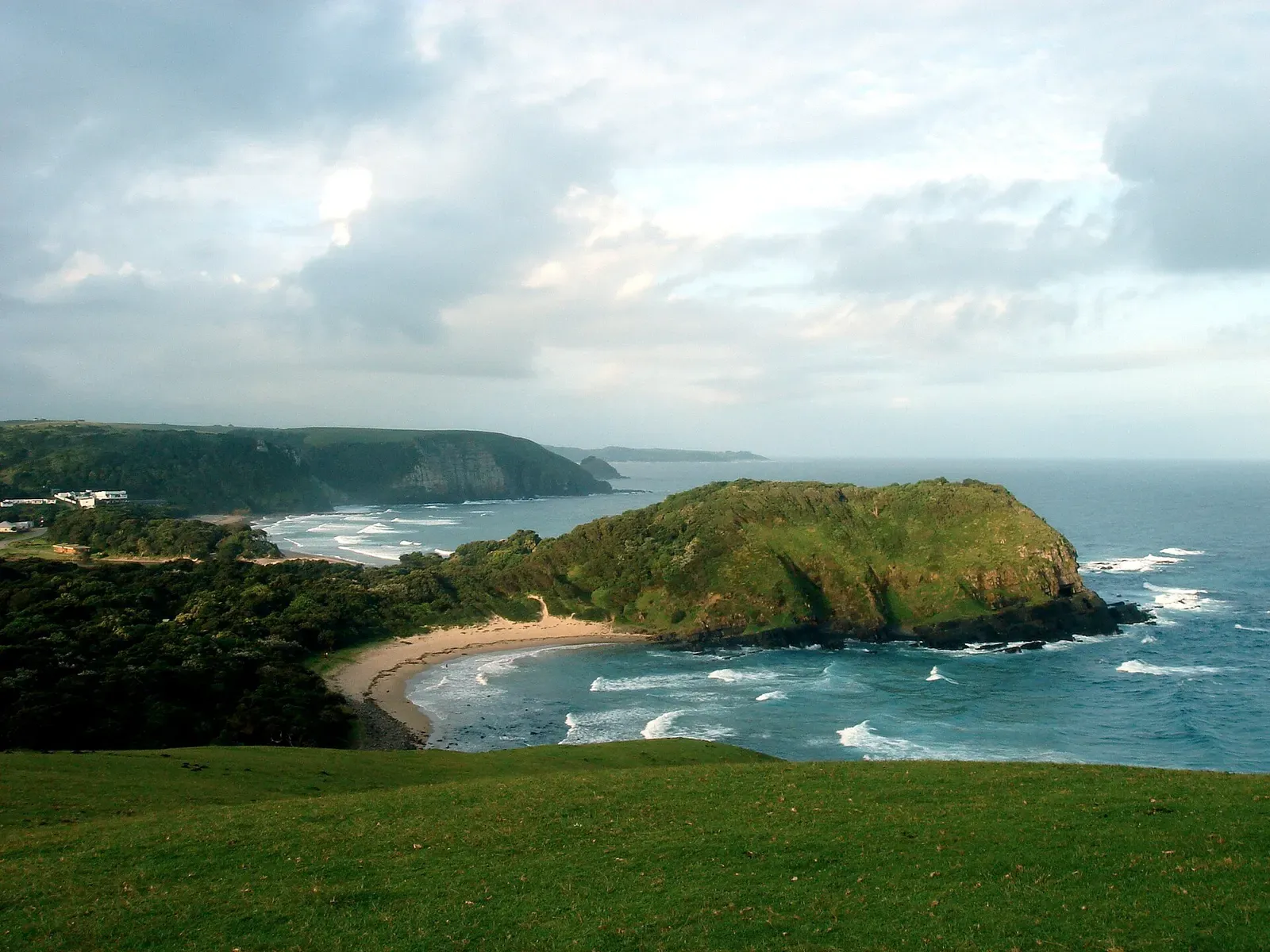
A massive shoal was reported off the bay during the 2011 run
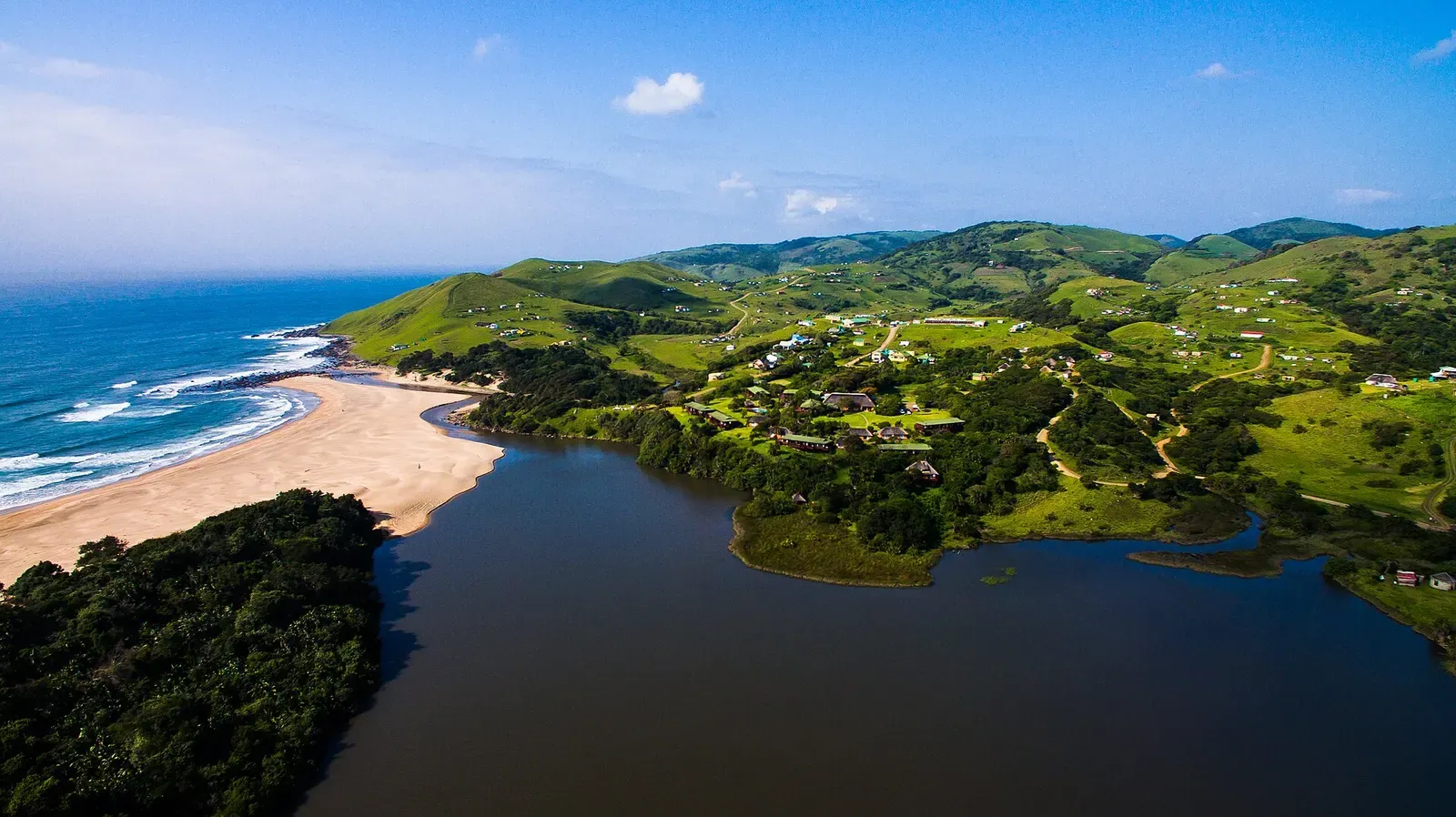
One of two launch points for the Pondoland reefs, 12 to 40 metres
Similar dives elsewhere
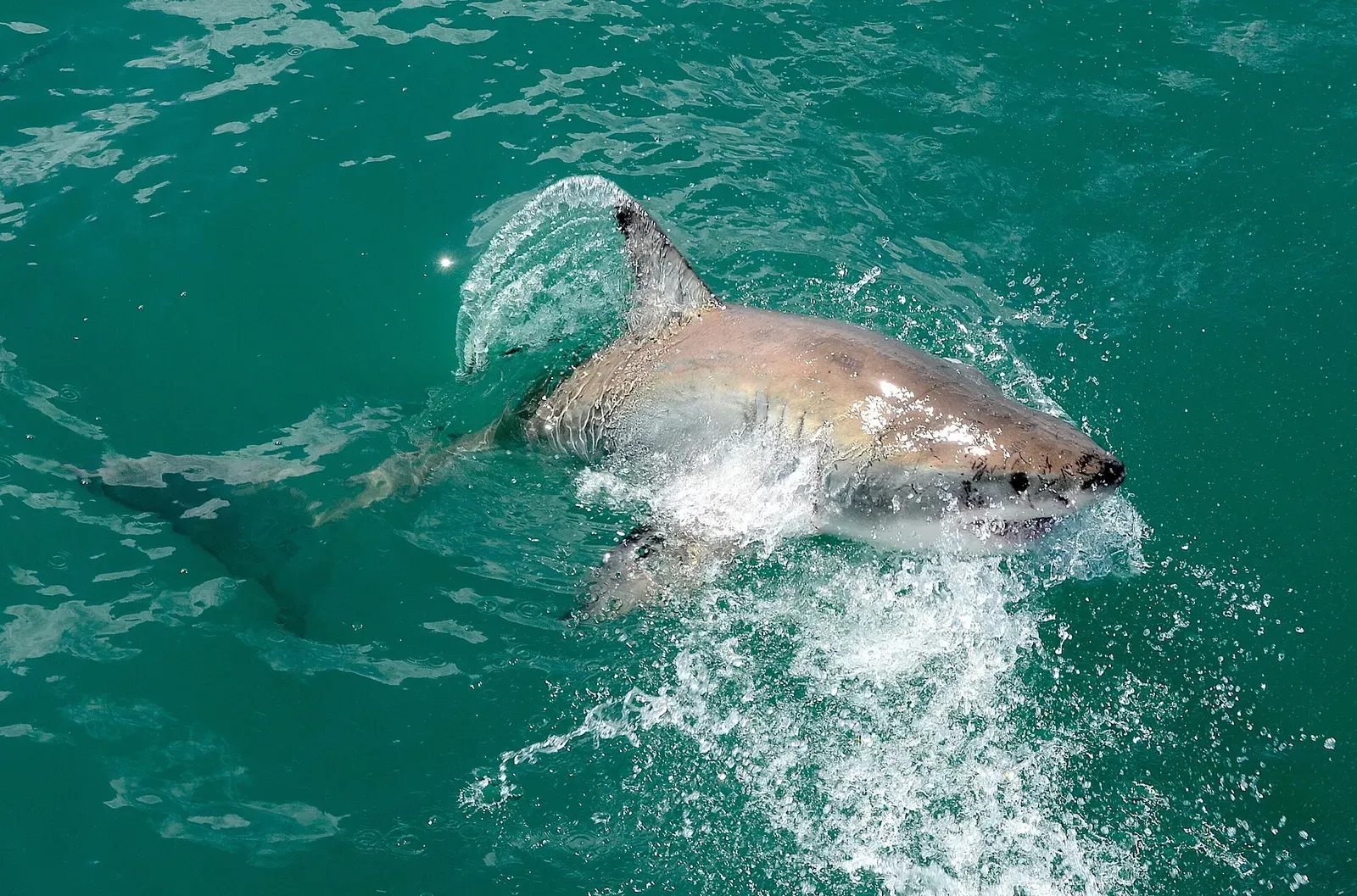
A surface cage in the channel where 60,000 seals once reliably drew great whites

Schooling scalloped hammerheads in the Kuroshio

Tethered in open ocean at night as deep-water animals rise to the surface


Oceanic whitetips in open water, no reef and no cage