Wild Coast Sardine Run · South Africa · Reef · Drift
Mboyti
One of two launch points for the Pondoland reefs, 12 to 40 metres
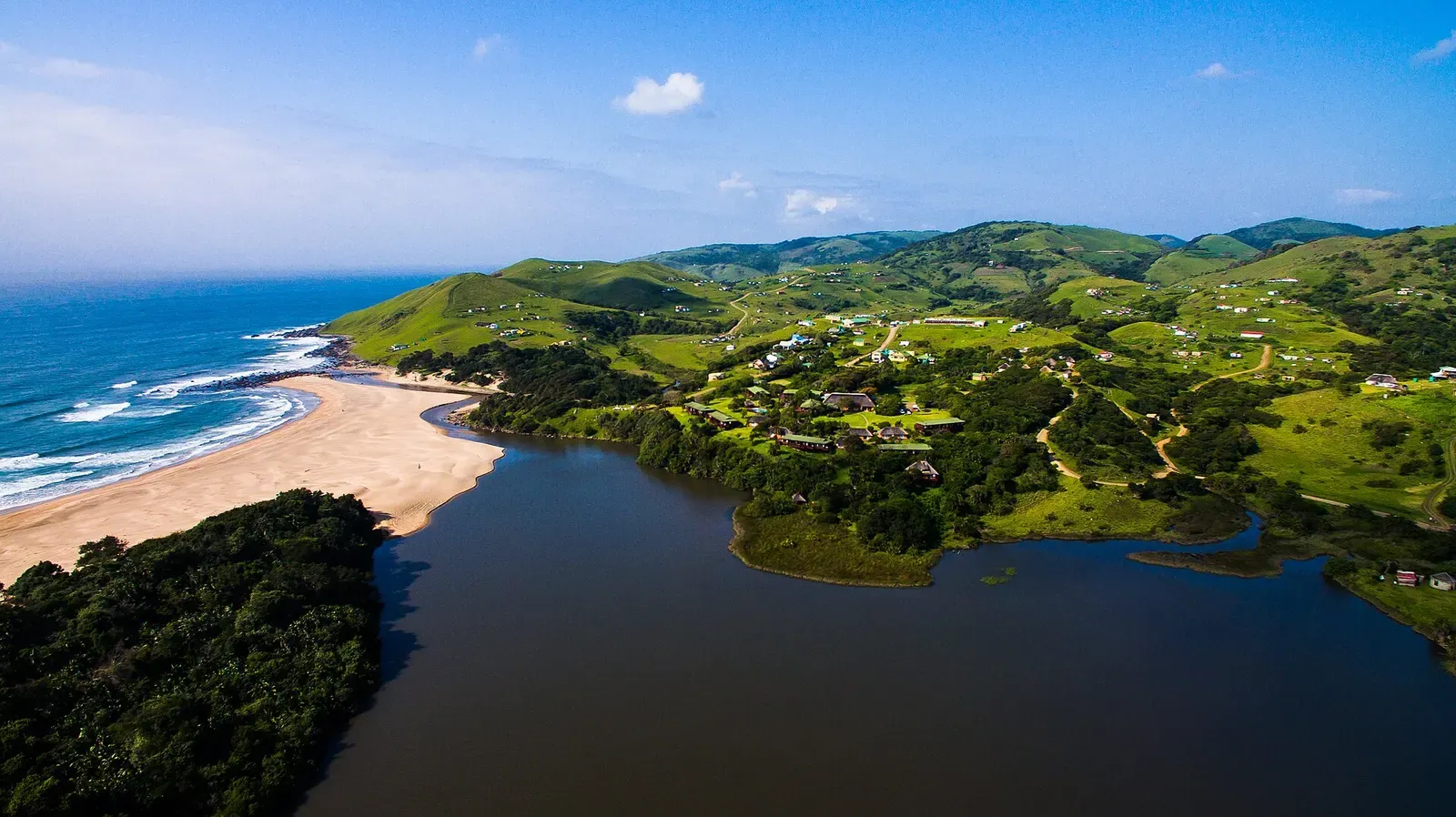
Photo: Ryanj93 · CC BY-SA 4.0
Mbotyi is a small settlement and coastal resort at the mouth of the Mbotyi River, south-east of Lusikisiki, and one of the two launch points for diving this stretch of the Pondoland coast, the other being Port Edward to the north. The ground offshore is shelving rocky reef lying parallel to the shoreline, best between 12 and 40 metres, with strong currents the norm.
Also known as Mbotyi.
Where it is and how deep
31.4622° S, 29.7378° EPublished position for this site.
The dive
Everything starts at the river mouth. Launches for this part of the Pondoland coast go from Mbotyi or from Port Edward to the north, and the ground offshore is mainly shelving rocky reef running parallel to the coastline, with the best diving in the 12 to 40 metre range. There is no single pinnacle or wreck to work: the reef shelves away from the shore, so how deep you dive is set mostly by how far out the boat drops you.
What covers that rock is not tropical coral. The benthic community here is dominated by coralline seaweeds, gorgonian sea fans and large sponges, because this coast sits too far south of the equator for warm-water reef-building corals, so the reef reads as a temperate garden of fans and sponge heads rather than a hard-coral wall. It is scenery that rewards a wide-angle rig more than a species checklist.
Plan for moving water and changeable clarity. Strong currents are common along this coast, so dives here run with the flow and the boat follows rather than sitting on a mooring. The many rivers along this shore carry silt and in the rainy season the visibility is often poor, with the Mbotyi River emptying right beside the launch. Water temperatures range from about 25°C in summer to about 19°C in winter, and May and June are often the best months for diving this region.
Marine life and season
The sources we used don't single out particular species here.
| Jan | Feb | Mar | Apr | May | Jun | Jul | Aug | Sep | Oct | Nov | Dec |
|---|---|---|---|---|---|---|---|---|---|---|---|
| Off-season | Off-season | Off-season | Off-season | Good | Prime | Prime | Fair | Off-season | Off-season | Off-season | Off-season |
Season follows Wild Coast Sardine Run: Peak sardine migration runs June-July; some years the shoal is thin or absent, an inherent unpredictability of this wild event.
Know before you go
- Strong currents are common on this coast, so dives are run as drifts with the boat following; do not plan on swimming back to a fixed point.
- River silt after rain can drop the visibility badly, which is a reason to book a block of days rather than bank on one.
Dive videos
Sardine Run 2017 · Scuba Dive Adventures on YouTube
Sources
- Pondoland Marine Protected Area — Wikipedia
- Lusikisiki — Wikipedia
- Nominatim search: Mbotyi South Africa — OpenStreetMap
Photo credits
- Aerial view of the Mbotyi river mouth and coastal settlement on the Pondoland coast by Ryanj93, CC BY-SA 4.0, via Wikimedia Commons
More dive sites in Wild Coast Sardine Run
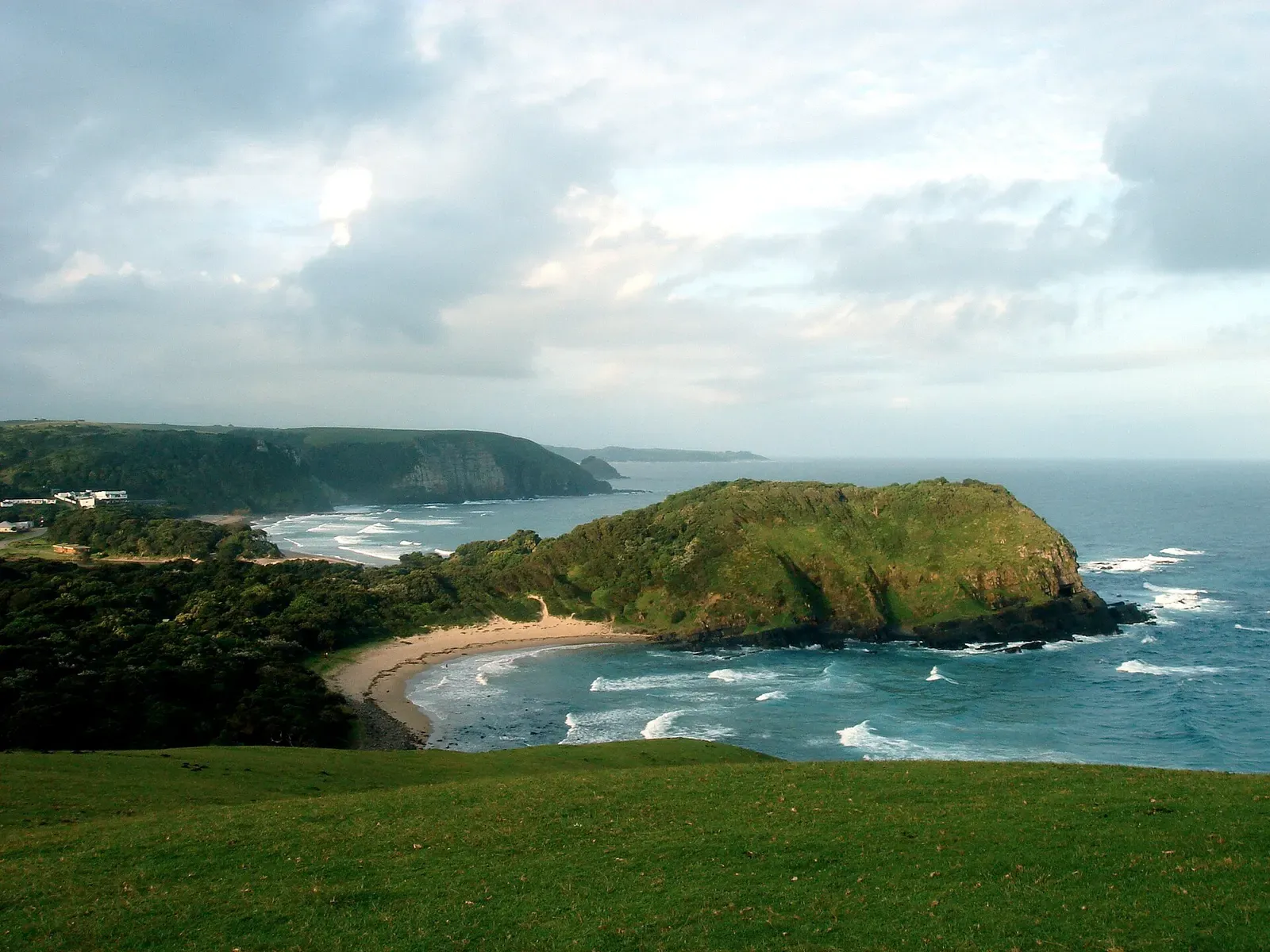
A massive shoal was reported off the bay during the 2011 run
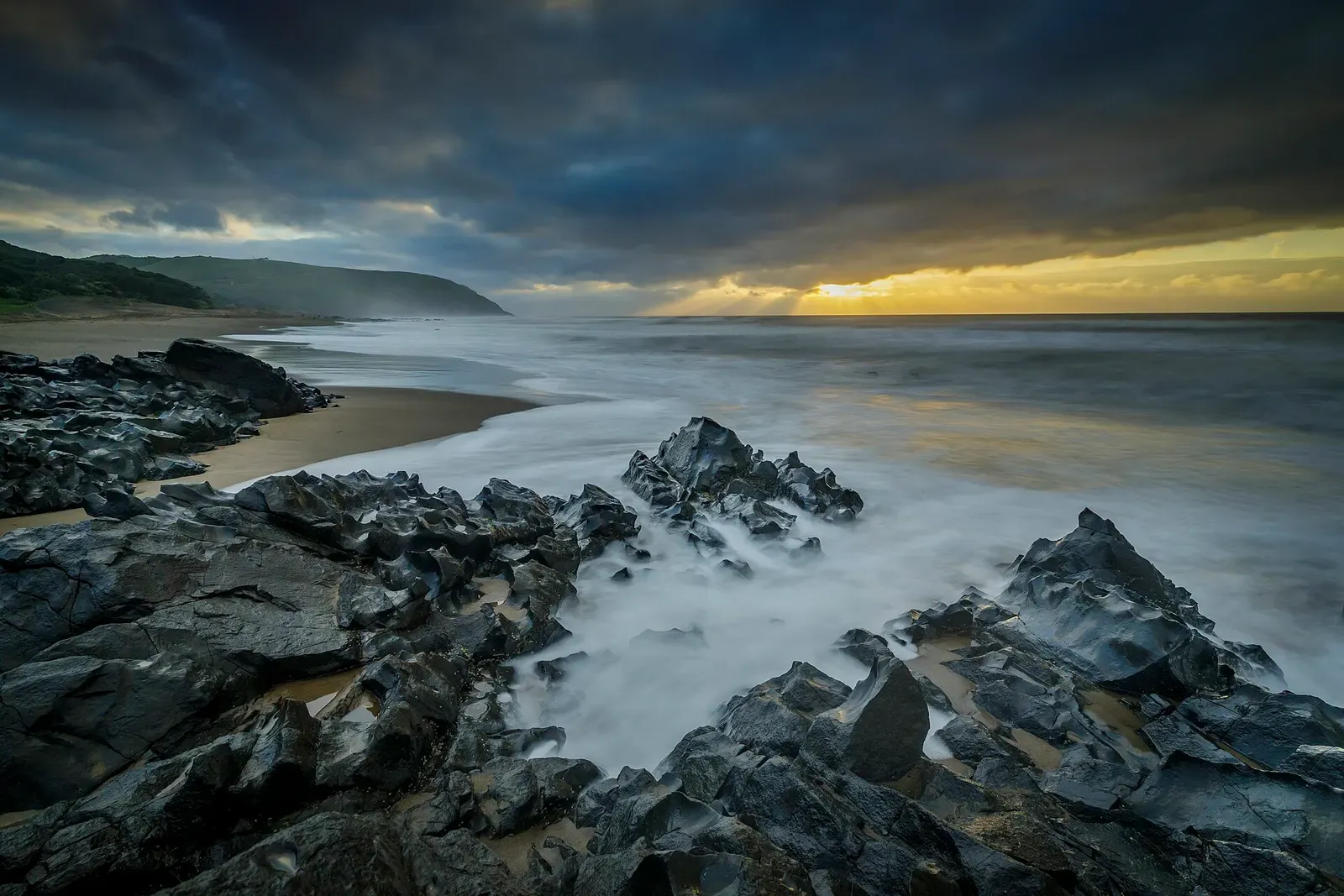
Bait balls 10-20 m across, worked from the surface to 10 metres
Similar dives elsewhere
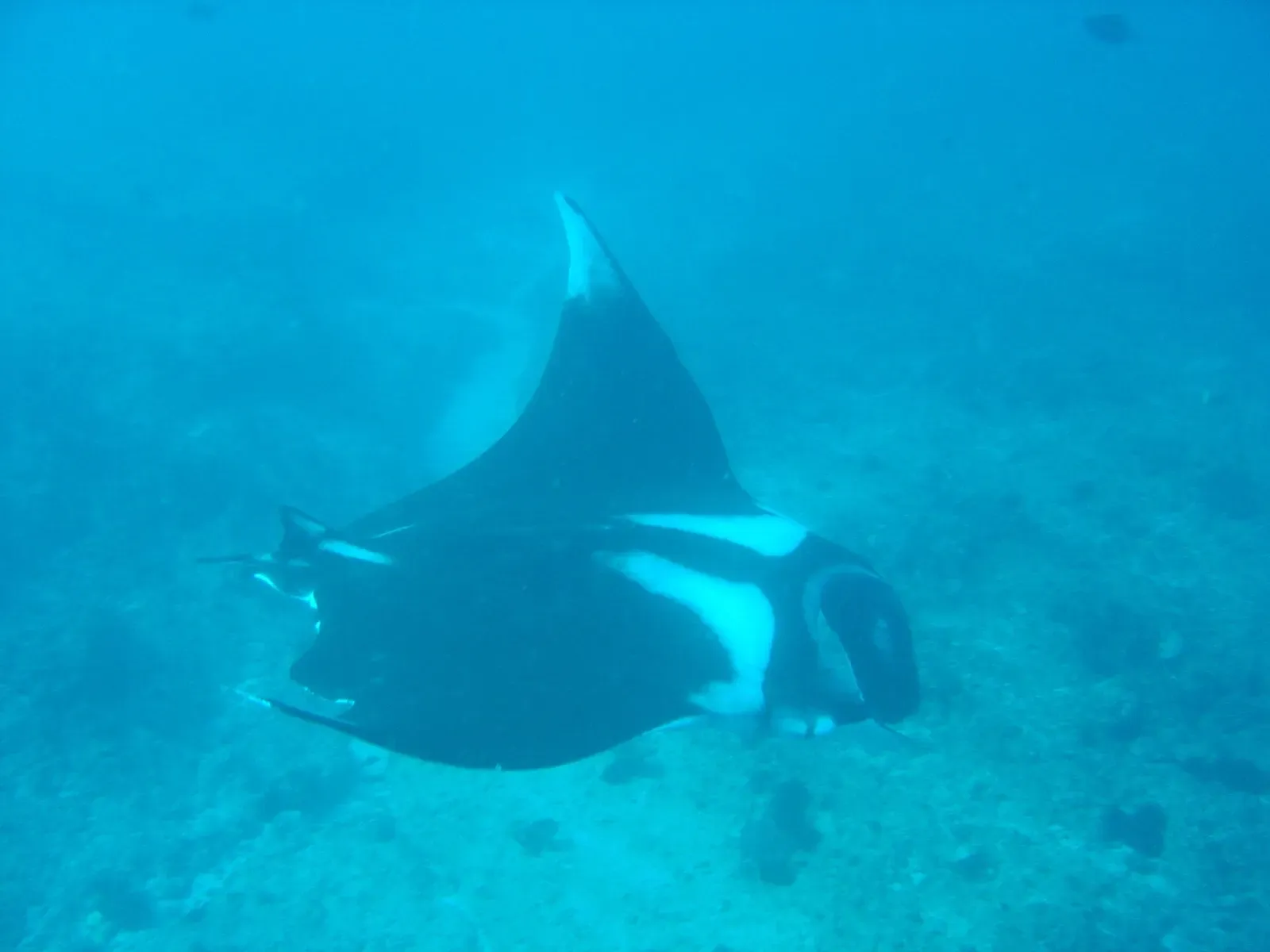
Manta cleaning stations on an amphitheatre of rock at 21-26 m
Reef
Mwanyaza
Diani Beach · Kenya
Turtles and blue-spotted rays on a long sloping reef
Durban's deep offshore reef, with caves used by migrating raggies.

Table corals crowded with sweetlips and unicornfish