Caribbean · Saint Kitts and Nevis
St. Kitts
Easy wrecks and coral-head reefs in calm, gentle water
St. Kitts has over a dozen dive sites close to shore, in a marine protected zone that surrounds the island; Sandy Point is a National Marine Park for its coral heads. Day boats run to wrecks such as the upright freighter River Taw, a field of colonial anchors at Anchors Away, and volcanic reefs with sandy channels such as Camps Reef. Most dives sit between 5 and 21 m (15–70 ft), with good visibility, calm seas and little current.
About diving in St. Kitts
Diving on St. Kitts is boat diving close to shore, all of it on the sheltered leeward side of the island. Most sites lie in the shelter of South Friar's Bay, off the coast from Basseterre, and further north in the shadow of Mt Liamuiga, and over a dozen are minutes from Port Zante Marina. Sites are chosen on the boat to suit the group's experience. Brimstone Shallows, a wall, is one of the furthest sites from shore. The Donut, off the south end, sits a little offshore and can be choppy, though its water is usually clear. Island sites can also be combined with Saba on a 7-night Caribbean liveaboard.
The island is volcanic, and the reefs show it: creviced rock cut by sandy channels, mini walls, and large coral heads with sand between them. Five shipwrecks lie across four sites, among them a freighter that now carries schools of yellowtail snapper and sergeant majors, a resident barracuda, rays, lobsters and green turtles. Southern stingrays and spotted eagle rays are common on the clear reefs near Green Point.
St. Kitts suits newer divers and anyone who wants relaxed dives in gentle water: most sites are easy, currents are mild, and the River Taw suits novices as well as experienced divers. Experienced divers have the deeper reef slopes, the strong currents that can run at Nags Head, and The Finger, an advanced site at 21–43 m (70–140 ft).
Best time to dive St. Kitts
| Jan | Feb | Mar | Apr | May | Jun | Jul | Aug | Sep | Oct | Nov | Dec |
|---|---|---|---|---|---|---|---|---|---|---|---|
| Prime | Prime | Prime | Prime | Prime | Fair | Fair | Fair | Fair | Fair | Fair | Prime |
December to May is the busiest diving season, and the winter months are dry, with the water at its coolest, around 26 °C (79 °F), from January to March. Diving runs all year. June to November is hurricane season, and the summer months are relatively wet, September above all. The water peaks at 29 °C (84 °F) in September and October.
Dive types & marine life
Caribbean reef sharks and nurse sharks are the headline, with dedicated shark dives. Nurse sharks nap among the ledges and coral heads at The Donut, and grey reef sharks turn up occasionally on the Brimstone Shallows wall. Camps Reef is where seahorses and frogfish are seen most often.
- Reef
- Wreck
- Wall
- Coral garden
- Reef sharks
- Sea turtles
- Eagle rays
- Stingrays
- Barracuda
- Frogfish
- Reef fish swarms
Best dive sites in St. Kitts
- 1
River Taw
A 44 m (144 ft) freighter sitting upright at 15 m (50 ft), crusted in corals and sponges.
- 2
Anchors Away
More than a dozen 17th- and 18th-century anchors seen on a single 45-minute dive.
- 3
Oceans Paradise
Caribbean reef shark dive about 2 miles offshore, where eagle rays and turtles are likely.
- 4
Paradise Reef
Reef and mini wall from 12 m (40 ft) to 40 m (130 ft), its deeper part for experienced divers, in mild current.
- 5
Camps Reef
Colourful, creviced volcanic reef cut by sandy channels, named for Camps parish.
- 6
Corinthian Wreck
Intermediate wreck dive at 11–21 m (35–70 ft), usually without current.
- 7
Nags Head Reef
South-end reef of huge rocks under Nags Head cliff, 5–18 m (15–60 ft), with tarpon and eagle rays.
Site guides
Reef
More than a dozen colonial anchors on a single dive
Reef
Coral formations sloping from 15 m (50 ft) to 40 m (130 ft)
Reef
Creviced volcanic reef cut by sandy channels
Reef
Nurse and reef sharks along a sloping reef and wall
Wreck
A tug standing upright in sand, ringed by reef
Pristine hard coral ringed by sand strips to 37 m (120 ft)
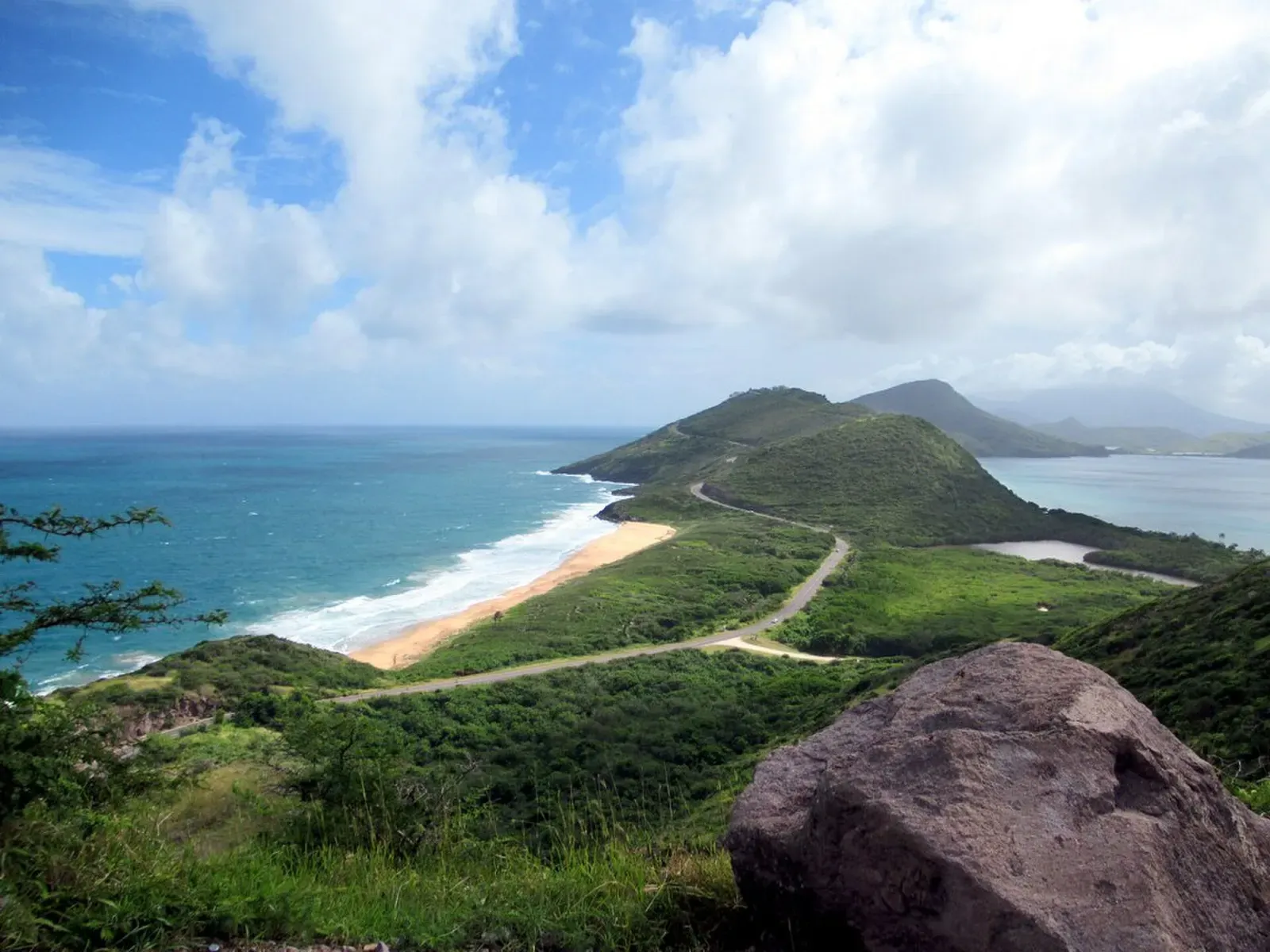
Huge coral-covered rocks under the Nags Head cliff
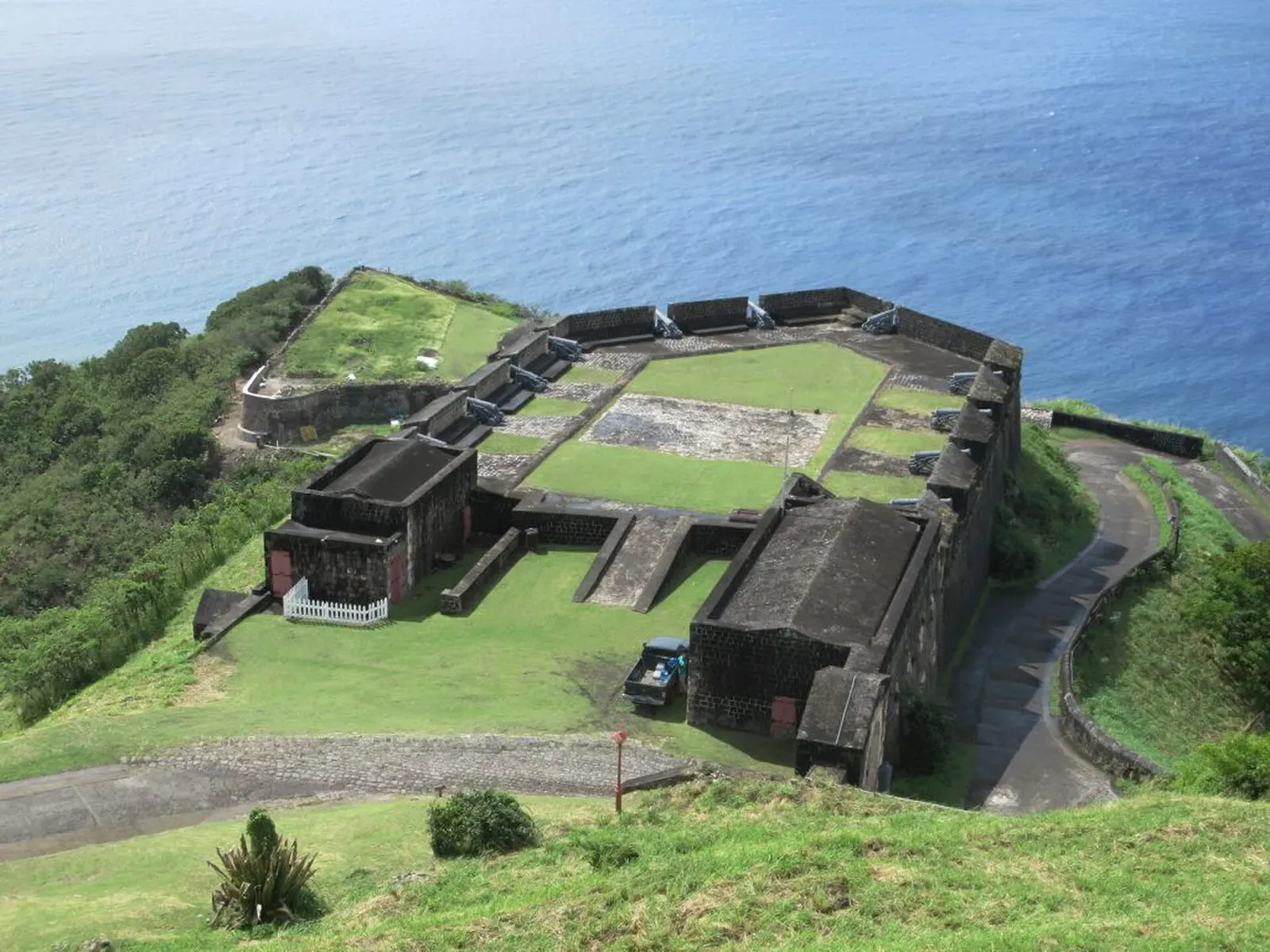
Healthy corals on a mini wall just past Brimstone Hill
Wreck
An upright freighter crusted in corals and sponges
How to get to St. Kitts
Robert L. Bradshaw International Airport serves St. Kitts. A dive boat ties up a 5-minute walk from the cruise ship terminal, so cruise passengers can walk to it, and hotel pickup covers the Frigate Bay area for divers staying on the island.
Dive videos
Scuba Diving in St Kitts · My St Kitts Dive Buddy on YouTube
Scuba Diving in St Kitts for the 2022 / 2023 season · Pro Divers St Kitts on YouTube
Questions divers ask
Is St. Kitts suitable for new divers?+
Partly. The River Taw, upright at 15 m (50 ft), suits novices as well as experienced divers, and sites are chosen on the boat to suit the group. Most other sites are intermediate or advanced reefs, and The Finger is kept for advanced divers.
When is the best time to dive St. Kitts?+
December to May is the dry, busy season. Diving continues all year, but June to November is hurricane season and September is the wettest month, while the water is warmest in September and October.
Can cruise passengers dive St. Kitts?+
Yes. A dive boat ties up a 5-minute walk from the cruise ship terminal, and over a dozen sites lie minutes from the marina.
Are there sharks on St. Kitts dives?+
Yes. Caribbean reef sharks and nurse sharks are the focus of dedicated shark dives, one of them about 2 miles offshore, and grey reef sharks turn up occasionally on the Brimstone Shallows wall.
Sources
- Dive Sites | Kenneth Dive Center — Kenneth's Dive Center
- Scuba Diving in St. Kitts | Pro Divers PADI 5-Star Center — Pro Divers St Kitts
- Diving in St Kitts - Caribbean Sea — Dive The World
- Saint Kitts and Nevis — Wikivoyage
- Saint Kitts — Wikipedia
Embed
Run a dive centre, club or blog? Embed this map of 12 dive sites near St. Kitts on your own page.
Similar destinations

Lava flows, old wreck sites and night turtles in a marine park
Caribbean
Nevis
Saint Kitts and Nevis
Swimming through the warm bubbles of a sulfur vent at Champagne Garden
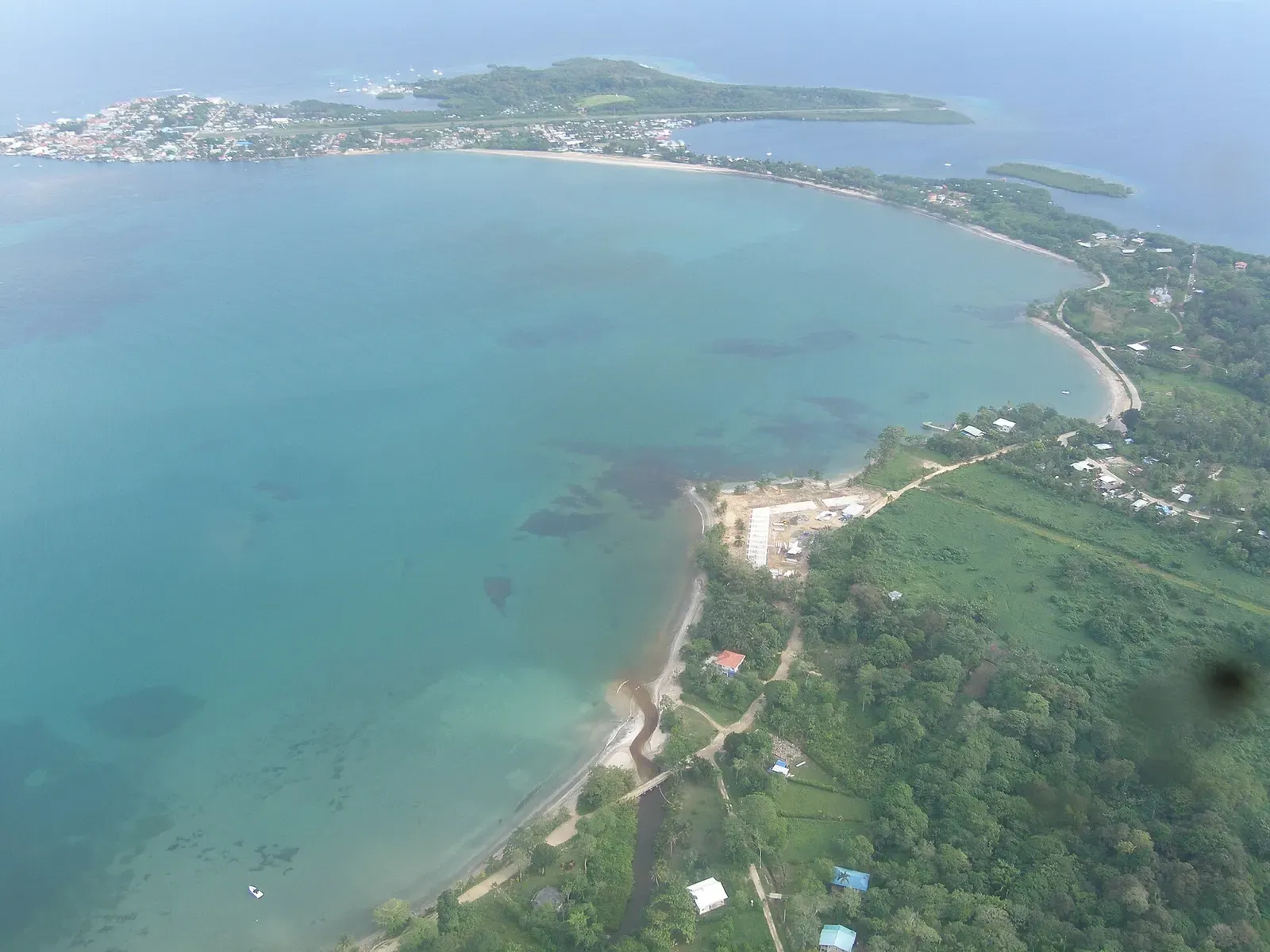
Panama's cheapest place to learn to dive, with a national marine park just offshore

A 350-cay national park atoll with walls and almost no other divers