
Mediterranean · Tunisia
Tabarka
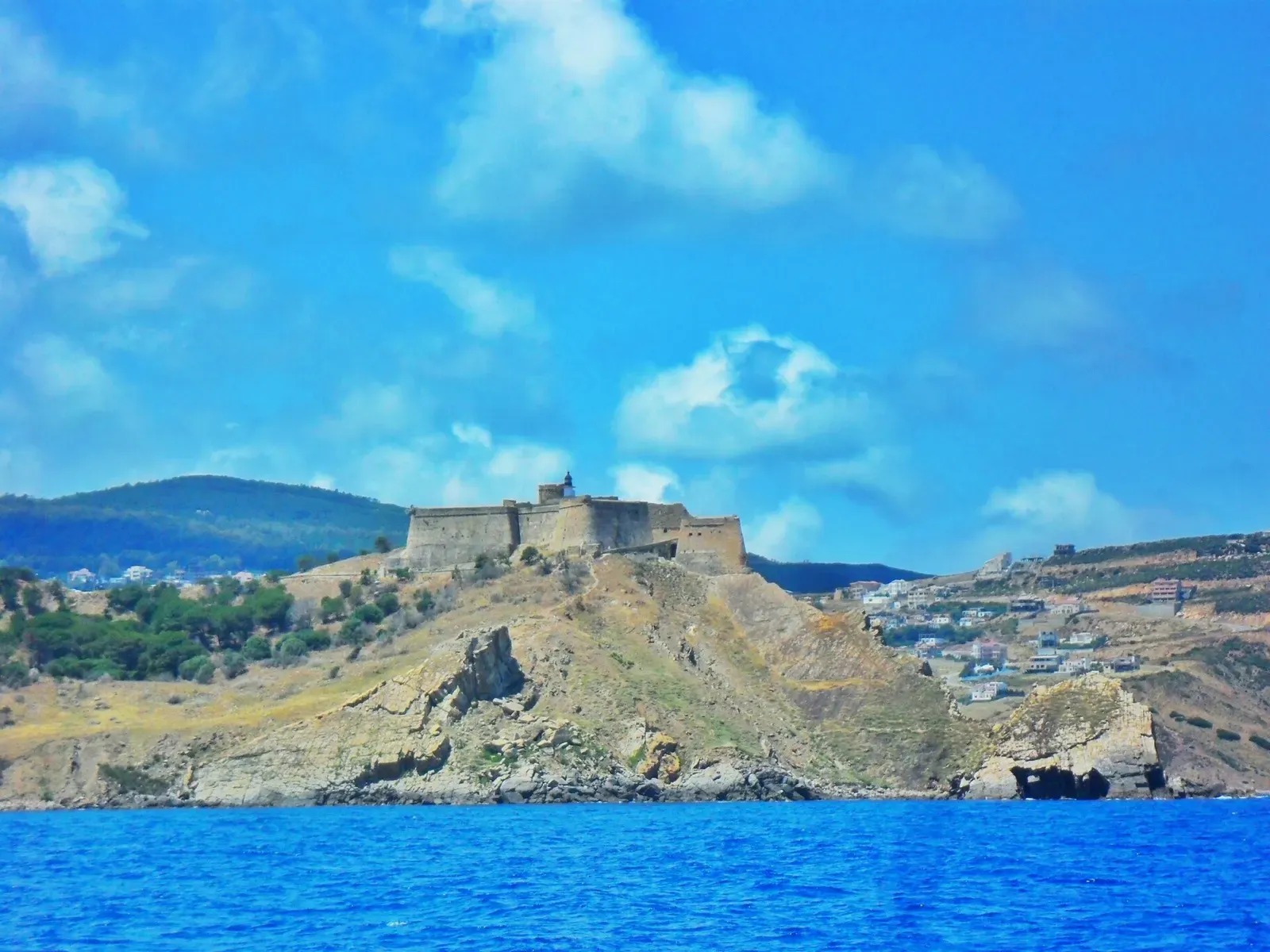
Dusky groupers patrol coral-lined tunnels beneath a Genoese fort
Photo: IssamBarhoumi · CC BY-SA 4.0
Tabarka sits on Tunisia's green northwest coast near the Algerian border, the Mediterranean's historic red-coral shore and North Africa's only real dive town. Rocky massifs below the Genoese fort are cut with tunnels, arches and swim-throughs patrolled by dusky groupers habituated by decades of protection, and red coral still lines the deeper overhangs. In settled summer weather, boats cross to La Galite, a wild offshore archipelago whose grouper population is among the Mediterranean's densest.
About diving in Tabarka
This is small-town diving run out of a working harbour. Boats leave for sites a few minutes off the headland, do two dives with a break in between, and are back for lunch; there is no shore diving in the mix, so the day is built around the boat and the wind. The season runs from roughly May to October, so the summer weeks are busy with Tunisian and European divers and the shoulder months can be very quiet.
Underwater, the rock that forms the spires along the shoreline continues as submerged massifs, split by tunnels, arches and swim-throughs wide enough to pass through in comfort. The shallow parts are bright and broken up, good for long, easy dives, while the seaward faces drop into shaded overhangs where red coral still grows at 30–40 m, on a coast that supplied Europe's coral trade for centuries. Visibility is decent rather than exceptional, 10–30 m, and drops after a blow.
The groupers are the reason most divers come back. Decades of protection have made them unusually bold, and at the boulder sites they will hold position and inspect a diver instead of retreating into the rock, which makes for straightforward photography. La Galite, the archipelago offshore, is the bigger day out and the harder one to secure: a long open crossing, only worth attempting in settled summer weather, holding one of the densest grouper populations in the Mediterranean.
Open Water divers are well served by the shallow massifs, but the coral overhangs sit deep enough to want Advanced training and careful gas planning, so the area repays divers who already have some Mediterranean rock diving behind them. Anyone expecting wrecks, big pelagics or a polished resort operation should look elsewhere. What Tabarka offers is unfussy diving on good rock, in the one corner of North Africa with a dive scene of its own.
Best time to dive Tabarka
| Jan | Feb | Mar | Apr | May | Jun | Jul | Aug | Sep | Oct | Nov | Dec | |
|---|---|---|---|---|---|---|---|---|---|---|---|---|
| Season | Off-season | Off-season | Fair | Fair | Good | Prime | Prime | Prime | Good | Good | Fair | Off-season |
| Sea surface | 16°C61°F | 15°C59°F | 15°C59°F | 16°C61°F | 19°C66°F | 22°C72°F | 26°C79°F | 27°C81°F | 26°C79°F | 24°C75°F | 21°C70°F | 18°C64°F |
| Daytime high | 19°C66°F | 20°C68°F | 23°C73°F | 27°C81°F | 29°C84°F | 36°C97°F | 38°C100°F | 38°C100°F | 35°C95°F | 31°C88°F | 26°C79°F | 20°C68°F |
| Rain | 108 mm4.3 in | 91 mm3.6 in | 79 mm3.1 in | 55 mm2.2 in | 52 mm2.0 in | 18 mm0.7 in | 21 mm0.8 in | 20 mm0.8 in | 47 mm1.9 in | 69 mm2.7 in | 104 mm4.1 in | 126 mm5.0 in |
| Jan | Feb | Mar | Apr | May | Jun |
|---|---|---|---|---|---|
| Off-season | Off-season | Fair | Fair | Good | Prime |
| Sea surface | |||||
| 16°C61°F | 15°C59°F | 15°C59°F | 16°C61°F | 19°C66°F | 22°C72°F |
| Daytime high | |||||
| 19°C66°F | 20°C68°F | 23°C73°F | 27°C81°F | 29°C84°F | 36°C97°F |
| Rain | |||||
| 108 mm4.3 in | 91 mm3.6 in | 79 mm3.1 in | 55 mm2.2 in | 52 mm2.0 in | 18 mm0.7 in |
| Jul | Aug | Sep | Oct | Nov | Dec |
|---|---|---|---|---|---|
| Prime | Prime | Good | Good | Fair | Off-season |
| Sea surface | |||||
| 26°C79°F | 27°C81°F | 26°C79°F | 24°C75°F | 21°C70°F | 18°C64°F |
| Daytime high | |||||
| 38°C100°F | 38°C100°F | 35°C95°F | 31°C88°F | 26°C79°F | 20°C68°F |
| Rain | |||||
| 21 mm0.8 in | 20 mm0.8 in | 47 mm1.9 in | 69 mm2.7 in | 104 mm4.1 in | 126 mm5.0 in |
2011–2025 averages. Sea surface: NOAA Coral Reef Watch, measured at the surface, so deeper water can run colder. Daytime high and rain: NASA POWER.
Winter swell hammers this exposed coast; May-October brings calm seas and the best visibility, with La Galite crossings only in settled summer weather.
Best months: June, July, August
Tabarka water temperature and weather by month
The sea surface runs from 15 °C (59 °F) in February to 27 °C (81 °F) in August. It is 24 °C (75 °F) or warmer from July to October. Most rain falls from October to March, peaking at about 130 mm (5.1 in) in December; June to August are the driest. Daytime highs reach 38 °C (100 °F) in July and drop to 19 °C (66 °F) in January. The coldest water here is about 14 °C (57 °F), so pack a 7 mm suit with a hood, or a semi-dry.
Dive types & marine life
Dusky groupers are the headline, joined by barracuda over the drop-offs, octopus and cuttlefish in the shallows and nudibranchs on the shaded rock, with red coral on the deeper overhangs. June to August is the settled peak, with May, September and October still good; winter swell effectively closes the coast.
- Reef
- Cave & cavern
- Wall
- Groupers
- Barracuda
- Octopus & cuttlefish
- Nudibranchs
Best dive sites in Tabarka
Headland rock to about 19 m, with groupers and dentex
Reef
Named for the grouper, and the deeper of Tabarka's two sites
Les Tunnels
Swim-throughs and arches cut through the rocky massif off Tabarka's fort.
La Galite
Remote archipelago reached in settled weather, dense with protected groupers.
How to get to Tabarka
Almost everyone arrives overland from Tunis, a road transfer of a few hours west along the coast, and stays in the town itself. All diving is by day boat from the port; the La Galite crossing needs a calm summer forecast and is booked as a full-day trip.
Photos from Tabarka
pepanos · CC BY 3.0
Photo credits
- Sunset over needle rocks and the fortified island beyond a pebble beach at Tabarka by IssamBarhoumi, CC BY-SA 4.0, via Wikimedia Commons
- Clear turquoise water surging over ochre rocks below a coastal massif by pepanos, CC BY 3.0, via Wikimedia Commons
Embed
Run a dive centre, club or blog? Embed this map of 1 dive sites near Tabarka on your own page.
Similar destinations

Four thousand Classical amphorae still stacked on the seabed at 25 m
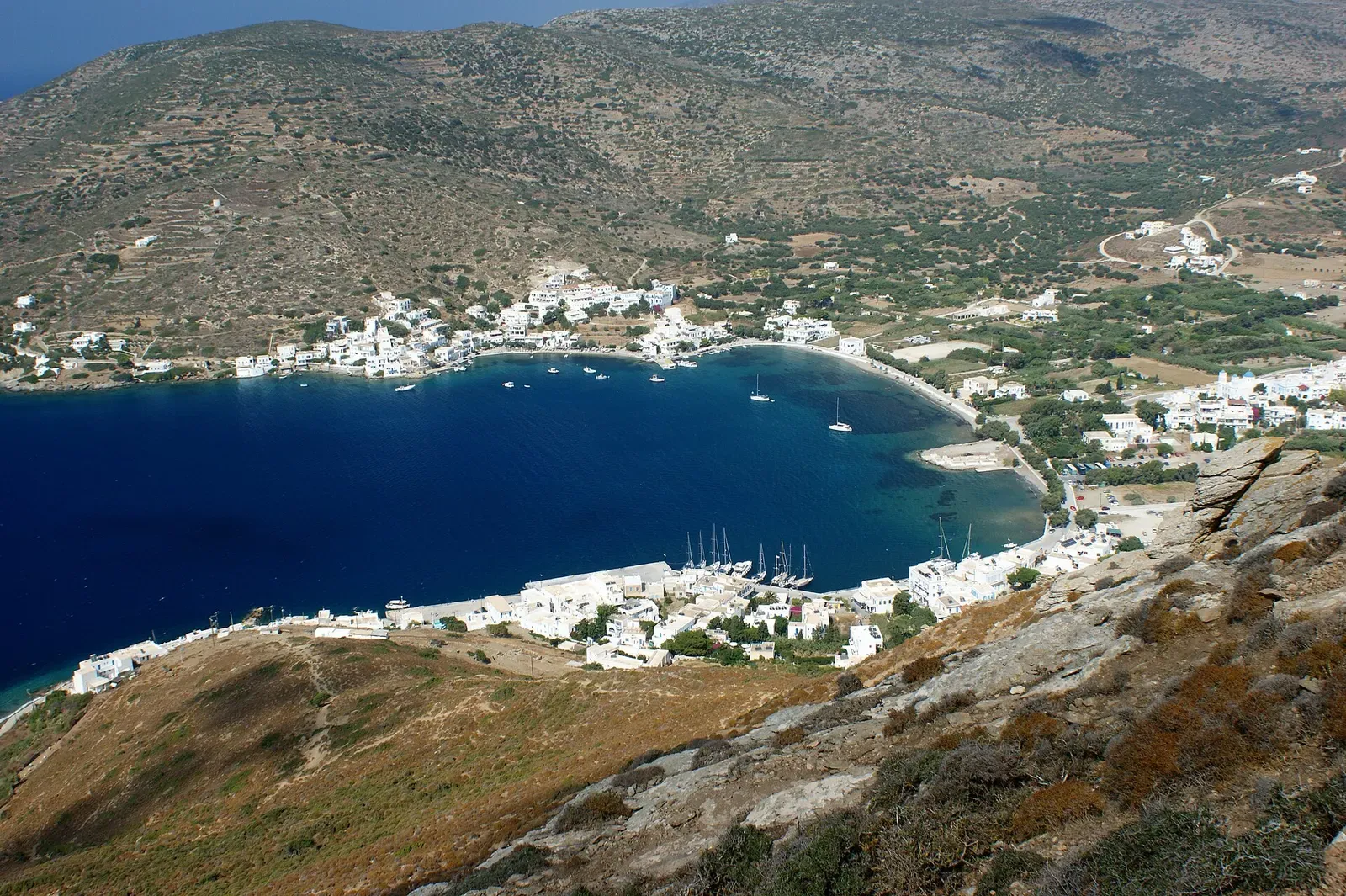
A 40 m wall under the monastery filmed in The Big Blue

A hot spring vents into the sea off Karaada's caves

.jpg)
A zoned 2016 marine reserve, a sunk minesweeper and a 3 km hypogenic cave