Cold Water · United Kingdom
Weymouth & Portland
Submarine wrecks at 30 to 39 m, and a shore site for training
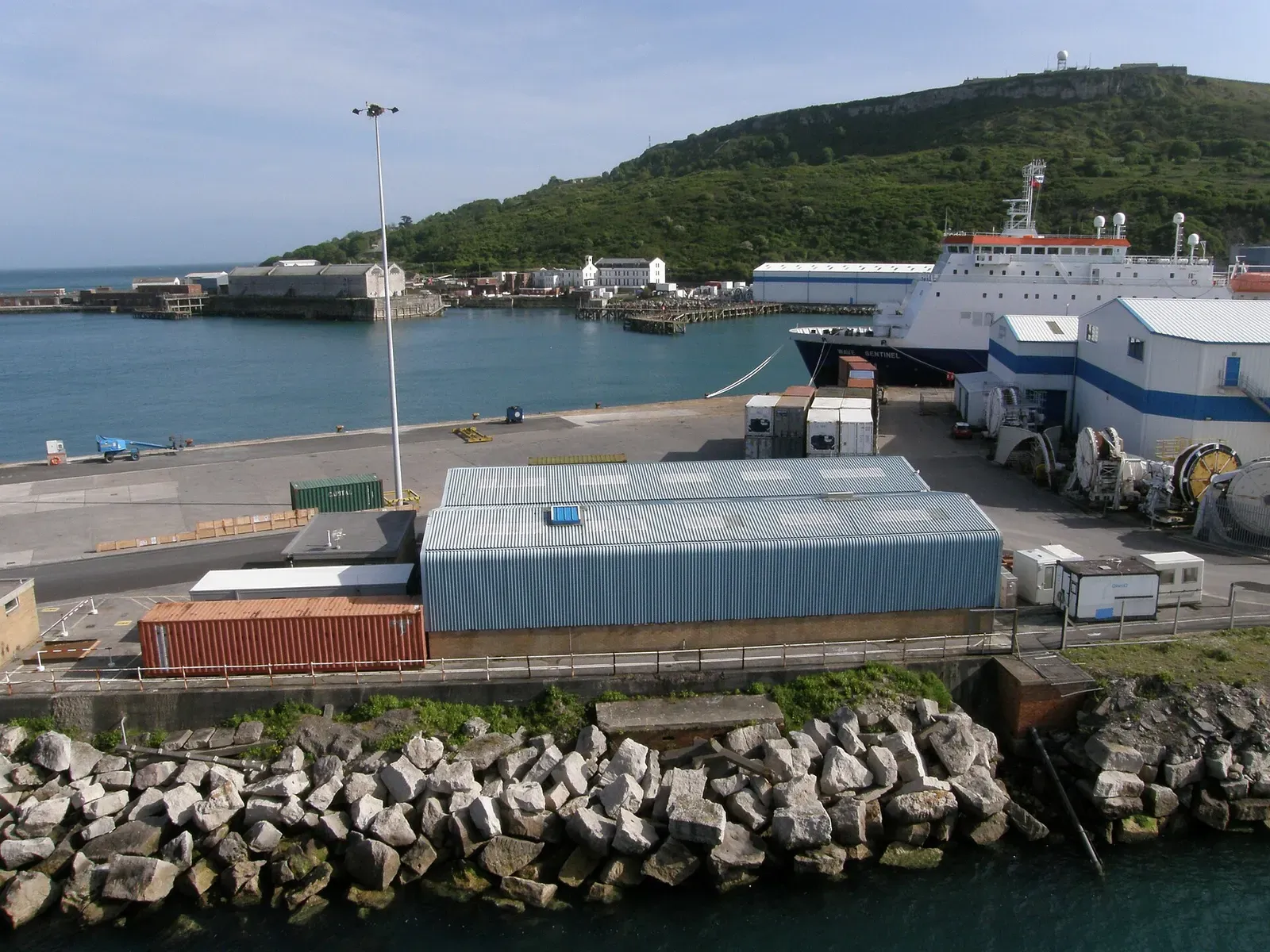
Photo: Jacko · CC BY-SA 2.0
Weymouth and Portland is a Channel wreck-diving base built on Portland Harbour and the charter boats at Portland Marina. The boats run to submarines and steamships between 20 and 39 m: the M2 with her keel at 30 m and her conning tower at 20, UB-74 at about 34 m, and P-555 upright and largely intact at 39 m. HMS Hood was scuttled across the harbour's southern entrance in 1914, and Chesil Cove, at the south end of Chesil Beach, is one of the best known shore dives in Britain, most of it inside 15 m and long used for training.
About diving in Weymouth & Portland
Almost everything offshore is a hardboat day out of Portland Marina and Portland Harbour, one of the largest man-made harbours in the world. Skin Deep Diving works an 11 m catamaran built for divers; Scimitar Diving is coded to carry twelve divers up to sixty miles offshore, so wrecks like the Aeolian Sky, twelve miles out, are a straightforward run. Several of the named wrecks have to be dived on slack water, so the day is set by the tide table. When the forecast closes the open sea, what is left is the wrecks inside the breakwaters.
The steel is the reason to come. Three submarines carry the area: the M2 upright with her keel at 30 m, UB-74 at about 34 m, and P-555 at 39 m, still largely whole. The merchant losses of 1939 sit a little shallower, the Elena R at about 27 m and the Alex van Opstal on a seabed at 30 m. Inside the breakwaters are HMS Hood, scuttled across the southern entrance in 1914 and known locally as Old Hole in the Wall, along with barges, a WWII landing craft, a Sea Vixen aircraft and the 1850s liner Himalaya. Restricted water exchange inside the harbour lifts temperatures enough that several species live there beyond the usual northern limit of their range.
The area suits divers building UK wreck experience rather than divers chasing a single headline hull. Chesil Cove takes trainees and needs no special skills; the harbour wrecks are sheltered inside the breakwaters; the submarines are the step up, and P-555 is pitched at divers holding a deep or extended-range qualification, with Iolanthe at 43 m past that again. It is drysuit diving, and drysuit use is its own training, done in a pool and at an inland site first. Portland Bill has a notorious tidal race and the Shambles sandbank alongside it, so the offshore programme is weather- and tide-led. Divers who want a bigger and deeper fleet in one anchorage should go to Scapa Flow.
When to dive Weymouth & Portland
| Jan | Feb | Mar | Apr | May | Jun | Jul | Aug | Sep | Oct | Nov | Dec |
|---|---|---|---|---|---|---|---|---|---|---|---|
| Fair | Fair | Fair | Good | Good | Prime | Prime | Prime | Prime | Good | Fair | Fair |
Sea temperature runs from about 7 °C in February to 17 °C in August; winter gales off the Atlantic rather than the cold are what stop the boats.
Dive types & marine life
The reliable interest is small and close in. Chesil Cove holds south-coast life on the shingle: nudibranchs, dogfish, spider crabs, lobster, cuttlefish, pipefish and John Dory. Inside Portland Harbour the breakwaters restrict water exchange and raise the temperature, so several species hold there beyond the normal northern limit of their range.
- Wreck
- Muck & macro
- Nudibranchs
- Octopus & cuttlefish
- Macro critters
Notable dive sites in Weymouth & Portland
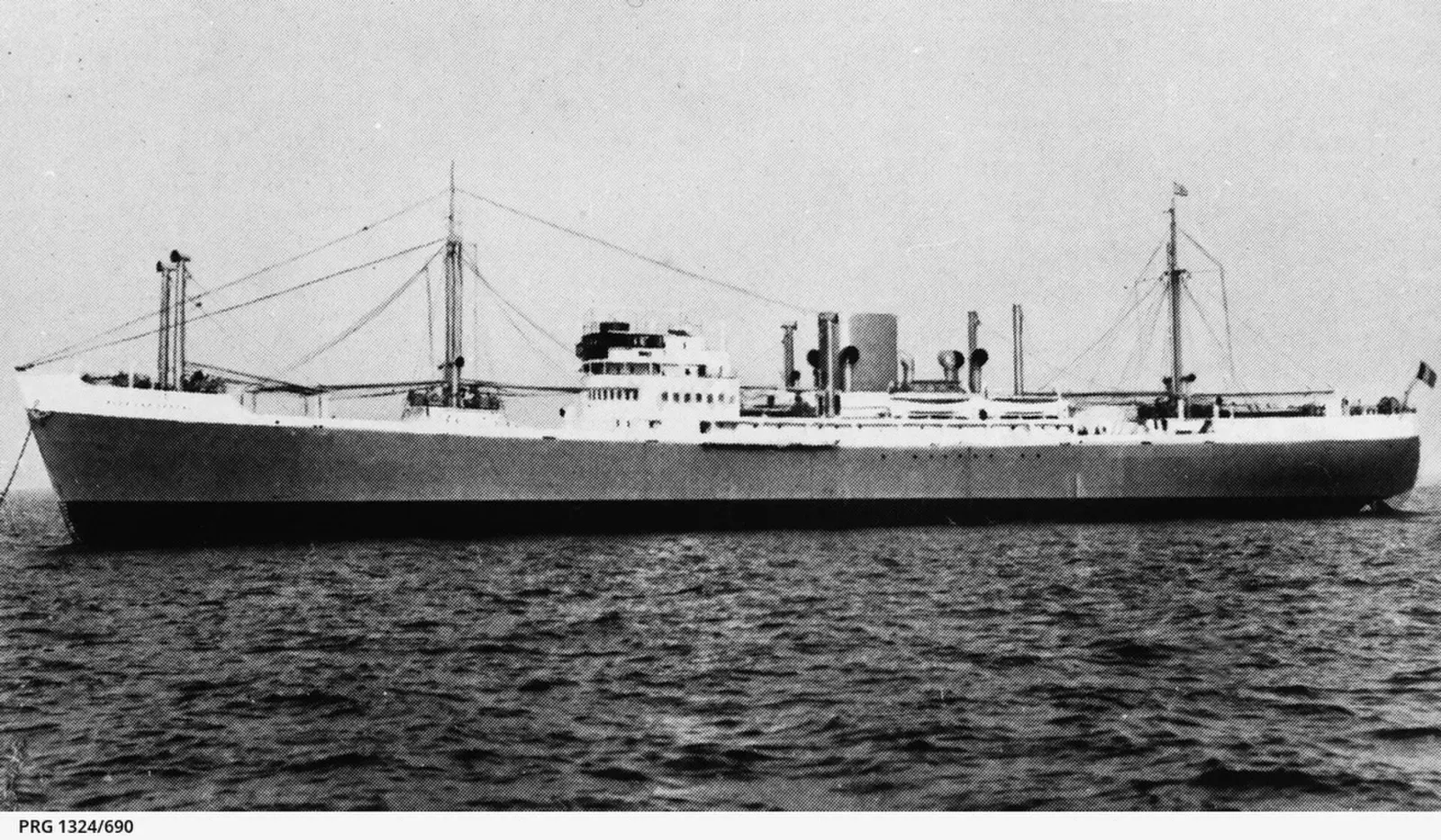
A 1939 mine casualty broken across a 30 m seabed
Wreck
A flat bow-section wreck at 17 to 20 m with reef alongside
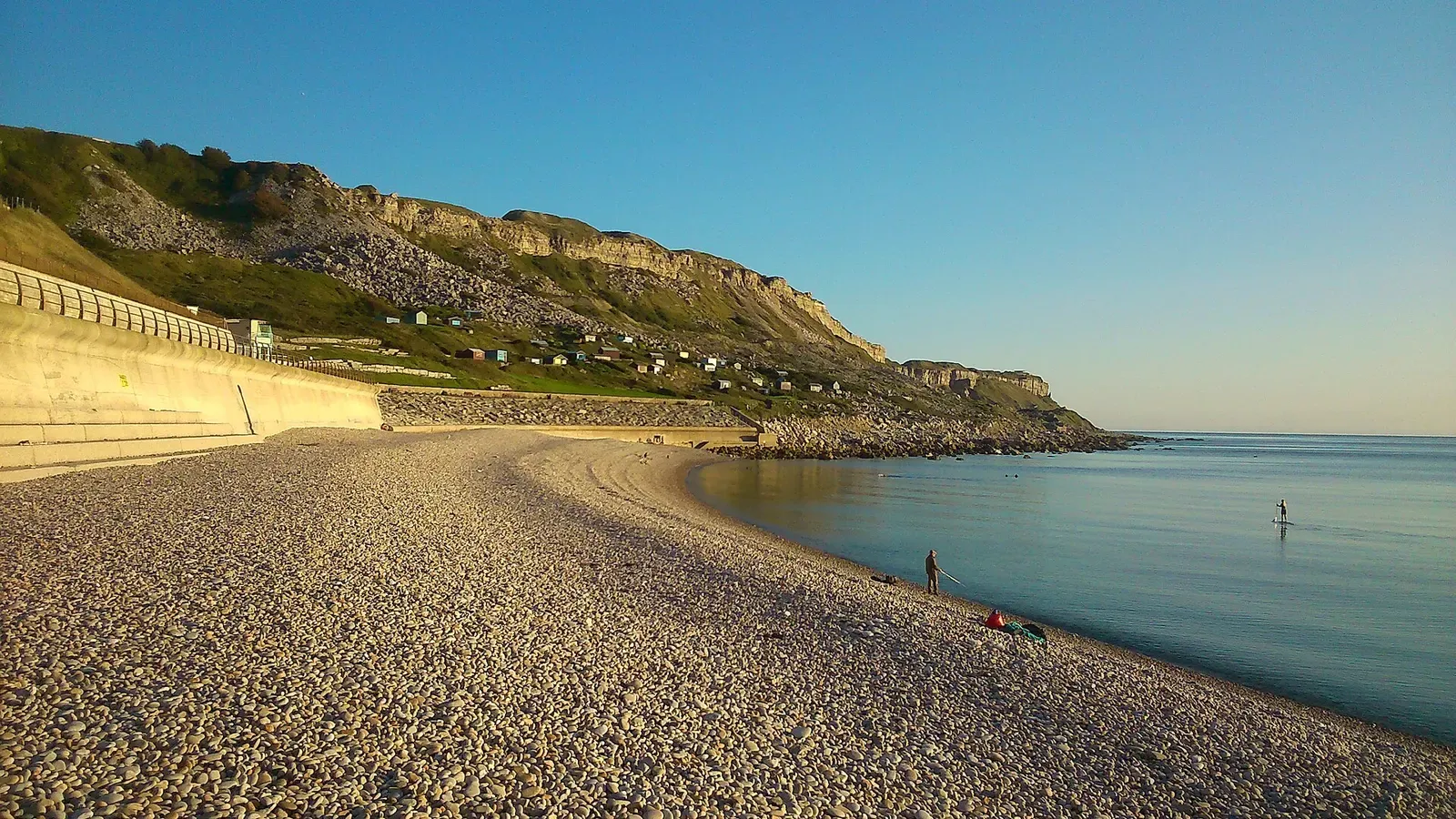
Shore entry over shingle into boulders and kelp to 15 m
Wreck
An 1868 paddle steamer upright beside the Portland breakwater
Wreck
Boilers at 24 m on the edge of the Shambles Bank
Wreck
A 1918 torpedo loss at 36 to 38 m on clean sand
Wreck
An upright submarine hull under a coat of plumose anemones
Wreck
Torpedo tubes and a 3in gun on a submarine at 40 m
Wreck
A shallow wreck inside the breakwater for a first wreck dive
Wreck
A First World War U-boat at 34 m with congers in the hull
Getting there
Weymouth is the terminus of the South West line, with hourly trains from London Waterloo and a less frequent service from Bristol; by road it is the A354 off the A35 at Dorchester. The cross-Channel ferry is gone, the last sailing in 2015. The dive shop is on Portland, at the Maritime Business Centre on Mereside, and the charter boats work from Portland Marina.
Photos from Weymouth & Portland
Noisar · CC BY-SA 2.0
Katherine Stott · CC BY-SA 2.0
Katherine Stott · CC BY-SA 2.0
garryknight · CC BY 2.0
Photo credits
- Ships docked at Portland Harbour's Deep Water Berth, with rocks and a hillside beyond by Jacko, CC BY-SA 2.0, via Wikimedia Commons
- A long concrete breakwater wall with waves breaking against it in Portland Harbour by Noisar, CC BY-SA 2.0, via Wikimedia Commons
- Stone arches along the Inner Breakwater at Portland Harbour, with a hillside behind by Katherine Stott, CC BY-SA 2.0, via Wikimedia Commons
- A stone archway on the Inner Breakwater housing large cable winch machinery by Katherine Stott, CC BY-SA 2.0, via Wikimedia Commons
- A warning sign for an underwater obstruction rising from the sea at Greenhill Beach, Weymouth by garryknight, CC BY 2.0, via Openverse
Similar destinations

Giant Pacific octopus over 4 m across, and wolf eels paired in rock dens

Sweden's only cold-water coral reefs, inside its first marine national park

Giant Pacific octopus and anemone-covered walls in the 'Emerald Sea'
,_Portland_Harbour.jpg)


England's first marine reserve, and its grey seals follow divers around