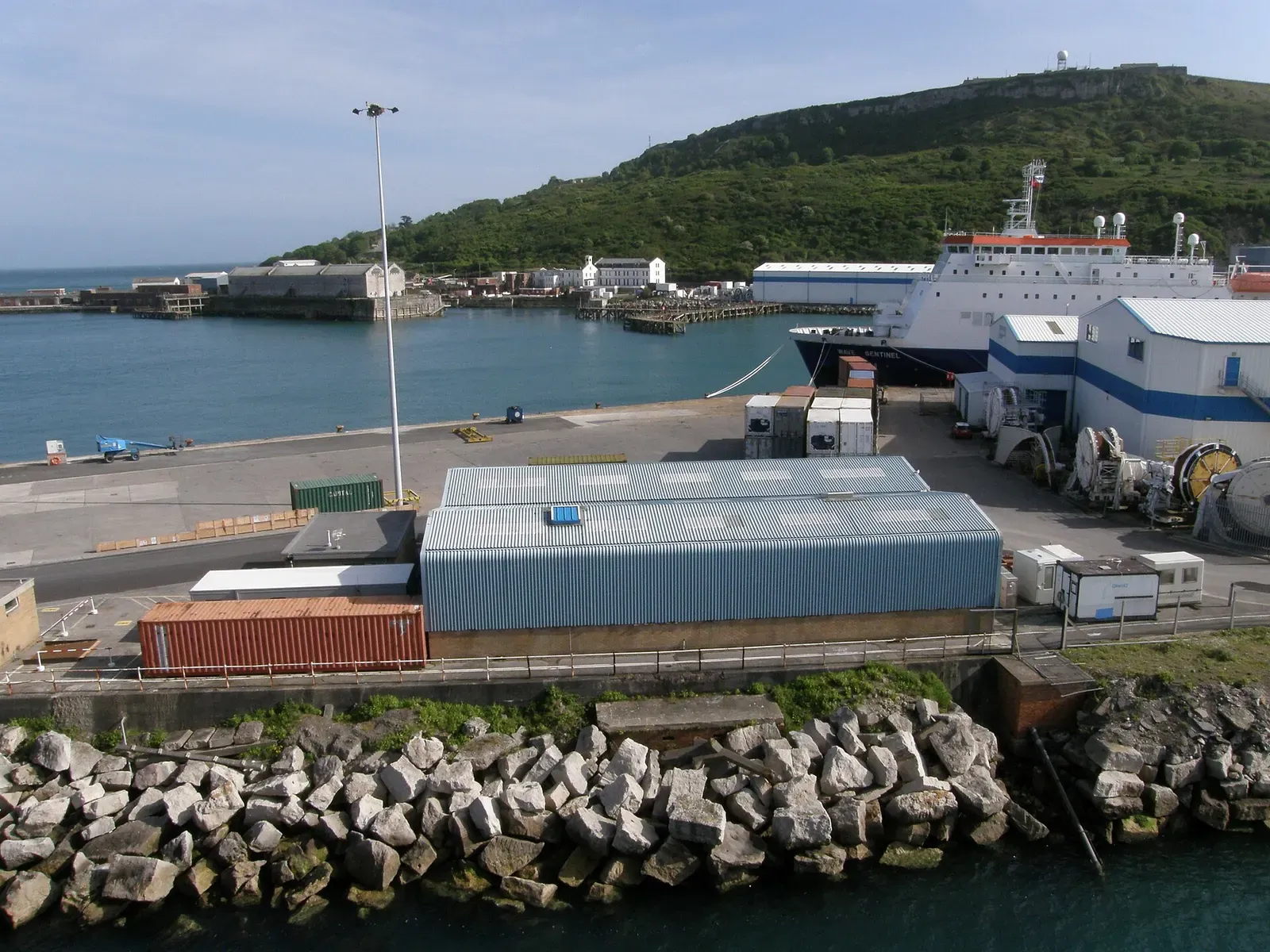
Weymouth & Portland · United Kingdom · Wreck
British Inventor
Only the bow sank here: flat tanker wreckage at 17 to 20 m beside rocky reef
Area photo: Jacko · CC BY-SA 2.0
British Inventor was a 131 m steam tanker mined off Dorset on 13 June 1940. She was beached, salvors broke her in two and towed the stern away, and the bow section stayed here. What is left is a fairly flat spread of plates on sand and gravel, with scallops on the open ground, crabs on the reef and the occasional lobster.
Also known as SS British Inventor.
Where it is and how deep
50.6003° N, 2.2941° WApproximate position — the dashed circle shows where the site lies; your operator's briefing has the mooring.
The dive
This is a fairly flat wreck: plates and other wreckage spread over a mainly sand and gravel bottom, with published depths for the site running from 17 m to 20 m and nothing standing high enough to see from any distance. Only the bow section of the ship sank here, the rest having been towed away, so there is no stern and no engine room, and no obvious ship shape to navigate by once you are down.
Work the wreckage in a slow pattern rather than swimming a straight line. Plenty of scallops are around on the open ground, and the rocky reefs beside the wreck carry crabs, shoals of fish and the occasional lobster. The mix of flat wreck and reef is what makes the dive, and the edge between plates and gravel is the easiest thing to follow back when the visibility drops.
The wreck
- Vessel
- SS British Inventor
- Type
- Steam tanker; only the bow section sank here
- Length
- 131.1 m (430 ft)
- Built
- 1926
- Sunk
- 1940
- Cause
- Mined off St Alban's Head on 13 June 1940 and beached; she was broken in two, the stern towed away and the bow left
- Lies
- The bow section, broken up where it lay, fairly flat on a mainly sand and gravel bottom at 17 to 20 m
Palmer's Shipbuilding & Iron Company built British Inventor at Jarrow in 1926 for the British Tanker Company, the shipping arm of the Anglo-Persian Oil Company that later became BP: a steel steam tanker of 7,101 gross tons and 131.1 m (430 ft). On 13 June 1940, carrying fuel oil and diesel from Abadan to Hamble, she struck a mine about 5 nautical miles from St Alban's Head and was beached. Salvors broke her in two that summer and towed the stern to Portland to discharge her cargo, then to Southampton. Salvaging the bow was judged impracticable, so it was broken up where it lay.
Marine life and season
- Macro critters
- Reef fish swarms
| Jan | Feb | Mar | Apr | May | Jun | Jul | Aug | Sep | Oct | Nov | Dec |
|---|---|---|---|---|---|---|---|---|---|---|---|
| Fair | Fair | Fair | Good | Good | Prime | Prime | Prime | Prime | Good | Fair | Fair |
Season follows Weymouth & Portland: Sea temperature runs from about 7 °C in February to 17 °C in August; winter gales off the Atlantic rather than the cold are what stop the boats.
Questions divers ask
What was the British Inventor?+
A 131 m steam tanker built at Jarrow in 1926 for the British Tanker Company. She struck a mine off Dorset on 13 June 1940 and was beached. Salvors broke her in two and towed the stern away; the bow was left, and it is the wreck dived today.
How deep is the British Inventor wreck?+
17 to 20 m, on a mainly sand and gravel bottom. The wreck is low and fairly flat, with no overhead and no special skills needed, and rocky reef lies alongside it.
Sources
- SS British Inventor (+1940) — Wrecksite
- British Inventor 1926 — Tyne Built Ships
- List of shipwrecks in June 1940 — Wikipedia
- British Tanker Company — Wikipedia
- British Inventor (Wreck) - Scubago — Scubago
- Dive Sites — Dive Beyond
More dive sites in Weymouth & Portland
Wreck
HMS M2
An upright submarine hull under a coat of plumose anemones
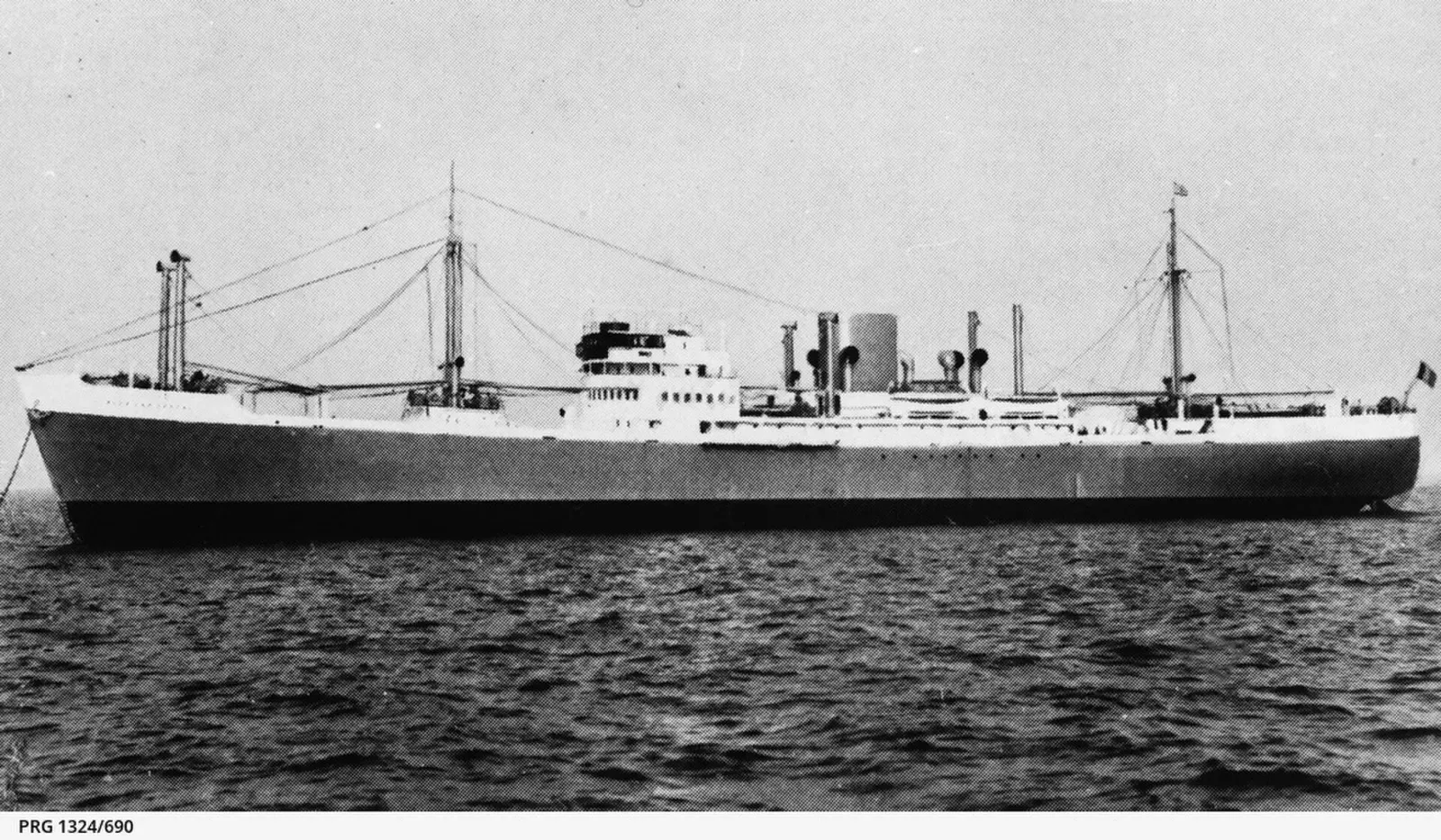
A 1939 mine casualty broken across a 30 m seabed
Wreck
Elena R
Boilers at 24 m on the edge of the Shambles Bank
Wreck
Ethel
A 1918 torpedo loss at 36 to 38 m on clean sand
Wreck
Countess of Erne
An 1868 paddle steamer upright beside the Portland breakwater
Wreck
Spaniard/Encuri
A shallow wreck inside the breakwater for a first wreck dive
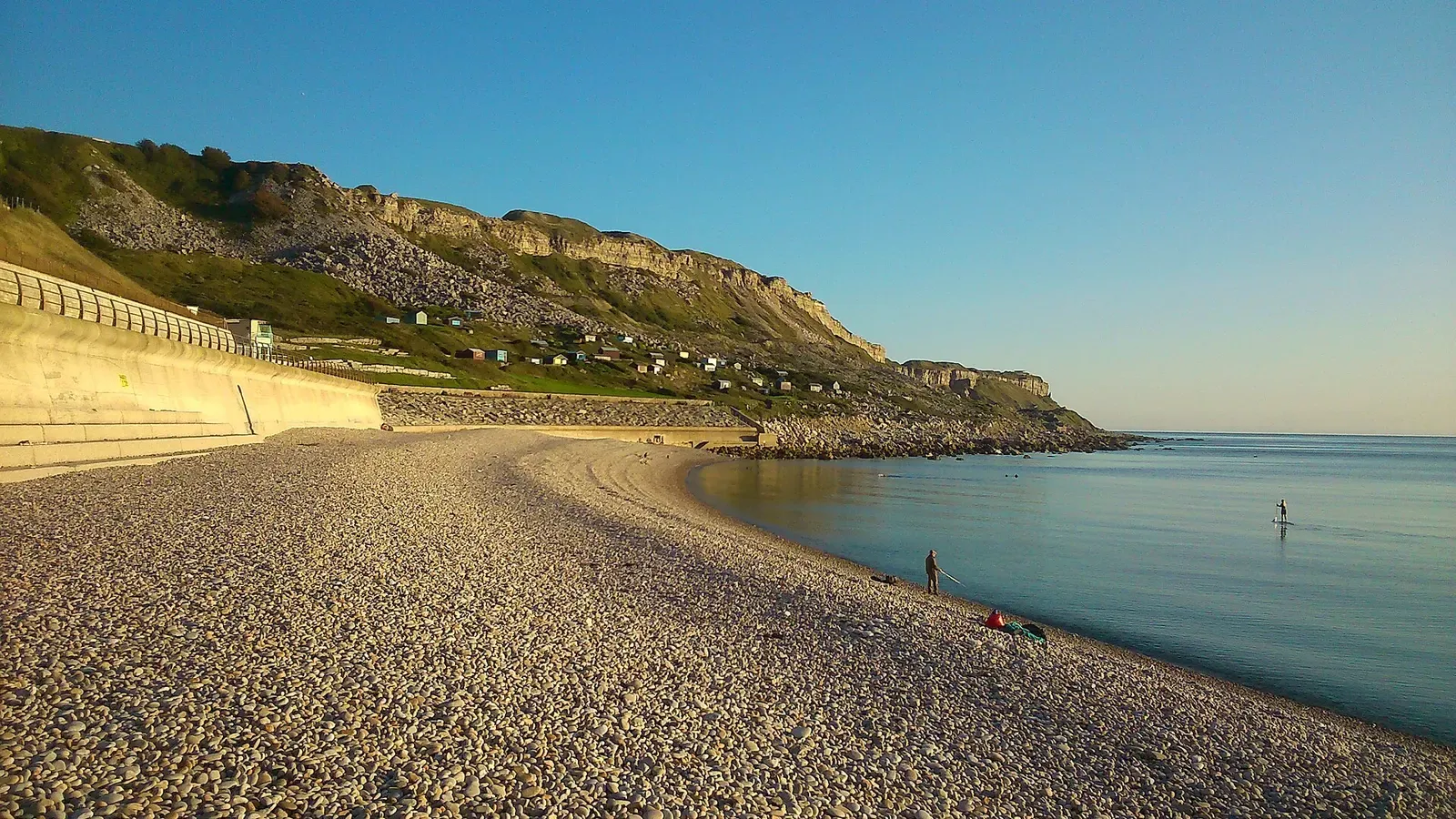
Shore entry over shingle into boulders and kelp to 15 m
Wreck
UB-74
A First World War U-boat at 34 m with congers in the hull
Similar dives elsewhere
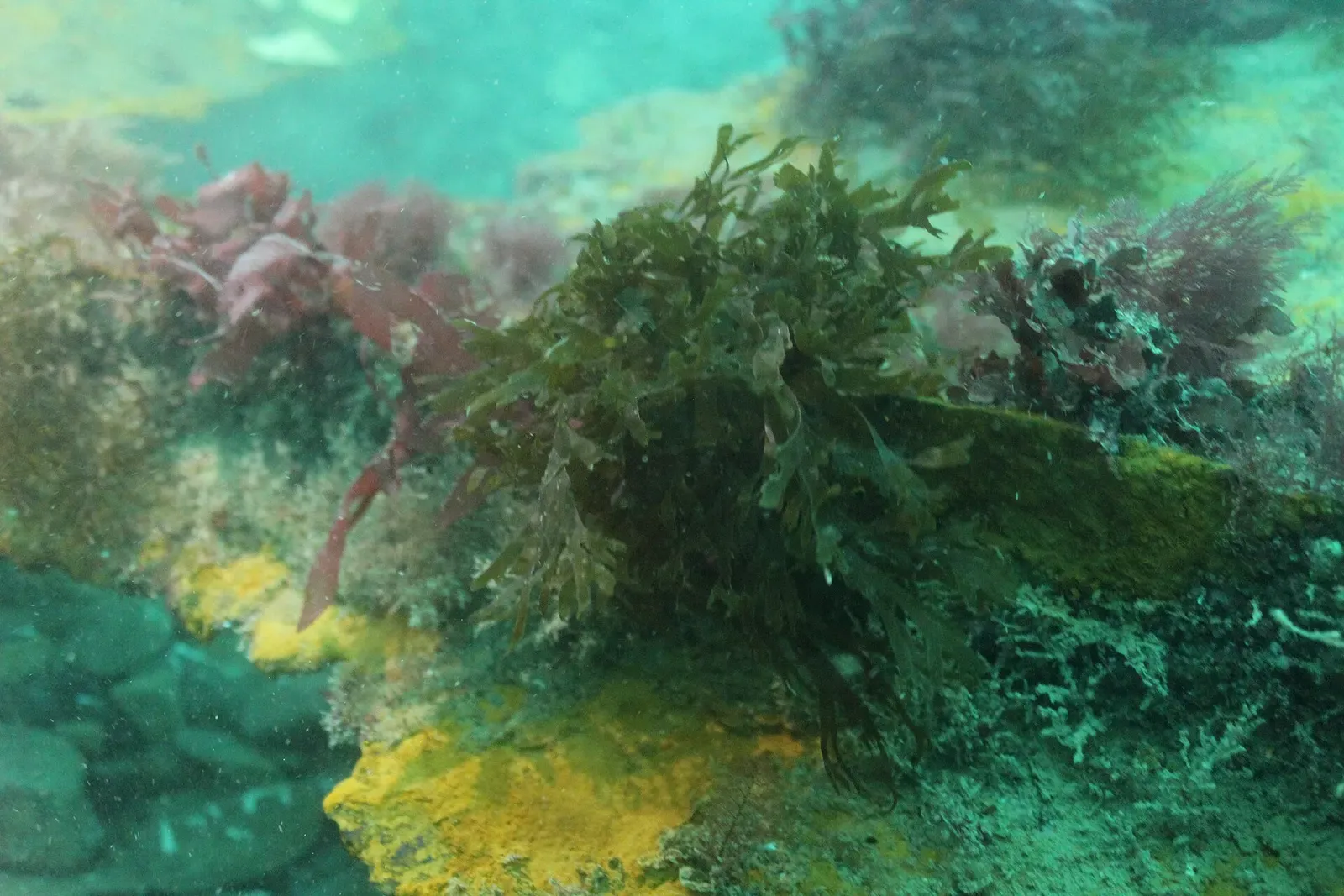
A luxury steam yacht scuttled near the Shag Stone for divers
Wreck · South Funen Archipelago · Denmark
M/F Ærøsund
Denmark's last train ferry, scuttled to grow into an artificial reef
Wreck · Stockholm Archipelago & Dalarö · Sweden
Anna Maria
An Amsterdam-built fluit that caught fire and sank at the Dalarö quay

A whole frigate laid down on sand as Europe's first artificial diving reef