
Coral Triangle · Indonesia
Alor
Strong straits sweep past pristine coral cover between remote volcanic islands.
Photo: Sims8899 · CC BY-SA 4.0
Alor, at the eastern end of the Lesser Sunda chain, combines cold-water upwelling reef diving with muck sites around Kalabahi Bay, all within a remote, sparsely visited area reached mainly by liveaboard. Currents can run strong and unpredictable through narrow straits, sweeping divers past pristine coral cover and reef fish, while sheltered muck sites hold frogfish and mandarinfish on volcanic sand. Villages along the coast remain largely traditional, with limited dive infrastructure ashore.
About diving in Alor
Diving here means living aboard. The day is set by the tide rather than the clock, so briefings open with a slack-water plan and dives get moved or dropped at short notice when a channel is running too hard to work. Tenders put groups in up-current of a point and collect them wherever they surface, and negative entries are common on the exposed sites. Between dives the boat repositions between islands, and an afternoon often shifts into a sheltered bay once the straits are running hard.
Two very different kinds of diving sit within a short run of each other. On the channel sides, slopes and walls fall steeply into moving water that keeps the coral hard, dense and low-growing, with fish stacked into every break in the flow; the upwelling that feeds this can push a cold layer up the face mid-dive, and the temperature can fall several degrees inside a single dive. Inside the sheltered bays the picture inverts entirely: dark volcanic sand, rubble, still water, and everything worth seeing sitting on the bottom.
The area rewards divers who are relaxed about being moved around and who read water before entering it, and it punishes fixed wish lists, since weather and tide set the running order. Pack a thicker exposure suit than the rest of Indonesia calls for, because the thermoclines are the reason the recorded temperature range here runs down into the low twenties. What the effort buys is a schedule with no other boats in it, on a trip where the crossings between islands are a real part of the week rather than dead time.
Best time to dive Alor
| Jan | Feb | Mar | Apr | May | Jun | Jul | Aug | Sep | Oct | Nov | Dec | |
|---|---|---|---|---|---|---|---|---|---|---|---|---|
| Season | Fair | Fair | Fair | Good | Good | Prime | Prime | Prime | Prime | Good | Good | Fair |
| Sea surface | 29°C84°F | 29°C84°F | 29°C84°F | 29°C84°F | 29°C84°F | 29°C84°F | 28°C82°F | 28°C82°F | 28°C82°F | 29°C84°F | 30°C86°F | 30°C86°F |
| Daytime high | 29°C84°F | 29°C84°F | 30°C86°F | 31°C88°F | 30°C86°F | 30°C86°F | 30°C86°F | 30°C86°F | 31°C88°F | 32°C90°F | 32°C90°F | 31°C88°F |
| Rain | 284 mm11.2 in | 229 mm9.0 in | 165 mm6.5 in | 101 mm4.0 in | 55 mm2.2 in | 43 mm1.7 in | 21 mm0.8 in | 9 mm0.4 in | 11 mm0.4 in | 41 mm1.6 in | 96 mm3.8 in | 226 mm8.9 in |
| Jan | Feb | Mar | Apr | May | Jun |
|---|---|---|---|---|---|
| Fair | Fair | Fair | Good | Good | Prime |
| Sea surface | |||||
| 29°C84°F | 29°C84°F | 29°C84°F | 29°C84°F | 29°C84°F | 29°C84°F |
| Daytime high | |||||
| 29°C84°F | 29°C84°F | 30°C86°F | 31°C88°F | 30°C86°F | 30°C86°F |
| Rain | |||||
| 284 mm11.2 in | 229 mm9.0 in | 165 mm6.5 in | 101 mm4.0 in | 55 mm2.2 in | 43 mm1.7 in |
| Jul | Aug | Sep | Oct | Nov | Dec |
|---|---|---|---|---|---|
| Prime | Prime | Prime | Good | Good | Fair |
| Sea surface | |||||
| 28°C82°F | 28°C82°F | 28°C82°F | 29°C84°F | 30°C86°F | 30°C86°F |
| Daytime high | |||||
| 30°C86°F | 30°C86°F | 31°C88°F | 32°C90°F | 32°C90°F | 31°C88°F |
| Rain | |||||
| 21 mm0.8 in | 9 mm0.4 in | 11 mm0.4 in | 41 mm1.6 in | 96 mm3.8 in | 226 mm8.9 in |
2011–2025 averages. Sea surface: NOAA Coral Reef Watch, measured at the surface, so deeper water can run colder. Daytime high and rain: NASA POWER.
April–November dry season gives the most reliable liveaboard access and calmer crossings.
Best months: June, July, August, September
Alor water temperature and weather by month
The sea surface stays between 28 and 30 °C (82–86 °F) all year. Most rain falls from December to March, peaking at about 280 mm (11 in) in January; it stays largely dry from May to October. Daytime highs sit around 30 °C (86 °F) all year. Below the surface the water can drop to about 22 °C (72 °F), so pack a 5 mm suit.
Dive types & marine life
Current-swept walls carry hard coral cover, reef sharks, eagle rays, napoleon wrasse and jacks holding in the flow; the bays inside hold frogfish, mandarinfish and nudibranchs on volcanic sand. Diving runs all year, but June to September is the most dependable window for reaching the exposed sites, with April, May, October and November close behind and December to March the least settled.
- Drift
- Muck & macro
- Wall
- Reef
- Reef sharks
- Napoleon wrasse
- Eagle rays
- Nudibranchs
- Frogfish
- Mandarinfish
- Pristine corals
- Trevally & jacks
Best dive sites in Alor
Muck & macro
Black sand to 20 metres with regular rhinopias sightings
Wall
Steep wall to 30 metres, the strait's moderate-current option
Muck & macro
Two jetties over a steep sand slope to 30 metres
Wall
A sheer Pantar Strait face dropping to 90 metres
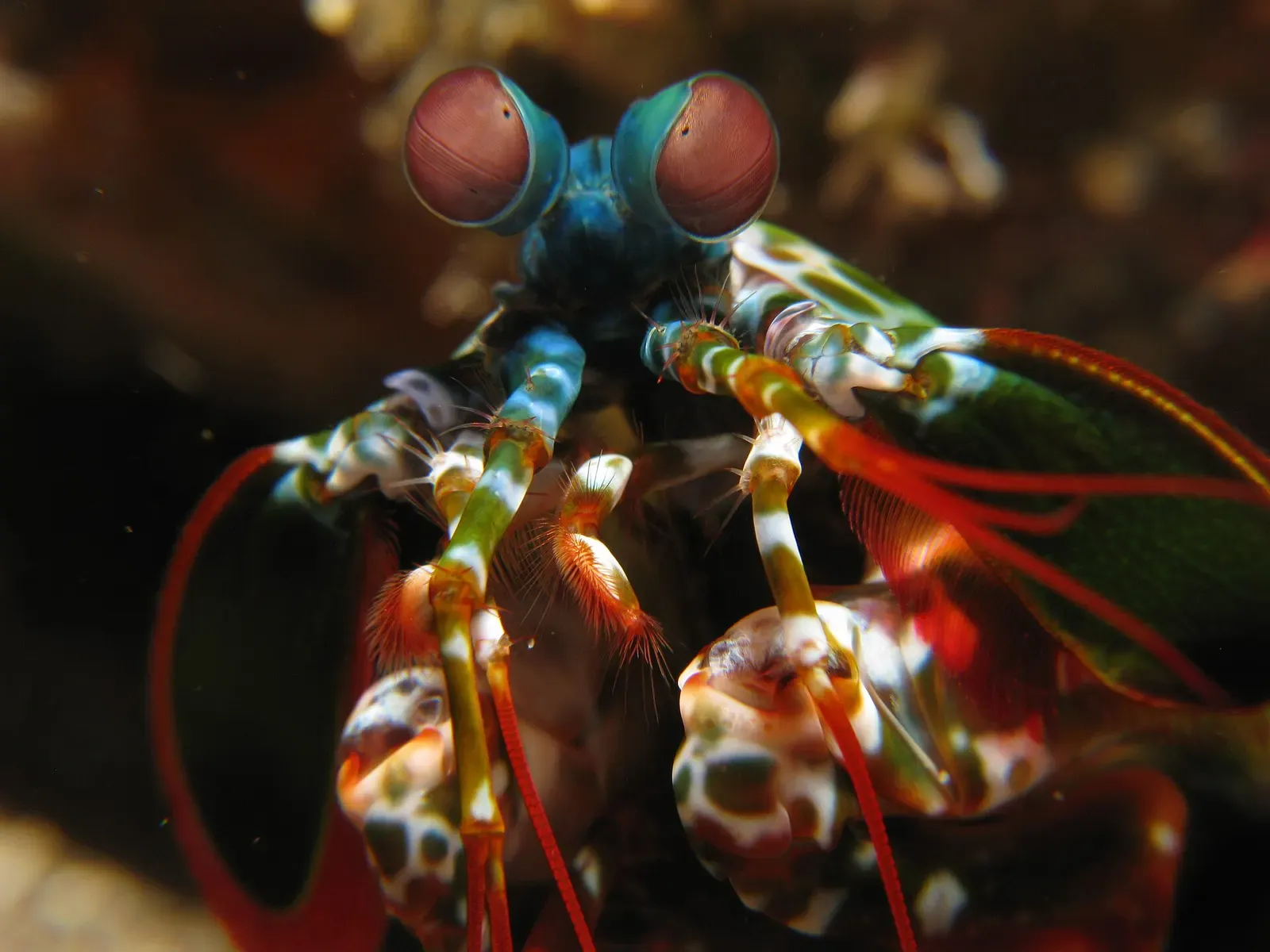
Reported as the world's largest aggregation of anemones
Reef
Hard coral gardens from 5 to 30 metres, out of the strait's flow
Muck & macro
Black sand to 27 metres, at its best after dark
Reef
Sea apples scattered across the reef between 15 and 25 metres
Wall
A 15 to 40 metre wall with the strait's most consistent pelagics
Muck & macro
Volcanic black sand under a hot springs beach on Pantar
The Arch
Swim-through arch in Kalabahi Bay thick with soft coral.
Fish Market Wall
Current-swept wall with dense schooling reef fish.
How to get to Alor
Almost everyone arrives on a liveaboard working the eastern Lesser Sundas, joining or leaving at Maumere on Flores or Kupang in West Timor. Kalabahi is the island's port town, with a small airport nearby served by flights from Kupang. April to November brings the calmer crossings, and the boat stays your base, transport and surface interval throughout.
Photos from Alor
prilfish · CC BY 2.0
Sims8899 · CC BY-SA 4.0
Dive videos
Amazing Diving from Alor, Indonesia May 2018 · Gerry Green on YouTube
ALOR︱THE UNDERWATER GARDEN OF EDEN︱PANTAR STRAIT︱WORLD-CLASS SCUBA DIVING︱4K HDR VIDEO · MOKEN PLANET on YouTube
Photo credits
- Crystal-clear turquoise water off Pura Island with a volcanic peak rising across the strait by Sims8899, CC BY-SA 4.0, via Wikimedia Commons
- An Indonesian wobbegong shark resting camouflaged on the seabed beneath a coral overhang by prilfish, CC BY 2.0, via Wikimedia Commons
- Small fishing boats anchored in calm blue water off Ternate Island with mountains beyond by Sims8899, CC BY-SA 4.0, via Wikimedia Commons
Embed
Run a dive centre, club or blog? Embed this map of 9 dive sites near Alor on your own page.
In The Logbook
- The best wall dives in the worldWalls & drop-offs · 11 min read
Similar destinations
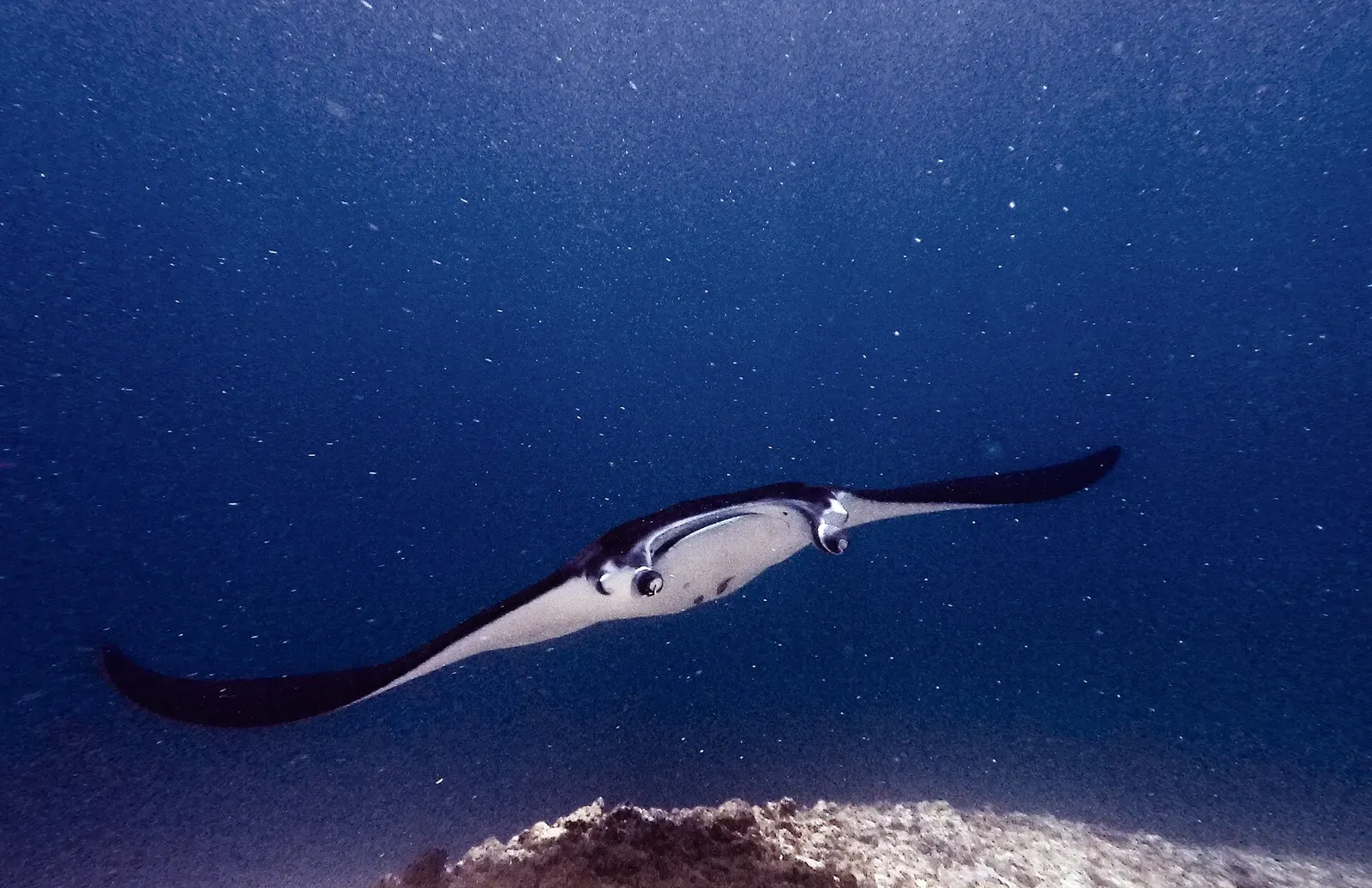
Drift dives past sharks and tuna on current-swept seamounts

Drift dives through some of the richest marine life on Earth
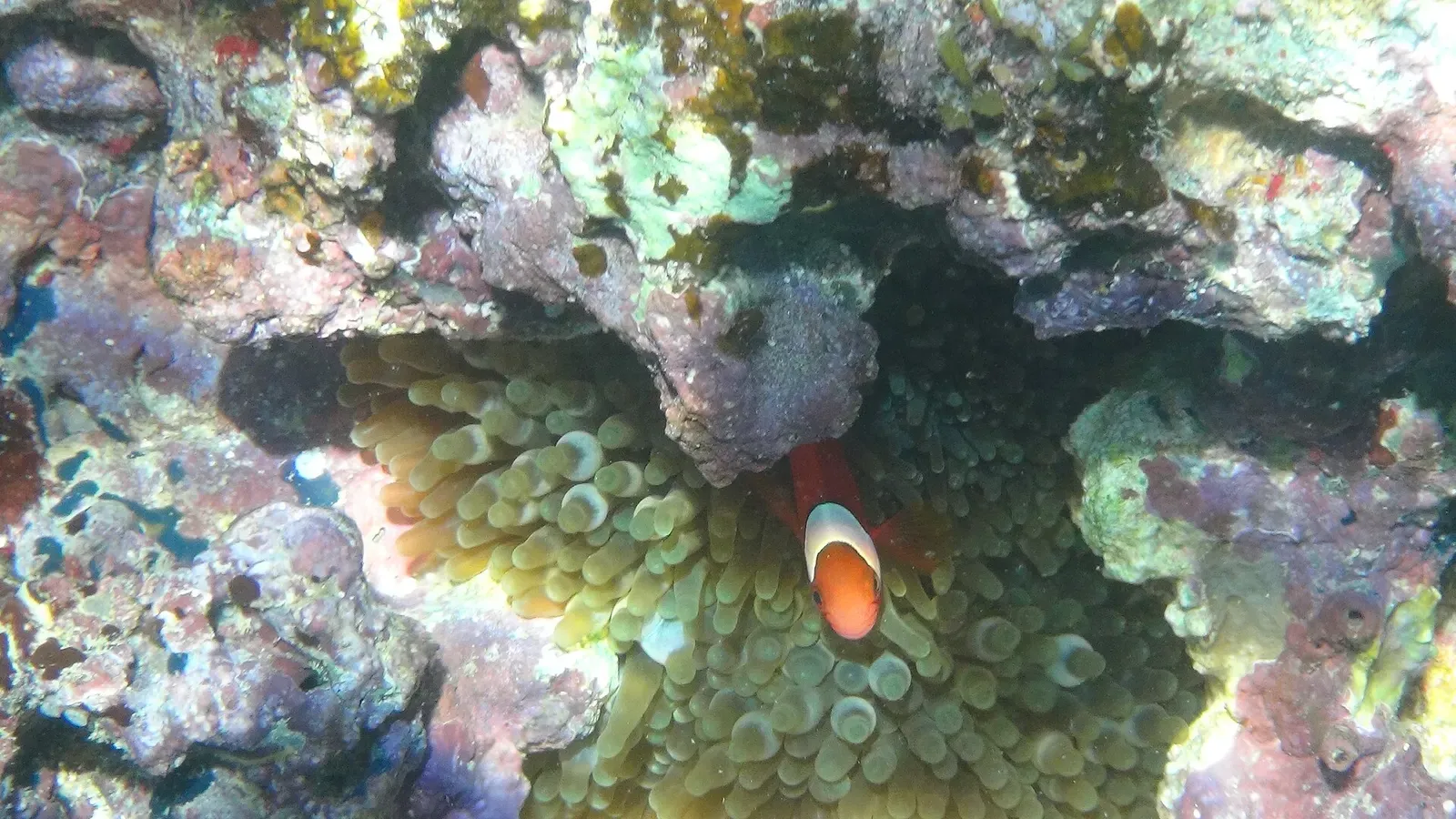
Walls from 5 m past 60, and a dive base of its own


Step off a jetty into the world's largest lagoon, or cross to open ocean