Coral Triangle · Indonesia
Komodo
Drift dives past sharks and tuna on current-swept seamounts
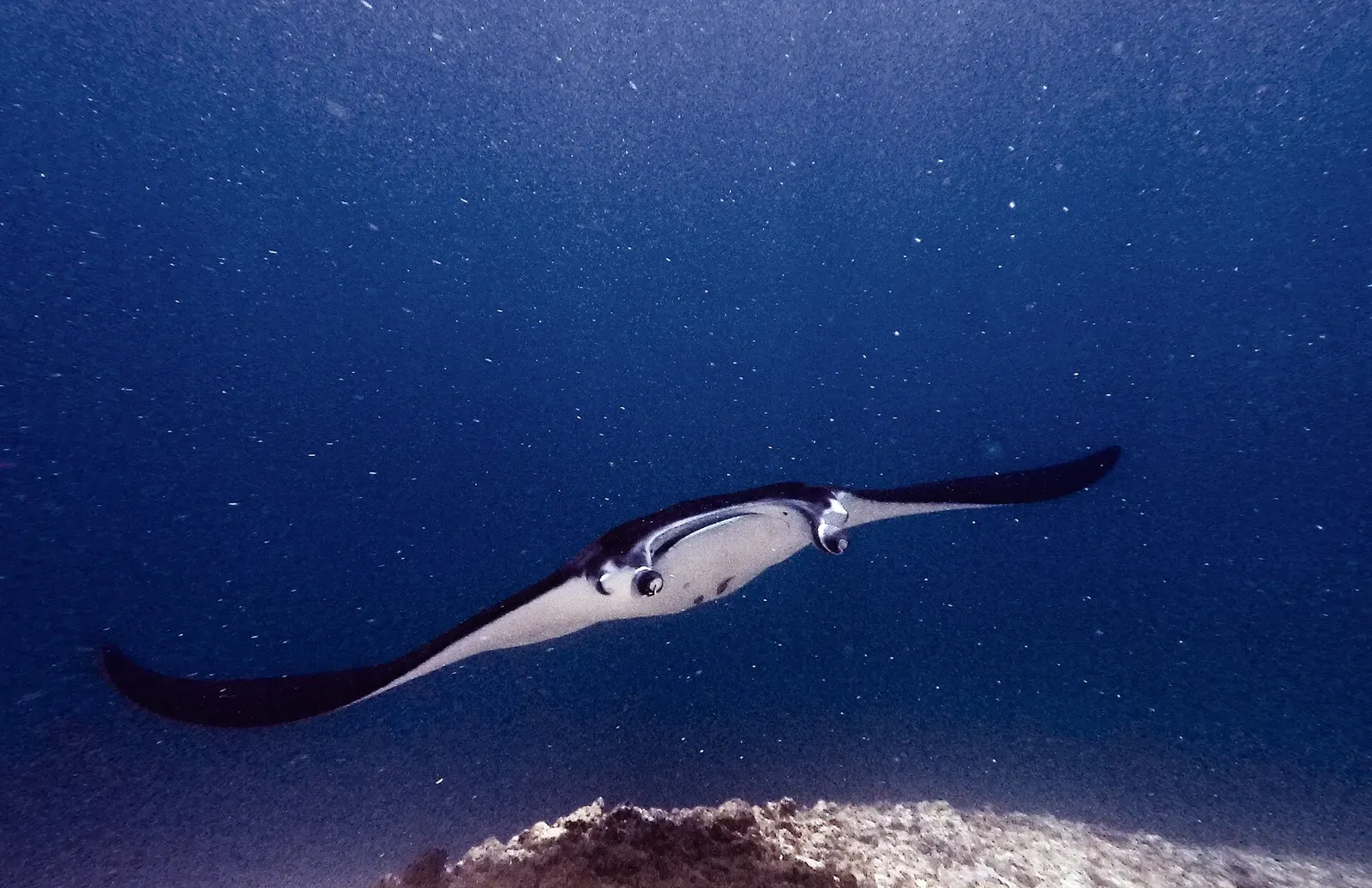
Photo: Siharaditia · CC BY-SA 4.0
Komodo National Park packs almost every kind of tropical diving into one stretch of water, from warm, calm shallow reefs alive with reef fish and invertebrates to deep, cool seamounts, walls and pinnacles swept by current and patrolled by sharks, tuna and other big fish. Manta Alley, Castle Rock, Crystal Rock and Batu Bolong are the best-known sites, and the same trip that brings mantas and grey reef sharks can turn up pygmy seahorses on the gorgonians.
About diving in Komodo
Day boats from Labuan Bajo on Flores reach all the well-known central and northern sites and suit most divers, while liveaboards work the park in every month. The dive sites are spaced out, and a liveaboard is the only way to reach all of the best of them. Dives often take the form of drifts; the currents can be very strong and the surface rough, though the rough spells rarely interfere with liveaboard schedules.
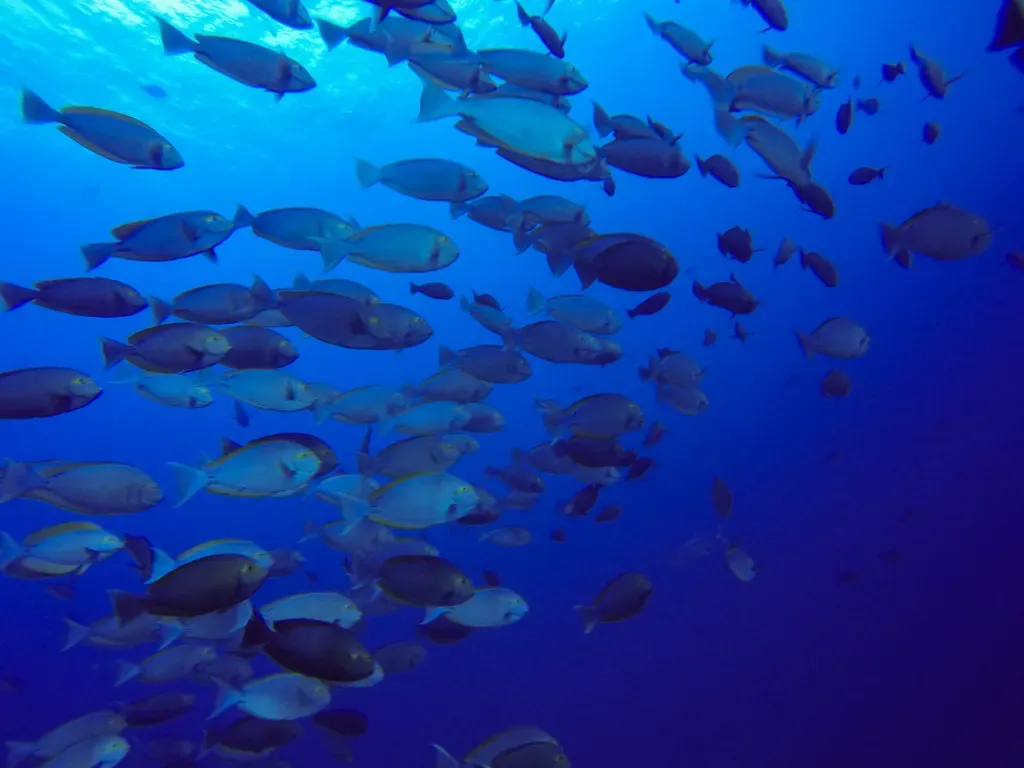
Seamounts and pinnacles carry the big fish. At Three Sisters, schools of giant trevally, jacks and blue surgeonfish patrol the pinnacles while eagle rays, great barracuda and occasional schools of mobula rays pass through the deeper water, and the sea mount at GPS Point is often swarming with dogtooth tuna. Off the northwest point of Gili Banta, White Angels is a steep reef and wall at its best early in the morning, when pelagic fish feed in the swift current. Ornate ghost pipefish, clown frogfish, nudibranchs and blue-ringed octopus live among the sponges, sea squirts and tunicates, with pygmy seahorses on the purple gorgonian fans.
Komodo suits divers who are comfortable in moving water. East of the rocky islet of Batu Besar, at the site called Current City, the current regularly exceeds 3 knots and makes for serious drift diving. The Passage between Gili Lawa Laut and Gili Lawa Darat has a bottom only about 20 m deep and makes a late-afternoon or sunset dive, but its narrow strait can run very strong too, often with several manta rays and with mobula rays hunting silversides in the shallows.
Best time to dive Komodo
| Jan | Feb | Mar | Apr | May | Jun | Jul | Aug | Sep | Oct | Nov | Dec | |
|---|---|---|---|---|---|---|---|---|---|---|---|---|
| Season | Prime | Prime | Good | Prime | Good | Good | Prime | Prime | Prime | Good | Good | Prime |
| Sea surface | 29°C84°F | 28°C82°F | 29°C84°F | 29°C84°F | 29°C84°F | 28°C82°F | 28°C82°F | 27°C81°F | 27°C81°F | 28°C82°F | 29°C84°F | 29°C84°F |
| Daytime high | 30°C86°F | 30°C86°F | 30°C86°F | 30°C86°F | 30°C86°F | 29°C84°F | 29°C84°F | 30°C86°F | 30°C86°F | 31°C88°F | 31°C88°F | 30°C86°F |
| Rain | 307 mm12.1 in | 248 mm9.8 in | 247 mm9.7 in | 189 mm7.4 in | 88 mm3.5 in | 52 mm2.0 in | 27 mm1.1 in | 17 mm0.7 in | 43 mm1.7 in | 91 mm3.6 in | 205 mm8.1 in | 286 mm11.3 in |
| Jan | Feb | Mar | Apr | May | Jun |
|---|---|---|---|---|---|
| Prime | Prime | Good | Prime | Good | Good |
| Sea surface | |||||
| 29°C84°F | 28°C82°F | 29°C84°F | 29°C84°F | 29°C84°F | 28°C82°F |
| Daytime high | |||||
| 30°C86°F | 30°C86°F | 30°C86°F | 30°C86°F | 30°C86°F | 29°C84°F |
| Rain | |||||
| 307 mm12.1 in | 248 mm9.8 in | 247 mm9.7 in | 189 mm7.4 in | 88 mm3.5 in | 52 mm2.0 in |
| Jul | Aug | Sep | Oct | Nov | Dec |
|---|---|---|---|---|---|
| Prime | Prime | Prime | Good | Good | Prime |
| Sea surface | |||||
| 28°C82°F | 27°C81°F | 27°C81°F | 28°C82°F | 29°C84°F | 29°C84°F |
| Daytime high | |||||
| 29°C84°F | 30°C86°F | 30°C86°F | 31°C88°F | 31°C88°F | 30°C86°F |
| Rain | |||||
| 27 mm1.1 in | 17 mm0.7 in | 43 mm1.7 in | 91 mm3.6 in | 205 mm8.1 in | 286 mm11.3 in |
2011–2025 averages. Sea surface: NOAA Coral Reef Watch, measured at the surface, so deeper water can run colder. Daytime high and rain: NASA POWER.
April to November is the dry season, when the weather is at its best, and it is also the main dive season; April, just after the rains, is often considered the best month. July to September is the peak for big fish, above all in North Komodo, and August is the best month for mola mola. July and August bring cooler, more nutrient-rich water, so visibility drops while the marine life blooms. The rains run from November to March, yet this is when the water is clearest: from November to January visibility of 30 m or more is common. Manta sightings peak from December to February, and the southern aggregations carry on into March. Liveaboards run in every month.
Best months: January, February, April, July, August, September, December
Komodo water temperature and weather by month
The sea surface stays between 27 and 29 °C (81–84 °F) all year. Most rain falls from November to April, peaking at about 310 mm (12 in) in January; it stays largely dry from May to September. Daytime highs sit around 30 °C (86 °F) all year. Below the surface the water can drop to about 20 °C (68 °F), so pack a 5 mm suit.
Dive types & marine life
Mantas are seen all year, most of all from December to February, with aggregations in South Komodo through March. Mola mola are a seasonal chance, best in August. Reef sharks, giant trevally and dogtooth tuna frequent the exposed seamounts and pinnacles, while pygmy seahorses, frogfish and nudibranchs live on the reef.
- Drift
- Pelagic & blue water
- Wall
- Reef
- Muck & macro
- Manta rays
- Reef sharks
- Trevally & jacks
- Tuna
- Napoleon wrasse
- Eagle rays
- Mobula rays
- Mola mola
- Sea turtles
- Pygmy seahorses
- Frogfish
- Nudibranchs
Best dive sites in Komodo
- 1
Castle Rock
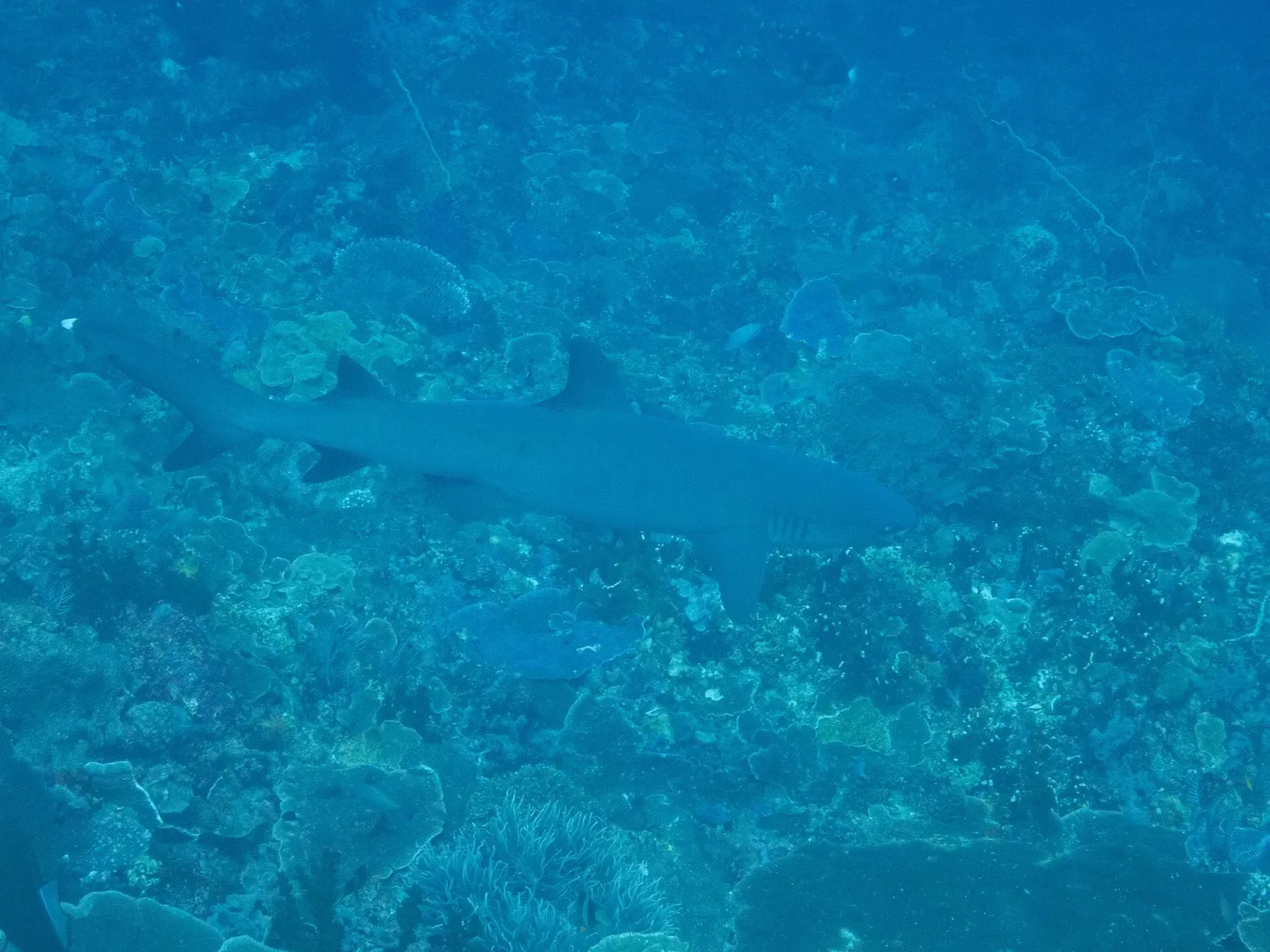
Site where whitetip, blacktip and grey reef sharks patrol alongside giant trevally.
- 2
Manta Alley
The park's main manta site, often with 10 or 20 rays on a dive.
- 3
Crystal Rock
Shallows thick with anthias and damselfish, with large cuttlefish, hawksbill turtles and red octopus.
- 4
Batu Bolong
Small site with no room to drift, so it is skipped when the northern currents run very strong.
- 5
Three Sisters
Three massive pinnacles rising from sand at 30 m to within 3-5 m of the surface.
- 6
Tatawa Kecil
Island whose west coast holds shallow coral gardens full of anthias.
Site guides
A holed rock at the surface, a coral-covered pinnacle below
Reef
Big-fish habitat in a current that usually runs strong
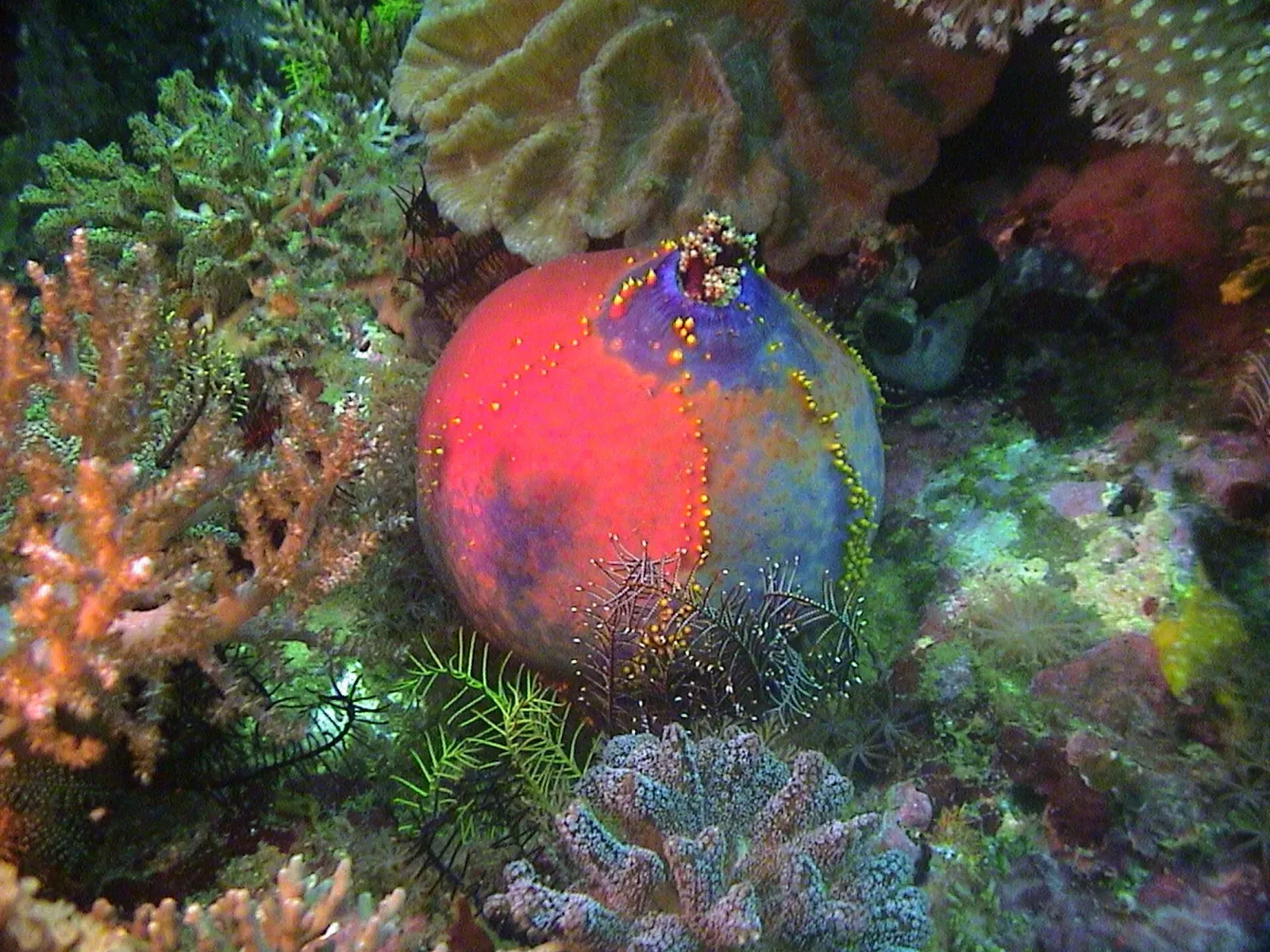
Soft coral and macro on a rock in the cold south of the park
A submerged pinnacle where the sharks hold in the current
Coral garden
The sheltered coral garden at the end of the Cauldron ride
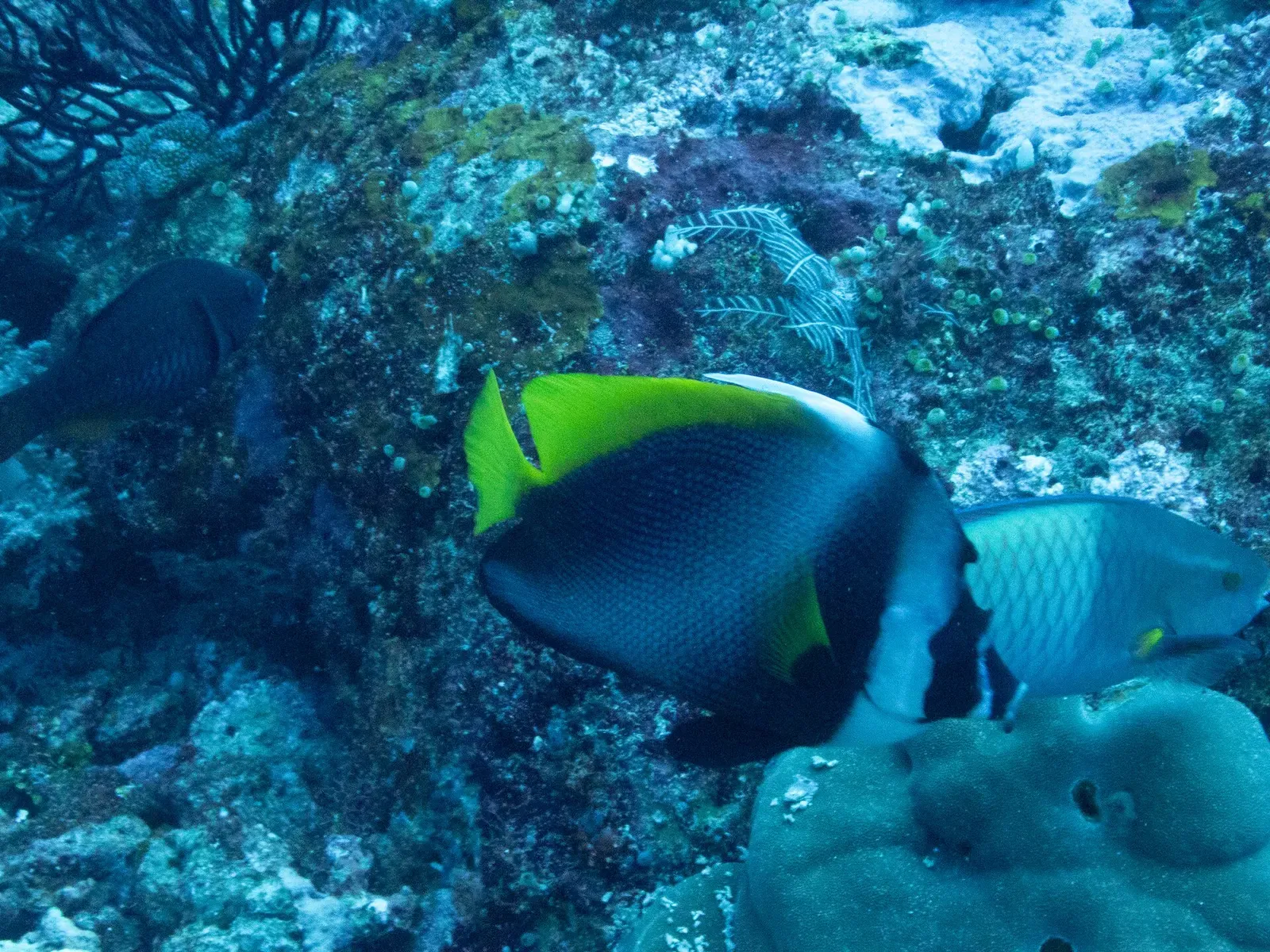
A calm northern bay for skills practice near Crystal Rock
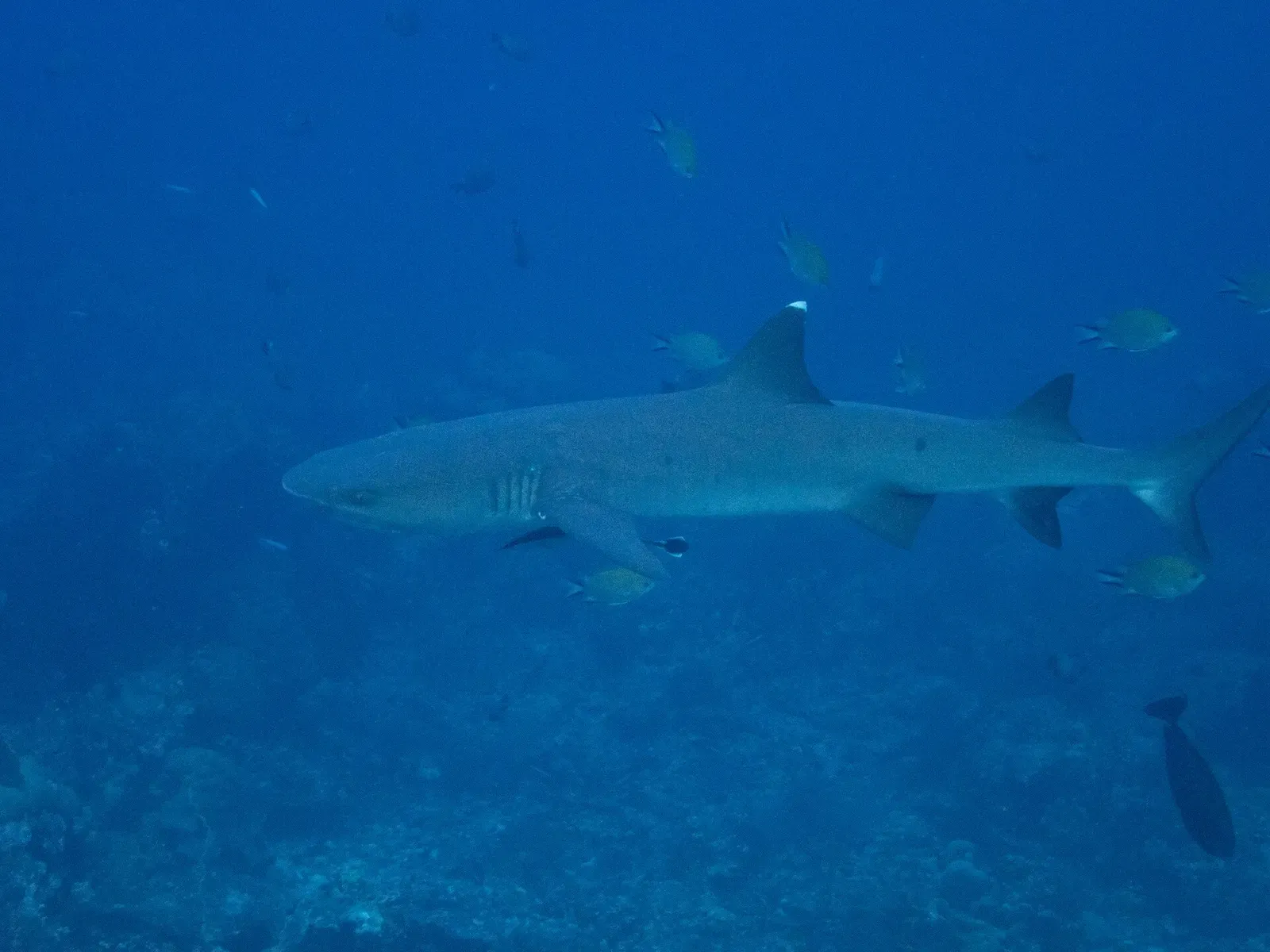
Soft-coral mound with sharks holding in the flow
Reef
A sloping northern passage dived on generally strong current
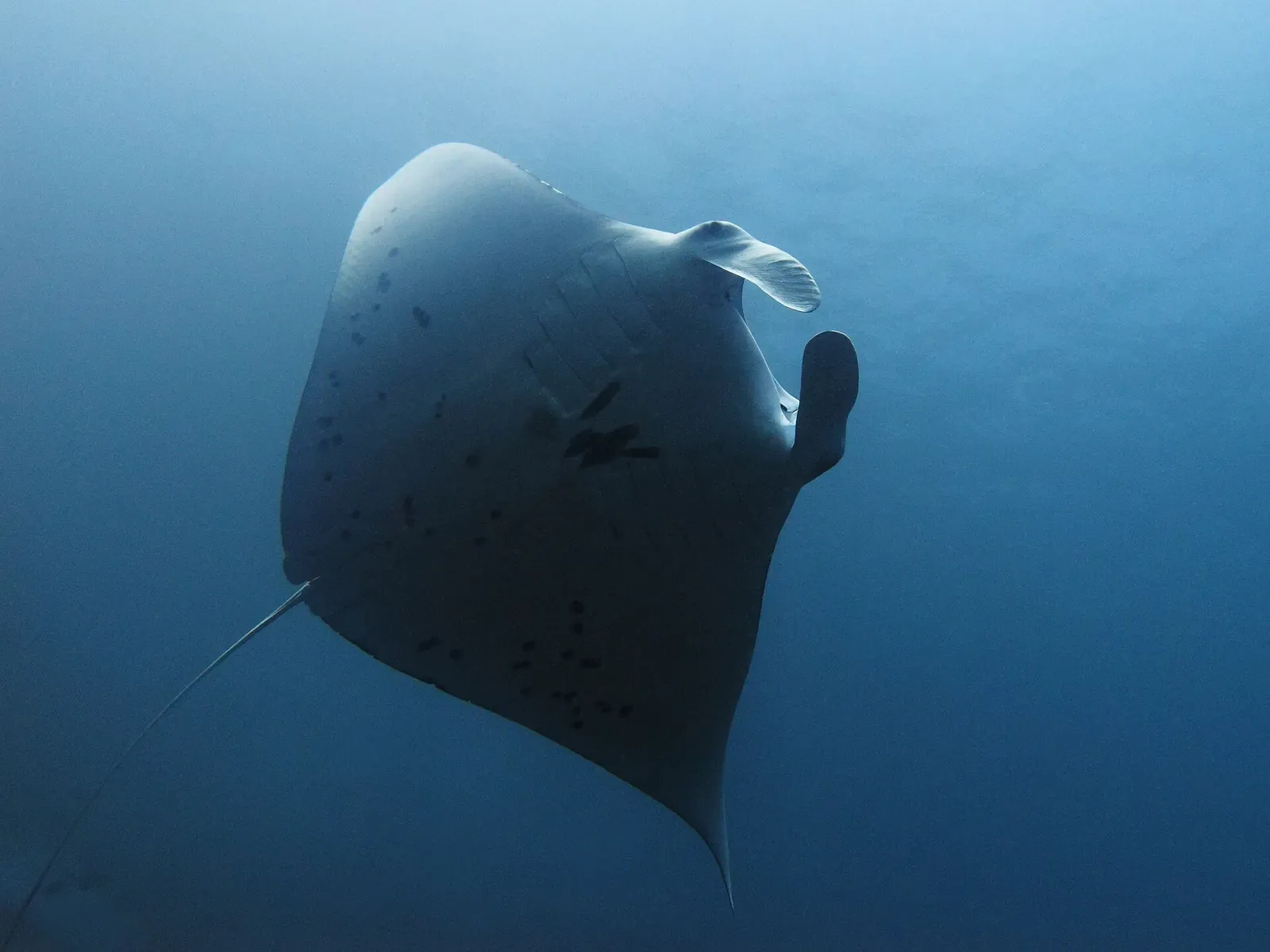
Rock corridors on the south coast where the mantas feed
Reef
Reef mantas on a 12-metre drift inside the national park
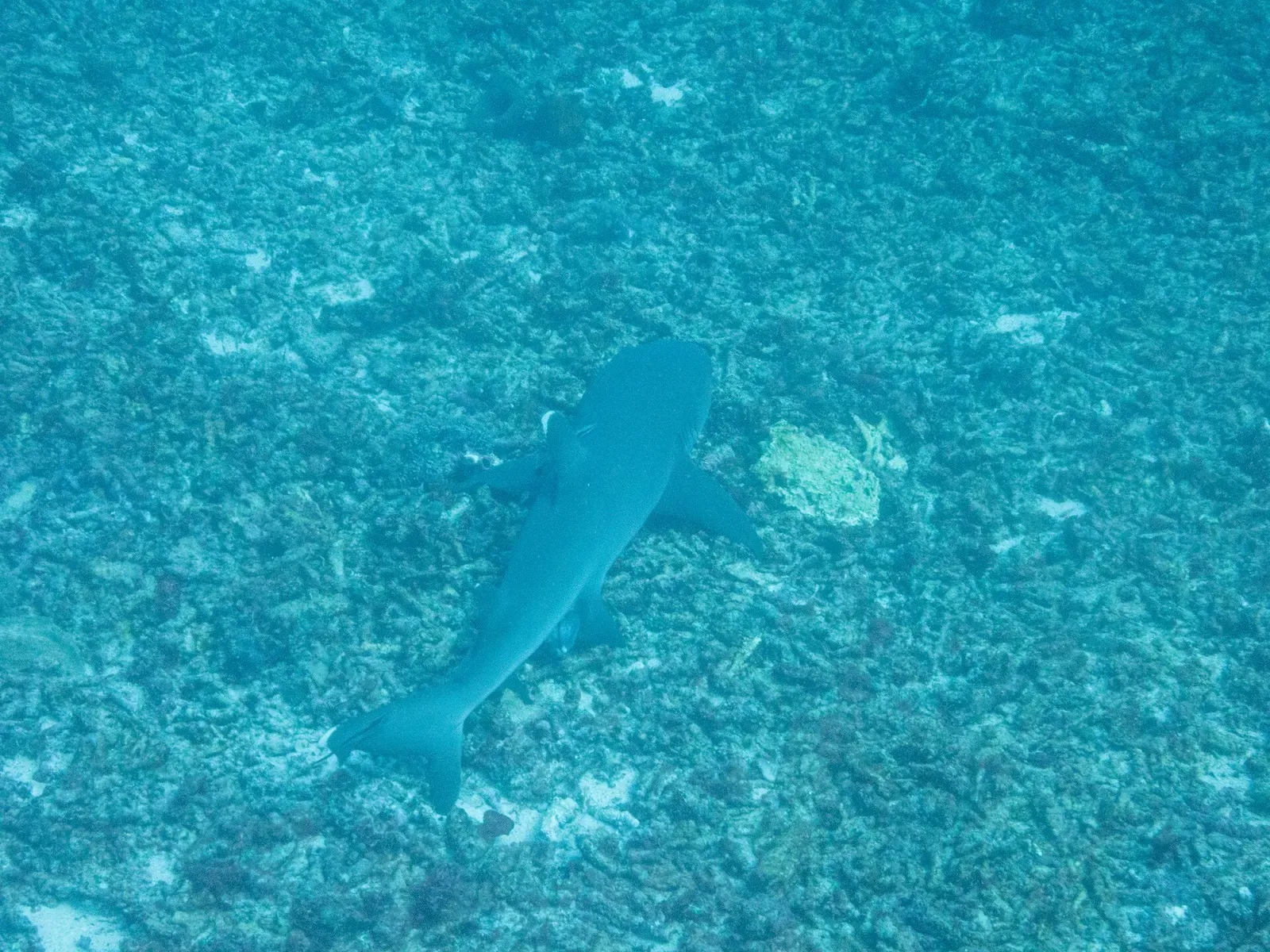
Reef mantas over a shallow drift in central Komodo
Wall
A coral-covered wall rated friendly to newer divers
Wall
Plateaus and steep walls around a rocky central island
Wall
Swim-throughs in a swell-washed rock wall south of Padar
Reef
Sloped coral, rubble and weed in the central park
Reef
Huge overhangs on a corner swept by medium to strong current
Reef
Rhinopias and blue-ringed octopus among shallow coral bommies
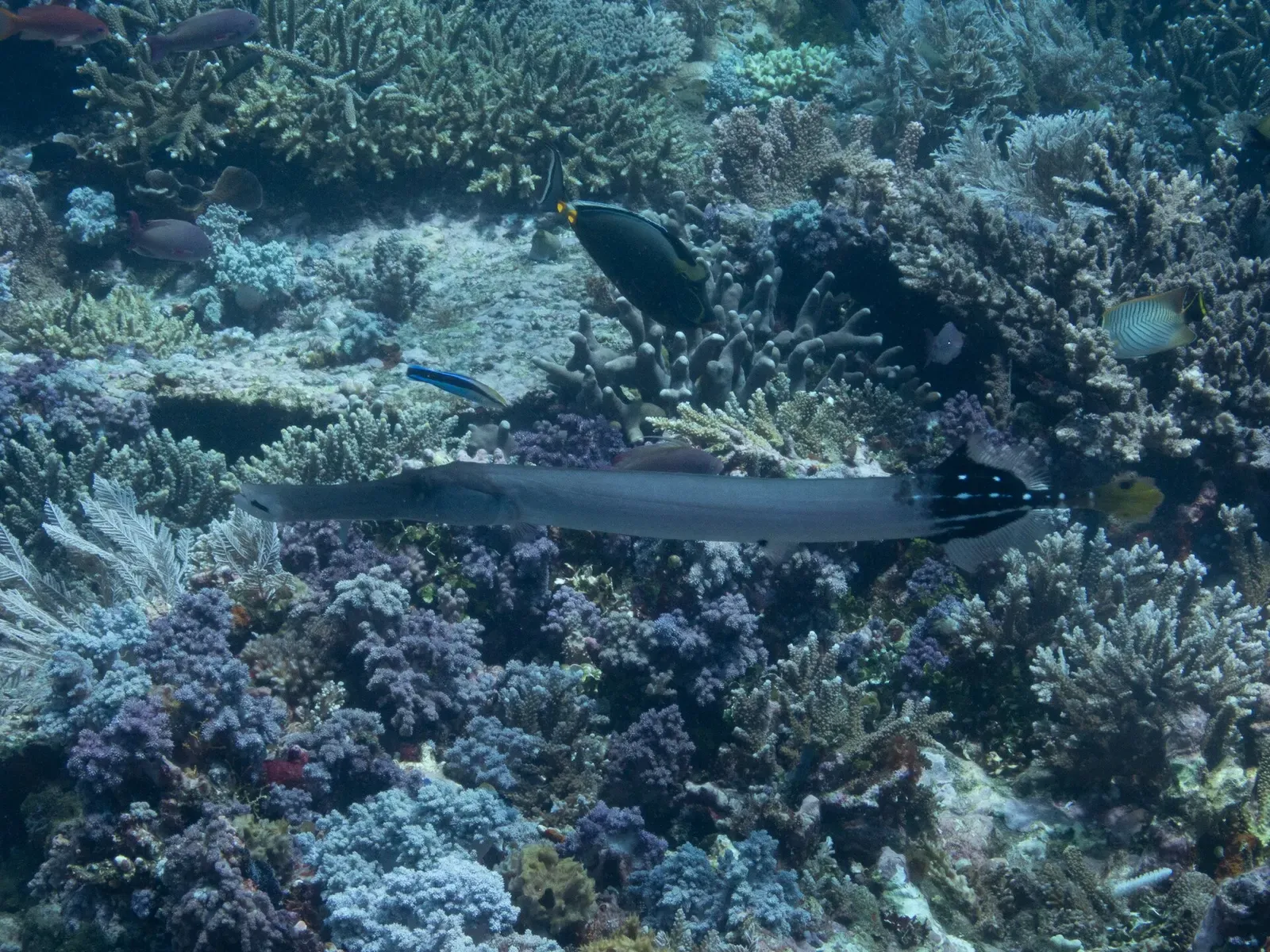
Hawksbill and green turtles grazing a hard coral garden
Drift
An easy shallow drift in a park full of hard ones
Reef
A central-Komodo reef for divers who know currents
Drift
Ripping current fires you through into China Shop
Pinnacle
Giant trevally patrolling three coral-covered pinnacles off Padar
Reef
A flat southern slope of patchy reef, weed and rock
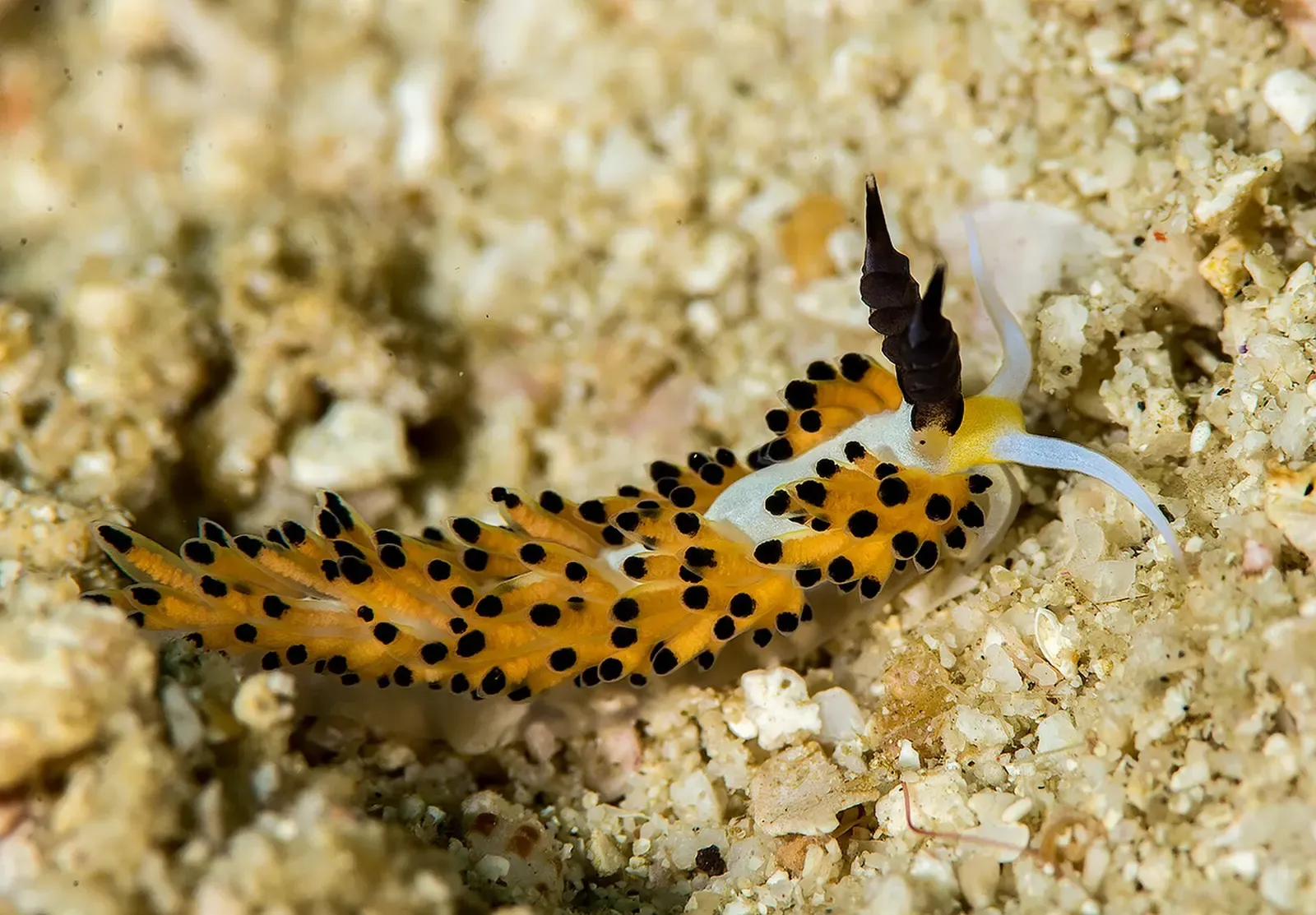
Mandarin fish and ghost pipefish on a sheltered Rinca muck slope
Wall
Southern drop-off with 20 m-plus visibility and reef sharks
How to get to Komodo
Several flights a day connect Denpasar Ngurah Rai airport with Komodo airport (LBJ) at Labuan Bajo on Flores. Day boats leave Labuan Bajo for the central and northern dive sites, and liveaboards cover the whole park year-round.
Photos from Komodo
Hotel Kaesong · CC BY-SA 2.0
Thomas Fuhrmann · CC BY-SA 4.0
Hotel Kaesong · CC BY-SA 2.0
Hotel Kaesong · CC BY-SA 2.0
Hotel Kaesong · CC BY-SA 2.0
Dive videos
[4K] KOMODO ISLAND DIVING-The Ultimate diving adventure 코모도다이빙#bluemarlindive #labuanbajo #indonesia · Mr. Oh on YouTube
Diving Komodo 4K MY Adelaar · surgeonfish1 on YouTube
Questions divers ask
How strong are the currents at Komodo?+
They can be very strong. At GPS Point they often reach 3 knots and sweep the top of the sea mount, which makes safety stops awkward, and in the shallower water along Komodo's east coast towards Labuan Bajo they can be extremely dangerous with inexperienced guides.
Can Komodo be dived on day trips, or is a liveaboard needed?+
Day trips from Labuan Bajo reach all the well-known central and northern sites and are the cheaper, more flexible option for most divers. Liveaboards cover the park as a whole and run in every month.
Is the water the same temperature across the park?+
No. The south is normally cooler, averaging 20 to 25 °C, while the north averages 25 to 28 °C and is clearer, so a trip that crosses the park meets both, though the pattern can change.
Sources
- Diving sites Indonesia - Komodo — Dive The World
- Komodo National Park (Wikipedia) — Wikipedia
- Komodo National Park (Wikivoyage) — Wikivoyage
- Dive Tribe Komodo — Dive Tribe Komodo
- Uber Scuba Komodo — Uber Scuba Komodo Dive Center
Photo credits
- A manta ray glides over the reef against the current at Manta Point in Komodo National Park, Indonesia by Siharaditia, CC BY-SA 4.0, via Wikimedia Commons
- Turquoise water fades to deep blue off Pink Beach with green hills and anchored boats in Komodo National Park. by Hotel Kaesong, CC BY-SA 2.0, via Wikimedia Commons
- A blacktip reef shark glides over a shallow coral reef off Komodo Island. by Thomas Fuhrmann, CC BY-SA 4.0, via Wikimedia Commons
- A pink anemonefish shelters in a pale sea anemone on a shallow reef at Pink Beach. by Hotel Kaesong, CC BY-SA 2.0, via Wikimedia Commons
- Butterflyfish weave through a dense mound of hard and soft corals on a shallow reef. by Hotel Kaesong, CC BY-SA 2.0, via Wikimedia Commons
- Fan-shaped and branching corals in muted reds and greens cover a shallow reef slope. by Hotel Kaesong, CC BY-SA 2.0, via Wikimedia Commons
Embed
Run a dive centre, club or blog? Embed this map of 12 dive sites near Komodo on your own page.
In The Logbook
- Where to see reef sharks on your first divesBig animals · 14 min read
- Nudibranchs: species, habits and where to diveMacro & muck · 13 min read
- Where to dive in every month of the yearTrip planning · 14 min read
- Why do you pee when diving, and tire after?Body & health · 12 min read
- When is slack water? Tides for diversOcean science · 7 min read
- Why is some sea green instead of blue?Ocean science · 8 min read
- How long should a surface interval be?Body & health · 8 min read
- How long does a tank of air last?Gear & kit · 9 min read
- Why your ears hurt diving, and how to stop itBody & health · 8 min read
- Cheapest places to scuba dive, and the catchTrip planning · 15 min read
- Drift diving: how to read and ride a currentDrift & current · 8 min read
- Where to dive with manta rays, month by monthBig animals · 8 min read
- The best muck diving in the worldMacro & muck · 6 min read
Similar destinations

Step off a jetty into the world's largest lagoon, or cross to open ocean

Drift dives through some of the richest marine life on Earth

Whale sharks in the shallows and a sanctuary wall almost nobody dives


_-_Pulau_Komodo_-_Indonesia_24.jpg)


Strong straits sweep past pristine coral cover between remote volcanic islands.