
Coral Triangle · Indonesia
Raja Ampat
Drift dives through some of the richest marine life on Earth
Photo: Buena Ventura · CC BY 3.0
Raja Ampat is a designated marine biodiversity park reached through Sorong, and scientists rank its waters among the richest for marine life on Earth. Most dives are drifts carried by the current past pinnacles, walls and coral gardens: fish biomass at Cape Kri, a shallow manta cleaning station at Manta Sandy, the pinnacle of Blue Magic and the coral plateau of Melissa's Garden. Divers come to see the reef at full density, from wobbegongs and reef sharks to pygmy seahorses.
About diving in Raja Ampat
Divers base themselves on a liveaboard, at a dive resort or in a homestay, and most join an organised tour. Resort boats run short hops to the sites: from Kri Island more than 30 dive sites lie within a 5-minute boat ride. Most dives are drifts, run with the moderate currents that wash nutrients over the reefs, but the flow varies from none to very strong depending on the site. The Passage is at its most impressive when the current is fierce, and at Manta Ridge divers hook into the seabed to hold position while the mantas pass.
The terrain mixes walls, pinnacles, channel-mouth reefs and shallow coral gardens. Yanggelo Reef rises from a channel mouth to a hard coral garden in its shallows, while Boo Island runs along a wall where gorgonians, barrel sponges and soft corals compete for space. At Cape Kri dogtooth tuna, giant trevallies and chevron barracuda lead the fish, with Napoleon wrasse, whitetip reef sharks and giant groupers likely. At Quoy Rocks grey reef sharks patrol the deeper edges and eagle rays glide over the boulders.
Most of the dives are quite easy in themselves, but the distance from help and the sometimes strong currents make Raja Ampat better suited to divers with a few dives under their weightbelts than to absolute beginners. Visibility is not outstanding and changes from site to site. The islands are as rich in macro life as in big fish, with nudibranchs ranging from the tiger nudi to Lock's nudis, and at Kaleidoscope in the south the whip corals and gorgonians hide commensal shrimps and pygmy seahorses.
Shallow coral gardens also make Raja Ampat a strong snorkelling destination, and the house reefs in front of some resorts hold turtles and juvenile blacktip reef sharks. Four species of endangered sea turtle live in these waters, and at Bird Wall a green turtle may swing by during the safety stop. Four of the seven described species of pygmy seahorse are found here, and the sea fans are where photographers look for them.
Best time to dive Raja Ampat
| Jan | Feb | Mar | Apr | May | Jun | Jul | Aug | Sep | Oct | Nov | Dec | |
|---|---|---|---|---|---|---|---|---|---|---|---|---|
| Season | Prime | Prime | Prime | Prime | Good | Good | Fair | Fair | Fair | Good | Prime | Prime |
| Sea surface | 29°C84°F | 29°C84°F | 29°C84°F | 30°C86°F | 30°C86°F | 29°C84°F | 29°C84°F | 29°C84°F | 29°C84°F | 30°C86°F | 30°C86°F | 30°C86°F |
| Daytime high | 30°C86°F | 30°C86°F | 30°C86°F | 30°C86°F | 30°C86°F | 30°C86°F | 29°C84°F | 29°C84°F | 30°C86°F | 30°C86°F | 30°C86°F | 31°C88°F |
| Rain | 207 mm8.1 in | 195 mm7.7 in | 238 mm9.4 in | 219 mm8.6 in | 284 mm11.2 in | 354 mm13.9 in | 331 mm13.0 in | 325 mm12.8 in | 260 mm10.2 in | 179 mm7.0 in | 186 mm7.3 in | 198 mm7.8 in |
| Jan | Feb | Mar | Apr | May | Jun |
|---|---|---|---|---|---|
| Prime | Prime | Prime | Prime | Good | Good |
| Sea surface | |||||
| 29°C84°F | 29°C84°F | 29°C84°F | 30°C86°F | 30°C86°F | 29°C84°F |
| Daytime high | |||||
| 30°C86°F | 30°C86°F | 30°C86°F | 30°C86°F | 30°C86°F | 30°C86°F |
| Rain | |||||
| 207 mm8.1 in | 195 mm7.7 in | 238 mm9.4 in | 219 mm8.6 in | 284 mm11.2 in | 354 mm13.9 in |
| Jul | Aug | Sep | Oct | Nov | Dec |
|---|---|---|---|---|---|
| Fair | Fair | Fair | Good | Prime | Prime |
| Sea surface | |||||
| 29°C84°F | 29°C84°F | 29°C84°F | 30°C86°F | 30°C86°F | 30°C86°F |
| Daytime high | |||||
| 29°C84°F | 29°C84°F | 30°C86°F | 30°C86°F | 30°C86°F | 31°C88°F |
| Rain | |||||
| 331 mm13.0 in | 325 mm12.8 in | 260 mm10.2 in | 179 mm7.0 in | 186 mm7.3 in | 198 mm7.8 in |
2011–2025 averages. Sea surface: NOAA Coral Reef Watch, measured at the surface, so deeper water can run colder. Daytime high and rain: NASA POWER.
A few boats dive here in every month, but most liveaboards work Raja Ampat from October to the end of April, the drier stretch and the reverse of western and central Indonesia. From November to April the mantas come in to Manta Ridge, so those months rate highest. May to September brings more rain, and from July to mid-September strong winds and rain can raise rough seas, sending boats to other areas and closing some resorts. Manta Sandy keeps its reef mantas through the year.
Best months: January, February, March, April, November, December
Raja Ampat water temperature and weather by month
The sea surface stays between 29 and 30 °C (84–86 °F) all year. Rain falls through the year, about 250 mm (9.8 in) a month on average, with June the wettest. Daytime highs sit around 30 °C (86 °F) all year. The coldest water here is about 27 °C (81 °F), so pack a 3 mm, or even a 2 mm, suit.
Dive types & marine life
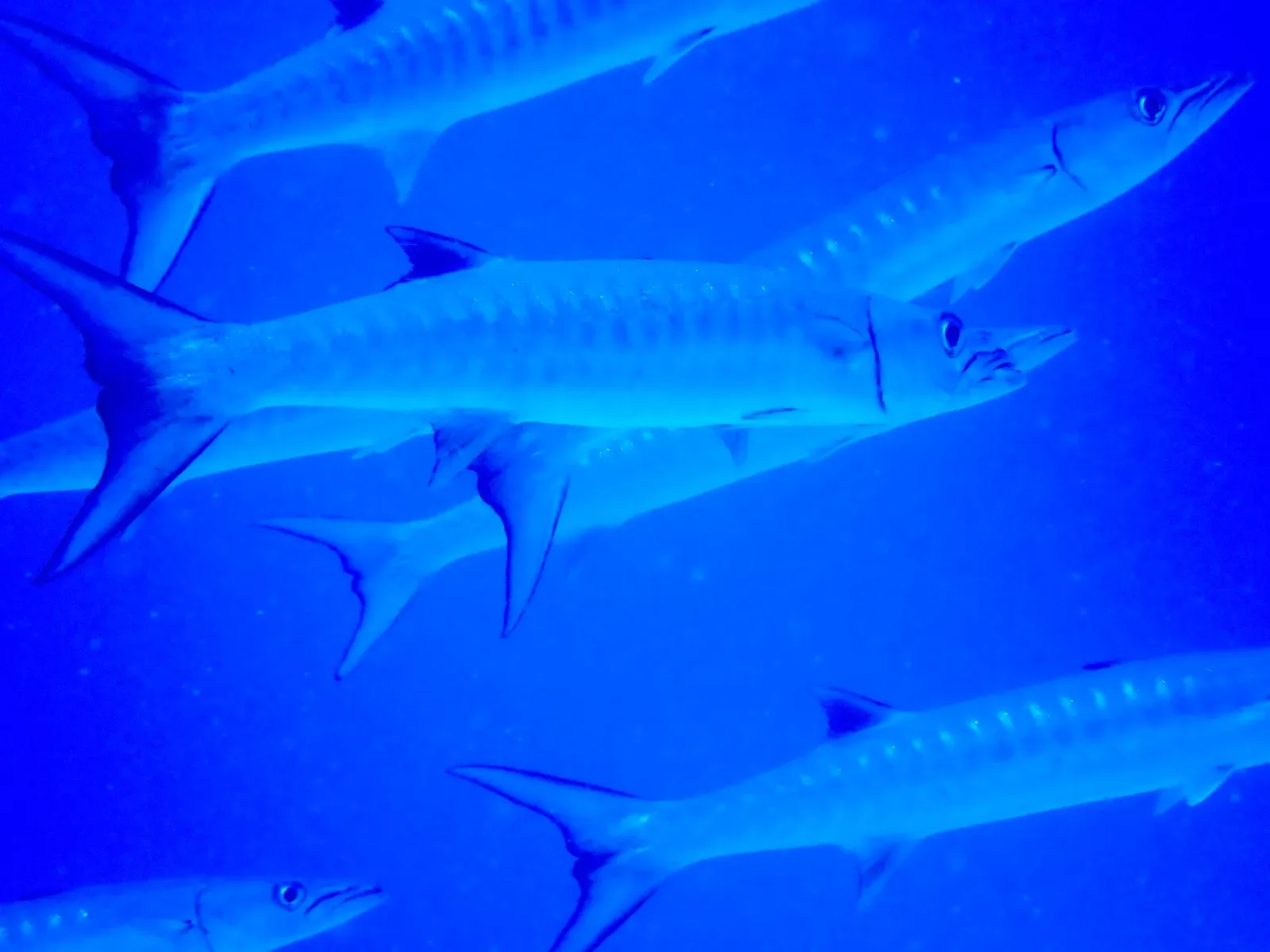
Manta rays are common: Manta Sandy has reef mantas year-round, and Manta Ridge sees them in season from November to April. Many sharks are seen, mainly blacktip and whitetip reef sharks along with wobbegongs, and the barracuda are mostly blackfin or pickhandle.
- Drift
- Reef
- Wall
- Coral garden
- Muck & macro
- Manta rays
- Reef sharks
- Wobbegongs
- Sea turtles
- Napoleon wrasse
- Eagle rays
- Trevally & jacks
- Barracuda
- Pygmy seahorses
- Nudibranchs
- Pristine corals
Best dive sites in Raja Ampat
- 1
Cape Kri
Cape with heavy fish biomass, wide diversity and currents that keep the dive lively.
- 2
Manta Sandy
Shallow sandy plateau beside Manta Ridge, a cleaning station with reef mantas all year.
- 3
Blue Magic
Underwater pinnacle running from about 7 m to just short of 30 m.
- 4
Melissa's Garden
Two pinnacles on a shallow plateau of hard and soft corals.
- 5
Manta Ridge
Current-swept site where divers hook in and mantas pass from November to April.
- 6
Sardine Reef
Oval reef patch sitting alone in the middle of open water.
Site guides
Reef
Reef hook dive at 10-12 m in very strong current
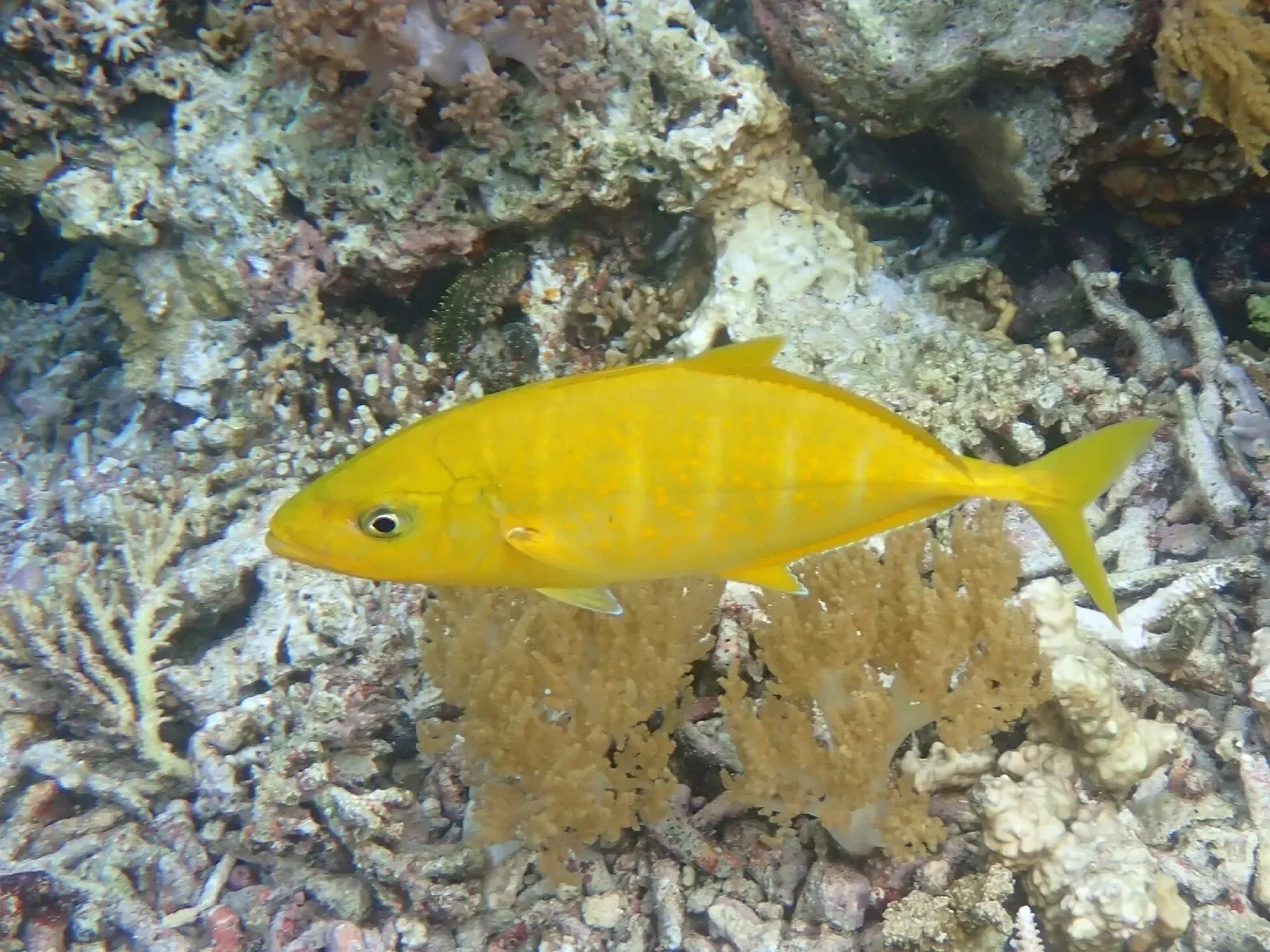
Schooling jacks hunting silversides under the village jetty
Overhang at 28-35 m with the wall dropping past 50
Reef
Five Rocks: a repeat-request reef to around 24 m
House reef from the jetty at 2 m down to 20 m
Pinnacle
Cleaning stations on the summit, mantas on the flanks in season
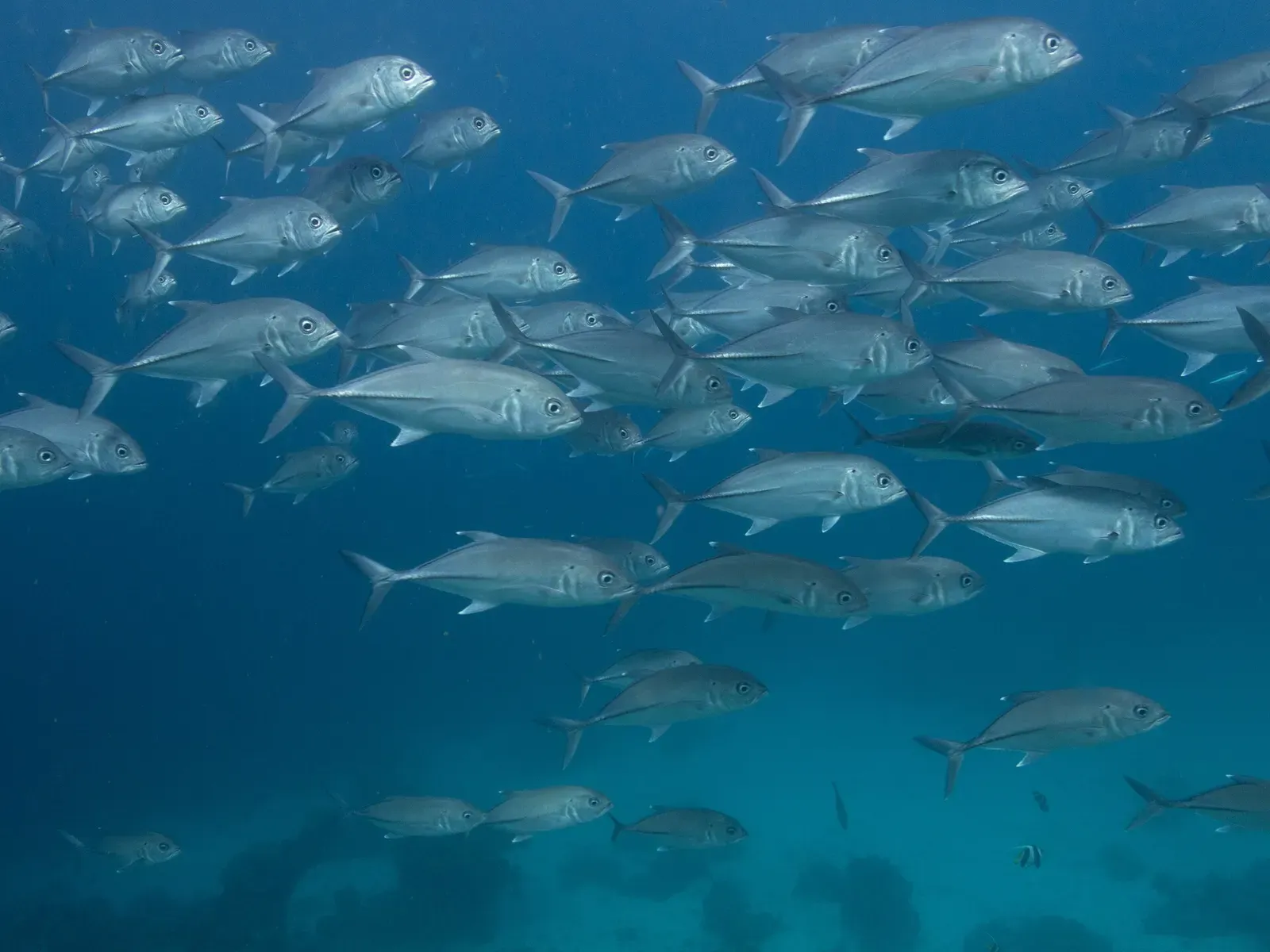
Fish fill the water before your BCD is finished deflating
Wall
A drift from schooling fish on the point to macro on the slope
Pinnacle
Fish clouds swirling through a boulder corridor
Reef sharks and giant trevallies patrolling a coral seamount
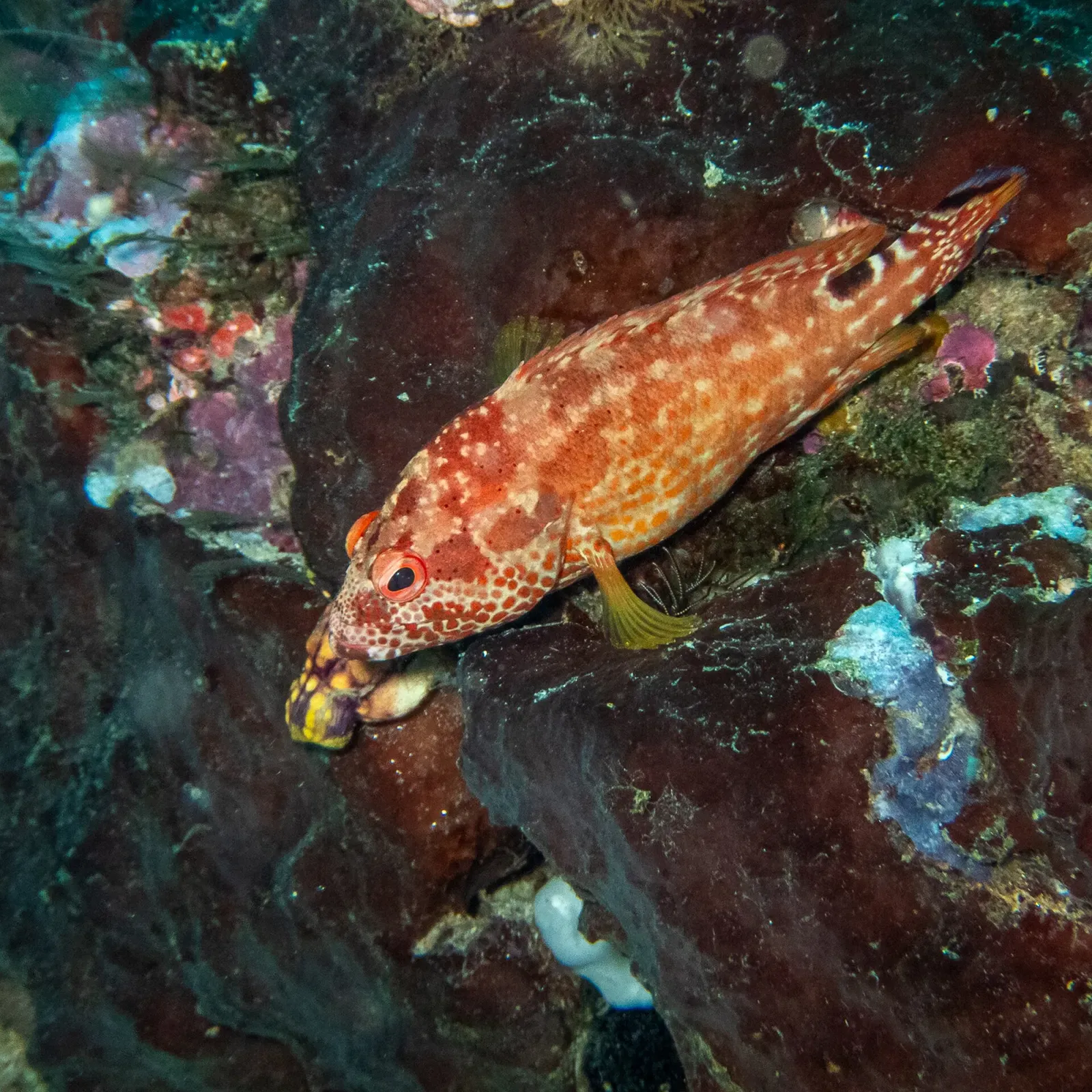
Lionfish and scorpionfish resting on table and brain corals
Pinnacle
Manta cleaning stations in the channels between three pinnacles
Coral garden
Shallow mixed coral reef, best between 3 and 14 m
Wall
Soft corals, black coral and gorgonians from 26 m to 2 m
Wall
Drift along a sloping wall with sharks and fish schools
Reef
Hook into the ridge and let the mantas come to you
Reef
Reef mantas queue over the sand in 8-15 m of water
Reef
Dolphins and pilot whales on the hour-long run out
Coral garden
The area's most reliable tasselled wobbegong sightings
Coral bommies from 5 to 40 m with schooling fish
Reef
A 5-to-40 m reef where the blue is worth watching
Wreck
A WWII American P-47D lying between 26 and 33 m
Pinnacle
Trevally and tuna in numbers that block out the light
Channel & pass
Occasional scalloped hammerheads on the deep edges of a tidal channel
Coral slope on the doorstep, averaging 12 to 16 m
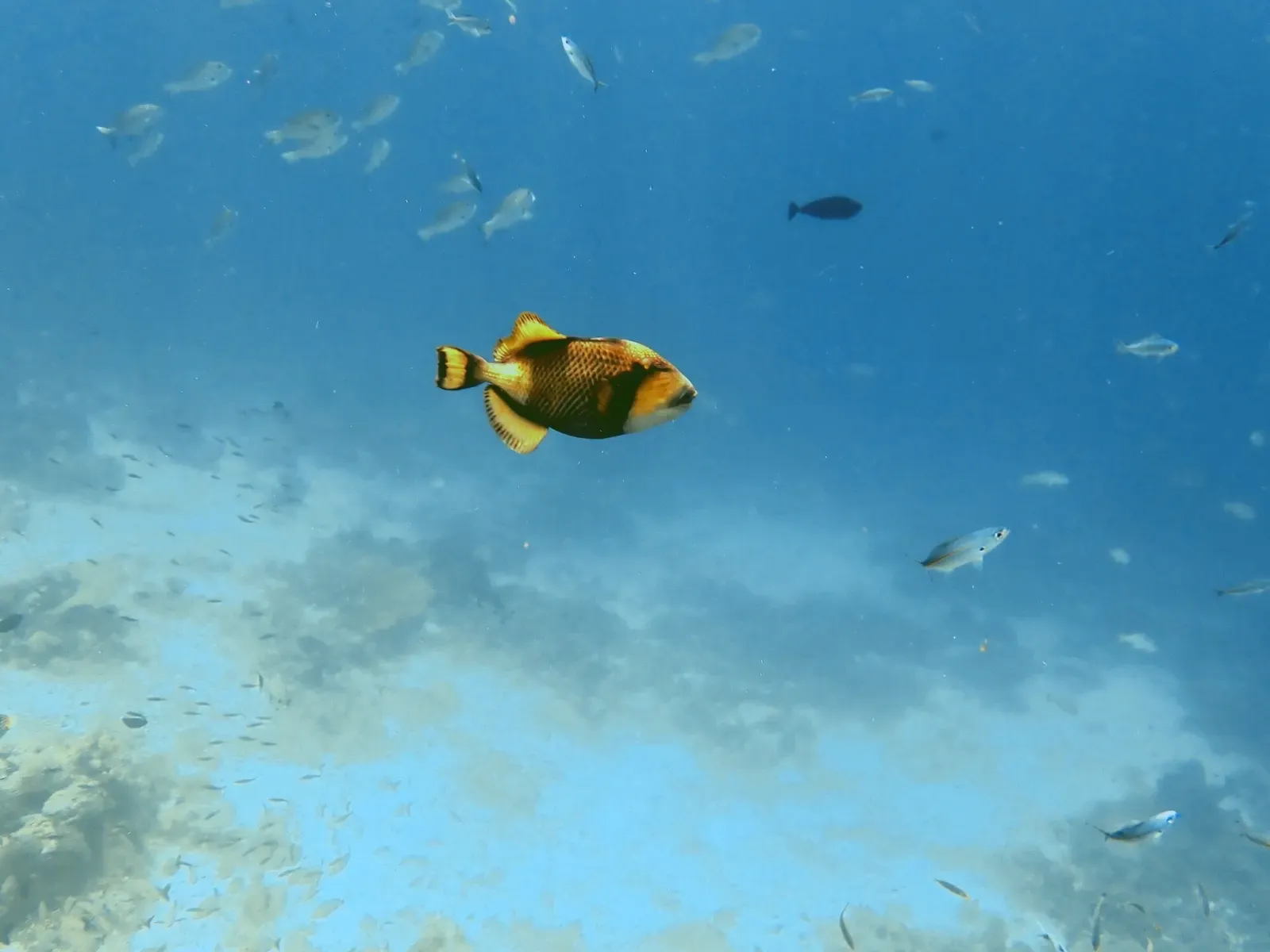
Blue-spotted stingrays on the sand below the jetty slope
How to get to Raja Ampat
The nearest major airport is Dominique Edward Osok (SOQ) at Sorong on the mainland. Daily ferries run from Sorong's harbour to Waisai on Waigeo, on the edge of the Dampier Strait, where one resort is based; another sits on the remote island of Pef.
Photos from Raja Ampat
lakshmioct01 · CC BY 2.0
lakshmioct01 · CC BY 2.0
lakshmioct01 · CC BY 2.0
lakshmioct01 · CC BY 2.0
Dive videos
This is Raja Ampat (4k) - dive into the dream of biodiversity · Jurrien Wiss on YouTube
RAJA AMPAT ︱THE HEART OF THE CORAL TRIANGLE︱WEST PAPUA - INDONESIA︱WORLD BEST SCUBA DIVING︱4K HDR · MOKEN PLANET on YouTube
Questions divers ask
Is a permit needed to dive Raja Ampat?+
Yes. Raja Ampat is a designated marine biodiversity park, and every visitor buys a permit that funds the park's conservation and is meant to discourage mass tourism. The Raja Ampat Marine Recreation Park was designated in 2009.
Is Raja Ampat suitable for beginner divers?+
Not really for absolute beginners. The dives are mostly easy, but strong currents at some sites, reef hooks at Manta Ridge and the remoteness of the islands favour divers with some logged experience and a certification card.
Liveaboard, resort or homestay in Raja Ampat?+
All three are options. The reef complex is enormous, so a liveaboard is one of the best ways to cover it, on trips that generally last a week or two. There are no public boats to the islands; resorts and homestays usually arrange the transfer for a fee.
Sources
- Diving Raja Ampat — Divezone
- Diving Sites Indonesia - Raja Ampat — Dive The World
- Blue Magic Dive Site — PADI
- Cape Kri Dive Site — PADI
- Manta Sandy Dive Site — PADI
- Melissa's Garden Dive Site — PADI
- Sardine Reef Dive Site — PADI
- Manta Ridge Dive Site — PADI
- Raja Ampat Islands — Wikipedia
- Raja Ampat — Wikivoyage
- Weather Conditions — Raja4Divers
- Marine Life — Raja4Divers
Photo credits
- A school of striped batfish hovers beside a sea fan inside a sunlit reef cavern in Raja Ampat. by Buena Ventura, CC BY 3.0, via Wikimedia Commons
- Soft coral in deep pink stands beneath a swirling school of small silver baitfish. by lakshmioct01, CC BY 2.0, via Openverse
- A bright red sea fan spreads across a coral wall crowded with small reef fish. by lakshmioct01, CC BY 2.0, via Openverse
- A dense reef slope crowded with orange and red soft corals, sponges, and giant clams. by lakshmioct01, CC BY 2.0, via Openverse
- Jagged limestone karst islands rise from turquoise water along a Raja Ampat channel. by lakshmioct01, CC BY 2.0, via Openverse
Embed
Run a dive centre, club or blog? Embed this map of 12 dive sites near Raja Ampat on your own page.
In The Logbook
- The best wall dives in the worldWalls & drop-offs · 11 min read
- Where to dive in every month of the yearTrip planning · 14 min read
- Why do you pee when diving, and tire after?Body & health · 12 min read
- Bioluminescence: why the sea glows at nightNight diving · 7 min read
- Why is some sea green instead of blue?Ocean science · 8 min read
- Night diving: the best night dives in the worldNight diving · 12 min read
- How long should a surface interval be?Body & health · 8 min read
- Cheapest places to scuba dive, and the catchTrip planning · 15 min read
- Drift diving: how to read and ride a currentDrift & current · 8 min read
- Where to dive with manta rays, month by monthBig animals · 8 min read
Similar destinations

Step off a jetty into the world's largest lagoon, or cross to open ocean
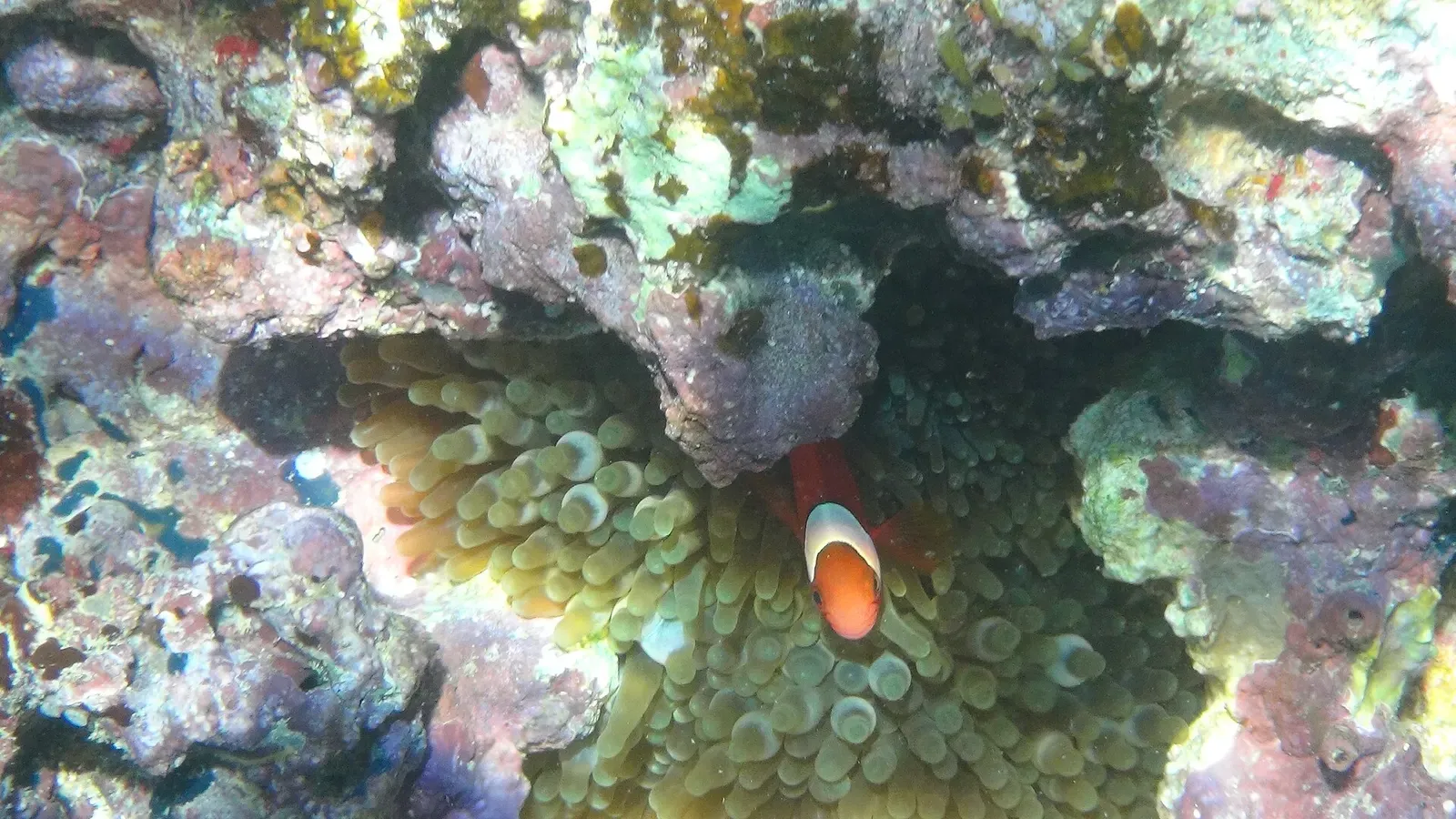
Walls from 5 m past 60, and a dive base of its own

The world's second-largest contiguous coral reef, closed to fishing
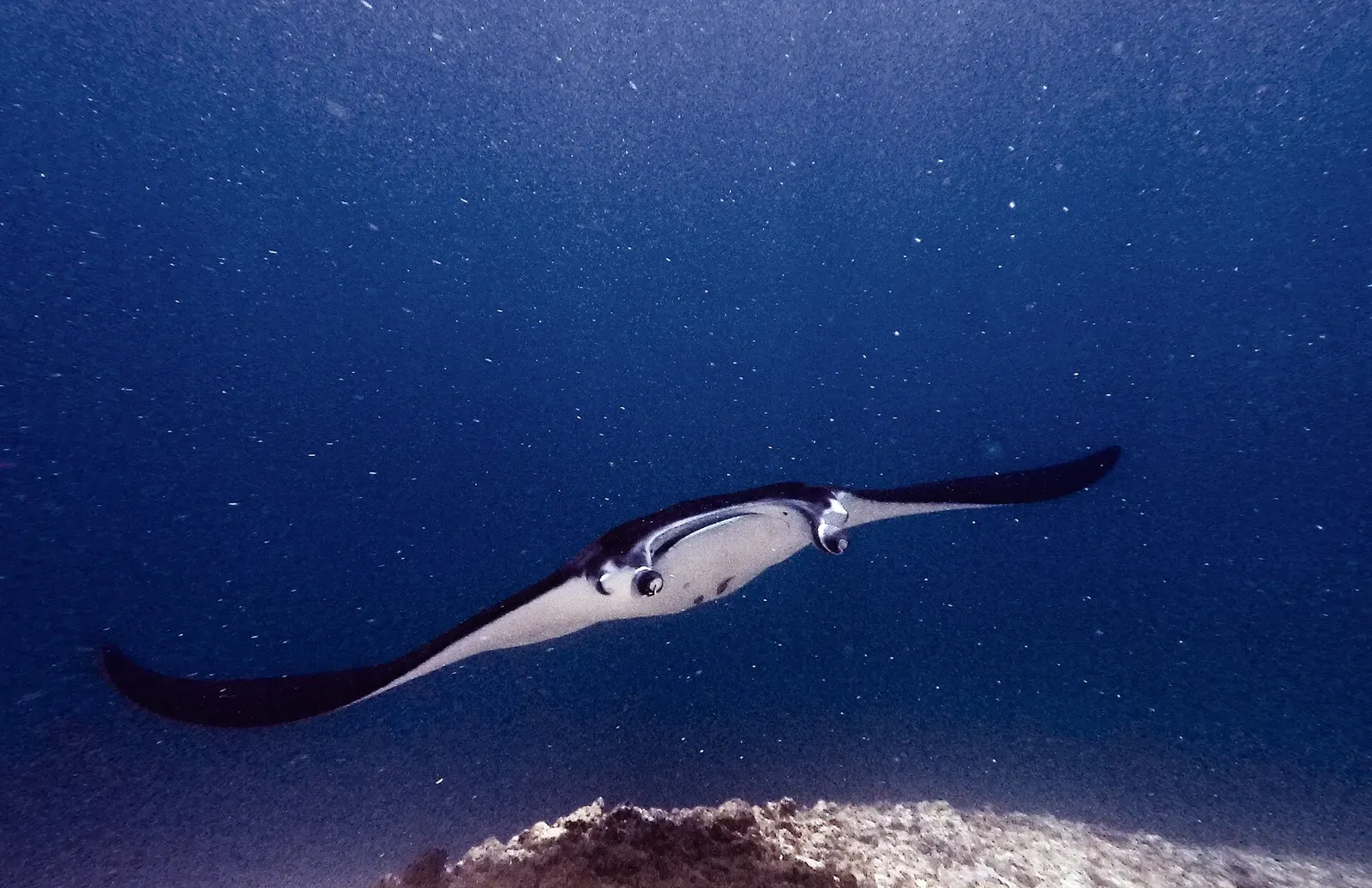

Drift dives past sharks and tuna on current-swept seamounts