Pacific Islands · Fiji
Bligh Water & Vatu-i-Ra
A pinnacle rising 900 m from the seabed to within metres of the surface
Bligh Water is the channel between Fiji's two main islands, named for the mutiny survivor who rowed through it, and the seamounts rising out of it carry the soft coral that made the country's reputation. E-6 is a pinnacle climbing from 900 m to within 3 m of the surface; Mount Mutiny's Rainbow Wall is a vertical face of yellow, red and purple-tinged alcyonarians. Currents feed the corals and the same currents mean most sites are dived on a schedule.
About diving in Bligh Water & Vatu-i-Ra
Almost none of this is near land, and that shapes the whole trip. Liveaboards out of Viti Levu spend their nights on or near the seamounts and run several dives a day off tenders, which is what lets them time each mount to the water rather than to a departure slot. Day boats from the north coast treat it as a crossing instead, heading out for two or three dives and back before the afternoon wind gets up, and a rough forecast keeps them on the closer sheltered reefs rather than out in the channel.
The sites are underwater mountains rather than fringing reef, and that changes how you dive them. Tenders drop you upcurrent of a summit, you descend into blue until the pinnacle resolves below you, then work down one flank and back up the other. The shallowest tops come close enough to the surface that the end of the dive and the safety stop happen inside the cloud of small fish above the summit. The passage bommies closer to shore are shallower, more sheltered and far more forgiving.
The soft coral is a tidal display rather than a fixed backdrop, and that governs what gets dived when: the colonies sit slack and drab in still water and inflate into full colour once the current runs, since they are feeding rather than posing. Guides build the running order around the exchange, so the site list can change at breakfast. The same pinnacle can look like two different sites on the ebb and on the flood, which is why wide-angle photographers want the moving water.
It rewards buoyancy far more than depth, since most of the colour sits in the shallows on top of each mount and time spent deep buys less. Newer divers do fine on the sheltered passage bommies, but a week of exposed pinnacles in open water is not where early experience is best built. Come for reef structure and colour: sharks, jacks and the occasional manta turn up, but they are a bonus rather than the reason to make the crossing.
Best time to dive Bligh Water & Vatu-i-Ra
| Jan | Feb | Mar | Apr | May | Jun | Jul | Aug | Sep | Oct | Nov | Dec | |
|---|---|---|---|---|---|---|---|---|---|---|---|---|
| Season | Fair | Fair | Good | Prime | Prime | Prime | Prime | Prime | Prime | Prime | Good | Fair |
| Sea surface | 29°C84°F | 29°C84°F | 29°C84°F | 29°C84°F | 28°C82°F | 27°C81°F | 26°C79°F | 26°C79°F | 26°C79°F | 27°C81°F | 28°C82°F | 28°C82°F |
| Daytime high | 30°C86°F | 30°C86°F | 30°C86°F | 29°C84°F | 29°C84°F | 28°C82°F | 28°C82°F | 28°C82°F | 29°C84°F | 30°C86°F | 30°C86°F | 30°C86°F |
| Rain | 310 mm12.2 in | 337 mm13.3 in | 356 mm14.0 in | 217 mm8.5 in | 144 mm5.7 in | 86 mm3.4 in | 57 mm2.2 in | 75 mm3.0 in | 99 mm3.9 in | 158 mm6.2 in | 182 mm7.2 in | 272 mm10.7 in |
| Jan | Feb | Mar | Apr | May | Jun |
|---|---|---|---|---|---|
| Fair | Fair | Good | Prime | Prime | Prime |
| Sea surface | |||||
| 29°C84°F | 29°C84°F | 29°C84°F | 29°C84°F | 28°C82°F | 27°C81°F |
| Daytime high | |||||
| 30°C86°F | 30°C86°F | 30°C86°F | 29°C84°F | 29°C84°F | 28°C82°F |
| Rain | |||||
| 310 mm12.2 in | 337 mm13.3 in | 356 mm14.0 in | 217 mm8.5 in | 144 mm5.7 in | 86 mm3.4 in |
| Jul | Aug | Sep | Oct | Nov | Dec |
|---|---|---|---|---|---|
| Prime | Prime | Prime | Prime | Good | Fair |
| Sea surface | |||||
| 26°C79°F | 26°C79°F | 26°C79°F | 27°C81°F | 28°C82°F | 28°C82°F |
| Daytime high | |||||
| 28°C82°F | 28°C82°F | 29°C84°F | 30°C86°F | 30°C86°F | 30°C86°F |
| Rain | |||||
| 57 mm2.2 in | 75 mm3.0 in | 99 mm3.9 in | 158 mm6.2 in | 182 mm7.2 in | 272 mm10.7 in |
2011–2025 averages. Sea surface: NOAA Coral Reef Watch, measured at the surface, so deeper water can run colder. Daytime high and rain: NASA POWER.
Apr–Oct is the dry season with the best visibility; Nov–Mar is warmer but brings cyclone risk and rougher crossings.
Best months: April, May, June, July, August, September, October
Bligh Water water temperature and weather by month
The sea surface runs from 26 °C (79 °F) in August to 29 °C (84 °F) in February. Most rain falls from December to April, peaking at about 360 mm (14 in) in March; it stays largely dry from June to September. Daytime highs sit around 29 °C (84 °F) all year. The coldest water here is about 24 °C (75 °F), so pack a 3 mm full suit.
Dive types & marine life
The draw is invertebrate: soft coral, sea fans and nudibranchs, with anthias and other small reef fish massed over the pinnacle tops all year. Grey reef sharks, jacks, barracuda, turtles and napoleon wrasse work the current-swept corners, and mantas are an occasional sighting over the passage bommies. The settled Apr-Oct months show all of it at its clearest.
- Seamount
- Wall
- Reef
- Drift
- Coral garden
- Pelagic & blue water
- Pristine corals
- Reef sharks
- Trevally & jacks
- Barracuda
- Sea turtles
- Napoleon wrasse
- Manta rays
- Nudibranchs
- Reef fish swarms
Best dive sites in Bligh Water & Vatu-i-Ra
Pinnacle
A pinnacle on a reef ridge, best on the change of tide
Seamount
A pinnacle climbing 900 m to within a metre of the surface
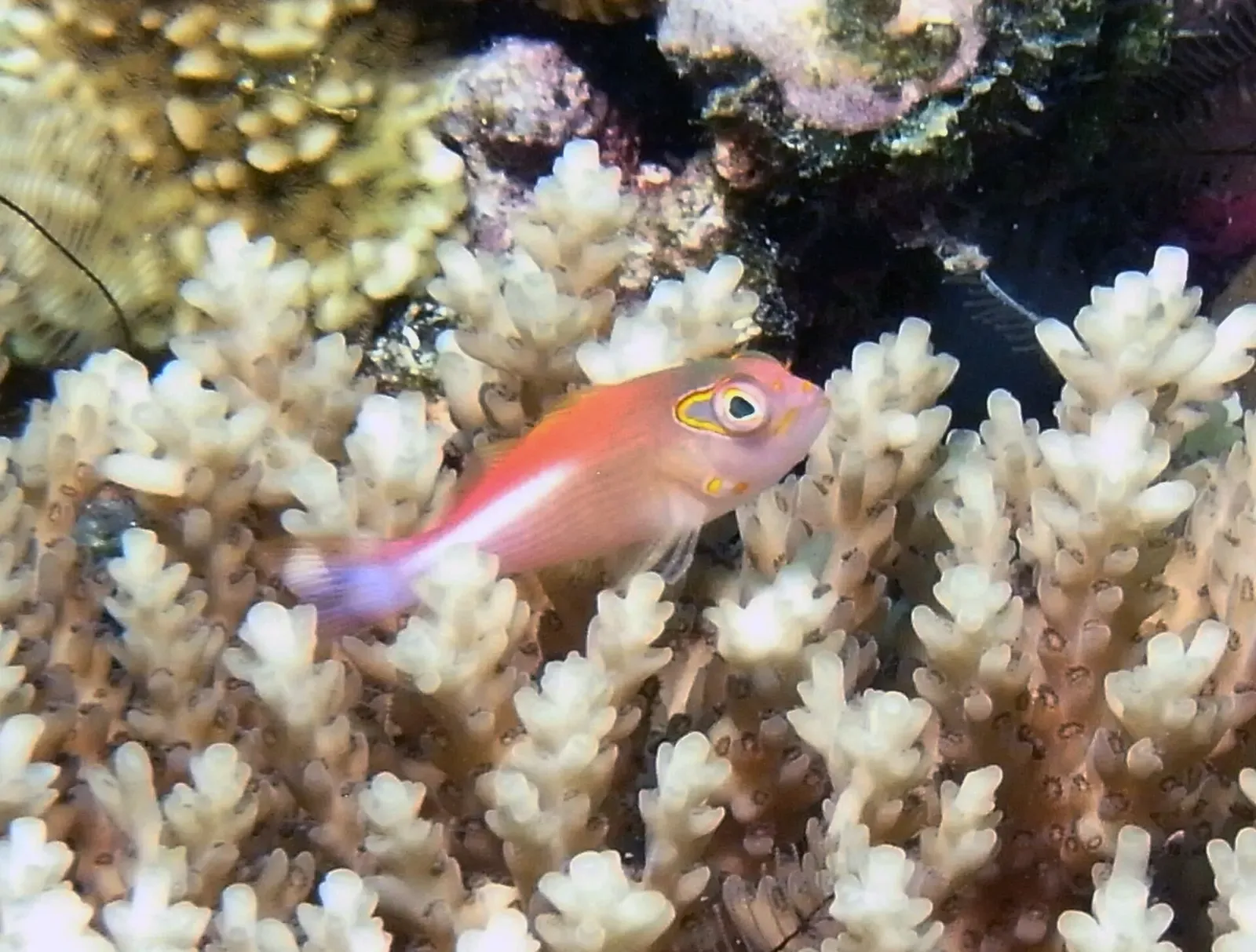
Coral heads from 3 m to 36 m, with swim-throughs and undercuts
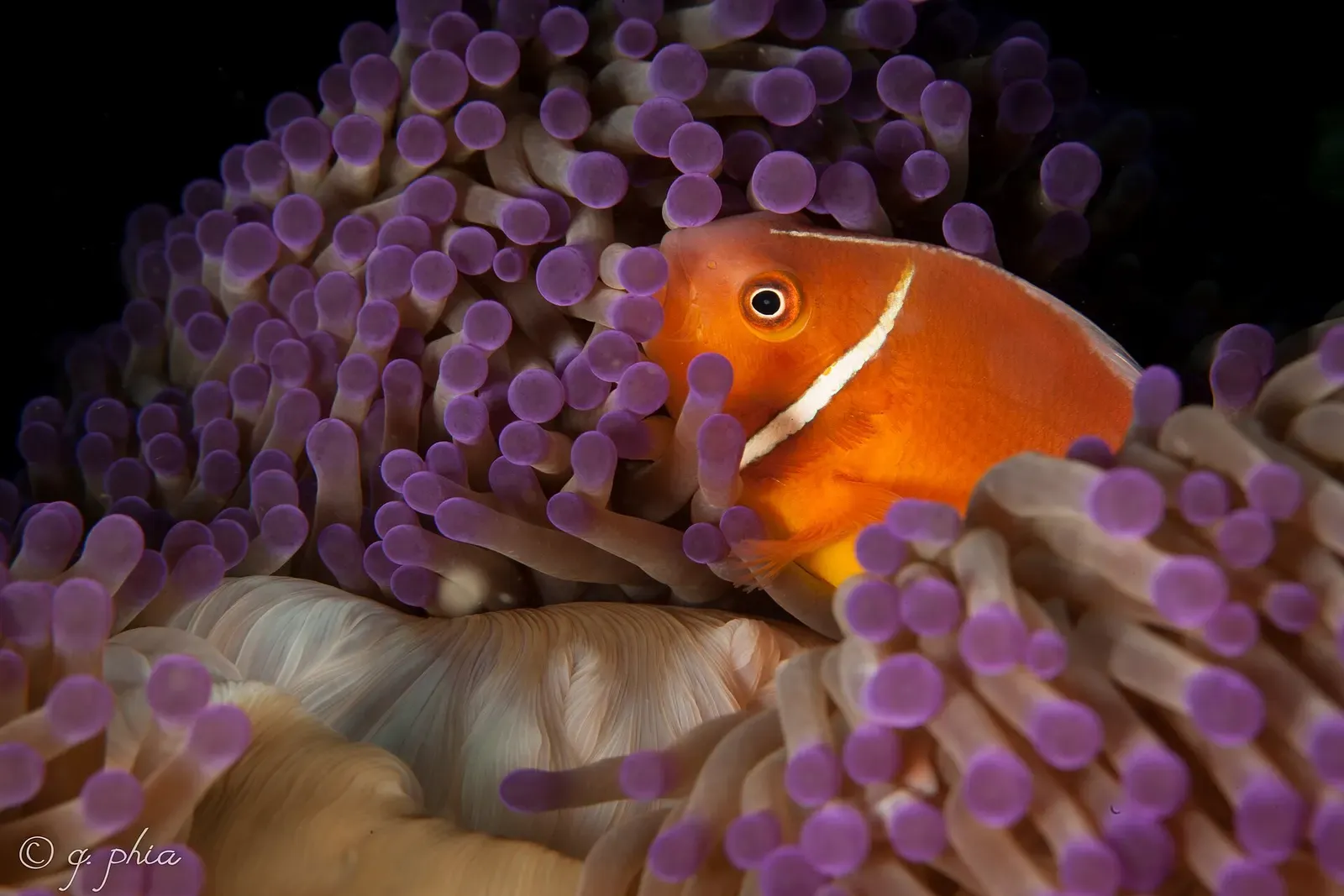
Two coral pinnacles from 3 m, banked in yellow soft coral
Seamount
A Chironephthya soft-coral wall on a 2,000 m seamount
Coral Corner
Current-swept corner of the passage with jacks and grey reef sharks.
Humann Nature
Bommie cluster in 20 m, named for the reef-fish author who mapped it.
How to get to Bligh Water & Vatu-i-Ra
Nadi is the arrival airport. Liveaboards leave from Lautoka and Port Denarau on Viti Levu's west side; land-based divers drive up to the Rakiraki and Volivoli end of the north coast and run day boats out into the channel. The furthest offshore seamounts are realistically liveaboard territory.
Dive videos
Fiji: Vatu, Nigali Passage & Mt Mutiny · Colin Gans on YouTube
Beautiful Fiji Diving - Bligh Waters with Ra Divers @VolivoliBeachFiji · cashsted on YouTube
Embed
Run a dive centre, club or blog? Embed this map of 5 dive sites near Bligh Water on your own page.
In The Logbook
- When and where to dive with hammerheadsBig animals · 16 min read
Similar destinations
Pacific Islands
A hundred kilometres of barrier reef with almost no divers on it

A 38 m chimney built by freshwater springs venting inside the lagoon
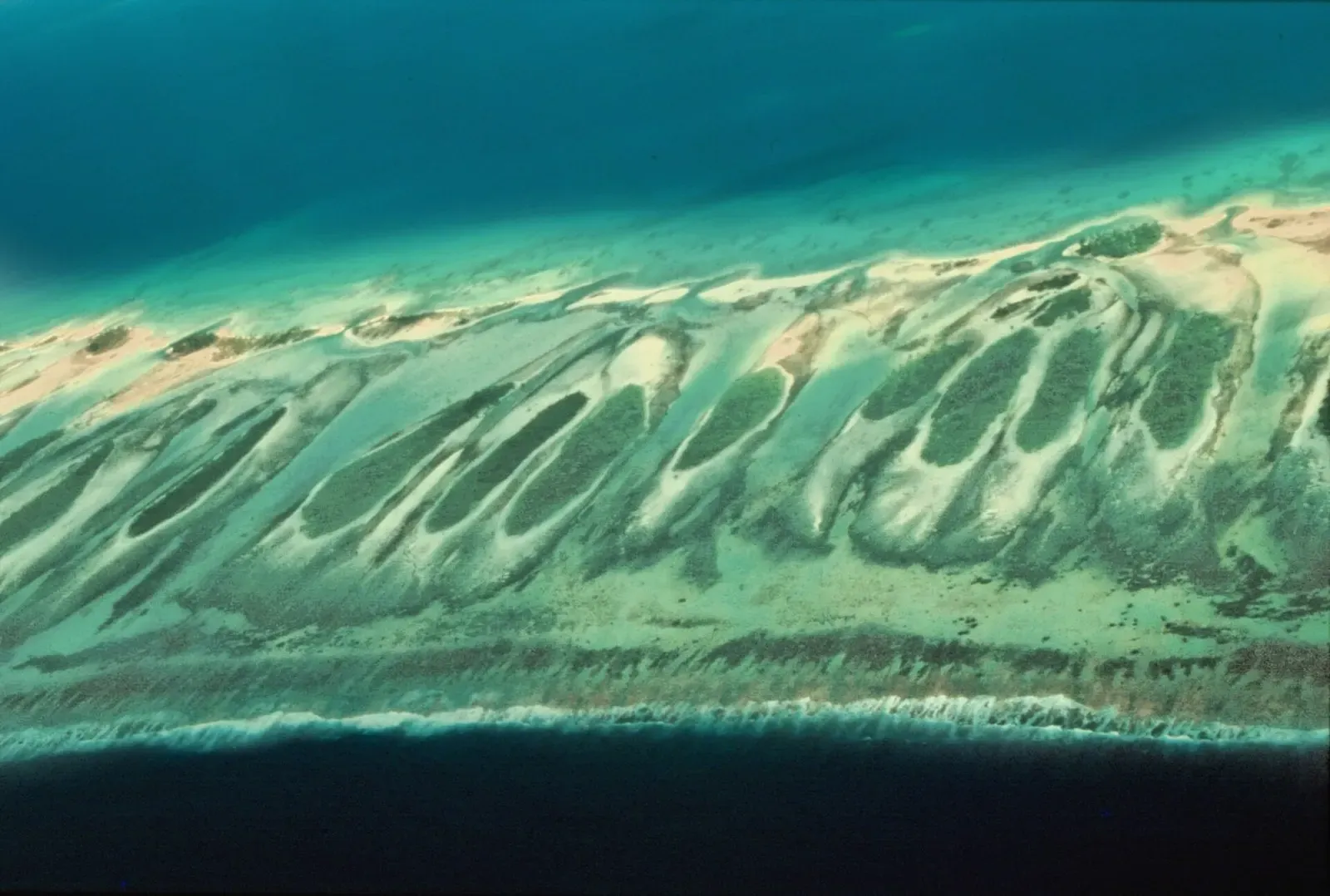
A pass so packed with fish Cousteau's team singled it out
Pacific Islands
Kosrae
Micronesia
Unbroken hard coral on an island that sees a few hundred divers a year