
Cap de Creus · Spain · Cave & cavern · Wall
La cova Fumada
A drop-off to 45 m and an air pocket from 14 m to 3 m
Area photo: Alan Mattingly · CC0
A site with two dives in it: a rocky scree field in the 20 m zone thick with life, and a drop-off falling from 20 m to 45 m that begins at the feature known as the cat's eye. The dive finishes at an air pocket running from 14 m up to 3 m, an overhead space rather than an open-water stop.
Where it is and how deep
42.2382° N, 3.2649° EPublished position for this site.
The dive
There are two routes here and the choice is made before the water. The first stays in the 20 m zone, a large rocky scree with a lot of life in it, and it is the option that leaves gas and no-decompression time to spend on searching. Grouper and sea bass patrol the bigger blocks, moray eels and octopus take the gaps between them, and lobster, sars and drum sars work the rubble underneath.
The second route starts at the cat's eye and follows a drop-off from 20 m down to 45 m. That is the deep dive of the pair and it is short by definition, so the plan is to descend the face, take in the gorgonians and the fixed life on the way, and be back up on the shallower rock with time in hand. Barracuda and rays turn up along the wall, and sunfish sometimes appear off it in open water.
The finish is the unusual part. An air pocket runs from 14 m up to 3 m, an overhead space to be entered only with the way out in sight and with the air inside treated as unbreathable. Coming back into the light afterwards, the shallow rock is a natural place to run out the safety stop with cerianthus anemones and the last of the scree in view.
Marine life and season
- Groupers
- Barracuda
- Octopus & cuttlefish
- Mola mola
- Macro critters
| Jan | Feb | Mar | Apr | May | Jun | Jul | Aug | Sep | Oct | Nov | Dec |
|---|---|---|---|---|---|---|---|---|---|---|---|
| Fair | Fair | Fair | Good | Good | Prime | Prime | Prime | Prime | Good | Fair | Fair |
Season follows Cap de Creus: Jun–Sep is warmest and calmest; the Tramuntana blows hardest in winter and spring and regularly cancels boats for days at a time.
Know before you go
- The air pocket between 14 m and 3 m is an overhead environment: enter only with a clear exit in sight, and do not breathe the trapped air.
- The drop-off runs from 20 m to 45 m, deep enough for narcosis and a fast gas burn, so fix the turn depth before descending the face.
Sources
- La cova Fumada — Scubago (SSI MyDiveGuide) — Scubago / SSI
More dive sites in Cap de Creus
Reef
A giant anchor and its chain links lying at 21 m
Sand, coralligenous and rock between 12 and 30 m
Seamount
The park's only offshore seamount, 8 m to 60 m
Circle the reef from 18 to 32 m, with the Phedon's remains on it
Seamount
Seamount rock from 5 m to past 40 m, gorgonians throughout
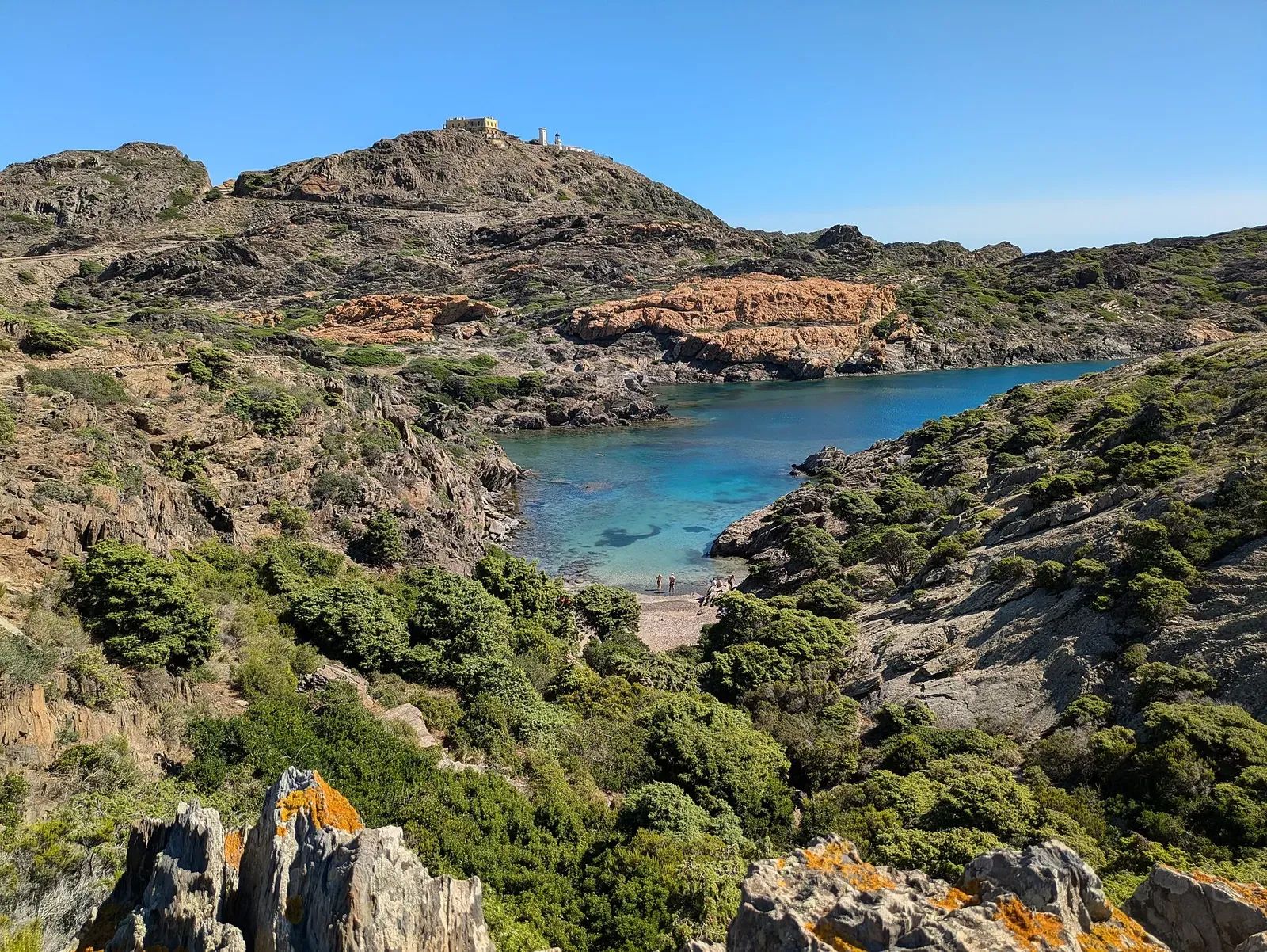
A marine-reserve cove under the Cap de Creus lighthouse
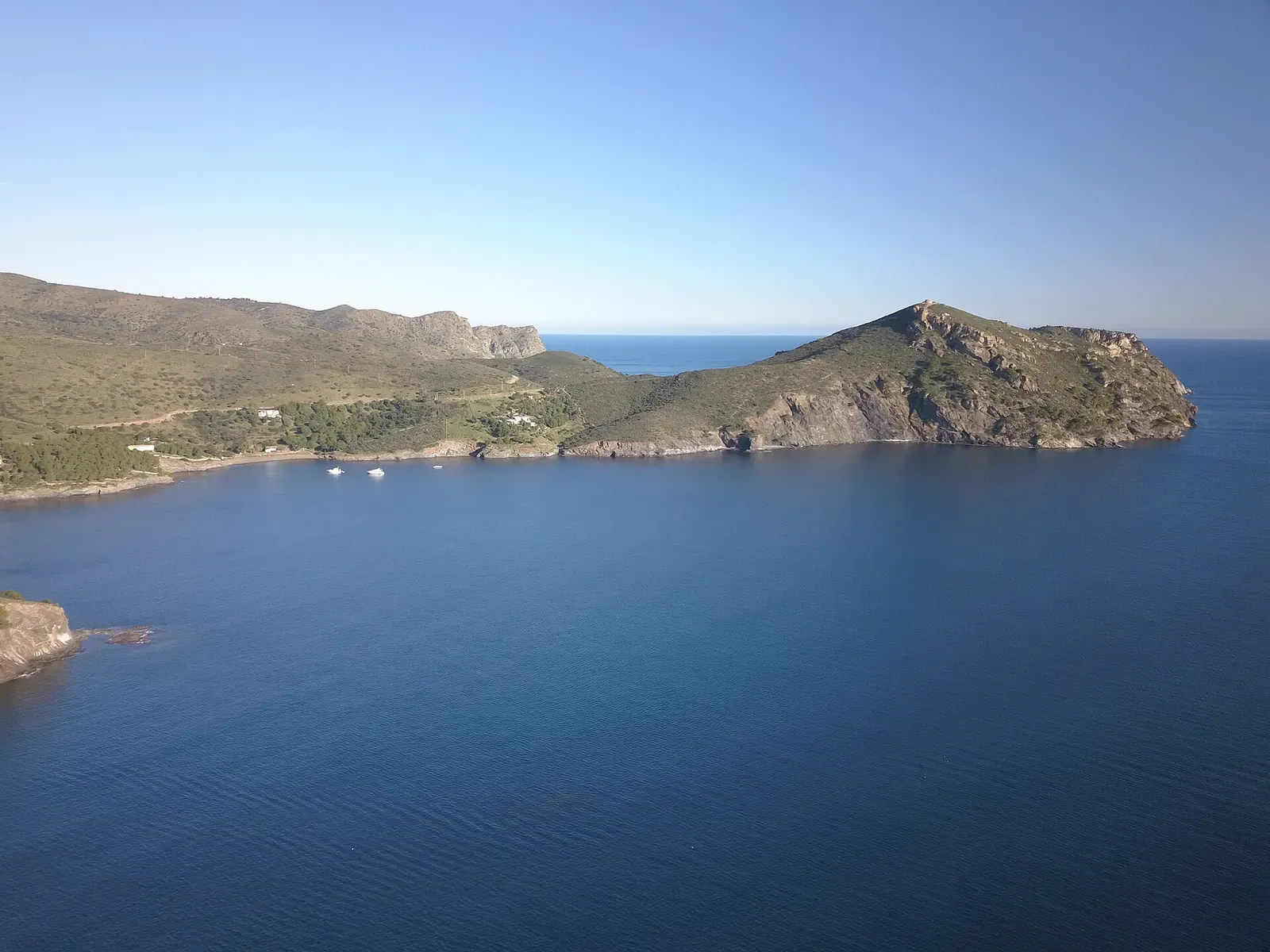
The park's best-known walls, and a cave with an air pocket
Reef
A 40 m canyon at the end of a 5 to 20 m drop-off
Similar dives elsewhere
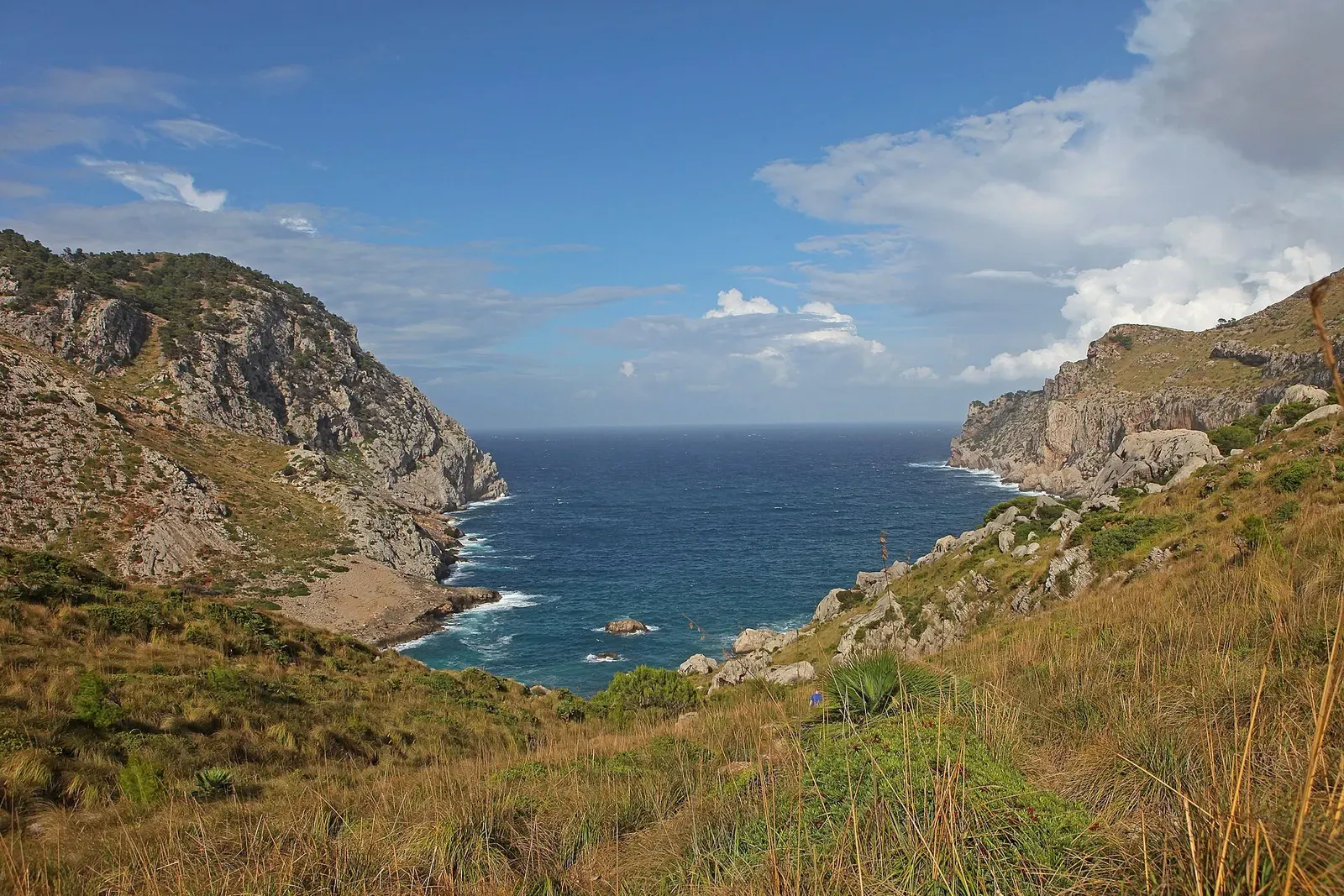
A cavern with multiple entrances at 4 m and a deep-water tunnel below

Three caves, the deepest at 30–35 m ringed with red coral
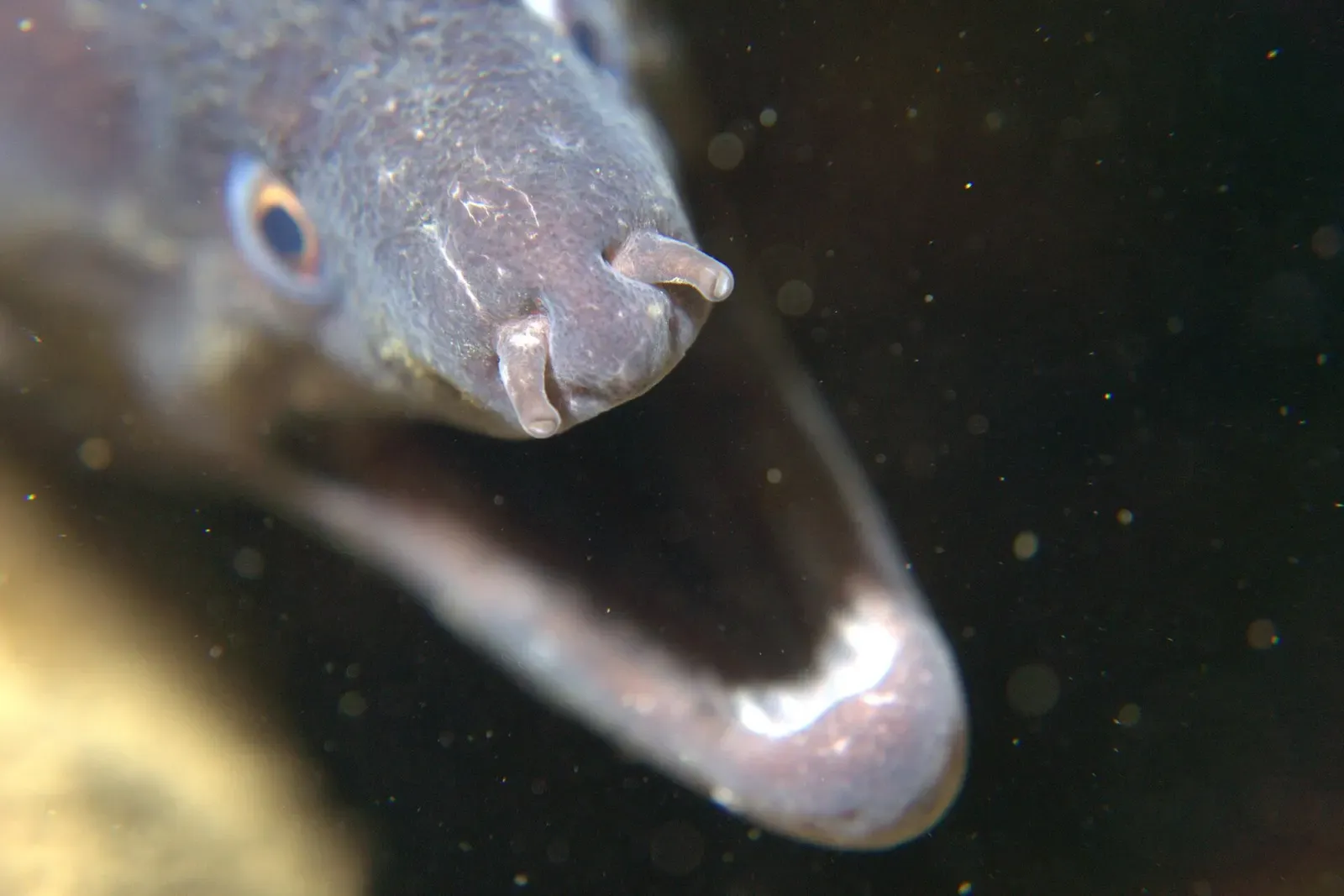
A 5 m cave passage that comes out at Dofí Sud
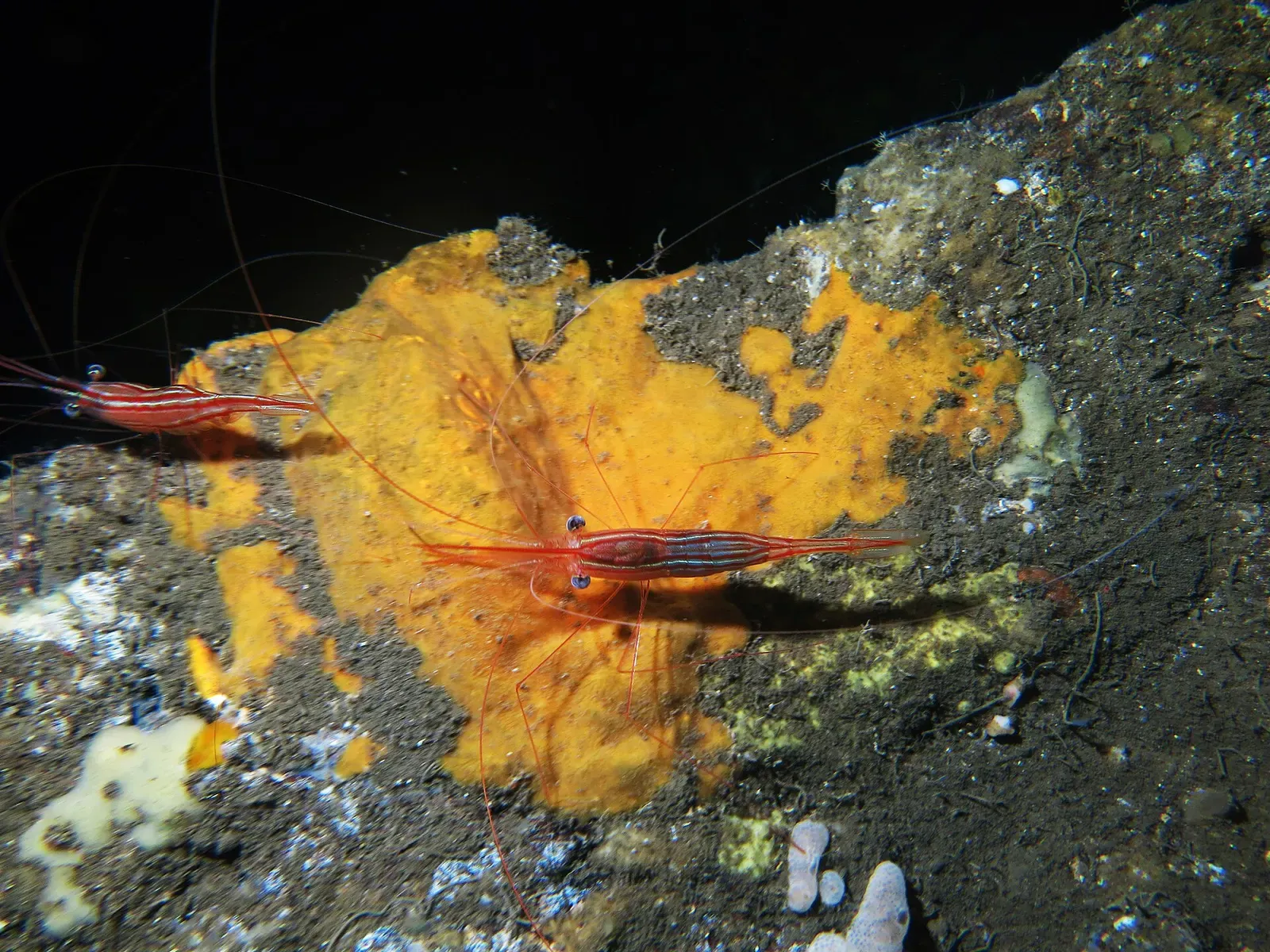

Walls that seem to move under thousands of massed shrimp