
Cap de Creus · Spain · Reef
S'Encalladora
Protected island rock from 12 m to past 40 m
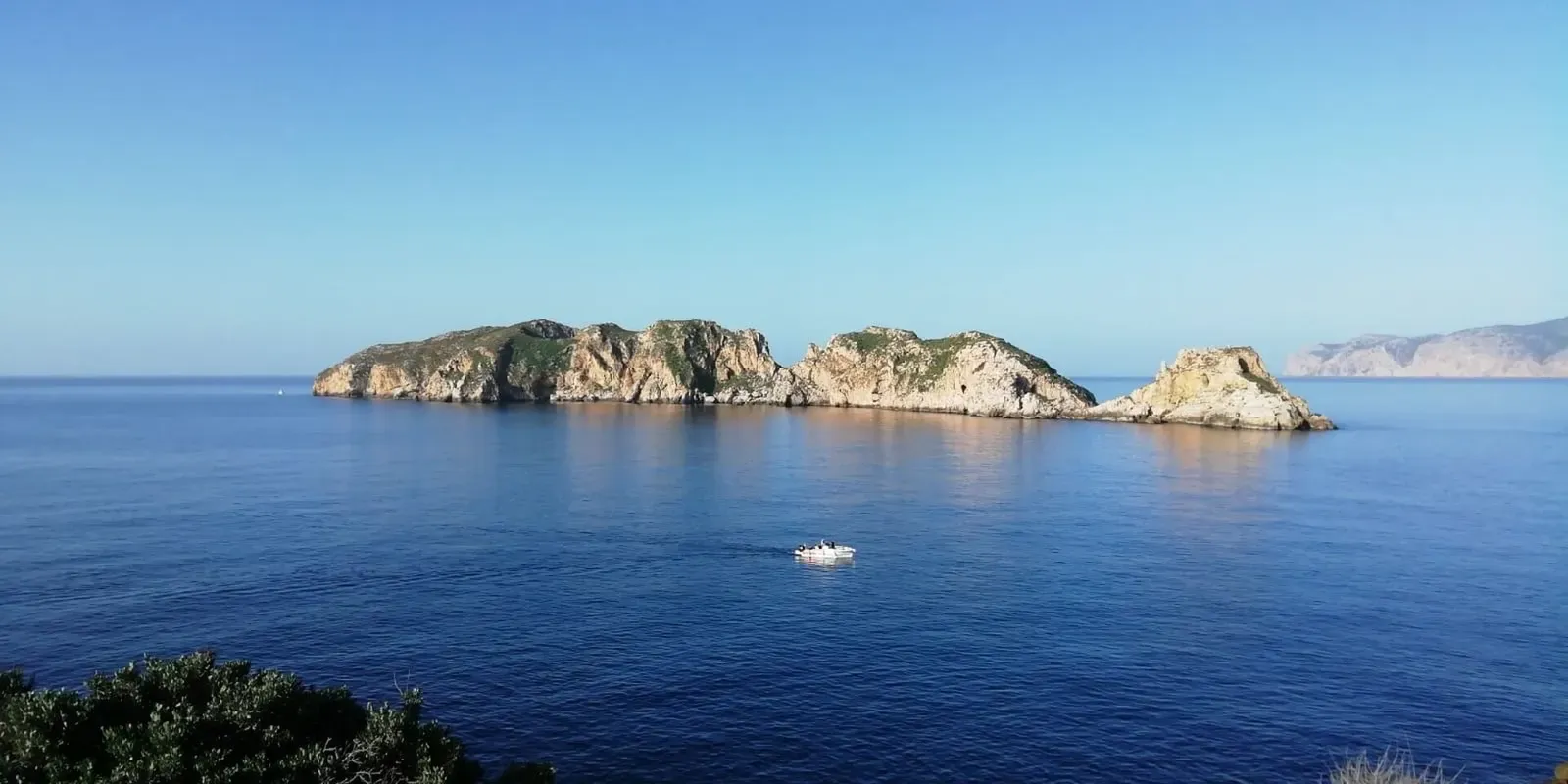
Area photo: Alan Mattingly · CC0
An island of the Cap de Creus Natural Park dived between two rock formations that run from 12 m down past 40 m. Its southern zone lies inside the park's partial protection while the north side is an integral reserve, and the exposure that keeps water moving over the rock also keeps fish on it: barracuda and dentex in the blue, octopus, moray eels and rays in the cracks below.
Where it is and how deep
42.3205° N, 3.3238° EPublished position for this site.
The dive
The dive works the gap between two rock formations, picking up the structure at around 12 m and stepping down along their flanks to more than 40 m. Depth is the team's choice rather than the site's: the upper rock carries enough life for a full dive on its own, and the deeper end is there for divers with the gas and the training to use it without rushing the way back.
Current is the deciding factor here. S'Encalladora sits exposed, and the site is rated for experienced divers on that count alone, so the dive is timed to the state of the water rather than to the schedule. The fish life is the return on that exposure: barracuda and dentex hold in the moving water, sea bream and other schools stack against the rock, and octopus, moray eels, rays and sea hares work the bottom and the fissures.
The island straddles two levels of protection, and the difference matters when the boat picks a side. The southern zone is included in the park's partial protection, while the north side is protected as an integral reserve, so the diving is planned on the south and the boundary is treated as fixed rather than as a suggestion.
Marine life and season
- Barracuda
- Octopus & cuttlefish
- Stingrays
- Reef fish swarms
| Jan | Feb | Mar | Apr | May | Jun | Jul | Aug | Sep | Oct | Nov | Dec |
|---|---|---|---|---|---|---|---|---|---|---|---|
| Fair | Fair | Fair | Good | Good | Prime | Prime | Prime | Prime | Good | Fair | Fair |
Season follows Cap de Creus: Jun–Sep is warmest and calmest; the Tramuntana blows hardest in winter and spring and regularly cancels boats for days at a time.
Know before you go
- Exposed to current: the listing rates the site for experienced divers on that basis, so check the flow before entering and keep the rock between you and the stream.
Questions divers ask
How deep is S'Encalladora?+
The dive runs between two rock formations from 12 m to more than 40 m, so teams choose their own depth. The shallow rock is a complete dive in itself; the deeper flank is for divers equipped for it.
Sources
- S'Encalladora — Scubago (SSI MyDiveGuide) — Scubago / SSI
More dive sites in Cap de Creus
Reef
A giant anchor and its chain links lying at 21 m
Sand, coralligenous and rock between 12 and 30 m
Seamount
The park's only offshore seamount, 8 m to 60 m
Circle the reef from 18 to 32 m, with the Phedon's remains on it
Seamount
Seamount rock from 5 m to past 40 m, gorgonians throughout
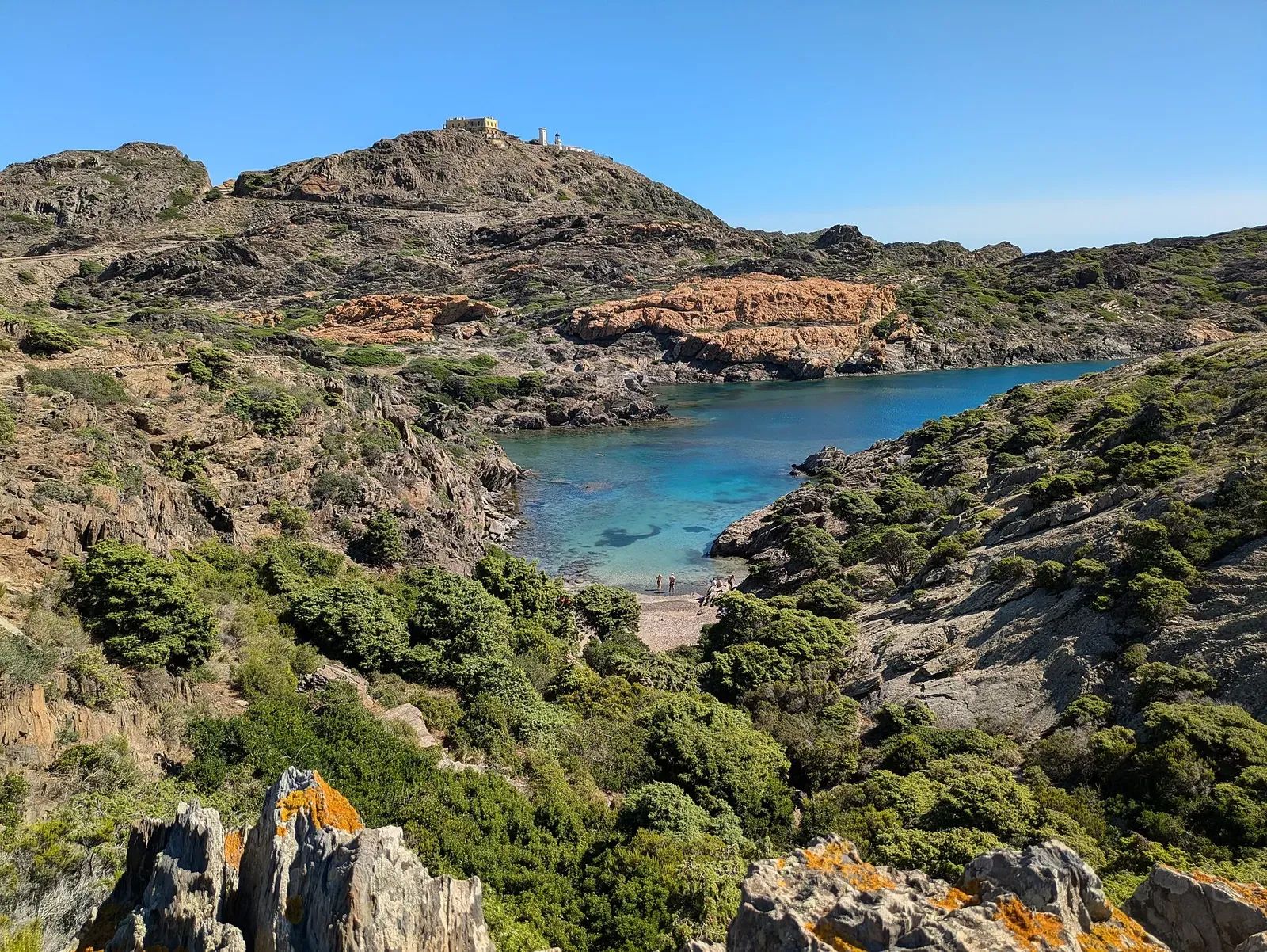
A marine-reserve cove under the Cap de Creus lighthouse
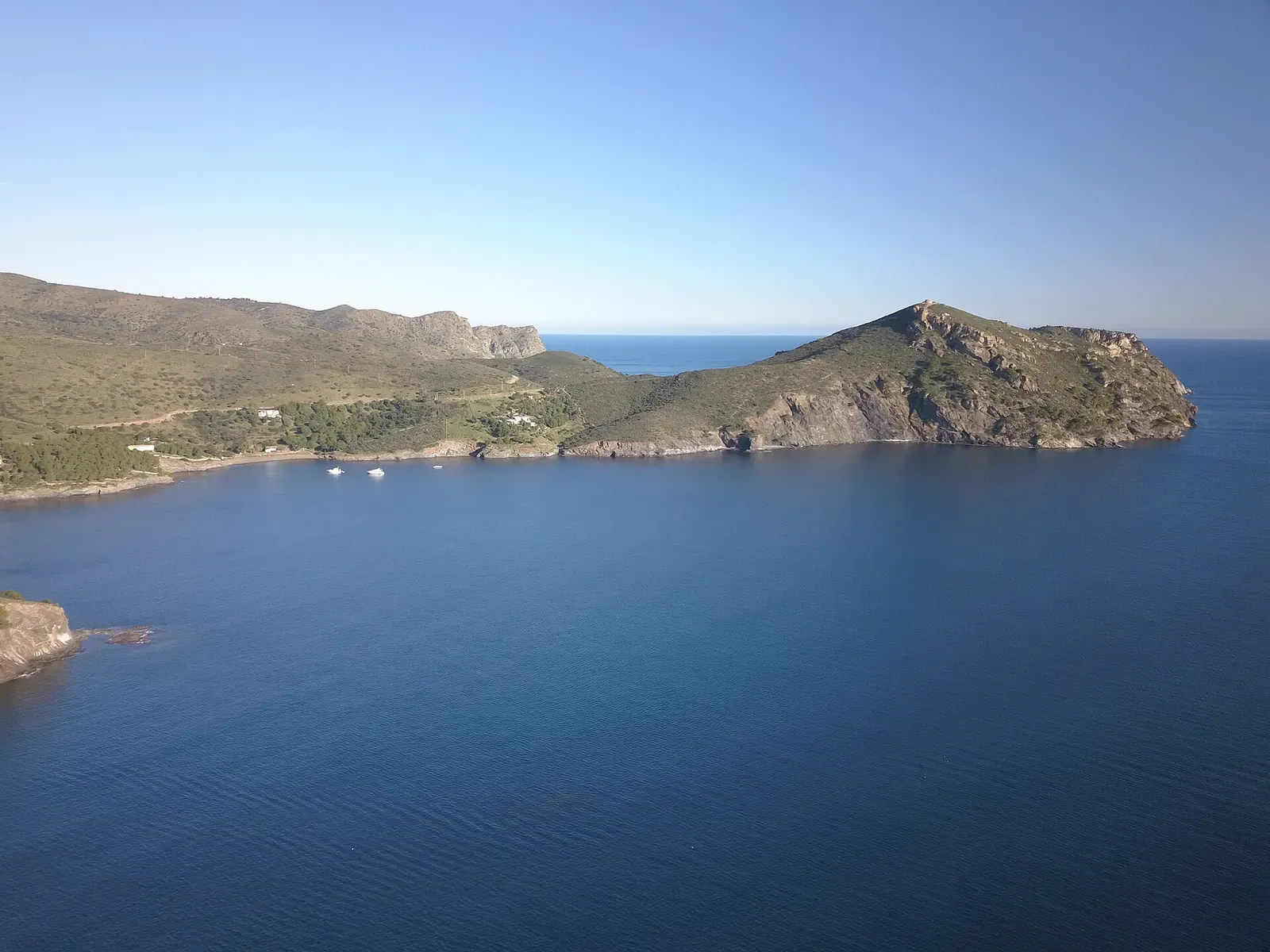
The park's best-known walls, and a cave with an air pocket
Reef
A 40 m canyon at the end of a 5 to 20 m drop-off
Similar dives elsewhere
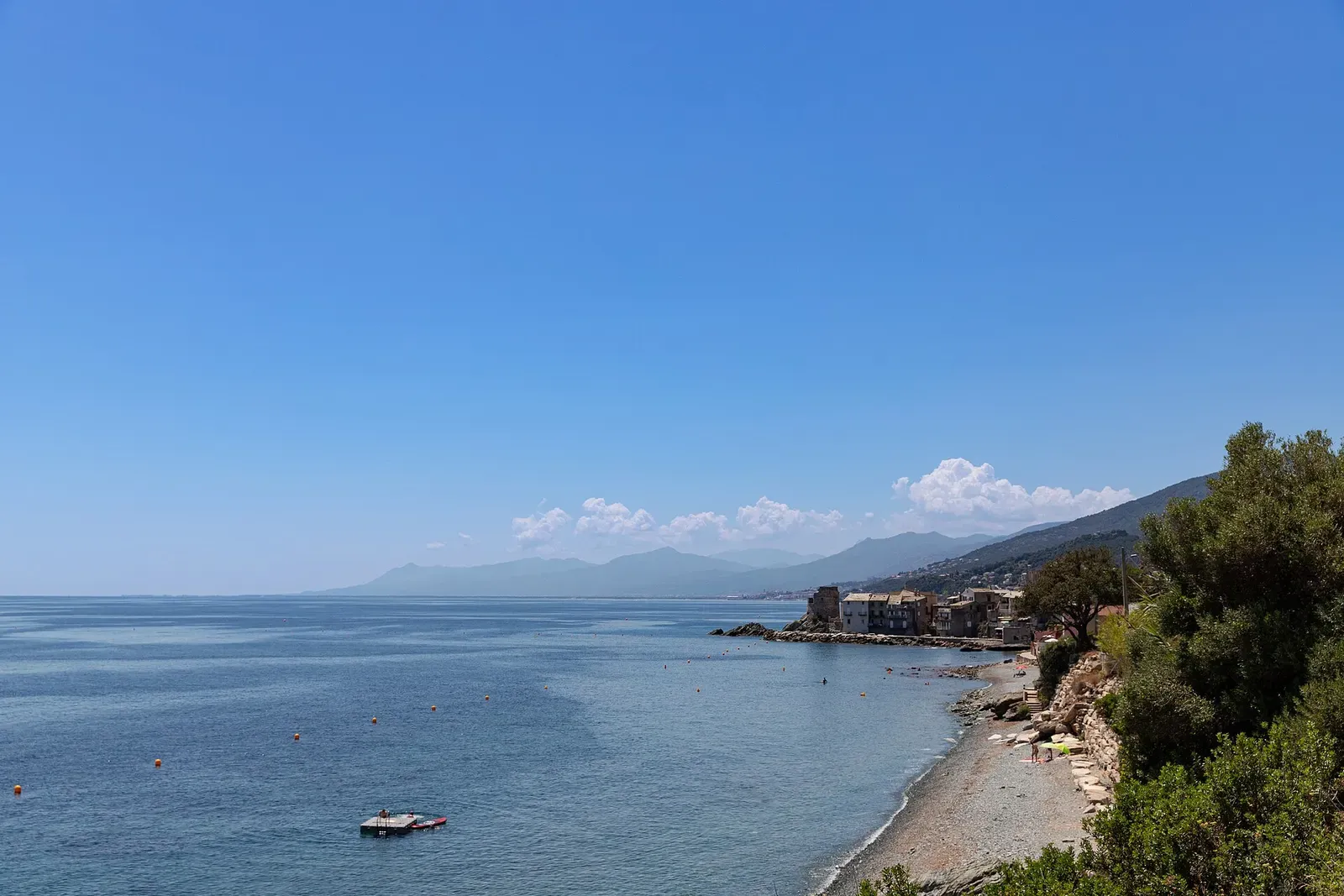
Rocks from 8 to 35 m with grouper, barracuda and fan mussels
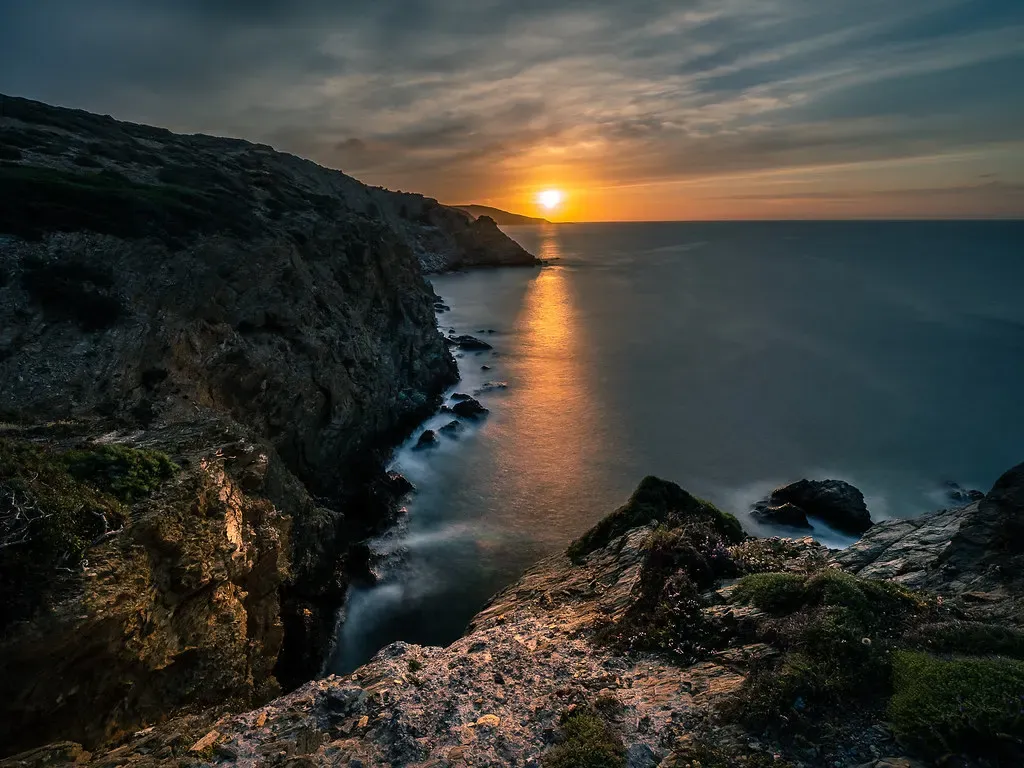
Barracuda circling over a reef 50 m off the beach
Tunnels through the rock, a small wreck and a plane wing between 6 and 35 m

A north-coast site dived anywhere between 12 and 40 m