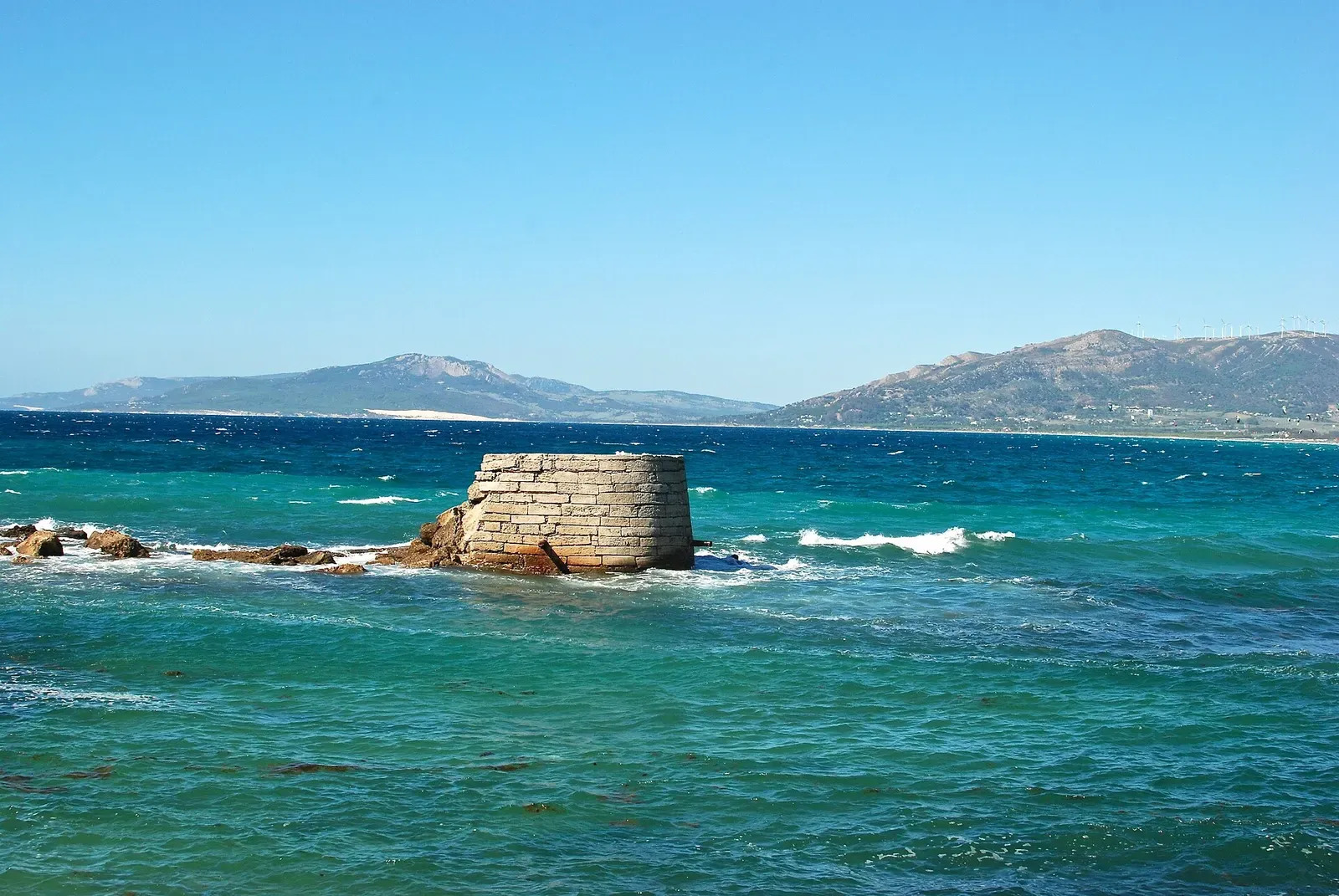
Ceuta sits on the African shore of the Strait of Gibraltar, where the Atlantic and the Mediterranean meet, and its diving spreads across about 20 sites in two bays: the north bay on the Atlantic side and the south bay where the Mediterranean begins. Rocks such as Chiclón de Fuera and Las Catedrales are clad in gorgonians and coral, and the sunken Piscifactoría fish farm lies offshore.
About diving in Ceuta
Ceuta has two bays that give shelter from the Strait's two prevailing winds, so the day's dives go to whichever bay the poniente from the west or the levante from the east leaves calm. Roughly 20 different dives are spread between them, up to 10 of them in the south bay alone. Offshore sites such as the Piscifactoría wreck are reached by boat, while La Cala del Desnarigado is entered from land.
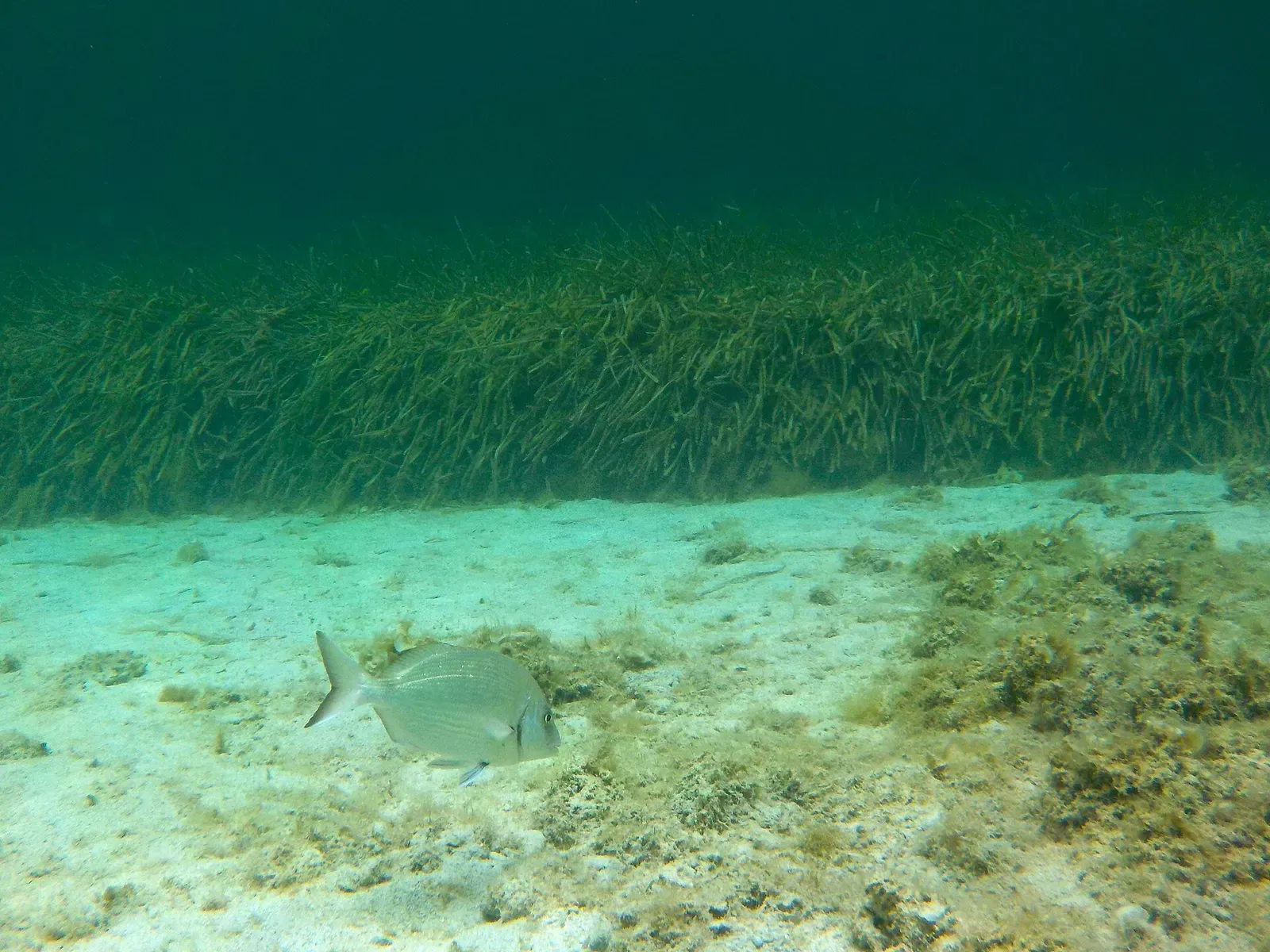
Underwater the coast is rock: walls, alleys and large boulders. At El Jardín de las Gorgonias a large sand dune at 30 m leads to three big rocks whose western faces are covered in gorgonians with nudibranchs, and at Piedra del Rey León, in the south bay, the rock gives way to a cliff deeper than 50 m where a large bank of shrimp and lobsters lives. At Chiclón de Fuera, red coral, forkbeards, pollack, dentex and spider crabs gather in front of a gorgonian meadow, and the currents where sea and ocean converge feed a varied flora and fauna.
The mix suits divers at different levels. In the south bay, five sites are aimed at divers with little experience and five carry a higher degree of difficulty. In the north bay, Chiclón de Más Afuera groups three rocks down to 40 m that call for strong technique and are not advised for beginners. For a diver who knows the Strait from the Spanish side, Ceuta resembles Tarifa but with more varied dive sites.
Best time to dive Ceuta
| Jan | Feb | Mar | Apr | May | Jun | Jul | Aug | Sep | Oct | Nov | Dec |
|---|---|---|---|---|---|---|---|---|---|---|---|
| Good | Good | Good | Good | Good | Good | Prime | Prime | Good | Good | Good | Good |
Boats run all year; the sea is coolest in February and March, near 16 °C, and warmest in July and August, near 23 °C.
Dive types & marine life
Moray and conger eels shelter at Chiclón de Tierra, where fireworms and nudibranchs are very common among the gorgonians. At Farfu, rays, schools of jack mackerel, damselfish and bogue show from the entry down to 20 m. In spring, large numbers of lobsters visit the gorgonian garden at Piedra del Cateto.
- Wall
- Coral garden
- Wreck
- Nudibranchs
- Trevally & jacks
- Octopus & cuttlefish
Best dive sites in Ceuta
- 1
Chiclón de Fuera
North-bay rock from 16 to 37 m with a vertical wall of about 20 m.
- 2
Las Catedrales
Three offshore rocks rising like cathedral towers, dived between 12 and 40 m.
- 3
Chiclón de Tierra
Rock near the mouth of Ceuta's harbour, dived between 12 and 20 m.
- 4
Los Callejones
A series of alleys lined with orange coral and gorgonians, home to octopus and fan mussels.
- 5
Piedra del Pineo
A lead statue of the Virgen del Carmen stands on the bottom at 14 m.
- 6
Bajo Susan
Easy shoal suited to divers starting out and to photographers for its scenery.
- 7
Piscifactoría
Sunken fish farm offshore, in very good condition between 36 and 52 m; boat only.
- 8
Cueva del Coral
Cave with two entrances, its interior and surroundings covered in red coral.
Site guides
Reef
Wreck remains crowded with life on an easy shoal
Wall
Lobsters and spider crabs among gorgonians on a sheer rock face
Moray and conger eels in the rock by Ceuta's harbour mouth
Cave & cavern
A cave lined inside and out with red coral
Pinnacle
Three rock towers rising off the seabed like a cathedral
Reef
A lead statue of the Virgen del Carmen on the seabed
Wreck
A sunken fish farm, well preserved and deep, far off the Ceuta coast
How to get to Ceuta
Ceuta has no airport on Spanish territory; the closest is Tetouan (TTU) in Morocco, which means crossing the border. The ferry from Algeciras takes 45 minutes in a calm sea, and helicopters reach Ceuta from Málaga in 35 minutes and from Algeciras in 7.
Dive videos
Buceo Ceuta. LEGADO. Burbujas Dive Center -David Bedia- GOPRO · David Bedia on YouTube
🌊 ¡PASILLOS Y CAÑONES ENTRE GORGONIAS! 🪸🇪🇸 | Los Callejones | Ceuta | 02-11-2019 🤿 · Producciones Maldisub on YouTube
Questions divers ask
Which bay is dived in Ceuta on a windy day?+
The two bays shelter from different winds, so the boat goes to the north or the south bay depending on whether the poniente or the levante is blowing.
Is Ceuta suitable for newly certified divers?+
Yes, in the south bay: five of its sites are aimed at divers with little experience, and Bajo Susan is an easy dive. Chiclón de Más Afuera in the north bay, down to 40 m, is not advised for beginners.
Are there technical dives in Ceuta?+
Yes. Cueva del Coral, between 35 and 43 m, suits technical-level divers, and the boat-only Piscifactoría fish-farm wreck reaches 52 m.
Is there shore diving in Ceuta?+
La Cala del Desnarigado is entered from land and is a nursery for juveniles of many species among orange coral; offshore sites such as the Piscifactoría wreck are reached by boat.
Sources
- Buceo Ceuta — Buceo Ceuta (Club de Buceo Burbujas)
- Buceando con Nautik | Ceuta — Forbes España
- Ceuta: Un jardín submarino en África — Buceadores de Málaga
- Ceuta Average Sea Temperatures — SeaTemperature.org
- Diving Center Ceuta — SENSACIONES.org
- Ceuta – Wikivoyage — Wikivoyage
Embed
Run a dive centre, club or blog? Embed this map of 11 dive sites near Ceuta on your own page.
Similar destinations
Atlantic and Mediterranean dives on one island
A permit-only national park off Mallorca, capped at 40 divers a day
A B-17 bomber upright on the sand at 25 m below the citadel
Gorgonian reefs from 24 m down to 90 m, and an all-levels wreck at 4 to 18 m