Mediterranean · Spain
Costa Brava — Blanes, Lloret & Tossa
Town-based Costa Brava diving over granite rock and Posidonia
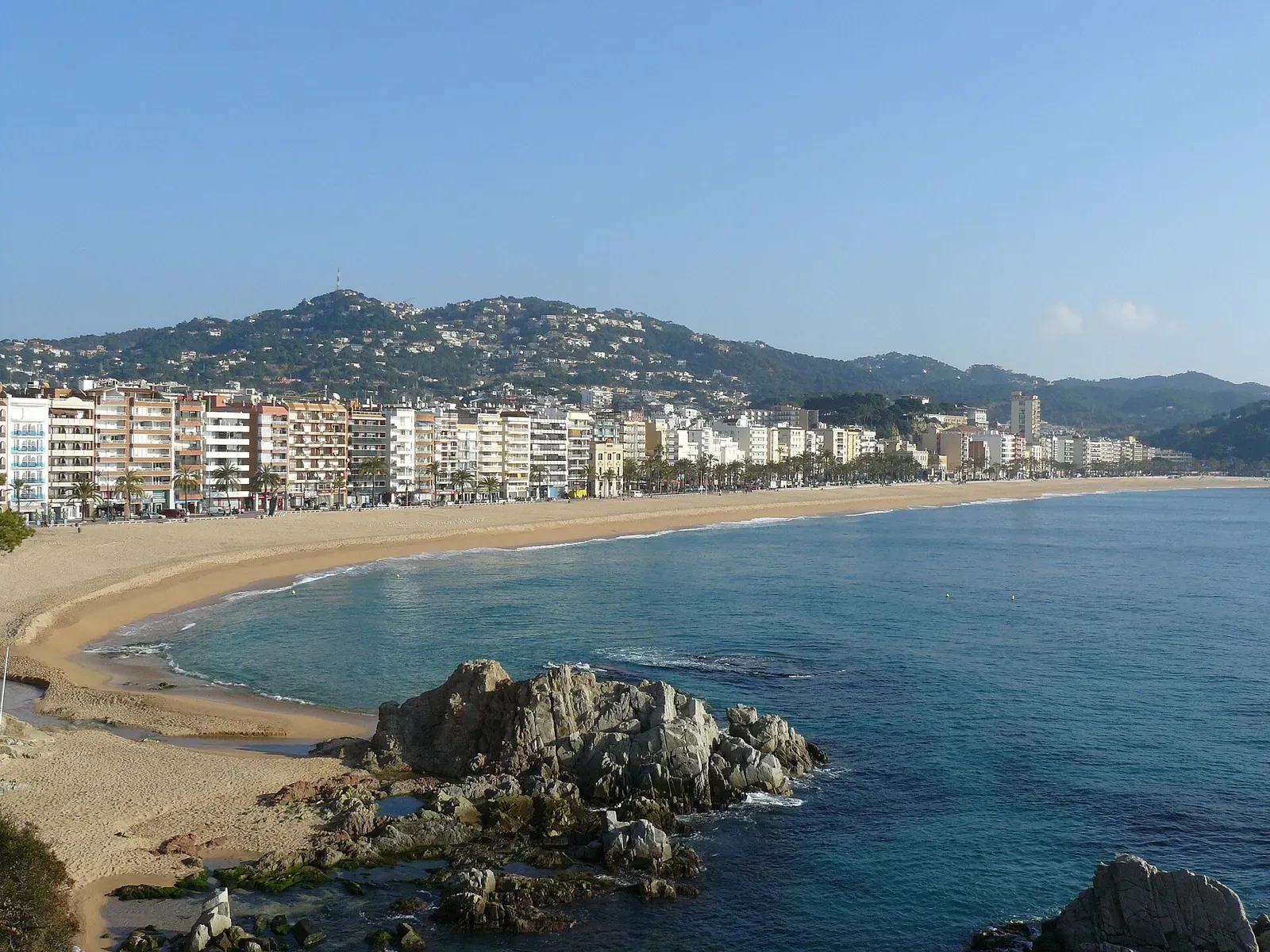
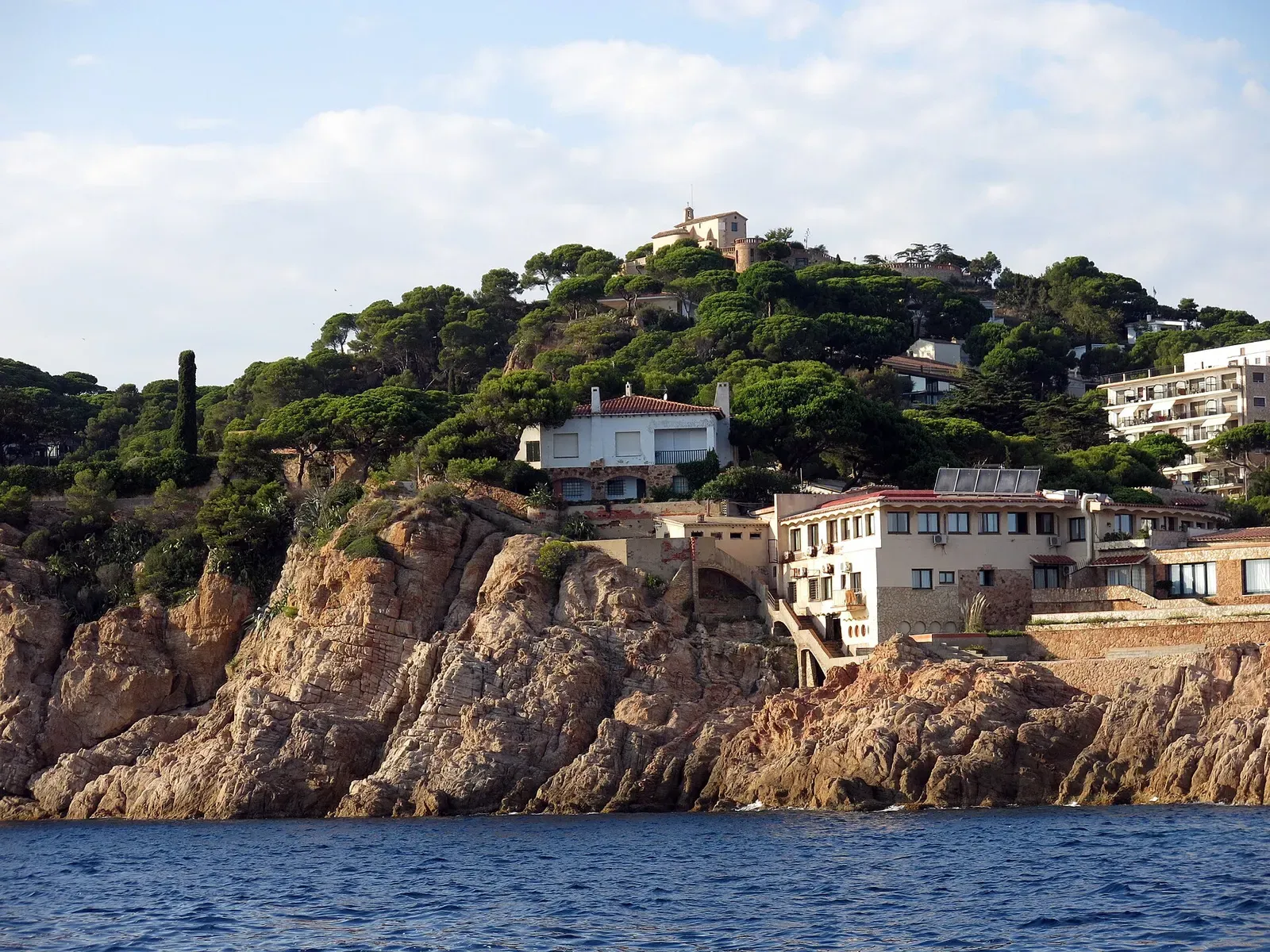
Photo: Xavigivax · CC BY-SA 3.0
Three neighbouring towns at the southern end of the Costa Brava share a coast of granite coves and offshore rock, dived from the beach and on short boat runs from Blanes port and the Tossa beaches. Ordinary dives sit between 5 and 30 metres: Sa Bauma off the Illa de Tossa runs a standard route to 24 m, Mar Menuda crosses pre-coralligenous rock from 17 to 30 m, and Muladera Grossa holds an extensive Posidonia meadow. Bolets, 23 to 35 m, is the deep-certification exception.
About diving in Costa Brava — Blanes, Lloret & Tossa
Several centres work this stretch, and the diving is built around the towns rather than a boat schedule. Blanes-Sub sits on the port two minutes from Santa Anna Bay and dives the bays of Santa Anna and Cala Sant Francesc, the second reached by minibus, or takes a slow or speed boat out. In Tossa de Mar the centres are on the beaches themselves, at Platja de Santa María de Llorell, Cala d'en Carles and Platja de la Mar Menuda, and the runs are short: Perduts lies less than five minutes by boat from Mar Menuda, in open water where current is possible, and Cala Grand a few minutes more. Cala Canyelles, at Lloret, is a beach entry that follows a jetty out to about 7 m.
The bottom is granite and coralligenous rock rather than coral. At Biotops the dive works through blocks at 27 m; Roca de Santa Anna is a pyramid-shaped rock from 26 down to 34 m; El Tubet is low granite half a mile offshore; Na Bosca is two rock masses separated by a sand channel. Posidonia meadows fill the gaps, extensively at Muladera Grossa and around the rock at Cala Grand. Blanes divers report sea anemones, long-snouted seahorses, sponges, spirographs, octopus, starfish, sea cucumbers and sea urchins. The 3 to 17 m shallows at Punta Santa Anna still hold sixteenth-century falconets and cannons from old shipwrecks.
It suits divers already staying in these towns, and beginners in particular: Platja de Sa Caleta is shallow, easy to orient in and used for long calm dives and for night dives, while the deeper boat sites give an advanced diver somewhere to go. What it does not offer is reserve-grade fish life or a distinctive reef system. The coast from Tossa north to Sant Feliu de Guíxols falls inside the Massís de les Cadiretes protected space, about a fifth of which is sea, but that is a protected-landscape designation rather than a dive-managed reserve. Divers who want the latter should carry on 50 km north to the Medes Islands, where a buoy and permit system caps diver numbers, or to Cap de Creus.
When to dive Costa Brava — Blanes, Lloret & Tossa
| Jan | Feb | Mar | Apr | May | Jun | Jul | Aug | Sep | Oct | Nov | Dec |
|---|---|---|---|---|---|---|---|---|---|---|---|
| Fair | Fair | Fair | Fair | Good | Prime | Prime | Prime | Prime | Good | Fair | Fair |
Water holds above 20 °C from June to October and tops out around 25–26 °C in August; winter dives run at 12–14 °C.
Dive types & marine life
The life is small and resident: sea anemones, long-snouted seahorses, sponges, spirographs, octopus, starfish, sea cucumbers and sea urchins on the rock at Blanes, with fish and invertebrates through the Posidonia. No large-animal encounter is documented for this coast. Jellyfish are a summer hazard along the whole Costa Brava.
- Reef
- Night
- Octopus & cuttlefish
- Macro critters
Notable dive sites in Costa Brava — Blanes, Lloret & Tossa
Reef
23 m at the top, 35 m at the bottom, deep ticket required
Beach entry along the jetty to about 7 m
Two route options from a 19 m anchorage down to 24 m
Reef
Low granite at 30 m, half a mile off Sa Palomera
Reef
Rock steps from an 18 m anchorage down to 25 m
Three granite arches on a 12 m shore route
Anchor line into the canyon between two rocks
Pinnacle
Underwater mountain five minutes out of Blanes port
Pre-coralligenous rock from 17 to 30 m, dived day and night
Sixteenth-century cannons on a 3 to 17 m shore dive
Reef
Granite blocks from the surface to 22 m
Sa Bauma
Multilevel dive at the Illa de Tossa: a standard route to 24 m and a deeper line to 30 m.
Na Bosca
Two rock formations split by a sand channel; the tour circles the larger rock, which bottoms at 17 m.
Getting there
Girona-Costa Brava airport is 40 km away and Barcelona El Prat 120 km, both with direct buses: 35 minutes and about €10 from Girona to Lloret, 1 hour 35 from El Prat, and roughly two hours to Blanes with Sagalés. The C-32 reaches Blanes from Barcelona in about an hour. Centres are at Blanes port, on the Tossa beaches and at Cala Canyelles in Lloret.
Photos from Costa Brava — Blanes, Lloret & Tossa
Isidre blanc · CC BY-SA 3.0
DagafeSQV · CC BY-SA 3.0
Dawid Glawdzin · CC BY 3.0
cescasals · Public domain
Photo credits
- Wide sandy town beach at Lloret de Mar with the seafront and hills behind it. by Xavigivax, CC BY-SA 3.0, via Wikimedia Commons
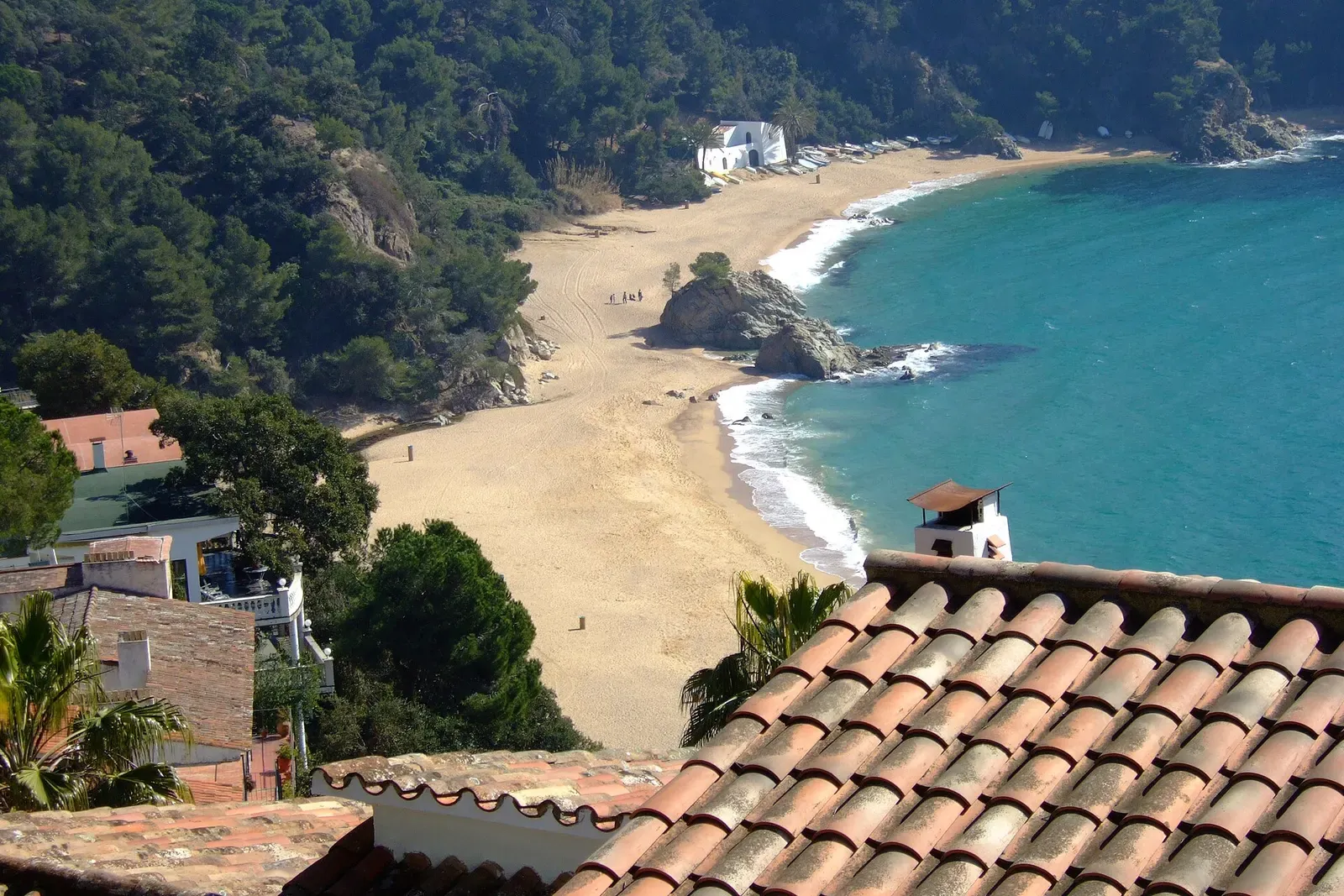
- Whitewashed chapel and palm tree above small fishing boats hauled up on the sand at Cala Canyelles. by Isidre blanc, CC BY-SA 3.0, via Wikimedia Commons
- Hillside pines and houses above a small harbour cove, seen from the coastal path at Cala Canyelles. by DagafeSQV, CC BY-SA 3.0, via Wikimedia Commons
- Aerial view of Canyelles beach cove with a small chapel above the sand and pine-covered cliffs around it. by Dawid Glawdzin, CC BY 3.0, via Wikimedia Commons
- Sunset over the harbour at Blanes, with boats silhouetted on the water. by cescasals, Public domain, via Openverse
Similar destinations
Three seamounts, a navy-tug wreck and gorgonian walls between Palamós and Cap de Begur
A cave system below the Eden Roc hotel, entered at 25 m from the beach or by boat

Dusky grouper by the dozen inside a Costa Brava marine reserve


.jpg)
Reserve walls at Bergeggi island and cert-gated gorgonian secche offshore