Galápagos West (Isabela & Fernandina) · Ecuador · Wall · Sand slope · Pelagic & blue water
Punta Vicente Roca
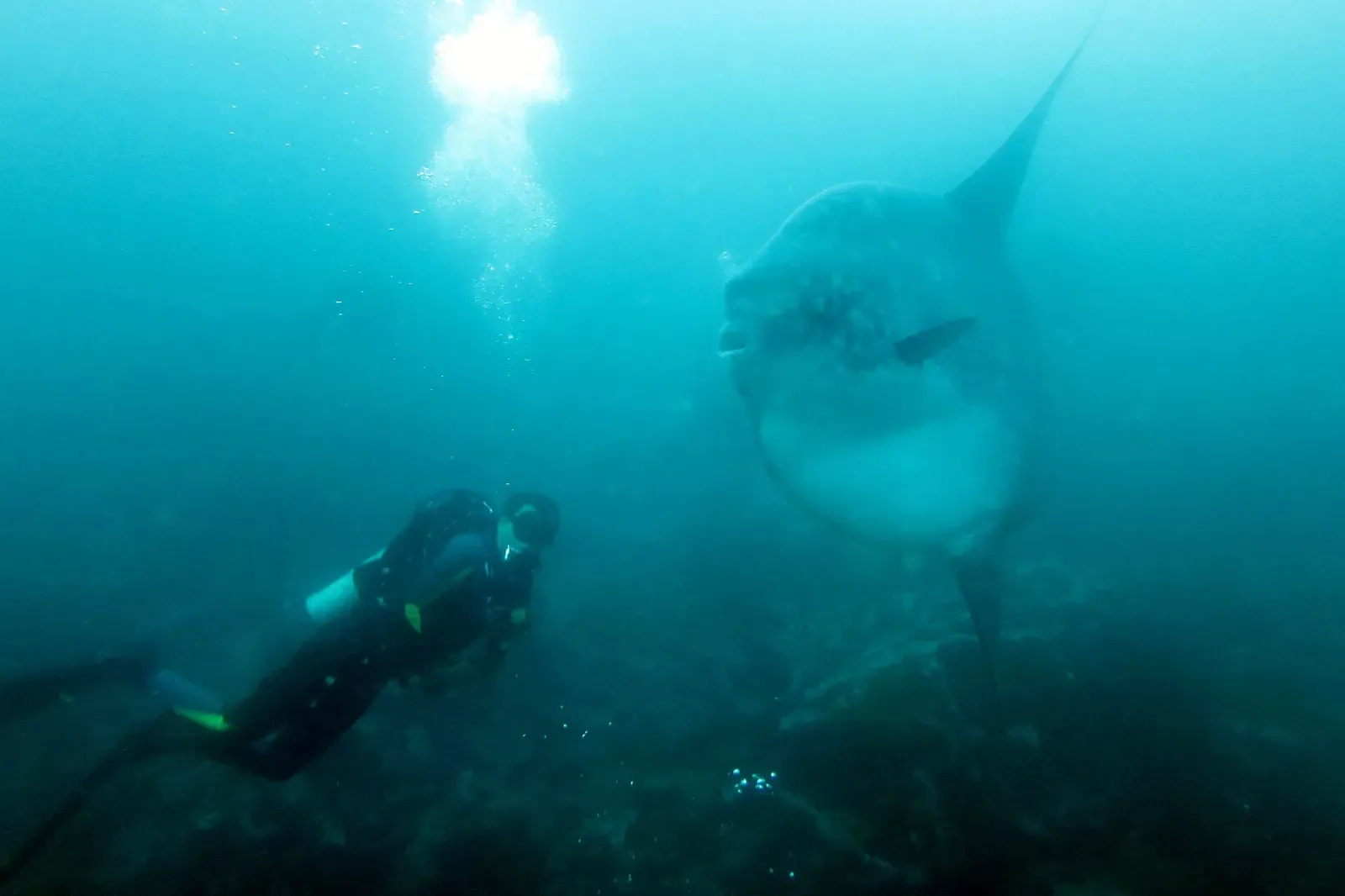
The archipelago's most reliable mola mola wall, in some of its coldest water
Area photo: Edgard Dias Magalhães · CC BY-SA 3.0
Punta Vicente Roca sits at Isabela Island's northwestern point, at the base of the collapsed Ecuador Volcano where the cold Cromwell Current wells up from the deep. The dive runs a shallow, crevice-filled wall down to a sandy shelf around 18-22 metres before a steeper drop-off, and it is the most reliable spot in the archipelago for mola mola, alongside red-lipped batfish, penguins and sea lions in some of the coldest water in Galápagos.
Where it is and how deep
0.0492° S, 91.5489° WApproximate position — the dashed circle shows where the site lies; your operator's briefing has the mooring.
The dive
Pangas drop divers at the base of a sloping wall on Isabela's northwestern point, right where Ecuador Volcano's collapsed rim meets the sea and the seahorse-shaped island narrows to what liveaboard crews call its mouth. The current here can run hard enough that the standard entry is negative and quick — clear your ears and head straight down onto the rock rather than pausing on the surface. A shallow band of crevices near the top of the wall gives way to a steeper drop that continues well past recreational depths, though most of the diving and most of the sightings happen in the first 25 metres or so.
The cold is the point. Isabela and Fernandina sit in the path of the Cromwell Current, an equatorial undercurrent that wells up here more than almost anywhere else in the archipelago, and the water can fall into the mid-teens Celsius on the equator. That upwelling is what pulls mola mola in against the wall — genuinely unpredictable, but reported here more consistently than anywhere else in Galápagos — alongside Galápagos penguins and sea lions that drop down from the surface to look divers over at close range.
The sand at the base of the wall, around 18 to 22 metres, is worth a slow pass with a torch: red-lipped batfish walk across it on stubby, leg-like fins, and the nocturnal, endemic Galápagos bullhead shark rests there by day, small and blotchy enough to miss if you are not looking down. Frogfish and seahorses tuck into the wall's crevices above, and schools of barracuda and salema move through the water column. Orcas are occasionally reported working the site — mola mola is a documented prey item for them here — though a sighting is luck rather than something to plan around.
Marine life and season
- Mola mola
- Penguins
- Seals & sea lions
- Barracuda
- Macro critters
| Jan | Feb | Mar | Apr | May | Jun | Jul | Aug | Sep | Oct | Nov | Dec |
|---|---|---|---|---|---|---|---|---|---|---|---|
| Prime | Prime | Prime | Prime | Good | Fair | Fair | Fair | Fair | Fair | Fair | Good |
Warmer, calmer water runs roughly Dec-Apr; the colder Jun-Nov upwelling is rougher and murkier but the season most operators associate with mola mola.
Know before you go
- Current is often strong enough that operators plan for a fast negative descent and may call a dive short or off if it turns heavier than expected.
- Water temperature can drop sharply on the wall as the thermocline shifts; a 7mm wetsuit or drysuit, hood and gloves are standard kit here.
- Visibility is genuinely variable, reported anywhere from a few murky metres to open, clear water on the same trip.
Questions divers ask
Can you reliably see mola mola at Punta Vicente Roca?+
Not guaranteed on any single dive, but this is the most consistent mola mola site in the Galápagos. The Galápagos Conservation Trust says sightings happen year-round but sporadically, while most operators point divers toward the cooler Jun-Nov upwelling months for better odds.
How cold does the water get at Punta Vicente Roca?+
It is described as one of the coldest dive sites in the Galápagos, with temperatures reported dropping into the mid-teens Celsius even on the equator. A thick wetsuit or drysuit, hood and gloves are the norm.
Can you dive Punta Vicente Roca on a day trip from Puerto Villamil?+
No. No land visits are permitted here and the site is reached only by liveaboards running the western Isabela-Fernandina circuit, not by day boats out of Isabela's port town.
Sources
- Punta Vicente Roca Liveaboard Diving — Liveaboard.com
- Top Dive Sites in the Galapagos — PADI
- Galapagos Dive Sites — Dive The World
- Sunfish — Galapagos Conservation Trust
- Isabela (Ecuador) — Wikivoyage
- Ogcocephalus darwini (red-lipped batfish) — Wikipedia
In The Logbook
- Diving with seals and sea lionsBig animals · 17 min read
- The layered sea: thermoclines and haloclinesOcean science · 8 min read
- Why some seas are greenOcean science · 8 min read
- Mola mola: where to dive with sunfishBig animals · 11 min read
More dive sites in Galápagos West (Isabela & Fernandina)
Wall
A manta cleaning station on Isabela's shoreline, current gentler than Darwin or Wolf
Similar dives elsewhere
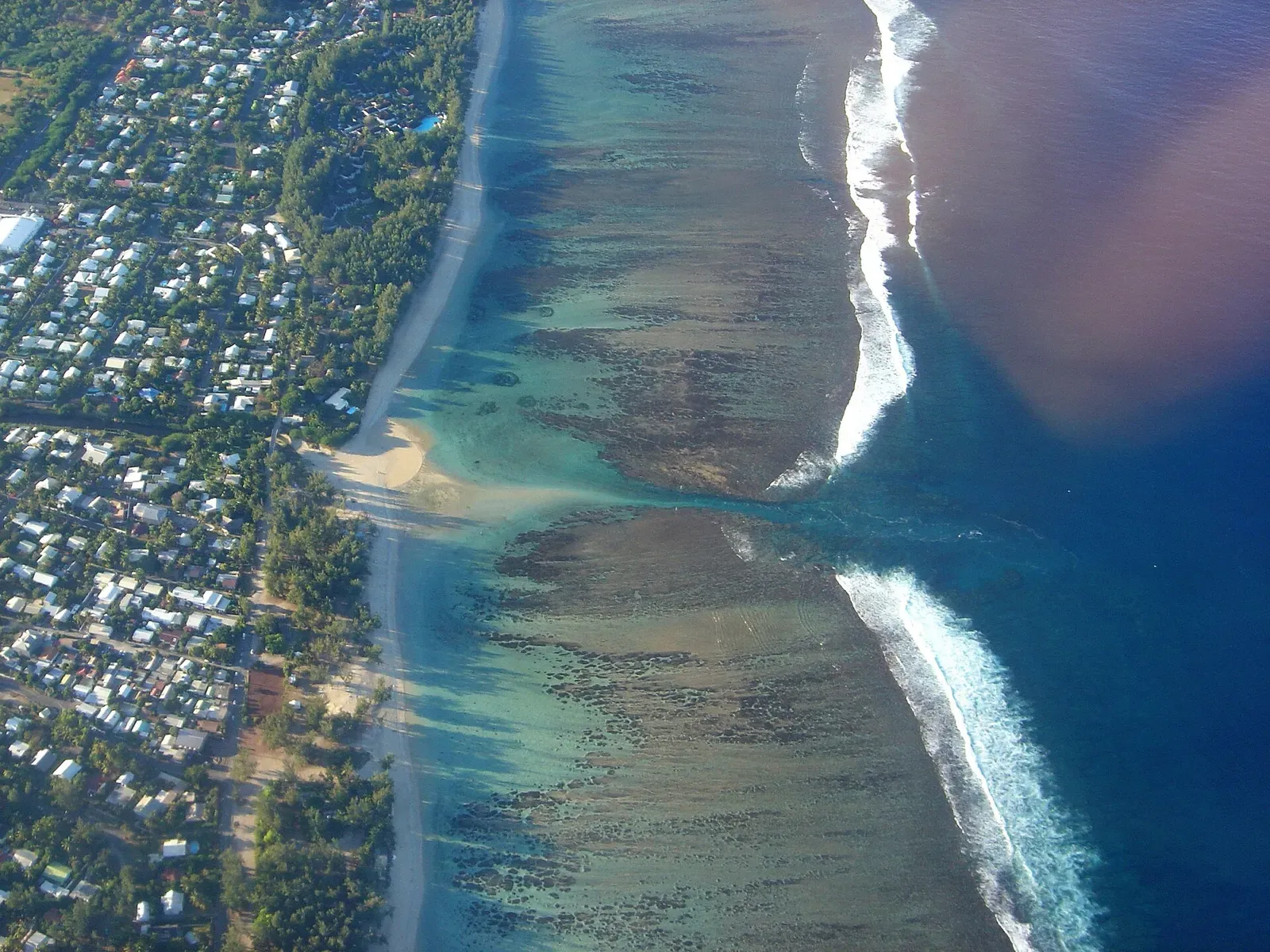
A stepped wall dropping in two stages from 40 m to 70 m

The sheltered Lekuan site, and Bunaken's night dive

A coral peninsula at 30 m with predators working the current line
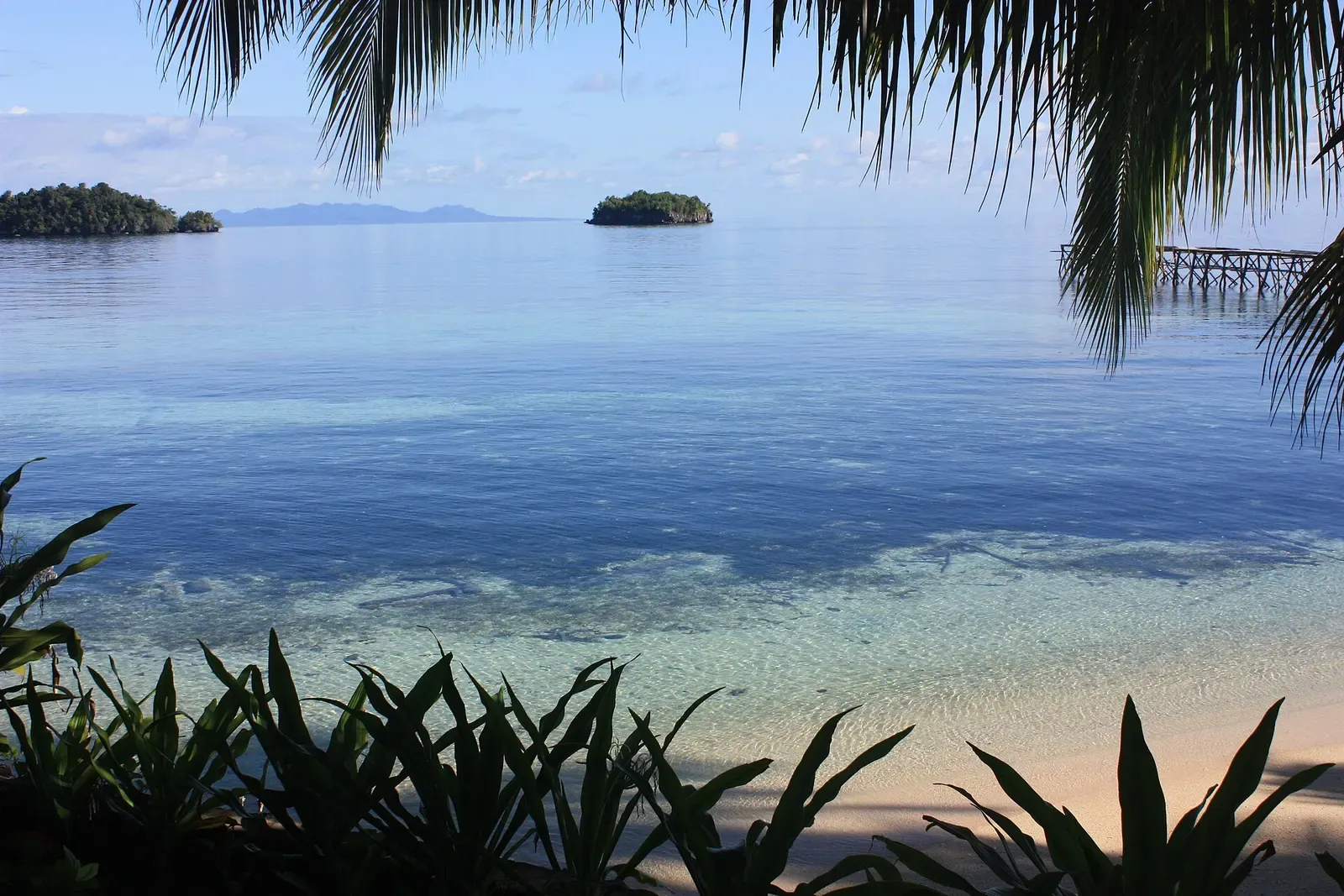

A north-pointing finger from 15 m down to 34 m