Mediterranean · Turkey
Gökçeada
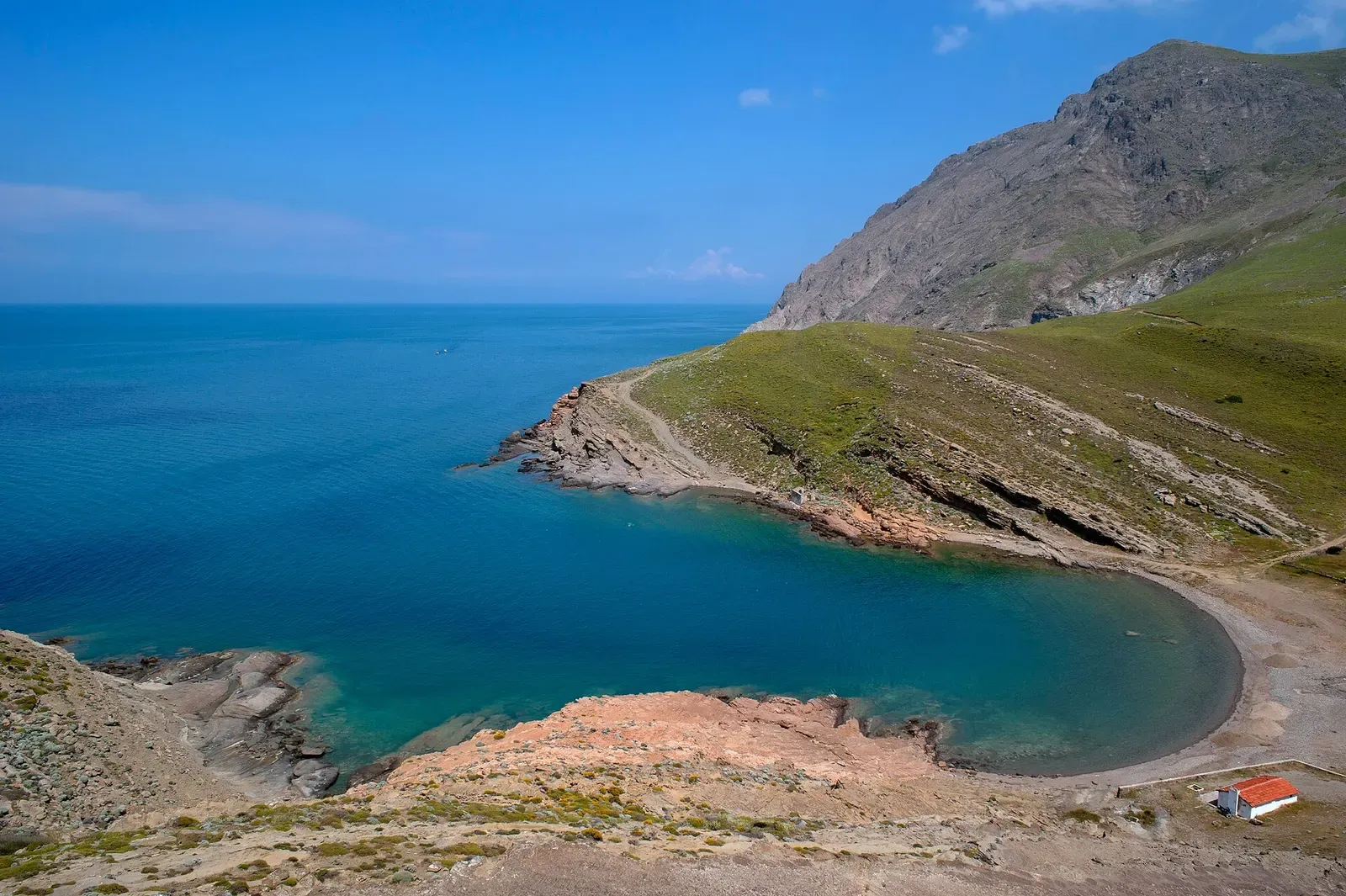
Diving inside Blue Bay, the first national underwater park in Turkey
Photo: User:Ggia · CC BY-SA 3.0
Gökçeada is a Turkish island reached only by ferry, and its waters hold Mavikoy, or Blue Bay, the first national underwater park in Turkey. Dive boats leave from Kaleköy, and the south coast off Aydıncık beach has dive points of its own. The sites run from the shaded wall at Kaşkaval Burnu and the pebble-and-rock bay of Yıldız Koyu to a broken wreck off Aydıncık Burnu and night dives on the stones outside Kaleköy harbour, with groupers on the wreck and lobsters in the shallows.
About diving in Gökçeada
Boats leave Kaleköy for the Mavikoy underwater park, a short run, while a string of dive points lies along the south coast off Aydıncık beach. The park was set up in 1999 between Yıldız Bay and Kuzulimanı, and organised dives inside its boundaries need guidance and a permit from an authorised centre, so dives there go out with an authorised centre rather than independently. Night dives start from Kaleköy itself, on the stones just outside the harbour.
The underwater landscape is rock. Kaşkaval Burnu drops as a wall that stays in shade because the mountains above block the sun. Yıldız Koyu carries its pebble and rock shoreline straight on underwater. Off Aydıncık Burnu a ship lies broken on the bottom, and the shallow stones at Kaleköy shelter lobsters and many kinds of crab, which make them a macro dive as much as a night dive. Inside the park, fish species and numbers have risen and lobster species not seen before have appeared.
Kaşkaval Burnu takes little current, but the stones outside Kaleköy carry a current that sets quietly toward the Greek island of Limnos, so night divers there keep watch on their drift. The wreck off Aydıncık Burnu sits where very strong currents form and is only for experienced divers. Newcomers can start with an introductory dive in the park, which goes no deeper than 5 m.
Best time to dive Gökçeada
| Jan | Feb | Mar | Apr | May | Jun | Jul | Aug | Sep | Oct | Nov | Dec |
|---|---|---|---|---|---|---|---|---|---|---|---|
| Off-season | Off-season | Off-season | Good | Good | Good | Fair | Fair | Prime | Prime | Off-season | Off-season |
The dive centres generally open in April and stay open until the end of October, which leaves the winter months, when the sea averages about 14 °C, outside the diving year. Spring water is still cool at around 15 °C. July and August bring the warmest sea, about 25 °C, but the meltemi wind cancels dives on some days, so it pays to check with the centre ahead. September and October are the pick: the sea is at its calmest, visibility is at its best and the water still averages about 21 °C in autumn.
Dive types & marine life
Groupers are the fish to look for on the Aydıncık wreck, and lobsters and crabs hold the shallow stones at Kaleköy. Dolphins and Mediterranean monk seals have been recorded visiting the shore again inside the park, but they are records rather than regular sightings on a dive.
- Wall
- Reef
- Wreck
- Night
- Groupers
- Macro critters
Best dive sites in Gökçeada
- 1
Mavikoy (Blue Bay)
Bay inside the underwater park, open to recreational scuba; 15 minutes by boat from Kaleköy.
- 2
Kaşkaval Burnu
First stop for day boats from Kabatepe; the wall gives way to seagrass and scattered boulders near 30 m.
- 3
Aydıncık wreck
A ship lying in pieces at 27 m, about 1.5 miles off Aydıncık Burnu, with groupers on the hull.
- 4
Yıldız Koyu
Pebble-and-rock bay that deepens to 9–15 m offshore, then shoals again to 6–7 m.
- 5
Kaleköy harbour
Night dive on the stones outside the harbour at 4–8 m, among lobsters and crabs.
Site guides
Wreck
Groupers on the scrapped hull of a ship thought lost in the Gallipoli campaign
Wall
A wall kept in shade by the mountains above it
A 10 m tunnel through the rock inside a no-fishing marine park
Reef
A seagrass trail from mid-bay down to rocks at 25 m
How to get to Gökçeada
Gökçeada has an airstrip but no air service, so the island is reached by ferry, usually from Kabatepe; the Gestaş crossing takes 90 minutes and sails 3 or 4 times a day on weekdays and twice a day at weekends. Boats to the underwater park leave from Kaleköy.
Dive videos
Gökçeada Su Altı Deniz Parkı · Türk Deniz Araştırmaları Vakfı (TÜDAV) / Turkish Marine Research Foundation (TU… on YouTube
Gökçeada Yelken kaya DALIŞI -1 · Gökçeada Dalış Merkezi on YouTube
Questions divers ask
Do divers need a permit to dive the Gökçeada underwater park?+
Yes. Organised dives inside the park boundaries need guidance and a permit from an authorised centre, so dives there are booked through that centre.
Is the Aydıncık wreck suitable for newly certified divers?+
No. The wreck lies in pieces at 27 m about 1.5 miles off Aydıncık Burnu, and very strong currents form around it, so it suits experienced divers only.
Can the summer wind stop the diving?+
Yes. In July and August the meltemi cancels dives on some days, so it is worth asking the centre before planning a short trip around particular days.
Is there night diving on Gökçeada?+
Yes, on the stones outside Kaleköy harbour at 4–8 m, where lobsters and crabs come out; a current there sets toward Limnos, so divers watch their drift.
Sources
- Imbros — Wikipedia
- Gökçeada Dalış Merkezi — Gökçeada Dalış Merkezi
- DivePark Dalış Eğitimi — DivePark Gökçeada
- Gökçeada Dalış Rehberi: Merkezler ve Sualtı Parkı 2026 — Visit Gökçeada
- Gökçeada Dalış — e-gokceada.com.tr
- Gokceada water temperature — seatemperature.info
- Gökçeada Underwater Marine Park — TUDAV
- Gökçeada — Wikivoyage
Photo credits
- A turquoise cove with a curved pebble beach below a steep grey mountain and green slopes, with a small red-roofed building on the shore by User:Ggia, CC BY-SA 3.0, via Wikimedia Commons
Embed
Run a dive centre, club or blog? Embed this map of 12 dive sites near Gökçeada on your own page.
Similar destinations

WWI battleships and warships from the Dardanelles campaign
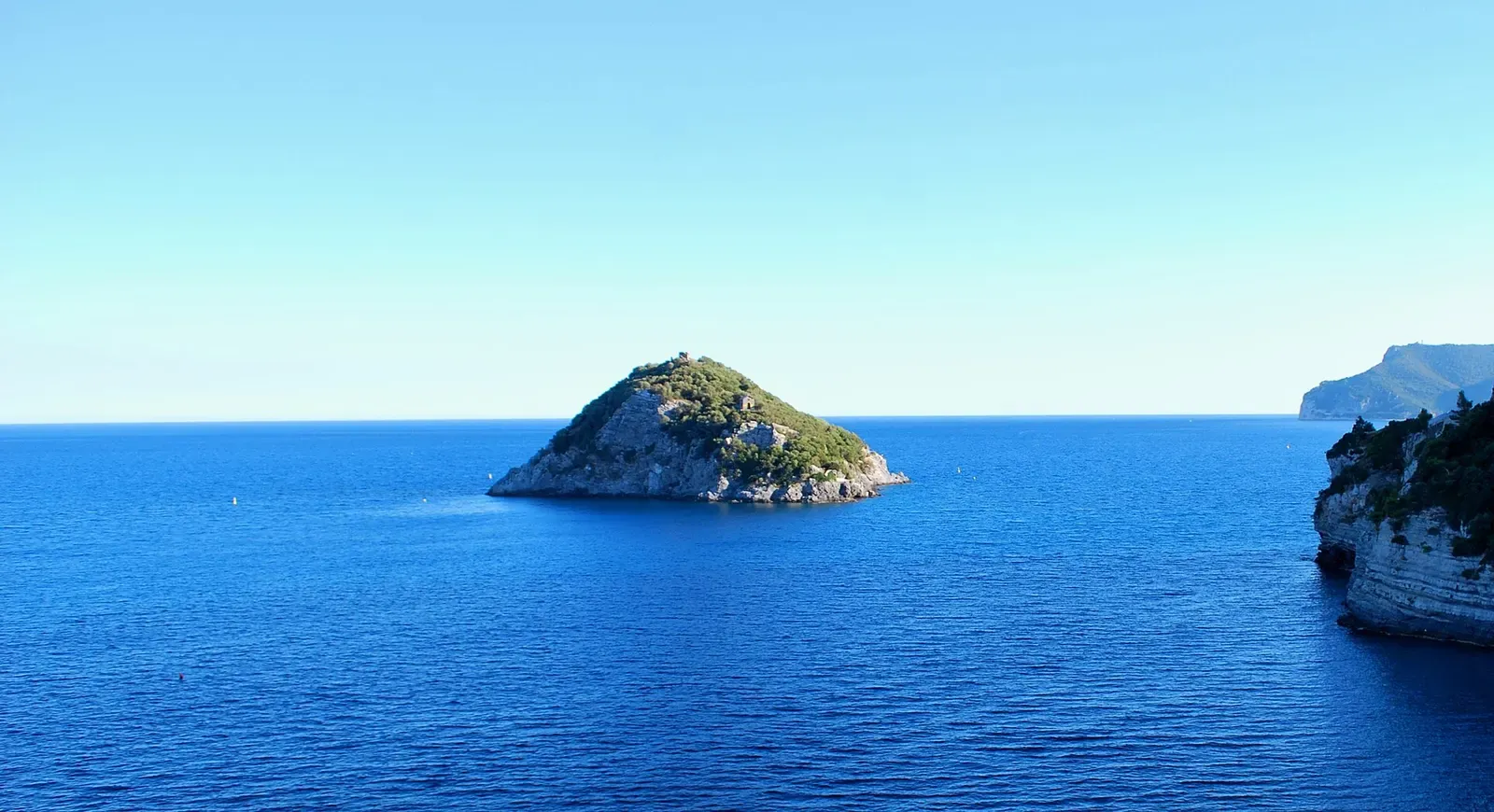
Reserve walls at Bergeggi island and cert-gated gorgonian secche offshore
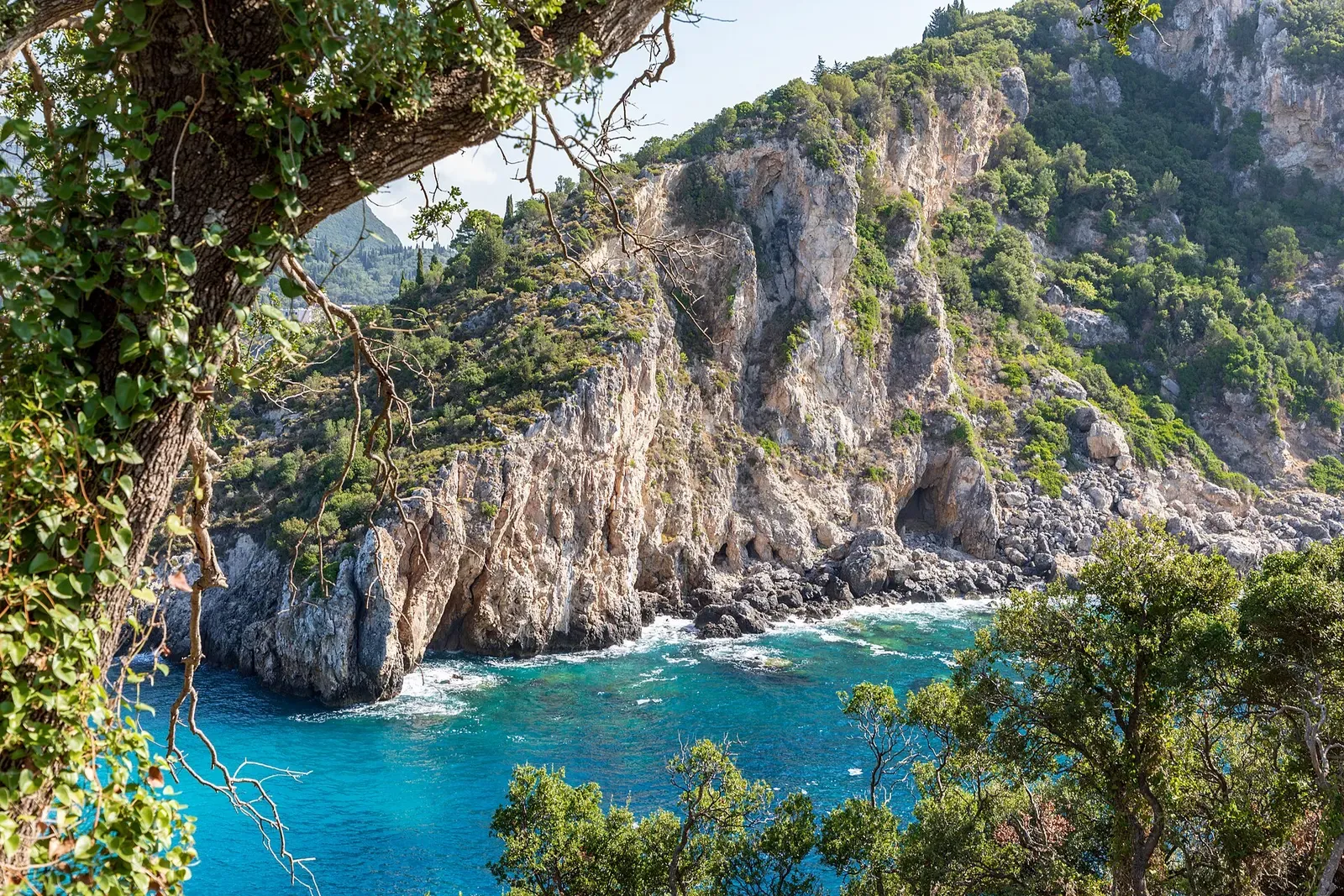
A cluster of cavern dives at Paleokastritsa, wrecks and reefs off the north-east coast
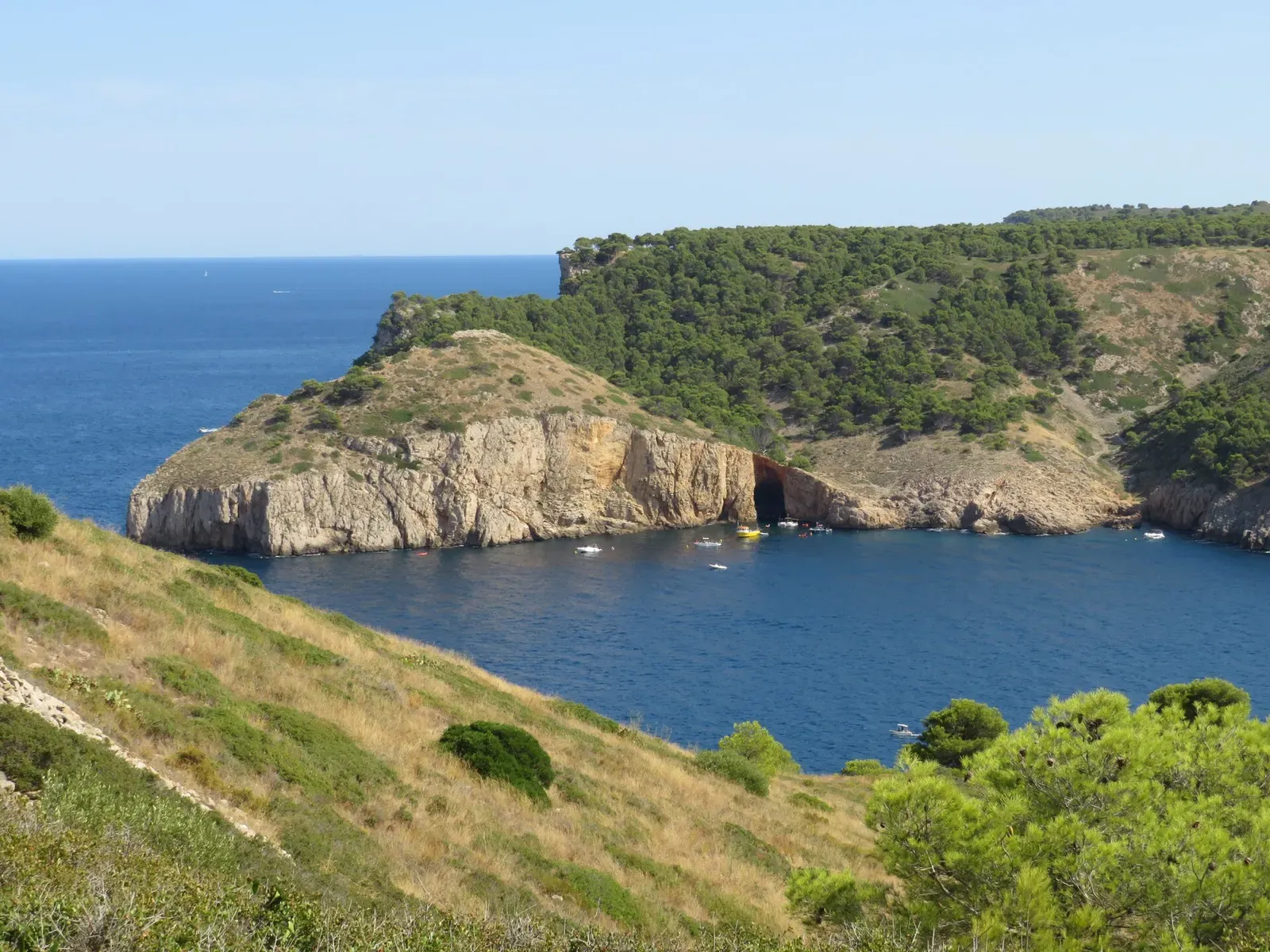

Tunnels, walls and a shallow wreck under the Montgrí cliffs, dived from L'Escala