Cold Water · Sweden
Gotland & Fårö
Shore-dive the Digerhuvud drop-off on Fårö, ledges falling to about 55 m
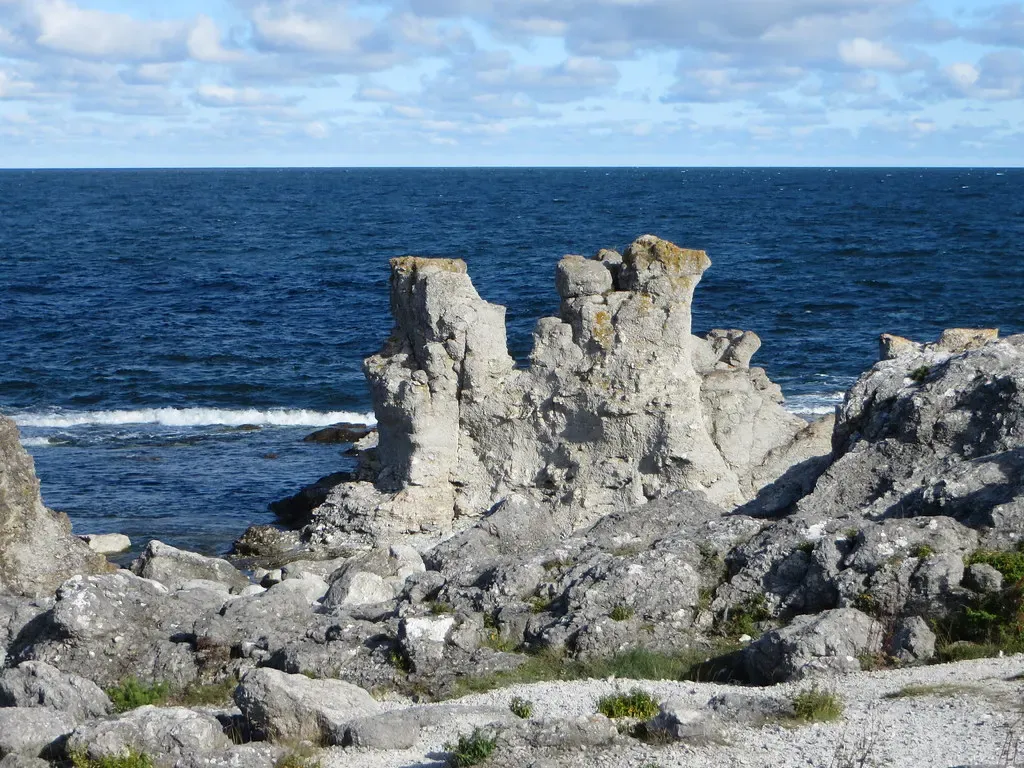
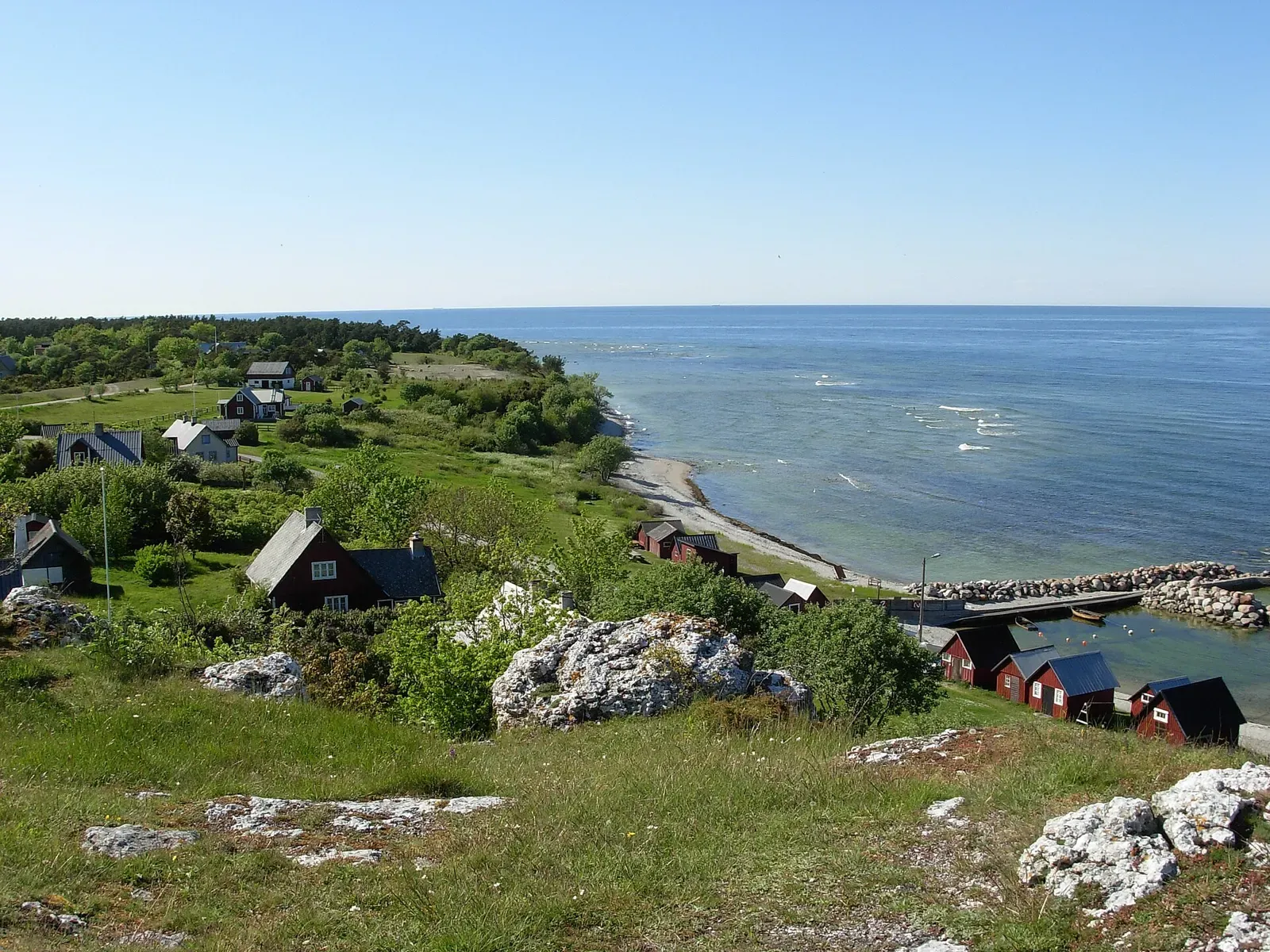
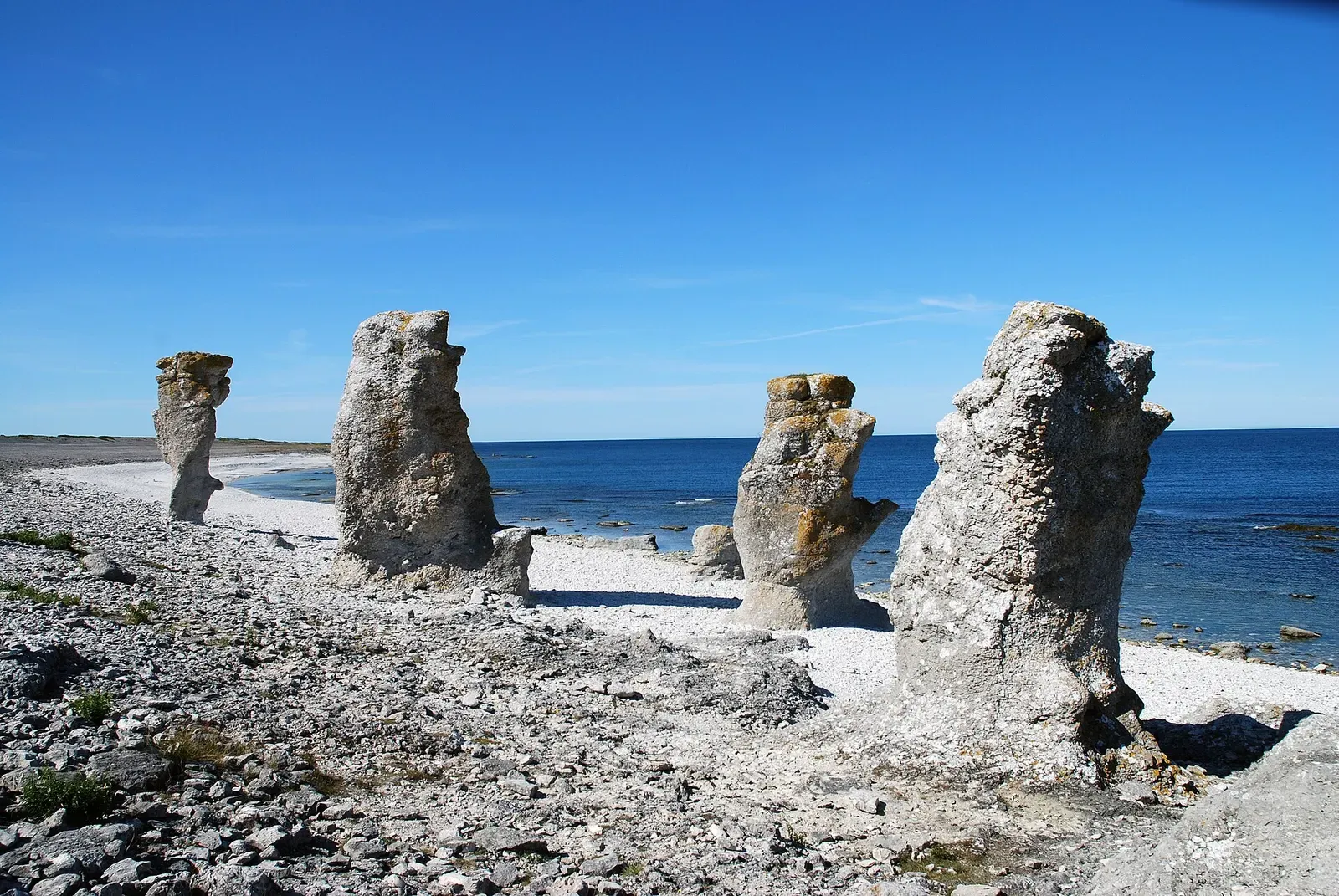
Gotland and Fårö hold some of the best diving in the Baltic: often clear water over cliffs, steep underwater ledges and formations like the raukar on shore, plus wrecks reached mostly by boat. The headline is Digerhuvud on Fårö, a shore drop-off whose ledges fall to about 55 m. Shallower shore sites such as Axelsro, at 3 to 11 m, suit less experienced divers, and Langhammars has gentler ledges to 27 m.
About diving in Gotland & Fårö
Many natural sites on Gotland and Fårö are dived from the shore, while the wrecks around the island are reached mainly by boat. The weather decides the site each day, and because Gotland is an island there is always a beach in the lee somewhere. Digerhuvud is very unsuitable in bad weather, so it waits for calm days. The local club meets at its clubhouse in Visby harbour on weekend mornings and travels on to the site, with dives running all year, and the dive lodge at Gothem fills cylinders but runs no guided trips.
Underwater the rocky coast drops away in ledges. On the Digerhuvud wall a dive at 30 m feels like hovering beside the cliff face, and at Hallshuk crevices run like corridors and hollows a few metres down. Off Kuppen a gently sloping sand bottom holds huge numbers of flatfish such as flounder and turbot. Other regulars are plaice, three-spined sticklebacks, lumpsuckers, gobies, sand eels, cod, eelpout, pipefish, butterfish and sculpins.
Gotland suits cold-water divers who like to plan their own shore dives and read the weather, and wall divers who want depth within reach of the car park. The Digerhuvud and Langhammars walls ask for experience, or a dive with experienced buddies or a guide, while shallow shore sites such as Kuppen and Axelsro suit newer or less sure divers. The club's land-based dives suit divers with Open Water certification or higher.
Best time to dive Gotland & Fårö
| Jan | Feb | Mar | Apr | May | Jun | Jul | Aug | Sep | Oct | Nov | Dec |
|---|---|---|---|---|---|---|---|---|---|---|---|
| Good | Good | Good | Good | Good | Good | Good | Good | Good | Good | Good | Good |
Club dives run all year; weather picks each day's shore, and the water swings from about 2 °C to 19 °C.
Best months: January, February, March, April, May, June, July, August, September, October, November, December
Dive types & marine life
Cod usually sit in the cracks of the Digerhuvud wall, so a torch helps, and sculpins and flounder swim among the cliffs there. Seals are a matter of luck and turn up at Hoburgsrevet only on the right day.
- Wall
- Wreck
- Seals & sea lions
Best dive sites in Gotland & Fårö
- 1
Digerhuvud
Fårö drop-off of steep ledges to about 55 m; usually at least 20 m visibility, up to 40 m in spring.
- 2
Langhammars
Softer, less steep ledges than Digerhuvud, entered by the car park and reaching 27 m.
- 3
Hallshuk
Giant potholes and formations like the raukar on land, with plenty of fossils.
- 4
Mulan wreck
Minelayer sunk off Ytterholmen in 1958; a popular and fairly easy wreck dive.
- 5
Hoburgsrevet
Reef at Gotland's southern tip with many shipwreck reports, dived at 5 to 25 m.
- 6
Axelsro
The go-to site that needs little planning, 3 to 11 m deep over rock formations.
- 7
Kuppen
Herrvik shore entry over stone slabs, easy for new or unsure divers, to 11 to 12 m.
Site guides
Reef
The easy-to-reach Visby site of small passages and stone atolls
Wreck
A wooden wreck with its mast, deep below the Digerhuvud drop-off
Hanging beside a Baltic cliff face on Gotland's best-known wall
Underwater stacks that echo Gotland's raukar, plus fossil-rich slabs
Sand flats east of Herrvik crowded with flounder and turbot
Gentler limestone steps than Digerhuvud, entered by the car park
A steel minelayer at 13 m, an easy first wreck off Ytterholmen
Wreck
A galley or archipelago corvette, protected as an ancient monument
How to get to Gotland & Fårö
Visby Airport (VBY) sits just north of Visby, and Destination Gotland runs ferries from Nynäshamn and Oskarshamn to Visby all year. The dive shop in Lärbro is close to Fårö and Kappelshamn, and a car reaches the shore sites.
Photos from Gotland & Fårö
L.G.foto · CC BY-SA 4.0
Dive videos
Grodmännen Gotland Tour 2010 · André Gerlitz on YouTube
Questions divers ask
Is diving on Gotland from shore or boat?+
The natural sites, including Digerhuvud, Langhammars, Kuppen and Axelsro, are dived from land. The wrecks around the island are reached mainly by boat.
What experience does Digerhuvud need?+
The steep ledges reach about 55 m and suit experienced divers; less experienced divers should go with experienced buddies or a guide. The site is very unsuitable in bad weather, so it needs a calm day.
How do divers get to Gotland?+
By air to Visby Airport, or by Destination Gotland ferry from Nynäshamn or Oskarshamn to Visby, which runs all year. The dive shop is in Lärbro, near Fårö.
Can Gotland be dived in winter?+
Yes. Club dives run all year; the water falls to about 2 °C in February and March and reaches about 19 °C in August.
Sources
- Dyk & Sport Gotland — Dyk & Sport Gotland
- Gothem Logi – Dykning — Gothem Logi
- Dykmöjligheter på Gotland — Gotlands Dykarklubb
- Gotlands Dykarklubb – Klubbdyk — Gotlands Dykarklubb
- Dykning i Östersjön — Visit Gotland
- Visby Average Sea Temperatures — seatemperature.org
- Gotland — Wikivoyage
Photo credits
- Aerial view of a flat grey limestone shore with rock pools and scattered stacks meeting dark blue water, a gravel road curving behind by L.G.foto, CC BY-SA 4.0, via Wikimedia Commons
Embed
Run a dive centre, club or blog? Embed this map of 8 dive sites near Gotland & Fårö on your own page.
Similar destinations
Cold Water
Aran Islands
Ireland
Diving Poll na bPéist, the Wormhole of Inis Mór
Cold Water
The U-260 submarine and the Kowloon Bridge, both dived from Baltimore
Cold Water
Barkley Sound
Canada
Sheltered cold-water pinnacles and walls, diveable all year


Four ore carriers torpedoed at their pier in 1942, still lying at 27–40 m