Eastern Pacific · Costa Rica
Gulf of Papagayo & Playas del Coco
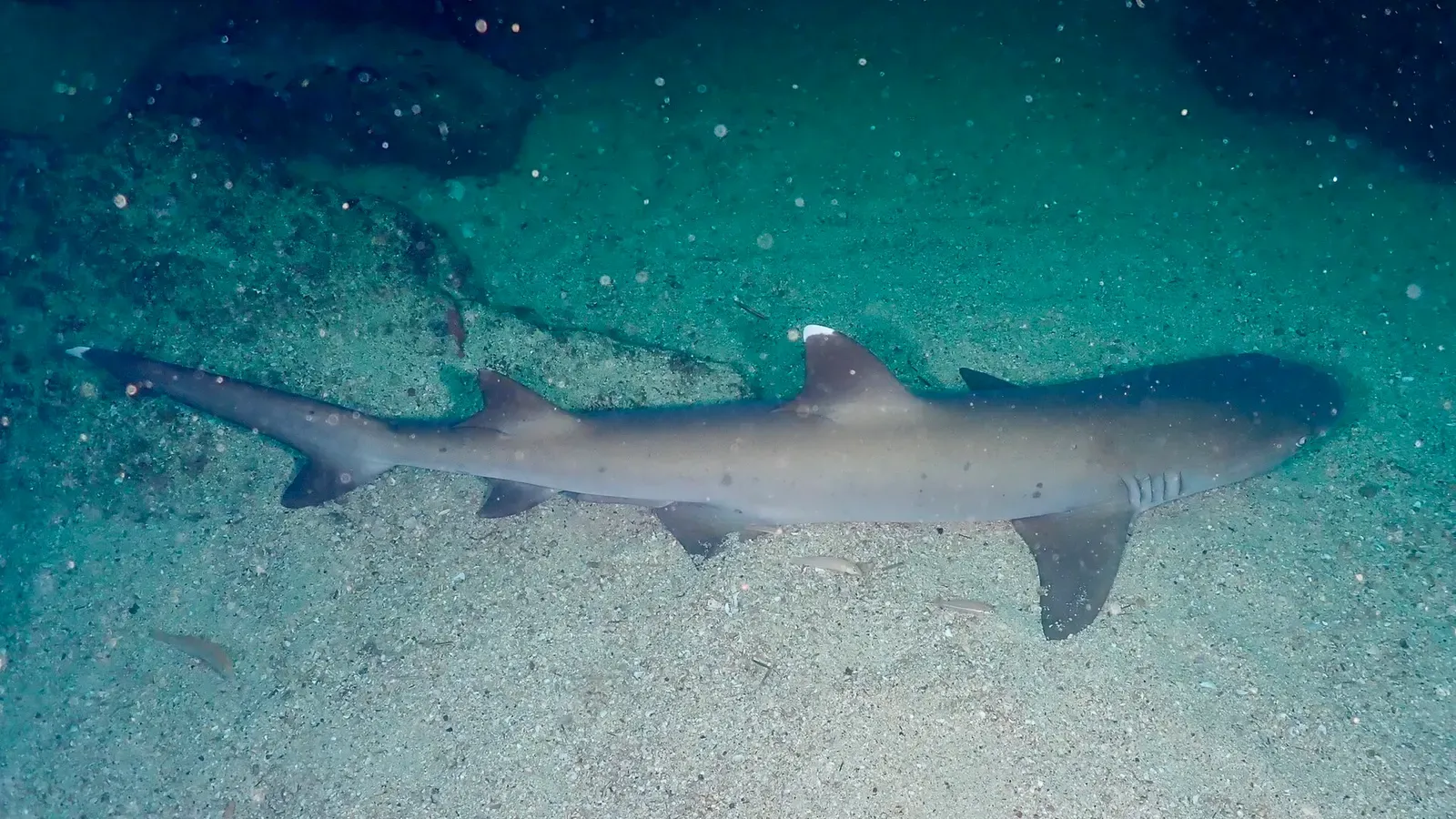
Whitetip reef sharks nap in rock caves 10 to 20 minutes from the beach
Photo: Chris Spain · CC0
Playas del Coco is the dive base for the Gulf of Papagayo, with more than 15 sites around islands, rocky outcrops and submerged pinnacles, all 10 to 20 minutes out by boat. Sites such as Punta Argentina, Tortuga, Virador and Cabeza de Mono sit between 10 and 30 m, with whitetip reef sharks resting in caves, stingrays on the sand, eagle ray schools and fish thick enough to block out the sun. Two-tank boats run every morning.
About diving in Gulf of Papagayo & Playas del Coco
Diving here is a half-day affair. Boats leave Playas del Coco at 8:00 and are back around 12:30, with two dives at two different sites and the option of a third tank. Every site in the local pool, more than 15 of them around islands, rocky outcrops and pinnacles, lies 10 to 20 minutes from the beach. Deep Blue Diving and Summer-Salt Dive Center both run these trips from Coco, with two or three tanks on offer.
The terrain is mostly volcanic rock: low islands, rock fingers running into the deep, walls dropping to sand channels and pinnacles rising almost to the surface. Whitetip reef sharks rest in caves at Tortuga and Virador, stingrays lie on the sand at Tiburones, and eagle ray schools pass Cabeza de Mono. Meros holds nudibranchs, grunt schools and the giant groupers it is named for, Punta Argentina has frogfish, and at Sorpresa fish spiral from the floor to the surface past large moray eels.
Most sites are rated easy and the depths sit between 5 and 30 m, so newly certified divers fit in well; the nutrient-rich water keeps visibility between 5 and 23 m (15 to 75 ft). Divers after a bigger day in stronger water can book the Bat Islands, a separate 8-hour trip from the same beach, a little over an hour each way by fast boat, where strong currents and large waves keep the diving for experienced divers.
Temperature is the thing to plan around. The water averages 26 °C through the year and peaks near 30 °C from June to August, but from December to March it can drop to 20 °C, and cold water sits below a thermocline between 15 and 30 m, so the deeper part of a dive can feel much cooler than the shallows. Current is usually mild, though it runs often at Tiburones and Sorpresa is an advanced dive.
Best time to dive Gulf of Papagayo & Playas del Coco
| Jan | Feb | Mar | Apr | May | Jun | Jul | Aug | Sep | Oct | Nov | Dec |
|---|---|---|---|---|---|---|---|---|---|---|---|
| Fair | Fair | Fair | Fair | Fair | Fair | Fair | Fair | Fair | Fair | Fair | Fair |
Boats run every day all year; December to March brings the coolest water, down to 20 °C, and June to August the warmest.
Best months:
Dive types & marine life
Whitetip reef sharks are usually found on the pinnacles at Tiburones and are often seen resting in the caves at Tortuga and Virador. Stingrays are common on the sand, eagle ray schools pass Cabeza de Mono, giant groupers live at Meros and large morays at Sorpresa, with frogfish and nudibranchs for macro.
- Reef
- Wreck
- Reef sharks
- Stingrays
- Eagle rays
- Groupers
- Frogfish
- Nudibranchs
- Reef fish swarms
Best dive sites in Gulf of Papagayo & Playas del Coco
- 1
Tortuga
A sunken fishing boat at 18 m (60 ft) beside a cave where whitetip reef sharks rest.
- 2
Virador
Low volcanic island with a shark cave at 10 m and whitetips and stingrays resting at 22 m.
- 3
Tiburones (Shark Point)
Submerged rock pinnacles to 30 m with whitetip reef sharks and often a current.
- 4
Punta Argentina
Long rock fingers running into the deep, with frogfish, stingrays and dense fish schools.
- 5
Sorpresa
Deep site to 34 m (110 ft) where fish spiral up from the floor and large morays live.
- 6
Meros
Small pinnacle from the surface to 18 m with nudibranchs, grunt schools and giant groupers.
Site guides
Reef
Eagle ray schools passing a rock shaped like a gorilla's head
Pinnacle
A small pinnacle named for its giant groupers
Reef
Rock fingers running into the deep, with frogfish and stingrays
Reef
Fish spiralling from the ocean floor to the surface
Reef
A sunken fishing boat at 18 m beside a whitetip shark cave
Reef
A shark cave at 10 m and whitetips resting at 22 m
How to get to Gulf of Papagayo & Playas del Coco
Liberia International Airport (LIR) is 30 minutes by taxi from Playas del Coco, where the dive centres are based. Local dives are by day boat, 10 to 20 minutes out to the islands and rocky outcrops of the gulf.
Dive videos
Scuba Diving in the Gulf of Papagayo (Playas del Coco, Costa Rica) · Lisa on YouTube
Questions divers ask
What certification does Gulf of Papagayo diving need?+
Most sites are rated easy and depths sit between 5 and 30 m, so newly certified divers fit in well. Sorpresa reaches 34 m (110 ft) and is rated advanced.
What time do dive boats leave Playas del Coco?+
Boats leave Playas del Coco at 8:00 and are back around 12:30, with two dives at two different sites and the option of a third tank. Every site lies 10 to 20 minutes from the beach.
How cold is the water at Playas del Coco?+
The water averages 26 °C through the year and peaks near 30 °C from June to August, but from December to March it can drop to 20 °C. Cold water sits below a thermocline between 15 and 30 m, so the deeper part of a dive can feel much cooler.
Where are whitetip reef sharks seen at Playas del Coco?+
Whitetip reef sharks are often seen resting in the caves at Tortuga and Virador, and are usually found on the pinnacles at Tiburones.
Sources
- Dive Sites Golfo Papagayo - Deep Blue Diving — Deep Blue Diving
- Local Dive | Summer-Salt — Summer-Salt Dive Center
- Playas del Coco – Wikivoyage — Wikivoyage
- Bat’s islands | Summer-Salt — Summer-Salt Dive Center
Photo credits
- A whitetip reef shark resting on pale sand beside a dark volcanic rock ledge, seen from above by Chris Spain, CC0, via Wikimedia Commons
Embed
Run a dive centre, club or blog? Embed this map of 10 dive sites near Gulf of Papagayo & Playas del Coco on your own page.
Similar destinations
Eastern Pacific
Bat Islands
Costa Rica
Bull sharks cruise past divers settled on the bottom at the Big Scare
Eastern Pacific
Islas Catalinas
Costa Rica
Oceanic manta rays pass the volcanic rocks from November to April

Humpback song fills every dive from July through October
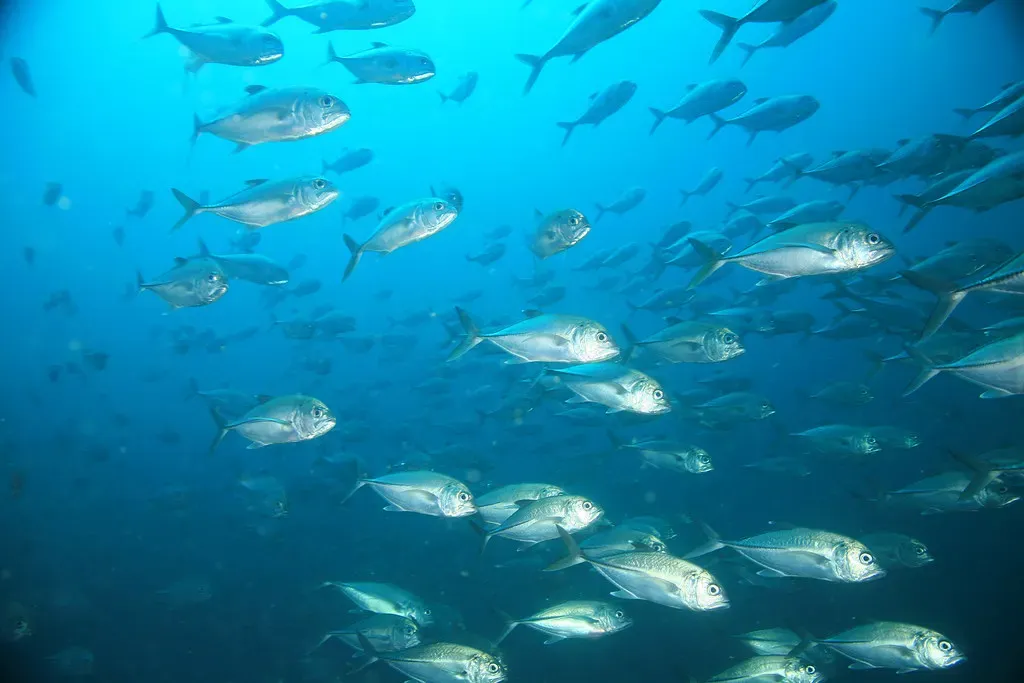

Humpback whale song carries underwater during the mid-year migration season