Cold Water · Canada
Haida Gwaii
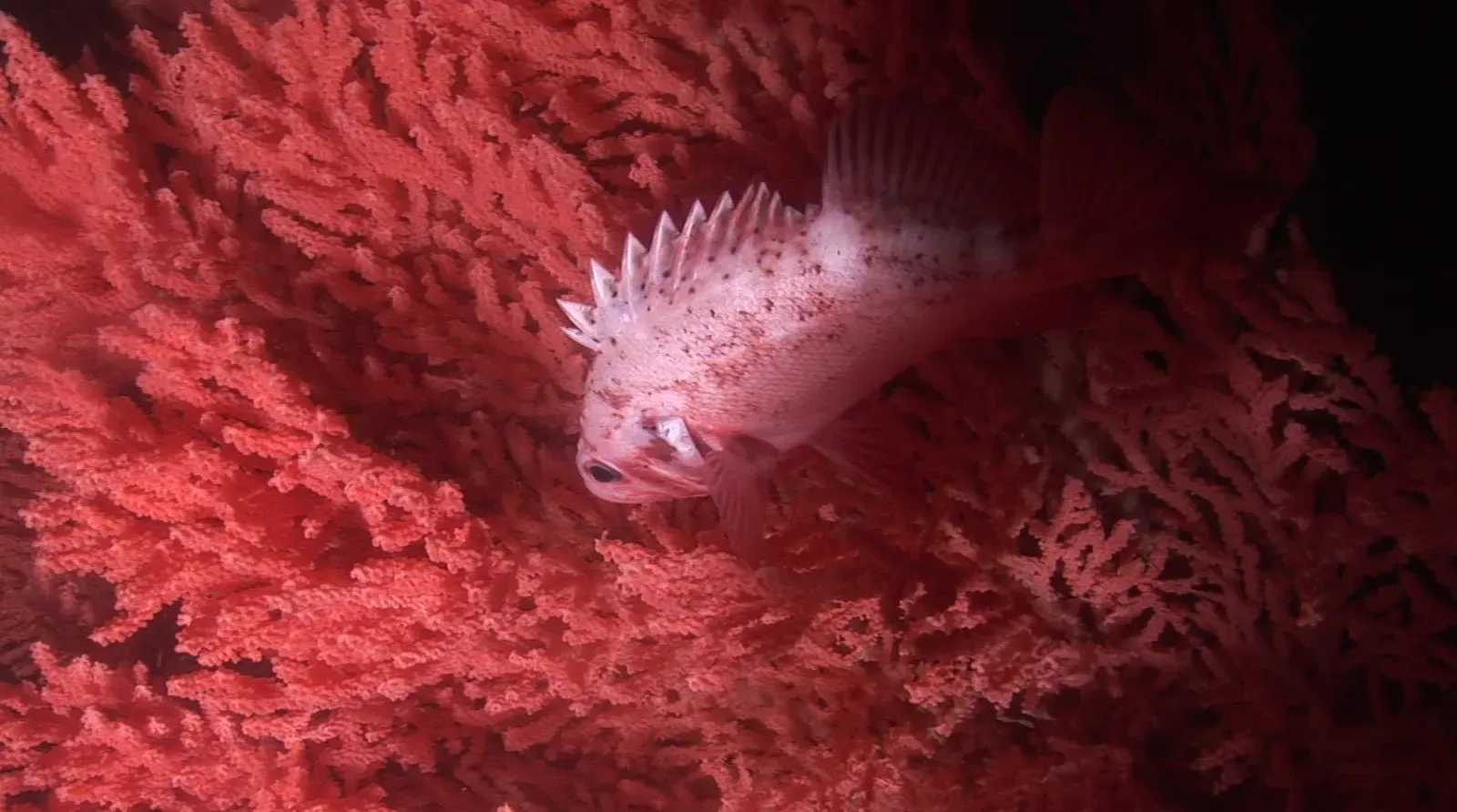
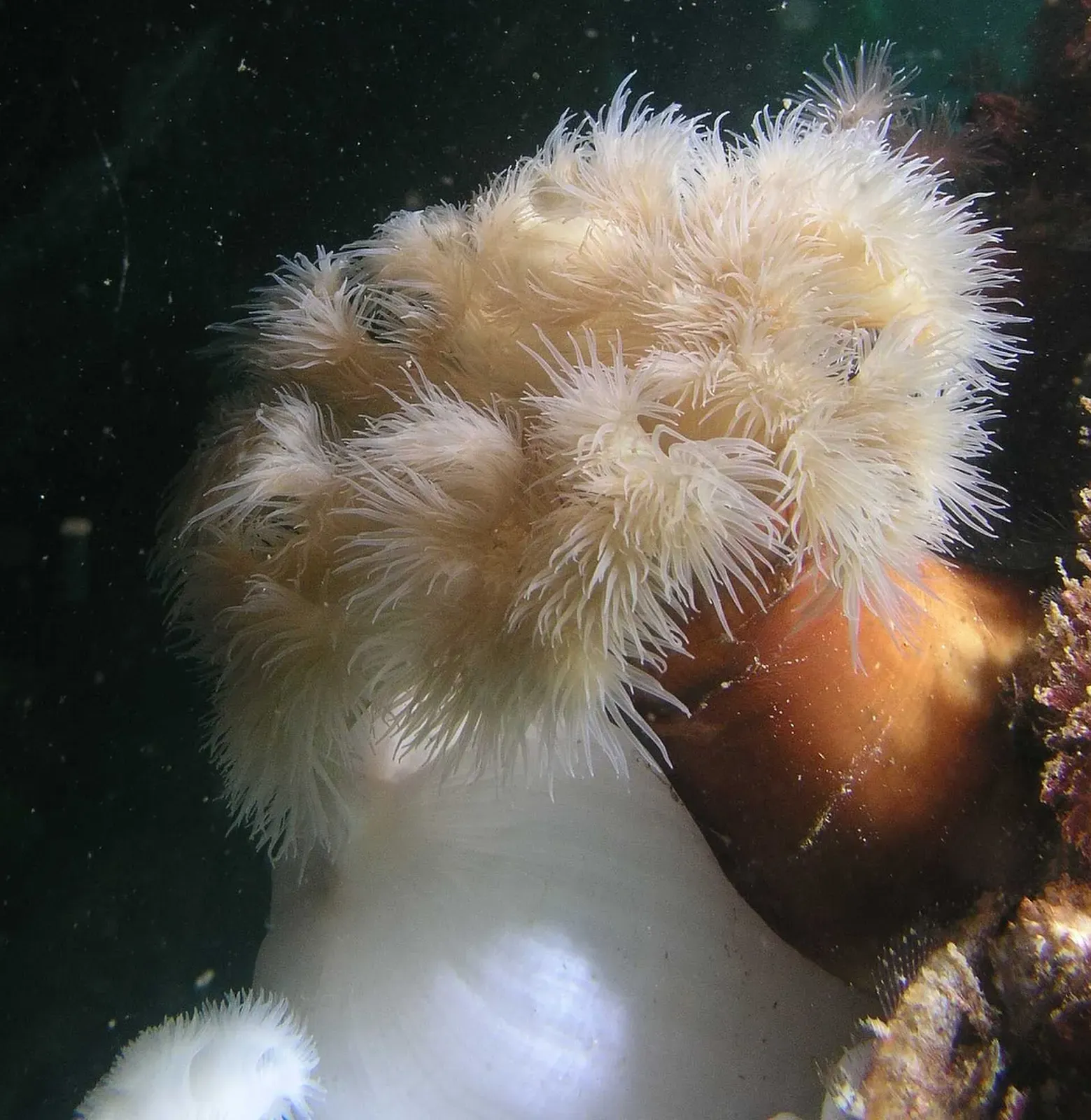
Bull and Northern Giant kelp forests and walls carpeted in plumose anemones
Photo: Geofflos · Public domain
Haida Gwaii is a remote, windswept archipelago off the north coast of British Columbia, and its diving is cold-water kelp and wall diving: Bull kelp mixed with dense groves of Northern Giant kelp, and sloping walls carpeted in white and orange plumose anemones at Inner Low Rock in the Copper Island Group. Daajing Giids and Port Clements give shallow dives in little current, while Rennell Sound and the summer boat kelp dives go deeper, and giant Pacific octopus and wolf eels turn up on the same reefs.
About diving in Haida Gwaii
Diving here runs from a scuba operation based in Port Clements that offers both shore and boat diving, along with weekend scuba camping trips. The sites at Port Clements and Daajing Giids are shallow, with little or no current. Private guided boat dives head into the kelp forests; they include all basic scuba gear, from suit and regulator to tanks and weights, but transport to and from the marina is not provided. For the dive sites of Rennell Sound, the visitor information centre in Daajing Giids is the place to ask.
Underwater the coast mixes kelp canopy with jagged reefs around the islets. Bull kelp grows with dense groves of Northern Giant kelp, and schools of rockfish hang almost still in the gentle drift beneath it. Small patches of red soft coral turn up here and there, blue mussels feed in the surge-swept shallows, and small undersea caves and submarine canyons break up the reef. A wolf eel can turn up in just 3 m (10 ft) of water in the kelp.
Daajing Giids and Port Clements stay within 12 m with no more than mild current, so newly qualified divers can start there. Rennell Sound and the boat kelp dives reach 30 m, with current that runs from mild to moderate and can turn strong, so they suit experienced divers and photographers. Courses cover the whole PADI range from beginner to professional, including the Drysuit Specialty.
Best time to dive Haida Gwaii
| Jan | Feb | Mar | Apr | May | Jun | Jul | Aug | Sep | Oct | Nov | Dec |
|---|---|---|---|---|---|---|---|---|---|---|---|
| Fair | Fair | Fair | Fair | Fair | Good | Good | Prime | Fair | Fair | Fair | Fair |
The water is coldest from February to April, near 6 °C, and in spring the sunshine sets off the plankton bloom that fuels the life along this coast, with visibility running between 3 and 9 m depending on the site. Guided boat dives into the kelp forests run only in the summer months, and August brings the warmest water of the year, near 12 °C.
Best months: August
Dive types & marine life
A giant Pacific octopus gives itself away with a pile of discarded crab shells, and a well-camouflaged cabezon hides on the reef. Grunt sculpins and decorated warbonnets live in the plumose anemone carpet at Inner Low Rock, where Steller sea lions often haul out on the rocks.
- Kelp forest
- Wall
- Octopus & cuttlefish
Best dive sites in Haida Gwaii
- 1
Inner Low Rock
Sloping walls in the Copper Island Group, carpeted in white and orange plumose anemones.
- 2
Rennell Sound
Sound dived from 5 to 30 m, suited to photographers and experienced divers; the current can turn strong.
- 3
Daajing Giids
Dive from 5 to 12 m with little or no current, suited to beginners.
- 4
Port Clements
Shallow dive from 5 to 10 m with little or no current, good for beginners.
Site guides
Reef
Gentle inlet dive on the doorstep of the islands' ferry town
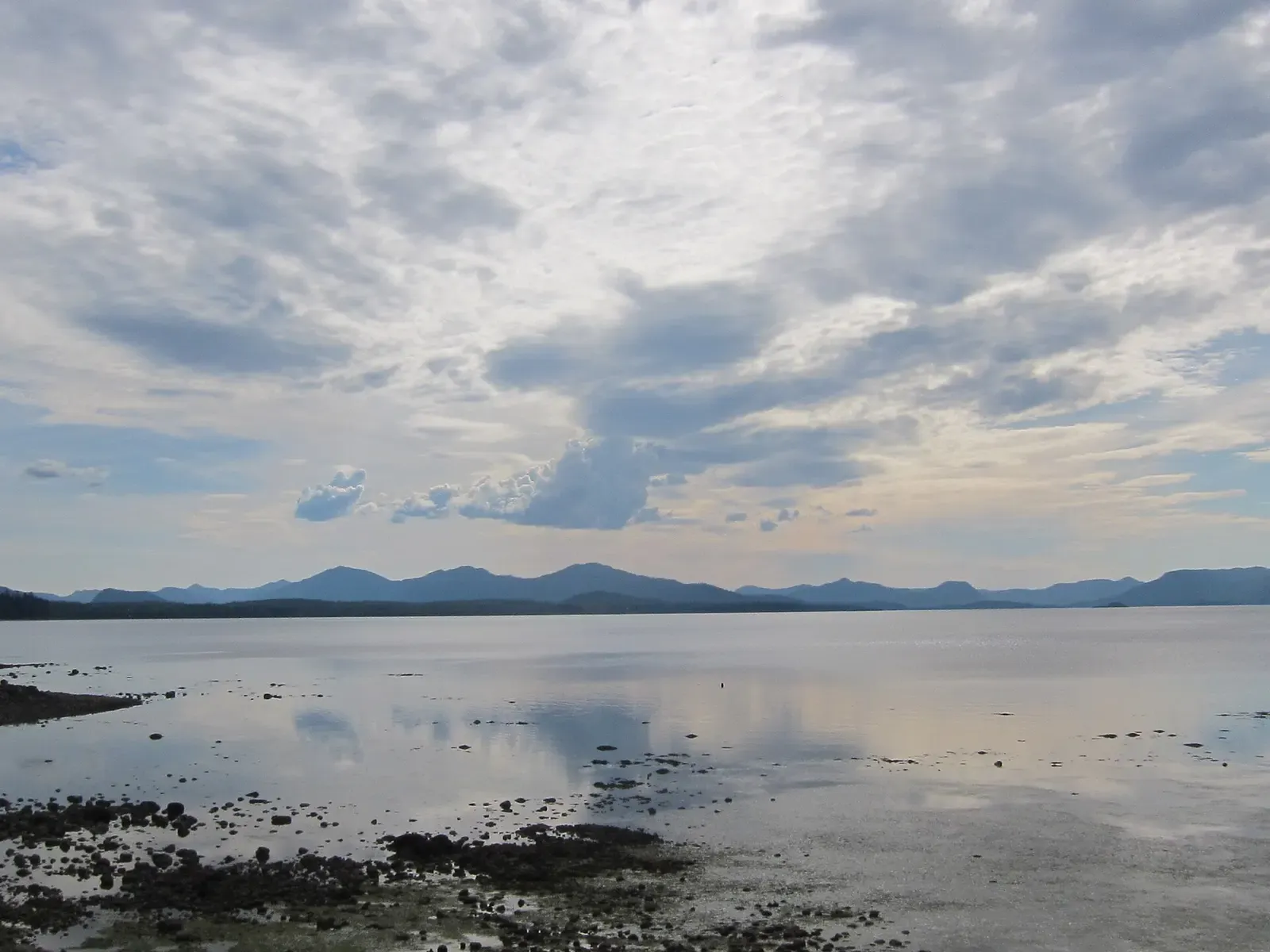
Quiet, shallow water at the head of Masset Inlet
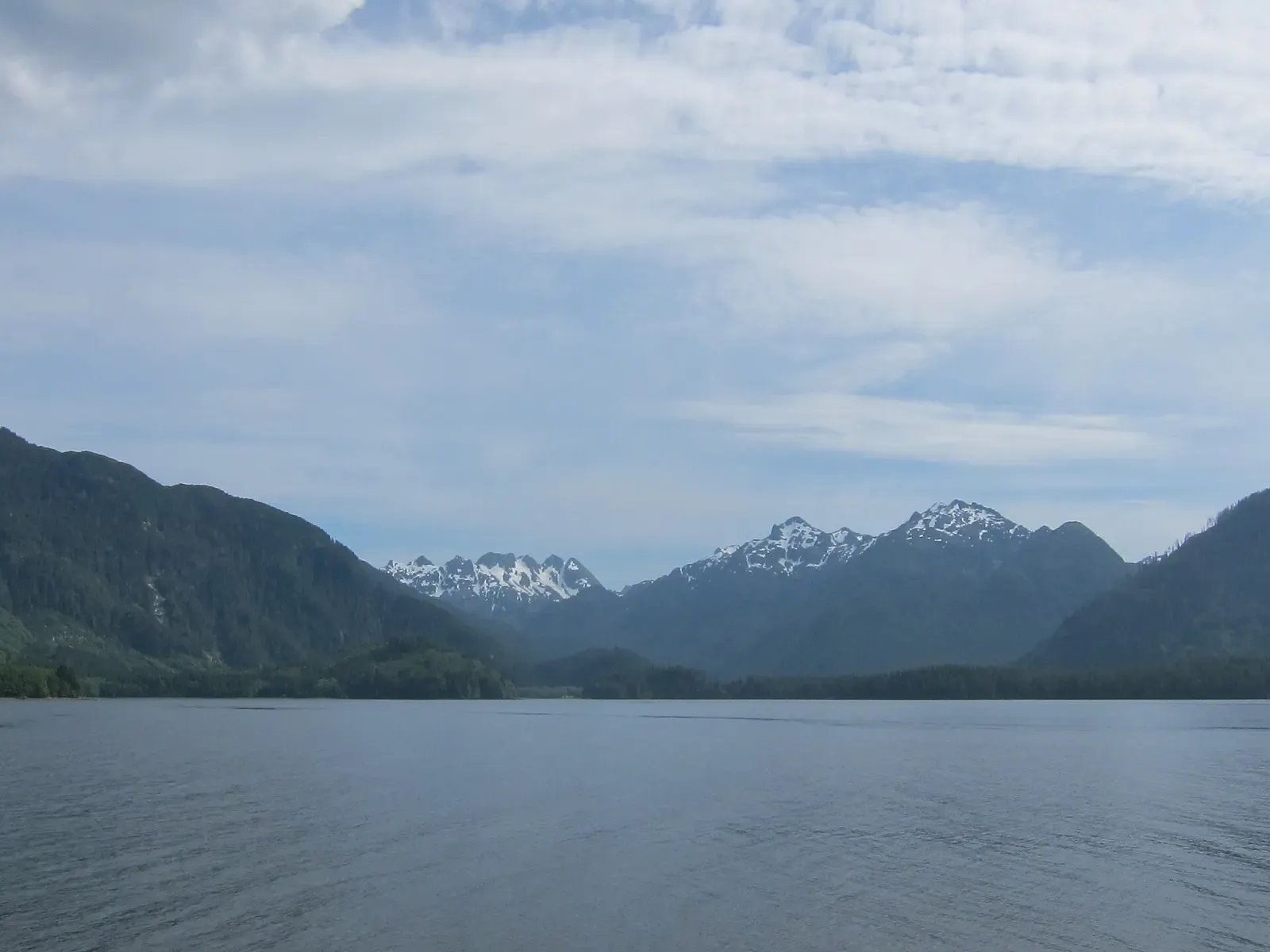
West-coast sound where the current can turn strong
How to get to Haida Gwaii
Flights from Vancouver land at Sandspit (YZP), and the Alliford Bay–Skidegate ferry crosses from there to Graham Island. BC Ferries also sail from Prince Rupert on the mainland to Skidegate Landing in Daajing Giids.
Photos from Haida Gwaii
Karen Neoh · CC BY 2.0
Murray Foubister · CC BY-SA 2.0
Dive videos
Kelp Forests of Haida Gwaii · CMEClab on YouTube
The Northern Abalone in Haida Gwaii · Haida Gwaii Marine Stewardship Group on YouTube
Questions divers ask
Can beginners dive Haida Gwaii?+
Yes. Daajing Giids and Port Clements stay between 5 and 12 m with little or no current and suit beginners; Rennell Sound and the boat kelp dives are for experienced divers.
How strong are the currents around Haida Gwaii?+
Daajing Giids and Port Clements have none to mild current. At Rennell Sound and on the boat kelp dives it ranges from mild to moderate and can be strong.
Who manages Gwaii Haanas?+
Gwaii Haanas National Park Reserve is managed by Parks Canada and the Haida people in partnership.
Sources
- Dive Sites | Sedna Exploration — Sedna Exploration
- About | Sedna Exploration — Sedna Exploration
- Sedna Exploration — Sedna Exploration
- Scuba Diving | Sedna Exploration — Sedna Exploration
- Dive Traveller: Haida Gwaii — DIVER magazine
- Daajing Giids-Skidegate — Wikivoyage
- Sea temperature in Îles de la Reine-Charlotte (Haida Gwaii) — SeaTemperatu.re
Photo credits
- A pale spotted rockfish with raised dorsal spines tucked among the branches of a dense red coral on a dark background by Geofflos, Public domain, via Wikimedia Commons
- A rocky point topped with conifers juts into calm water, with a forested headland across the inlet under broken cloud by Karen Neoh, CC BY 2.0, via Wikimedia Commons
- Still water mirrors a forested shore, distant hills and a streaked bright sky by Murray Foubister, CC BY-SA 2.0, via Wikimedia Commons
Embed
Run a dive centre, club or blog? Embed this map of 3 dive sites near Haida Gwaii on your own page.
Similar destinations

Sweden's only cold-water coral reefs, inside its first marine national park

Giant Pacific octopus and anemone-covered walls in the 'Emerald Sea'
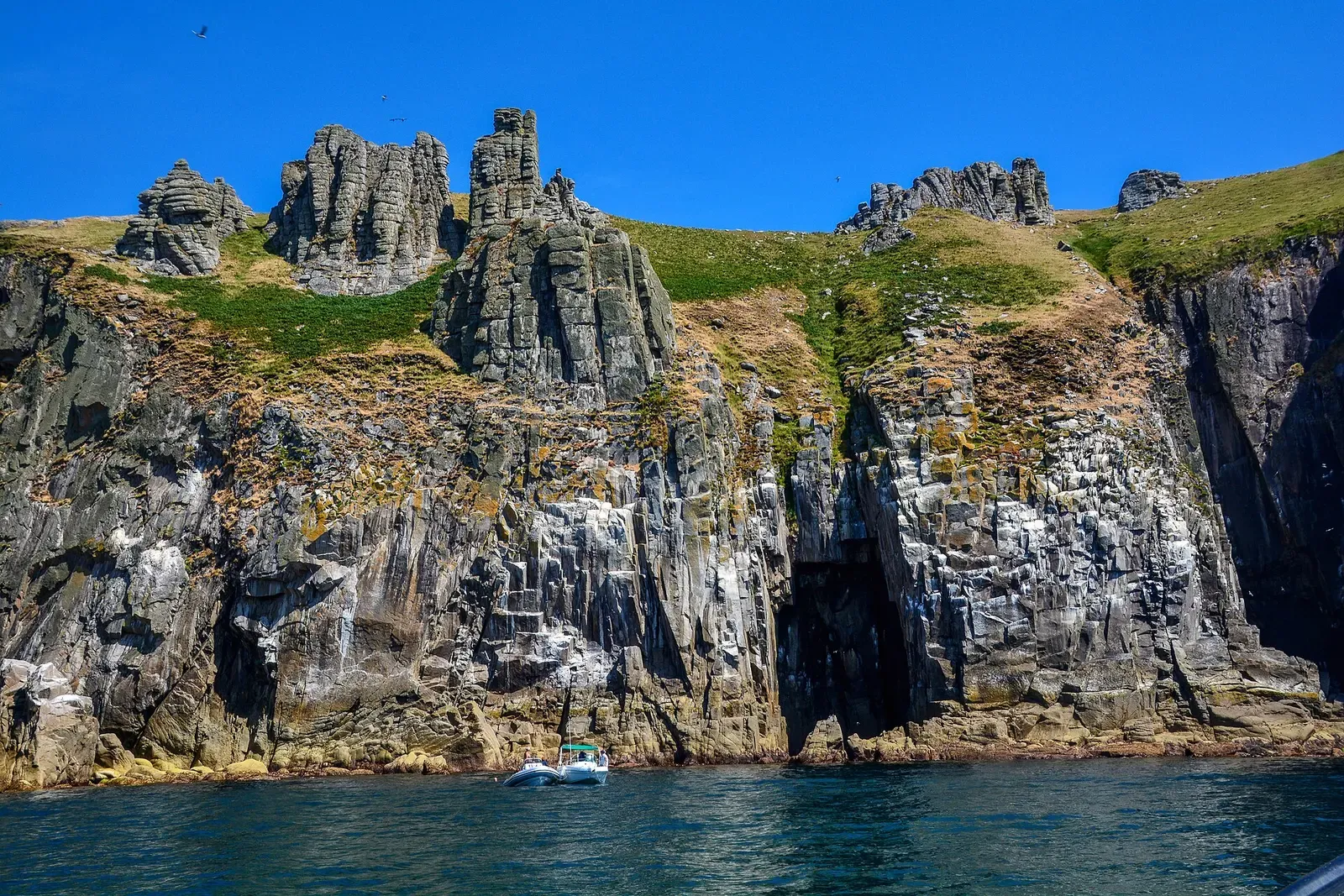
England's first marine reserve, and its grey seals follow divers around


_-_around_Louise_Island_by_Zodiak_-_early_morning_reflections_from_Moresby_Camp_-_(21536175986).jpg)
Cold-water walls, wrecks and wolf eels in Puget Sound and Hood Canal