
Atlantic · Spain
Illas Cíes & Ría de Vigo
Kelp and granite in cold Atlantic water at the mouth of the Ría de Vigo
Photo: OomegaOILG · CC BY-SA 4.0
The Cíes are three granite islands guarding the mouth of the Ría de Vigo, protected within the Atlantic Islands National Park. This is cold, green, nutrient-heavy Atlantic diving rather than anything Mediterranean: kelp beds swaying on the exposed western faces, granite boulder fields, conger and octopus in every crevice, and shoals of pollack over the drop-offs. Inside the ría, sheltered water and a scatter of wrecks give reliable diving when the ocean side is unworkable.
About diving in Illas Cíes & Ría de Vigo
Diving here is organised around the national park rather than around a site list. Centres in Vigo and the towns around the ría hold the diving authorisation, and trips run as day-boats to whichever side of the islands the swell allows: the ocean-facing west on a settled morning, the sheltered eastern coves when it is not. Crossings are short and surface intervals happen aboard, but plans tend to be confirmed the evening before, because both the forecast and park access can move them.
The water is doing something different from the rest of Iberia. Northerly winds drive a summer upwelling that pulls cold, plankton-heavy water into the rías, which is what makes the place green and productive and why clarity swings so hard from week to week: a bloom can shut it down and a settled spell can open it right up. The rock underneath is granite, rounded boulders stacked into caves and crawl-spaces with vertical faces on the exposed side, and the algae cover shifts in character as you drop away from the surface.
Kit decides how much of the day you get. A hood, gloves and a drysuit or heavy semi-dry are the difference between one dive and three in water that upwelling can push into the low teens even in August. Dives are planned around shelter and the state of the tide rather than a fixed route, since the outer faces move water. In exchange you get a temperate Atlantic system that divers arriving from warmer coasts will not have seen before. June to September is the practical window, May and early October can still work, and nothing runs mid-winter.
Best time to dive Illas Cíes & Ría de Vigo
| Jan | Feb | Mar | Apr | May | Jun | Jul | Aug | Sep | Oct | Nov | Dec | |
|---|---|---|---|---|---|---|---|---|---|---|---|---|
| Season | Off-season | Off-season | Fair | Fair | Good | Prime | Prime | Prime | Good | Fair | Off-season | Off-season |
| Sea surface | 13°C55°F | 13°C55°F | 13°C55°F | 14°C57°F | 16°C61°F | 17°C63°F | 18°C64°F | 18°C64°F | 17°C63°F | 17°C63°F | 16°C61°F | 14°C57°F |
| Daytime high | 16°C61°F | 18°C64°F | 20°C68°F | 23°C73°F | 27°C81°F | 31°C88°F | 33°C91°F | 33°C91°F | 31°C88°F | 27°C81°F | 20°C68°F | 17°C63°F |
| Rain | 168 mm6.6 in | 114 mm4.5 in | 125 mm4.9 in | 110 mm4.3 in | 75 mm3.0 in | 47 mm1.9 in | 17 mm0.7 in | 28 mm1.1 in | 63 mm2.5 in | 157 mm6.2 in | 171 mm6.7 in | 169 mm6.7 in |
| Jan | Feb | Mar | Apr | May | Jun |
|---|---|---|---|---|---|
| Off-season | Off-season | Fair | Fair | Good | Prime |
| Sea surface | |||||
| 13°C55°F | 13°C55°F | 13°C55°F | 14°C57°F | 16°C61°F | 17°C63°F |
| Daytime high | |||||
| 16°C61°F | 18°C64°F | 20°C68°F | 23°C73°F | 27°C81°F | 31°C88°F |
| Rain | |||||
| 168 mm6.6 in | 114 mm4.5 in | 125 mm4.9 in | 110 mm4.3 in | 75 mm3.0 in | 47 mm1.9 in |
| Jul | Aug | Sep | Oct | Nov | Dec |
|---|---|---|---|---|---|
| Prime | Prime | Good | Fair | Off-season | Off-season |
| Sea surface | |||||
| 18°C64°F | 18°C64°F | 17°C63°F | 17°C63°F | 16°C61°F | 14°C57°F |
| Daytime high | |||||
| 33°C91°F | 33°C91°F | 31°C88°F | 27°C81°F | 20°C68°F | 17°C63°F |
| Rain | |||||
| 17 mm0.7 in | 28 mm1.1 in | 63 mm2.5 in | 157 mm6.2 in | 171 mm6.7 in | 169 mm6.7 in |
2011–2025 averages. Sea surface: NOAA Coral Reef Watch, measured at the surface, so deeper water can run colder. Daytime high and rain: NASA POWER.
Jun–Sep is the practical season, when Atlantic swell drops and park access is easiest; winter storms close the islands to diving.
Best months: June, July, August
Cíes Islands water temperature and weather by month
The sea surface runs from 13 °C (55 °F) in February to 18 °C (64 °F) in July. Most rain falls from October to April, peaking at about 170 mm (6.7 in) in November; June to August are the driest. Daytime highs reach 33 °C (91 °F) in August and drop to 16 °C (61 °F) in January. The coldest water here is about 12 °C (54 °F), so pack a 7 mm suit with a hood, or a semi-dry.
Dive types & marine life
Expect temperate life rather than reef fish: wrasse and bream over the boulder fields, spider and velvet crabs under the ledges, anemones on bare granite, and nudibranchs at their most varied on shallow rock in late spring. Squid and cuttlefish show through late summer, which is also when the water tends to clear and the boats run most reliably.
- Reef
- Kelp forest
- Wall
- Wreck
- Octopus & cuttlefish
- Macro critters
- Nudibranchs
- Reef fish swarms
- Squid
Best dive sites in Illas Cíes & Ría de Vigo
The west face of the north island, worked to 18 m
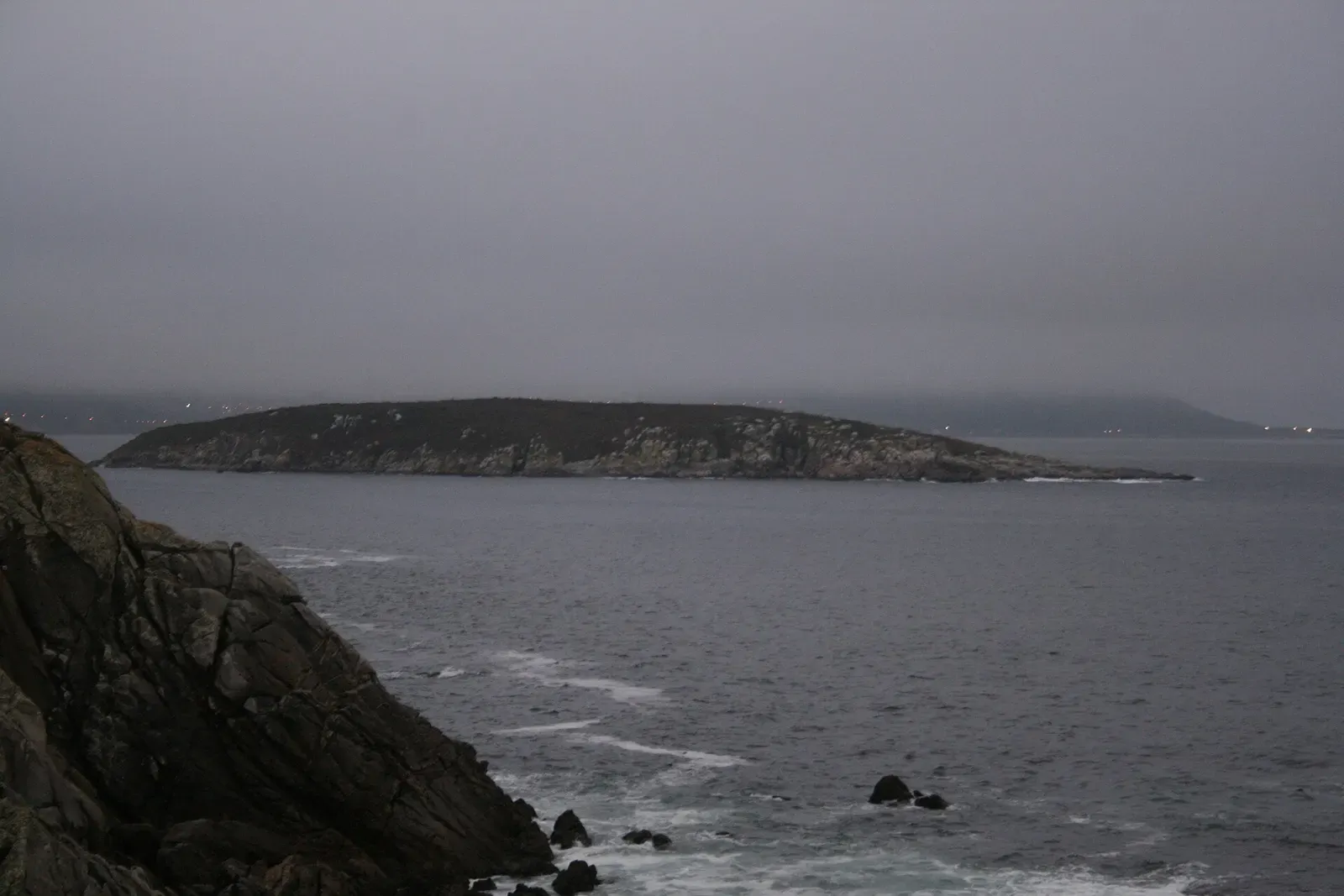
Four wrecks between 14 m and the 50 m floor of the ría
Illa de San Martiño
Southern island with the clearest water and exposed kelp-covered rock.
Illa do Faro
Central island whose western face drops into 30 m of boulder field.
How to get to Illas Cíes & Ría de Vigo
Vigo is the gateway, with a small airport of its own and Porto about two hours south for wider flight options. Dive centres are spread around the ría and apply for the park authorisation on your behalf; the passenger ferries out to the islands are for day visitors and are not a route in with dive kit.
Photos from Illas Cíes & Ría de Vigo
tunante80 · CC BY-SA 2.0
Dive videos
Buceo en las Islas Cies · Pedro Alonso on YouTube
Photo credits
- A gap in the pine-covered hillside on Illa de Monteagudo frames a turquoise bay of the Illas Cíes. by OomegaOILG, CC BY-SA 4.0, via Wikimedia Commons
- Praia de Rodas, the pale sandbar beach linking two of the Cíes islands, with small boats anchored in turquoise water. by tunante80, CC BY-SA 2.0, via Openverse
Embed
Run a dive centre, club or blog? Embed this map of 6 dive sites near Cíes Islands on your own page.
In The Logbook
- What is surge in diving, and how deep it goesOcean science · 8 min read
- Deep wreck diving: where recreational stopsWrecks · 8 min read
Similar destinations
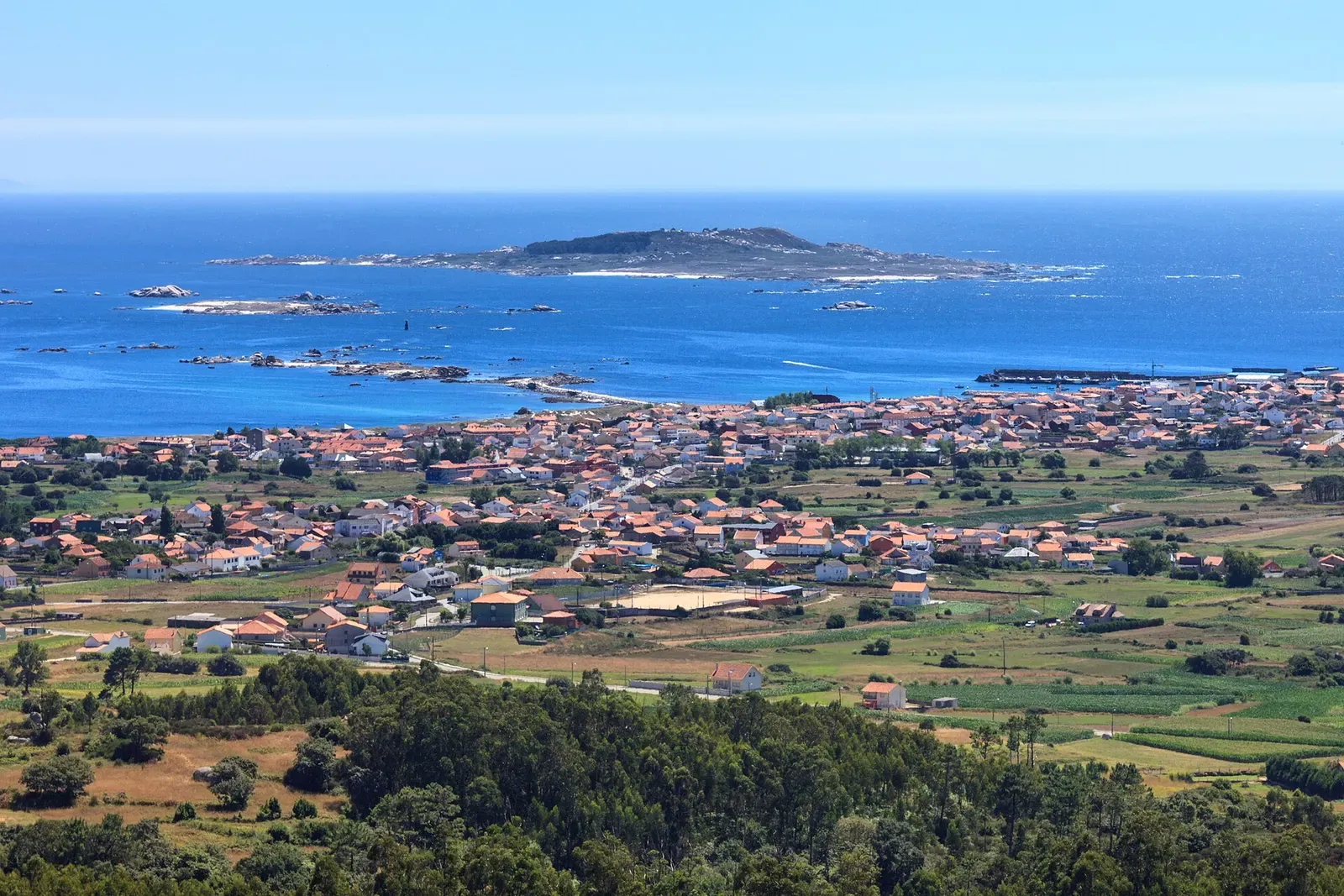
Granite shoals, kelp and wrecks in and around the Ría de Arousa
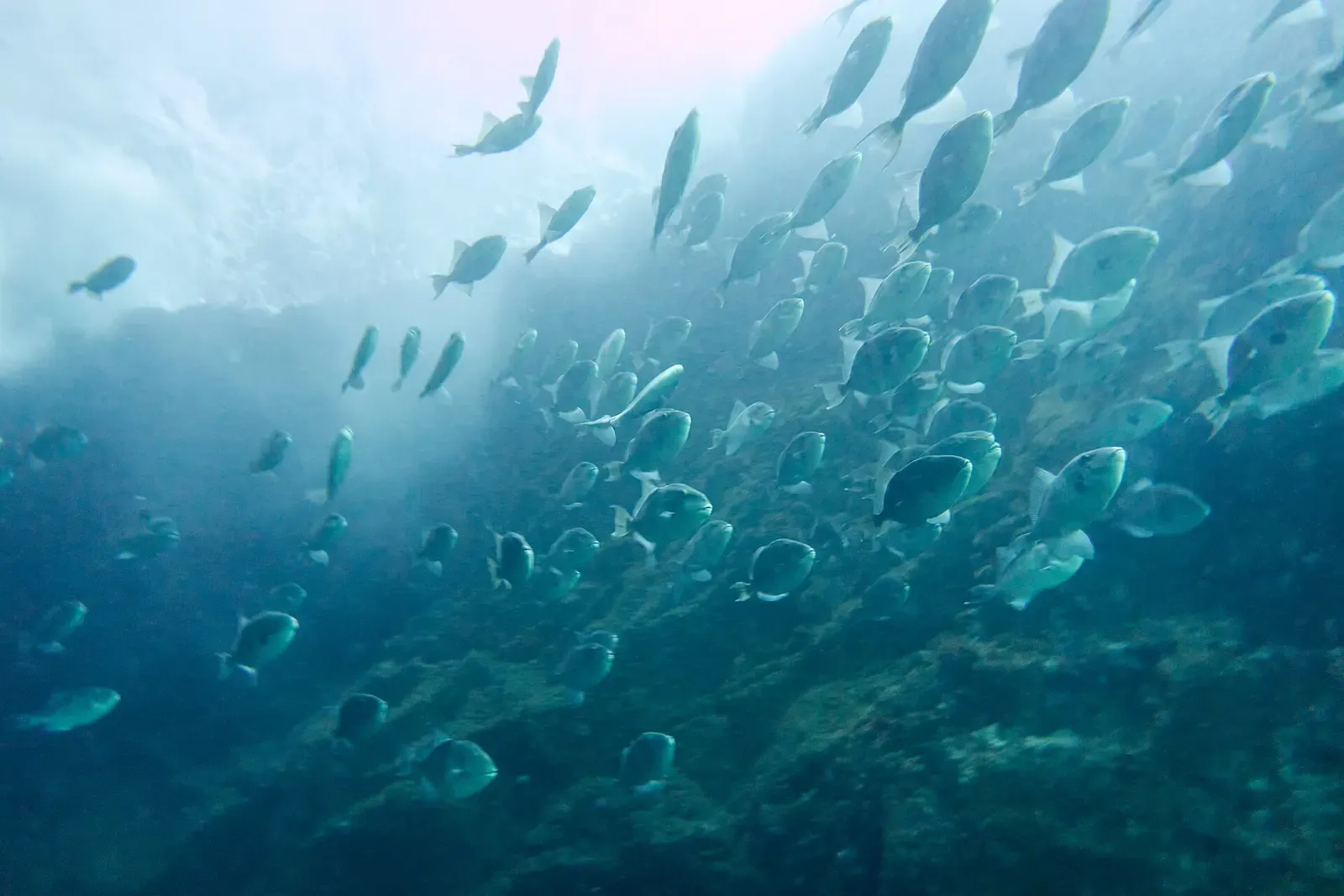
Pink granite caves and tunnels in cold Atlantic swell off Peniche
Atlantic
Rock walls carpeted in jewel anemones, plus wrecks in the bay
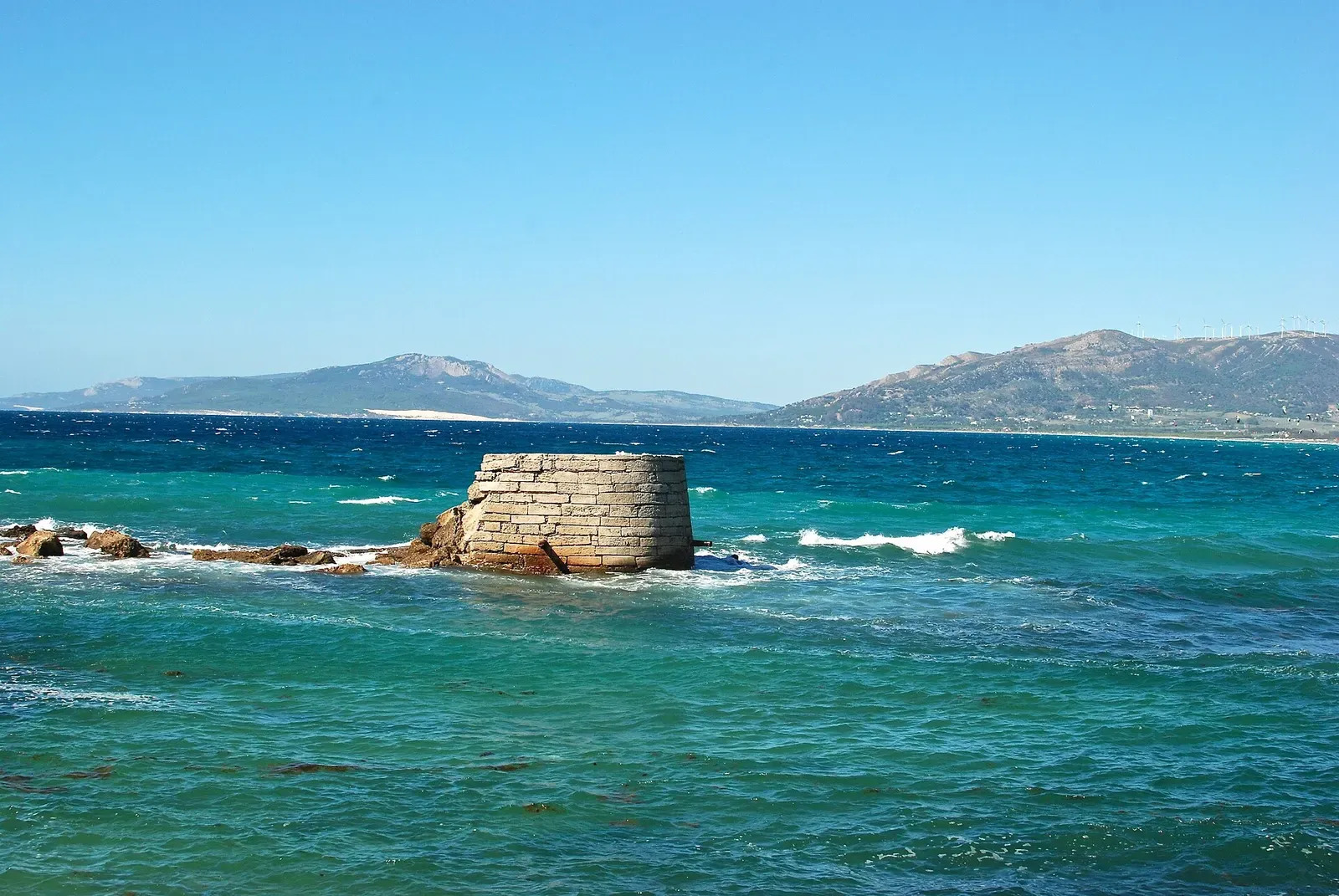

Atlantic and Mediterranean dives on one island