Mediterranean · Croatia
Istria — Rovinj & Pula
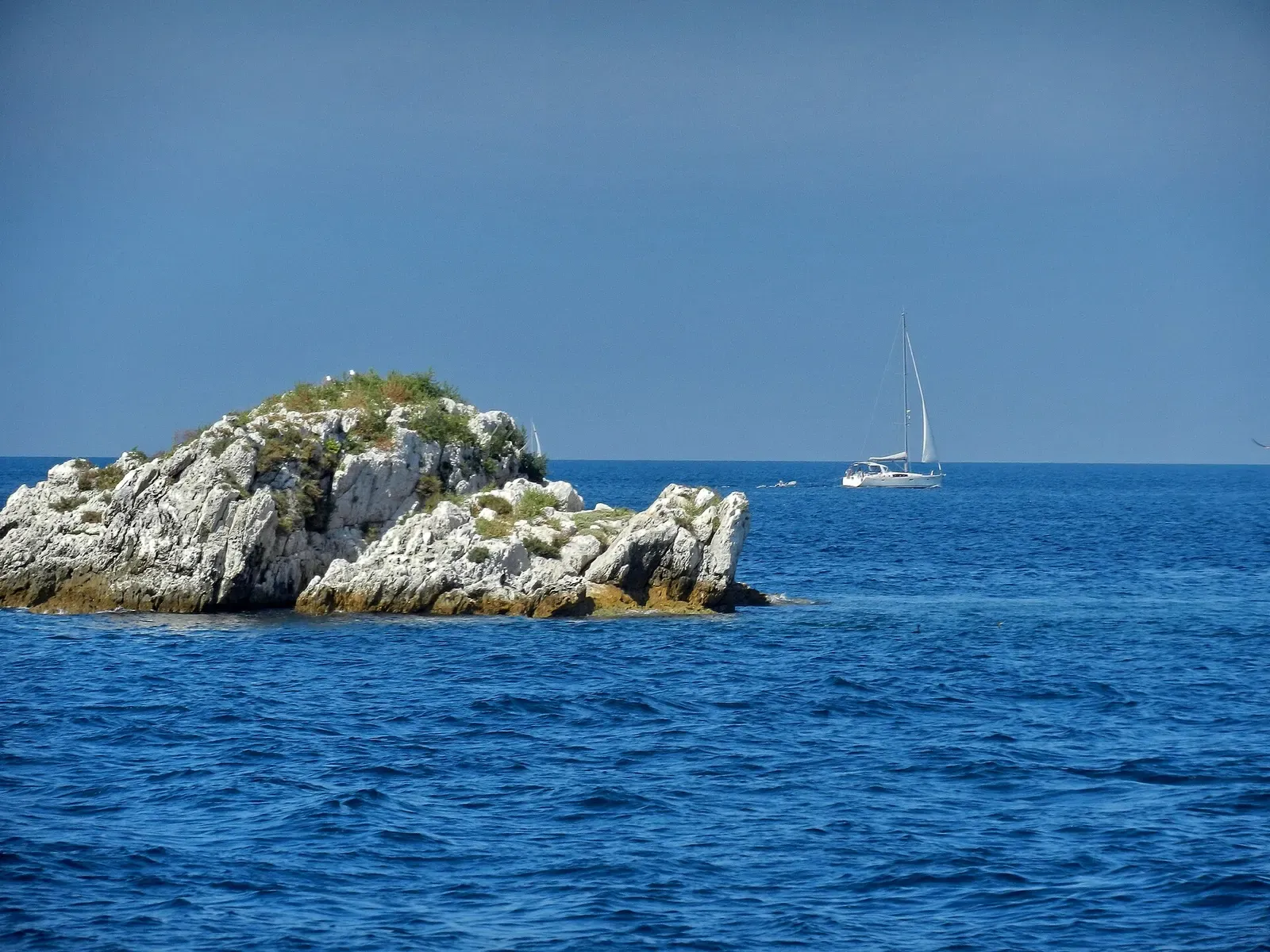
The Baron Gautsch, mined in 1914, lying at 28–40 m between Pula and Rovinj
Photo: Tanya Dedyukhina · CC BY 3.0
The southern tip of Istria is northern Adriatic wreck country. The Austro-Hungarian liner SS Baron Gautsch, mined in 1914, lies between Pula and Rovinj in 28 to 40 m and is the best known wreck dive in this corner of the sea; the ex-navy command ship Vis was sunk deliberately at 34 m, and the Italian scout cruiser Cesare Rossarol, mined in November 1918, lies broken at 49 m off Ližnjan. Around them are limestone walls, tunnels at Fraskerić, shallow caves inside Kamenjak Nature Park and the protected seabed of Brijuni National Park.
About diving in Istria — Rovinj & Pula
Diving here runs off two land bases rather than one. On the Pula side, Orca sits below the hotels on the Verudela peninsula and dives its own house reef straight off the rocks, while Hippocampus works from Camp Stoja in Pula and from a second base near Fažana for Brijuni National Park. North of Rovinj, Starfish at Vrsar puts divers into its house bay a few steps from the door. The diving is run from shore and day boats, with the longest regular runs about thirty-five to forty-five minutes out to the Kamenjak sites, and the main season holds from 1 May to 31 October.
The rock does most of the shaping. Walls run long rather than deep — the face at Bumbište spreads over 200 m — and reefs step down in terraces, with the vegetated reef at Porer starting 8 m below the surface and dropping past 25, and the Rubin plateau beginning at 17 m before falling to 30 or 40. Tunnels cut the limestone at Fraskerić and shallow caves open at 3 to 8 m in Kamenjak. Growth is Mediterranean rather than tropical: yellow encrusting anemones and yellow sponges coat the San Giovanni Nord wall, and the Brijuni seabed carries sponges, shellfish, sea urchins and crustaceans.
It suits divers who want wrecks with history and enough shallow ground to fill the rest of the week, and it works for training — Villas Rubin beach averages 3.5 m and is used for Open Water courses and try dives. Two things are worth planning around. Pula and Rovinj/Vrsar are separate hubs some 26 to 31 km apart, each with its own centres, so a base commits divers to one side of the coast, though the Baron Gautsch sits roughly between them and is dived from both. High-season leisure-boat traffic also shuts a few sites, including Insel Katarina and Insel Faro, until the crowds thin.
Anyone whose main interest is sheer wall scenery will do better further down the Croatian coast in the Kornati, where the crowns drop past 80 m, and cave divers chasing one big system should look at Premuda's Cathedral instead. What Istria offers is variety within a short boat ride: a flagship wreck, two more within recreational range, caves and tunnels, a national park reef and a protected ria, plus a deep-wreck ladder for divers with the training — Rossarol at 49 m and Luana at 48 m — that begins where the recreational plan ends.
When to dive Istria — Rovinj & Pula
| Jan | Feb | Mar | Apr | May | Jun | Jul | Aug | Sep | Oct | Nov | Dec |
|---|---|---|---|---|---|---|---|---|---|---|---|
| Off-season | Off-season | Fair | Fair | Good | Prime | Prime | Prime | Prime | Good | Fair | Off-season |
The main season runs 1 May to 31 October; the sea passes 20°C from mid-June to September, and a few sites are diveable only outside the high season.
Dive types & marine life
Fixed life and shoals rather than big animals: Mediterranean chromis, salema and saddled seabream gather at Valovine, yellow encrusting anemones and sponges cover the San Giovanni Nord wall, and the Brijuni seabed holds sponges, shellfish, urchins and crustaceans plus protected pen shells and date shells. Sea turtles and dolphins pass through Brijuni waters only from time to time.
- Wreck
- Cave & cavern
- Wall
- Reef
- Drift
- Night
- Reef fish swarms
- Macro critters
- Octopus & cuttlefish
Notable dive sites in Istria — Rovinj & Pula
Wall
A 200 m wall under sponges, bryozoans and soft corals
Wreck
Scout cruiser mined two weeks after the war ended, at 49 m
Cave & cavern
Limestone tunnels, the first passed one diver at a time
Cave & cavern
Shallow caves at 3 to 8 m inside Kamenjak Nature Park
Wreck
Mined in 1943, bow torn away, lying at 48 m
Wreck
A 40 m cargo wreck on the sand off the San Giovanni light
Reef
A terraced plateau reef that few boats visit
Reef
Freshwater springs in the shallows at the Lim Channel mouth
Yellow anemones and sponges on the Sv. Ivan north wall
Wreck
A 1914 minefield casualty, protected as a Croatian Cultural Monument
Reef
A ridge run south to 20 m with fish in numbers
Wreck
Croatia's first ship sunk on purpose for divers
Getting there
Pula Airport (PUY) sits 6 km from the city centre and is the nearest passenger airport for the whole west-Istria coast, Rovinj and Vrsar included; it is served mostly by seasonal European carriers. Pula's port runs seasonal passenger ferries to nearby islands, Venice and Trieste. Brijuni is a 15-minute boat crossing from Fažana, just north of Pula.
Photos from Istria — Rovinj & Pula
Holger Krisp · CC BY 3.0
Holger Krisp · CC BY 3.0
nikola_pu · CC BY-SA 3.0
Photo credits
- Low limestone reef islet standing out of clear blue water off the Istrian coast, a yacht beyond it by Tanya Dedyukhina, CC BY 3.0, via Wikimedia Commons
- Colony of pale green cushion coral polyps encrusting a rock underwater by Holger Krisp, CC BY 3.0, via Wikimedia Commons
- Single translucent scarlet coral polyp with a ring of tentacles on pale rock underwater by Holger Krisp, CC BY 3.0, via Wikimedia Commons
- Concrete Austro-Hungarian torpedo-station building at the waterline over shallow green water by nikola_pu, CC BY-SA 3.0, via Wikimedia Commons
Similar destinations
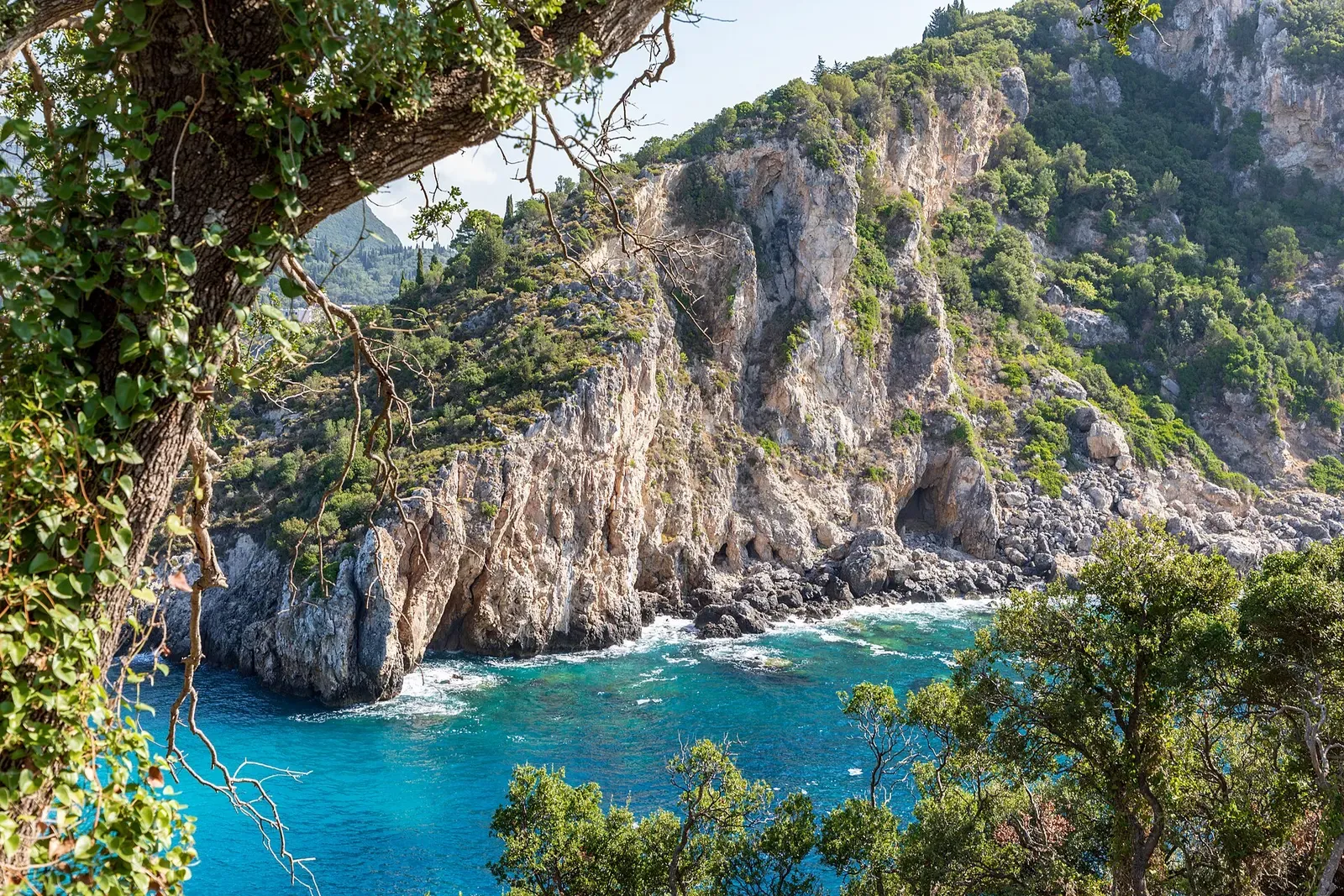
A cluster of cavern dives at Paleokastritsa, wrecks and reefs off the north-east coast

Granite seamounts rising to the surface off Sardinia's south-east corner
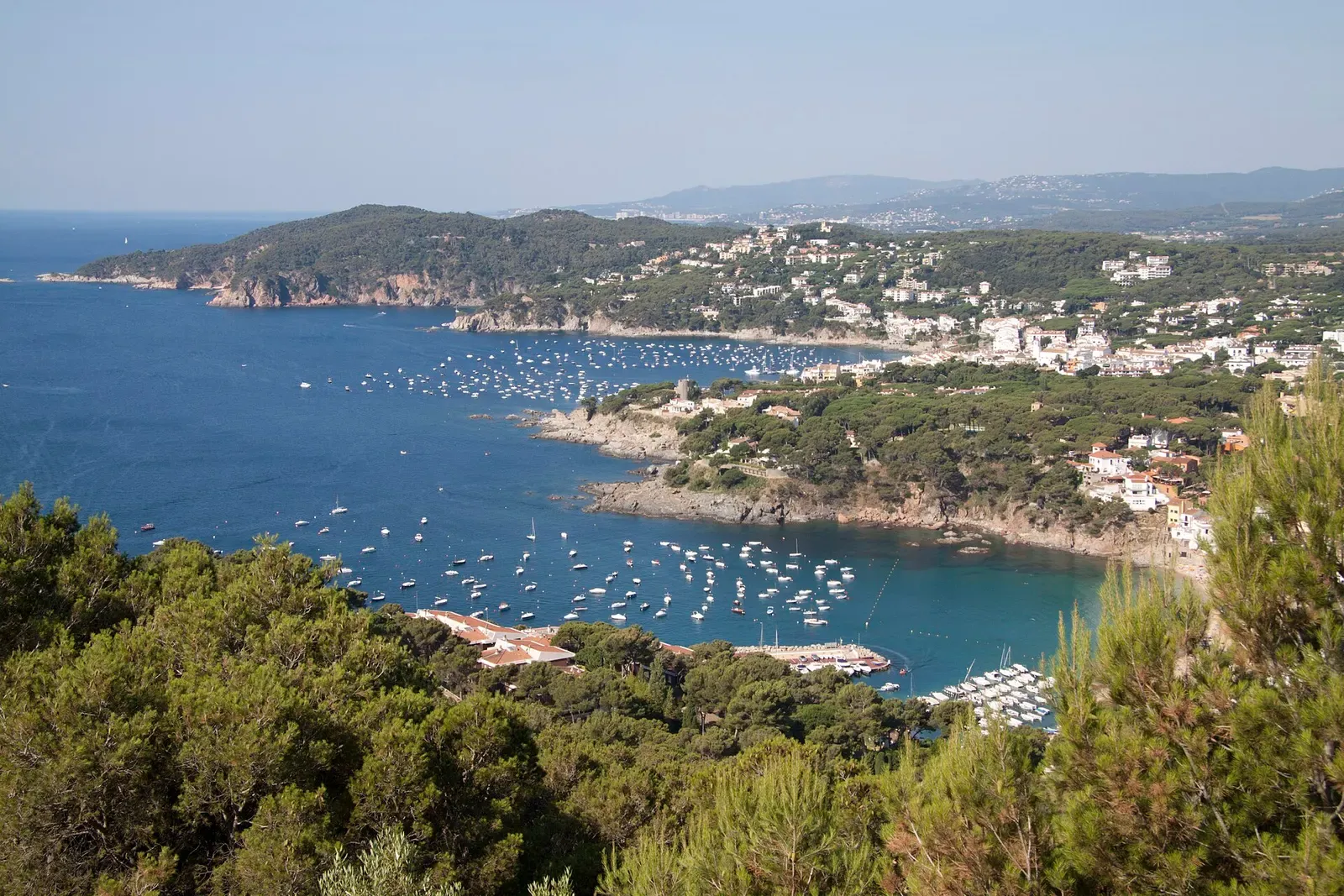
Three seamounts, a navy-tug wreck and gorgonian walls between Palamós and Cap de Begur


.jpg)
Fossil elephant tusks inside a cave whose entrance is now at 10 m