Mediterranean · Italy
Lampedusa & Linosa
Grey shark schools at Lampione and the Secchitella shoal off Linosa
Lampedusa is the dive base for the Pelagie Islands, a marine protected area covering over 4,100 hectares of land and sea, and its boats also run out to the islet of Lampione and across to Linosa. The diving is deep and rocky: blue-water descents at Punta Alaimo, a split dive on the edge of Zone A at Capo Grecale, the submerged Grotta Santa and, off Linosa, the Secchitella shoal. In late summer, schools of grey sharks gather around Lampione.
About diving in Lampedusa & Linosa
Diving here is by day boat from Porto Nuovo, where one centre sits directly on the boarding point with showers, changing rooms, rinse tanks and gear storage, so kit goes from the shop straight onto the deck. Punta Alaimo lies ten minutes by boat west of Capo Grecale, and Grotta Santa sits on the north side between Punta Taccio Vecchio and Punta Cappellone. Lampione is the long ride, 9 miles west of Capo Ponente and 14 from the port, and the same centres also run dives at Linosa.
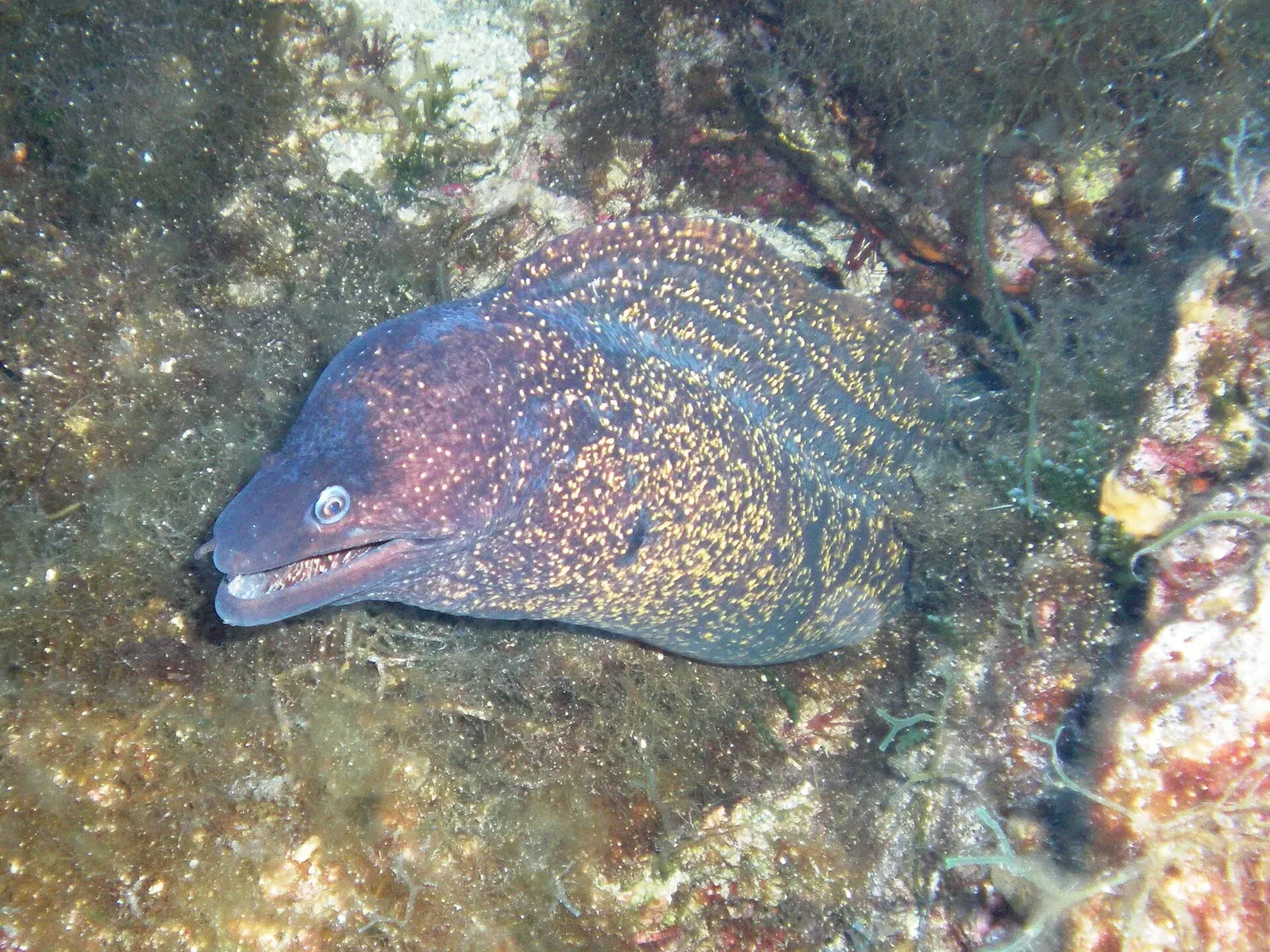
Underwater the islands offer walls that fall away into blue water, a cave on the north coast, posidonia meadows at the foot of the cliffs and, off Linosa, a shoal that stands up from deep water almost to the surface. Grouper, moray eels and parrotfish are the regular residents, with turtles, dolphins and grey sharks for the luckier days.
The islands suit divers who are comfortable at depth. Several of the classic sites go past 30 m and are planned with a deco stop, and on the Secchitella a strong current is almost always part of the dive. Newer divers still have a short list of easier sites, but anyone looking for gentle shallow reefs and long, easy bottom times will find the best of the Pelagie out of reach until they have more deep dives logged.
Best time to dive Lampedusa & Linosa
| Jan | Feb | Mar | Apr | May | Jun | Jul | Aug | Sep | Oct | Nov | Dec |
|---|---|---|---|---|---|---|---|---|---|---|---|
| Fair | Fair | Fair | Fair | Good | Good | Good | Prime | Prime | Good | Fair | Fair |
August and September bring grey sharks to Lampione; ferry and flight options shrink in the off-season.
Dive types & marine life
Turtles, dolphins and grey sharks are luck rather than routine, except at Lampione in August and September, when schools of grey sharks are not hard to find.
- Wall
- Seamount
- Cave & cavern
- Groupers
- Sea turtles
- Dolphins
Best dive sites in Lampedusa & Linosa
- 1
Secchitella
Shoal off Linosa that climbs from 60–70 m of water to within 4 m of the surface
- 2
Lampione
Smallest island of the Pelagie, where a wall drops past 40 m into the blue
- 3
Capo Grecale
Split dive on the edge of Zone A: the north side for experienced divers, the south for all
- 4
Punta Alaimo
Blue-water descent to 30–40 m that always ends with a deco stop
- 5
Grotta Santa
Submerged cave on the north coast, chosen for its atmosphere rather than its fish
- 6
Madonnina
Shallow dive by Isola dei Conigli, down to a posidonia meadow at 22 m at most
Site guides
Reef
Two dives on one cape at the edge of the marine reserve's Zone A
Cave & cavern
A fully submerged cave with an atmosphere all its own
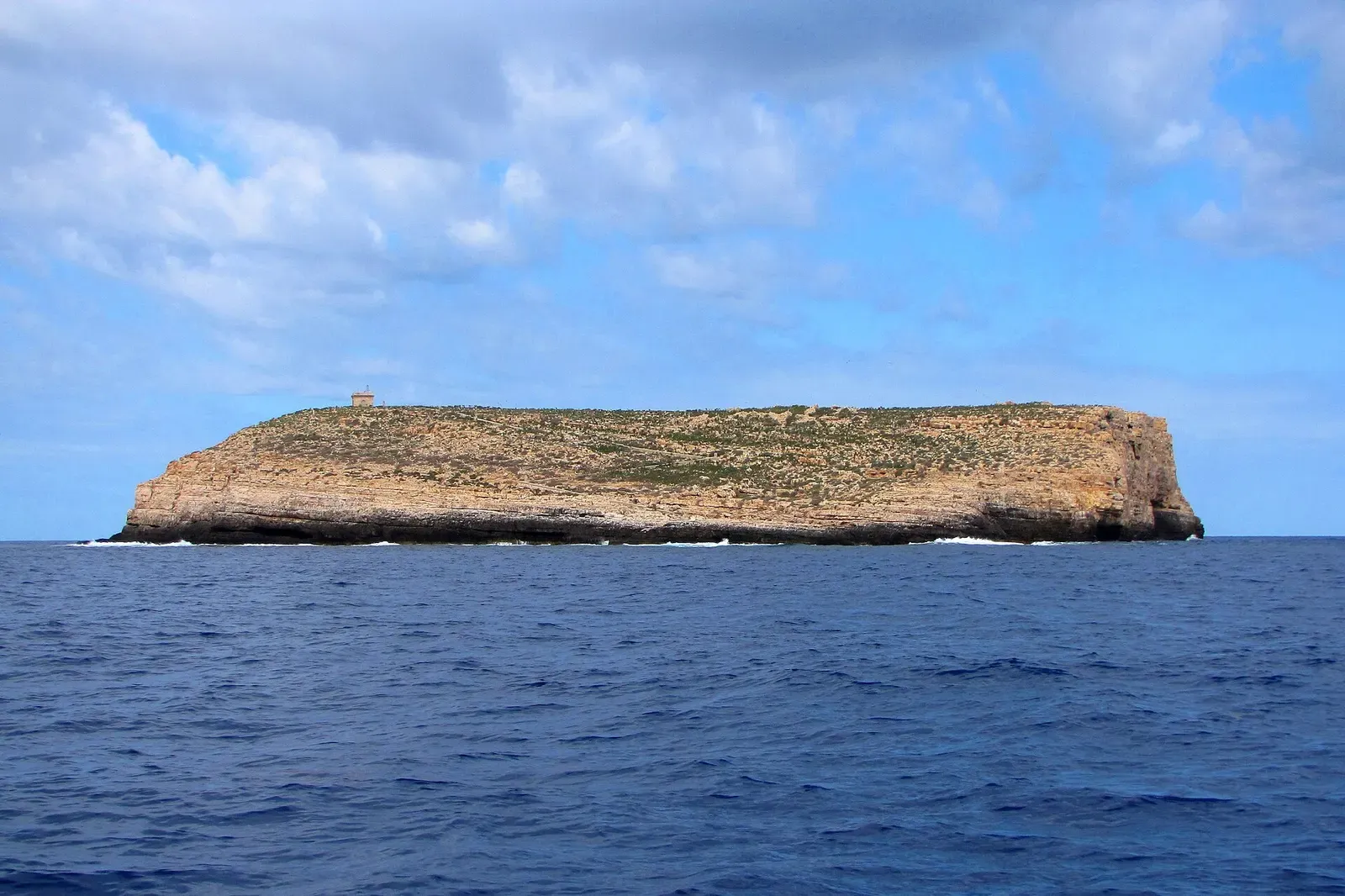
Schools of grey sharks around a lone rock in late summer
Reef
Cliff rocks spreading over a Posidonia meadow
Pelagic & blue water
A descent straight into the blue off a Lampedusa point
A canyon splits the shoal into two caps
How to get to Lampedusa & Linosa
Lampedusa Airport (LMP) sits about 2 km from the town centre and has direct flights from several Italian cities. By sea the crossing takes about 8–9 hours on the ferry or 4–5 hours on the hydrofoil, weather permitting. The dive centres are at Porto Nuovo.
Photos from Lampedusa & Linosa
Luca Siragusa · CC BY 2.0
Brunokito at Italian Wikipedia · Public domain
Questions divers ask
Which Lampedusa dives suit less experienced divers?+
The south side of Capo Grecale is the easier half of that dive and open to all levels, and Madonnina by Isola dei Conigli stays shallow, reaching 22 m at most. The north side of Capo Grecale is reserved for experienced divers, and Punta Alaimo needs a deco stop.
Is the diving at Lampedusa inside a marine reserve?+
Yes. The islands lie inside the Area Marina Protetta Isole Pelagie, which covers over 4,100 hectares of land and sea, and the Capo Grecale dive runs along the edge of its Zone A.
Can divers reach Lampione and Linosa from Lampedusa?+
Yes. Lampedusa boats dive all three islands. Lampione lies 9 miles west of Capo Ponente and 14 from the port, and on Linosa the boats dive the Secchitella shoal.
What is the current like at the Secchitella?+
Strong current is almost always present on the shoal, so it is a dive for confident divers even though its top lies only 4 m below the surface.
Sources
- Immersioni subacquee a Lampedusa, Lampione e Linosa — Pelagos 2.0
- Moby Diving Center Lampedusa — Moby Diving
- Lampedusa — Wikivoyage
- Pelagie Islands — Wikivoyage
- Lampedusa Average Sea Temperatures — SeaTemperature.org
Photo credits
- Aerial view of a low rocky islet with pale cliffs in deep blue and turquoise water, a larger island coast behind it by Luca Siragusa, CC BY 2.0, via Wikimedia Commons
- Layered pale limestone cliffs dropping straight into calm dark sea along a rugged coastline by Brunokito at Italian Wikipedia, Public domain, via Wikimedia Commons
Embed
Run a dive centre, club or blog? Embed this map of 6 dive sites near Lampedusa & Linosa on your own page.
Similar destinations

A drowned volcanic crater 50 km offshore, with permit-limited diving
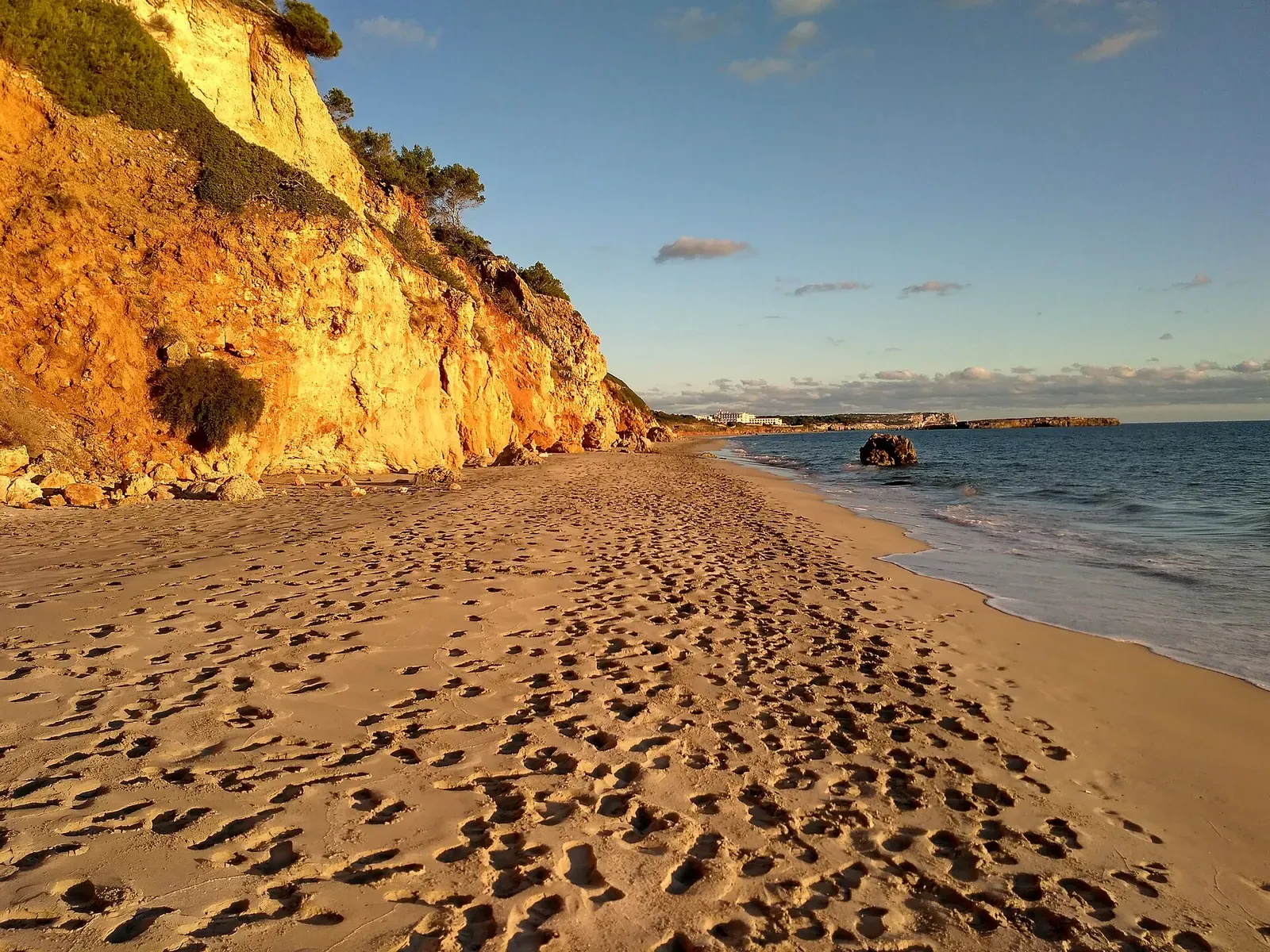
Long limestone caves and the 110 m Malakoff wreck off one Balearic island
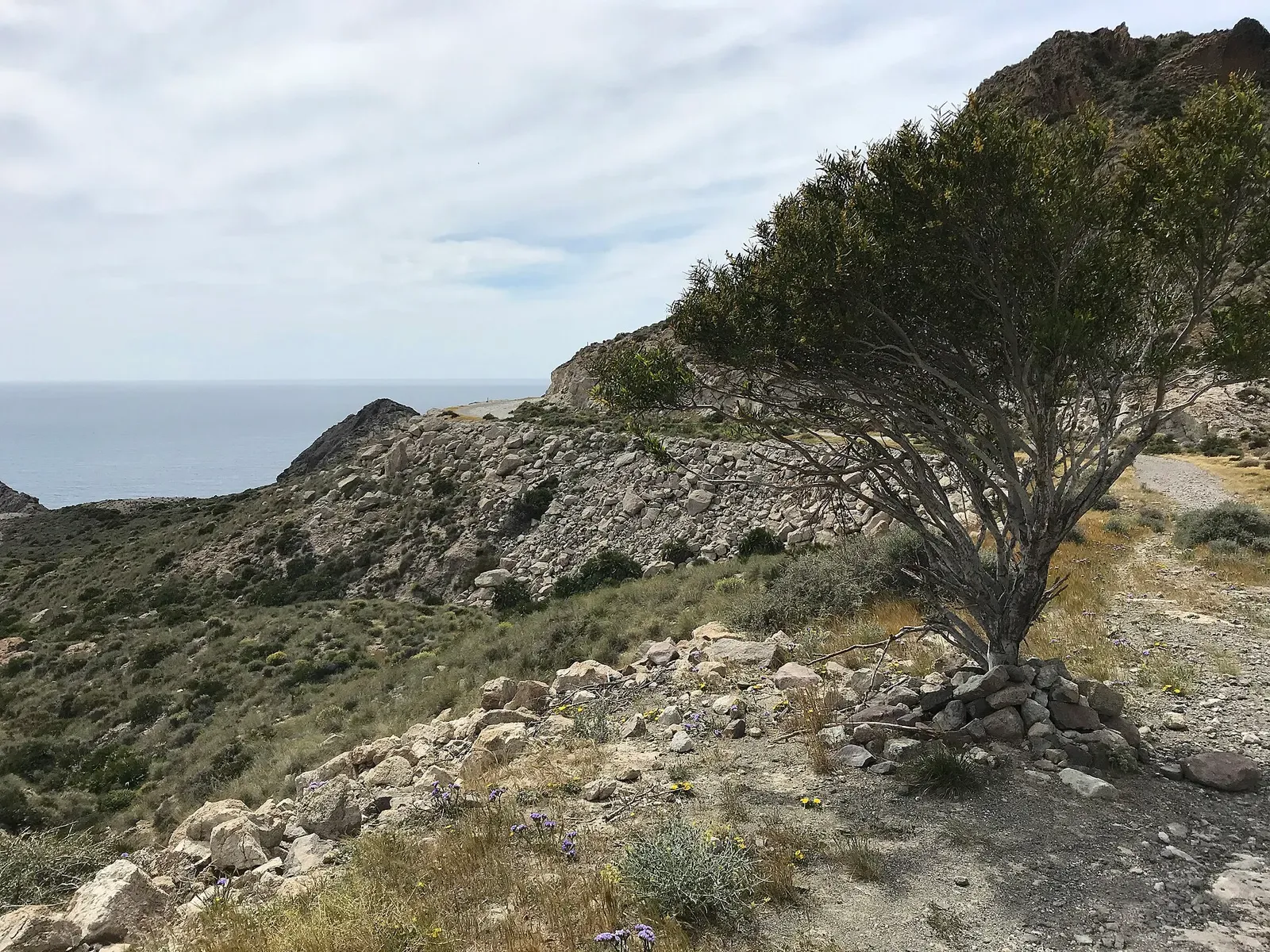
Giant groupers in volcanic caves along Andalusia's largest coastal protected area
_-_Lampedusa_-_3.jpg)

A zoned 2016 marine reserve, a sunk minesweeper and a 3 km hypogenic cave