Atlantic · Spain
Gran Canaria — Las Palmas & the North Coast
A protected shore-dive bay and a 100 m wreck off the island's capital
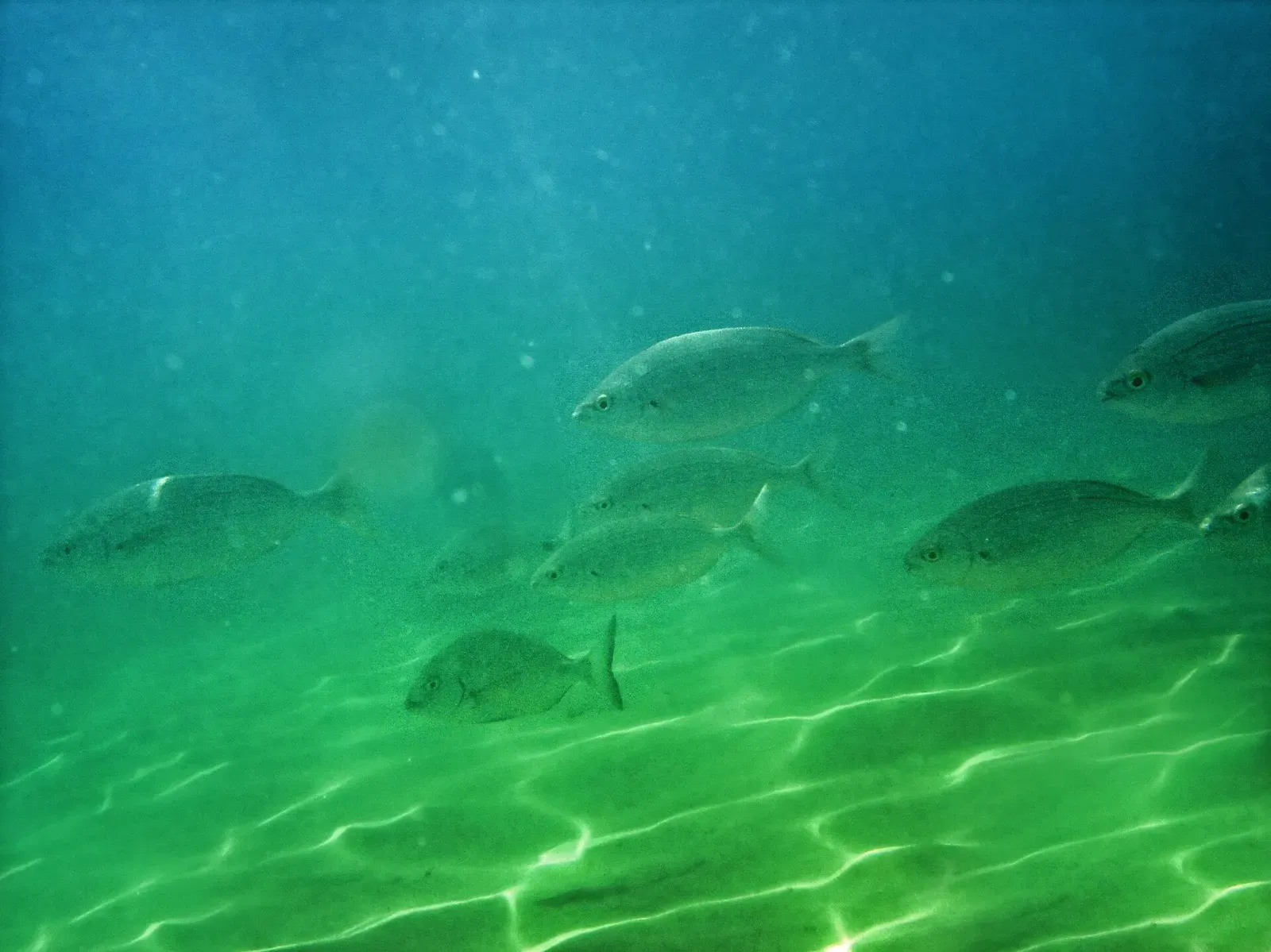
Photo: Gino maccanti from spain · CC BY 2.0
Gran Canaria's north coast is dived from two bases: the centres of Las Palmas, the island's capital, and the fishing village of Sardina del Norte, 25 km away. Sardina's bay is a shore dive from the village jetty over sand and lava rock at 10–20 m, inside a Natura 2000 marine conservation zone. Off the capital lies the Arona, a burnt-out merchant ship that has become an artificial reef. The draw is a coast where conditions stay steady almost all year.
About diving in Gran Canaria — Las Palmas & the North Coast
Diving here splits between the capital and the fishing village of Sardina del Norte. Centres in Las Palmas take divers by boat to the Arona, which lies six nautical miles from the port of Puerto de la Luz, opposite the Jinamar industrial estate. Sardina del Norte is a shore operation: divers walk down the village's stone jetty and swim out into the bay. Conditions here stay stable almost all year, and the bay can often be dived when other parts of the island are impossible.
Sardina's bay mixes sand with lava structures, including arches and small roofless canyons in its centre, and toadfish, rays and John Dory appear on the sandy areas. Elsewhere on the north coast, Caleta de Abajo is a coast of lava formations, caverns and blowholes. The Arona sank in 40 m and settled on its side, so its highest point sits at 20 m; its hull and towers are covered in corals and anemones. Both Sardina and Caleta de Abajo sit inside a marine Special Area of Conservation in the Natura 2000 network.
Sardina has no currents and suits divers and snorkelers of every level, with clear water and a clean bottom that make it as good after dark as by day. Caleta de Abajo's orientation brings sightings of large pelagics such as devil rays, but it can be dived only when sea conditions allow. The Arona is a different proposition: a demanding wreck dive that draws advanced wreck divers.
Best time to dive Gran Canaria — Las Palmas & the North Coast
| Jan | Feb | Mar | Apr | May | Jun | Jul | Aug | Sep | Oct | Nov | Dec |
|---|---|---|---|---|---|---|---|---|---|---|---|
| Good | Good | Good | Good | Good | Good | Good | Good | Good | Good | Good | Good |
Conditions stay stable almost all year on this coast, so no month stands out as a peak.
Best months: January, February, March, April, May, June, July, August, September, October, November, December
Dive types & marine life
Schools of barracuda, grunts and bream circle the Arona constantly, while scorpionfish and bigeyes lurk in dark corners inside the wreck. In Sardina bay octopus, squat lobsters, sea slugs and even seahorses emerge after dark, when angel sharks appear on the sand.
- Wreck
- Cave & cavern
- Night
- Barracuda
- Reef fish swarms
- Octopus & cuttlefish
- Nudibranchs
- Macro critters
Best dive sites in Gran Canaria — Las Palmas & the North Coast
- 1
Arona wreck
Merchant ship 100 m long and 15 m wide that burned and sank in 1972.
- 2
Sardina del Norte
Village bay of sand and lava rock at 10–20 m, entered from the stone jetty.
- 3
Caleta de Abajo
Protected stretch of lava formations with caverns and blowholes.
- 4
El Coreano
Sunken fishing boat that has turned into a reef full of life.
- 5
DC3 plane wreck
Sunken DC3 aircraft known for the abundant fish life around it.
Site guides
Cave & cavern
A cavern filled with schools of glasseye bigeyes
Cave & cavern
A descent through an L-shaped lava tube into open water
Reef
Remains of a port that served the Canaries in Columbus's day
Wreck
A ship lying upside down, its hull facing the surface
Reef
Gothic-looking volcanic rock full of vaults, arches and dykes
Reef
Golden coral and jewel anemones in a sheltered 10 m bay
Artificial reef
Old anchors and fish traps grown over with sponges and corals
Reef
Lava arches and roofless canyons to swim through
Wreck
A burnt-out merchant ship lying on its side as a reef
How to get to Gran Canaria — Las Palmas & the North Coast
Gran Canaria International Airport (LPA) sits near Telde, and the #60 and #91 Global express buses connect it with Las Palmas, where a dive centre sits near Las Canteras beach. Sardina del Norte is 25 km from the capital, near the towns of Gáldar and Agaete, and has its own dive centre.
Questions divers ask
What certification is needed for the Arona wreck?+
The wreck lies in 40 m of water with its highest side at 20 m and is reached by boat. It is a demanding dive and a favourite of advanced wreck divers.
Is Sardina del Norte a shore dive?+
Yes. Divers enter from the village's stone jetty. The bay has no currents and suits divers and snorkelers of all levels, and it works as a night dive as well as a day dive.
When is the best time to dive Gran Canaria's north coast?+
Conditions stay stable almost all year, and Sardina bay can often be dived when other parts of the island are impossible, so there is no single best month.
How do divers get to Las Palmas and Sardina del Norte?+
Fly into Gran Canaria International Airport (LPA) near Telde and take the #60 or #91 Global express bus into Las Palmas. Sardina del Norte is 25 km from the capital, near Gáldar and Agaete.
Is the north coast protected?+
Yes. Sardina bay and Caleta de Abajo lie within a marine Special Area of Conservation (ZEC) in the Natura 2000 network.
Sources
- 7 Mares Dive Center — 7 Mares
- Buceo Canarias — Buceo Canarias
- Inmersiones de buceo en Gran Canaria — Buceo Norte
- Diving the Pecio Arona wreck — Hello Canary Islands (Gran Canaria tourism)
- Sardina dive point — Hello Canary Islands (Gran Canaria tourism)
- Las Palmas de Gran Canaria average sea temperatures — seatemperature.org
- Las Palmas de Gran Canaria — Wikivoyage
Photo credits
- A loose school of about ten silvery striped fish swimming over rippled, sunlit sand in green water by Gino maccanti from spain, CC BY 2.0, via Wikimedia Commons
Embed
Run a dive centre, club or blog? Embed this map of 10 dive sites near Gran Canaria on your own page.
Similar destinations

Lava arches, canyons and tunnels reachable from a rocky beach entry
Atlantic
Tenerife
Spain
Black sand and lava arches metres from shore, with resident pilot whales


Around three hundred charted wrecks, most of them shallower than 20 m
Atlantic
Algarve — Ocean Revival
Portugal
Four Portuguese Navy ships scuttled together on one sand plain