
Mediterranean · France
Marseille & the Calanques
Wrecks, deep walls and island dives inside a national park
Photo: Karim saari · CC BY 4.0
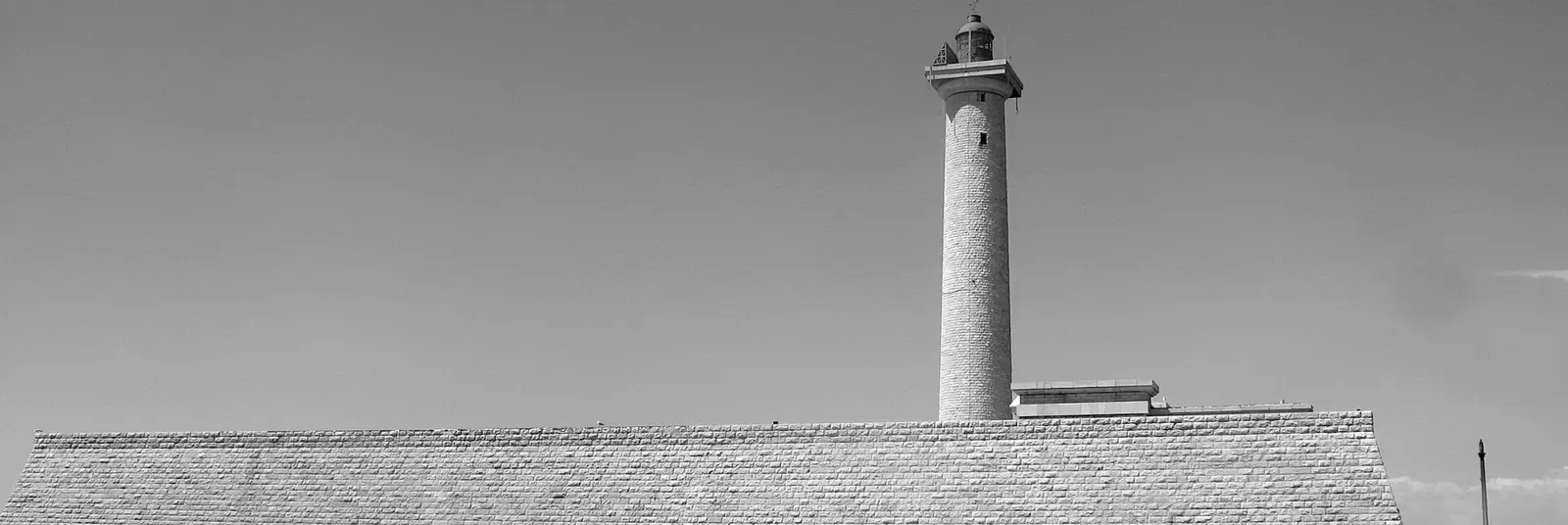
Marseille has about 60 km of coastline and more than fifty dive sites around the Frioul and Riou archipelagos and the Planier lighthouse, most of them inside the Calanques National Park. Boats reach wrecks such as Le Liban and Le Chaouen, drop-offs such as Les Pharillons and Les Moyades, and the lighthouse plateau of Cassidaigne, with dives for beginners and for experienced divers. Diving history here goes back to 1952, when Cousteau and the Calypso excavated the Roman wrecks of the Grand Congloué in the Riou archipelago.
About diving in Marseille & the Calanques
Dive boats leave from Pointe-Rouge, the Vieux-Port, Frioul, l'Estaque and Corbières for the Riou and Frioul archipelagos, the Calanques coast toward Cassis and the Planier lighthouse, an islet 5 nautical miles (8 km) off the coast. Some archaeological protection zones are closed to diving, among them the Cousteau triangle off the islands of Riou and Plane and the Pointe de la Voile at Cap Morgiou.
The sites hold drop-offs, capes, coralligenous rock and Posidonia seagrass meadows, cut by caves, arches and shafts. South of Riou the outer Impérial has cliffs deeper than 70 m. On the south face of Les Moyades gorgonians, red coral, anthias and morays cover a winding wall, and cavities between 12 and 20 m shelter sea breams and schools of fish. Smaller life includes nudibranchs, flabellina and Dalmatian doris, and the Arc-en-Ciel cave, at 7 to 15 m, is known for its play of light.
The area suits a wide range of divers, from beginners to fans of wrecks, walls and deep shoals. Les Moyades holds interest for both newcomers and experienced divers. Experienced and technical divers can drift from L'Impérial du milieu to L'Impérial de terre, depending on the current, which is often present. Wreck divers have Le Liban and Le Chaouen, and the Liban lies close enough to Les Pharillons for the two dives to be paired.
Best time to dive Marseille & the Calanques
| Jan | Feb | Mar | Apr | May | Jun | Jul | Aug | Sep | Oct | Nov | Dec | |
|---|---|---|---|---|---|---|---|---|---|---|---|---|
| Season | Good | Good | Good | Good | Good | Good | Good | Good | Good | Good | Good | Good |
| Sea surface | 14°C57°F | 13°C55°F | 13°C55°F | 15°C59°F | 17°C63°F | 20°C68°F | 22°C72°F | 23°C73°F | 22°C72°F | 20°C68°F | 18°C64°F | 15°C59°F |
| Daytime high | 15°C59°F | 15°C59°F | 17°C63°F | 19°C66°F | 22°C72°F | 27°C81°F | 29°C84°F | 29°C84°F | 27°C81°F | 23°C73°F | 19°C66°F | 16°C61°F |
| Rain | 43 mm1.7 in | 42 mm1.7 in | 52 mm2.0 in | 42 mm1.7 in | 39 mm1.5 in | 23 mm0.9 in | 13 mm0.5 in | 16 mm0.6 in | 39 mm1.5 in | 73 mm2.9 in | 94 mm3.7 in | 47 mm1.9 in |
| Jan | Feb | Mar | Apr | May | Jun |
|---|---|---|---|---|---|
| Good | Good | Good | Good | Good | Good |
| Sea surface | |||||
| 14°C57°F | 13°C55°F | 13°C55°F | 15°C59°F | 17°C63°F | 20°C68°F |
| Daytime high | |||||
| 15°C59°F | 15°C59°F | 17°C63°F | 19°C66°F | 22°C72°F | 27°C81°F |
| Rain | |||||
| 43 mm1.7 in | 42 mm1.7 in | 52 mm2.0 in | 42 mm1.7 in | 39 mm1.5 in | 23 mm0.9 in |
| Jul | Aug | Sep | Oct | Nov | Dec |
|---|---|---|---|---|---|
| Good | Good | Good | Good | Good | Good |
| Sea surface | |||||
| 22°C72°F | 23°C73°F | 22°C72°F | 20°C68°F | 18°C64°F | 15°C59°F |
| Daytime high | |||||
| 29°C84°F | 29°C84°F | 27°C81°F | 23°C73°F | 19°C66°F | 16°C61°F |
| Rain | |||||
| 13 mm0.5 in | 16 mm0.6 in | 39 mm1.5 in | 73 mm2.9 in | 94 mm3.7 in | 47 mm1.9 in |
2011–2025 averages. Sea surface: NOAA Coral Reef Watch, measured at the surface, so deeper water can run colder. Daytime high and rain: NASA POWER.
Boats run all year; the sea averages 13 °C (55 °F) in February and feels cold.
Best months: January, February, March, April, May, June, July, August, September, October, November, December
Marseille water temperature and weather by month
The sea surface runs from 13 °C (55 °F) in February to 23 °C (73 °F) in August. Most rain falls from October to December, peaking at about 90 mm (3.5 in) in November; June to August are the driest. Daytime highs reach 29 °C (84 °F) in August and drop to 15 °C (59 °F) in January. The coldest water here is about 13 °C (55 °F), so pack a 7 mm suit with a hood, or a semi-dry.
Dive types & marine life
Groupers, conger and moray eels live among the boulders and on the walls, and barracuda are seen on the south face of Les Moyades. Octopus, spiny lobster and nudibranchs turn up on the rock. Cuttlefish in open water and John Dory on the Pharillons wall are a matter of luck.
- Wall
- Wreck
- Cave & cavern
- Reef
- Drift
- Groupers
- Barracuda
- Octopus & cuttlefish
- Nudibranchs
- Reef fish swarms
- Macro critters
Best dive sites in Marseille & the Calanques
- 1
Le Liban
Wreck with the bow wedged in the rocks at 32 m and the stern resting at 36 m.
- 2
L'Impérial du milieu
Wall south of Riou dropping to boulders near 43 m where groupers and conger hide.
- 3
Les Moyades
Islet off the north tip of Riou ringed by plateaus at 8, 20 and 40 m, with barracuda on the south face.
- 4
Les Pharillons
Wall dropping to 45 m beside a 25 m plateau, cut by two arches and a fault near 15 m.
- 5
Le Chaouen
Well-preserved wreck lying on its port side, pointing toward Planier island.
- 6
Phare de Cassidaigne
Lighthouse plateau with a rugged bottom, enough for nearly half a dozen dives, with clear water and abundant fauna.
Site guides
Cave & cavern
A cave named for the colours the sunlight throws
Cave & cavern
A cave-cathedral above a wall that drops to 40 m
Cave & cavern
A cave mouth 10 metres high and 10 metres wide
A plateau off Grand Congloué that ends in a beak
Wreck
Deep-certified only: the 1903 liner Liban off Île Maïre
A shallow orange freighter, a 1928 steamer and a Bf 109
Reef
Rock stacks shaped like wheels of cheese
One rock, from 35 metres up to a 5-metre finish
Wreck
A 70 m sailing ship on the bottom since 1897
A drop-off to 25 m and a tunnel at 8 to 4 metres
How to get to Marseille & the Calanques
Flights land at Marseille-Provence International Airport (MRS); shuttle bus #91 reaches Saint-Charles station in about 25 minutes, leaving every 15 to 20 minutes, and the metro goes on from there.
Photos from Marseille & the Calanques
Donald Davesne · CC BY 4.0
Donald Davesne · CC BY 4.0
LySioS-wkp · CC BY-SA 4.0
Dive videos
Plonger dans l'épave du Liban à Marseille ! LE TITANIC FRANCAIS ! · Argonaute Plongée on YouTube
Cap Croisette - scuba diving in the Calanques of Marseille · Marcel Steuermann on YouTube
Questions divers ask
Which sites can be dived when the mistral blows?+
Les Pharillons can be dived on mistral and east-wind days, and the Arches de Plane are well sheltered from the mistral. Les Moyades and the Impériaux are exposed to every wind and need a calm sea.
Can the wrecks be penetrated?+
Le Chaouen, which sank to 40 m, has many hatches and openings that give easy access to its holds, cabins and saloon. The engine room is cluttered with cables and calls for particular care.
Do the dives take place inside a national park?+
Most sites lie in the heart of the Calanques National Park, and the city maintains 33 eco-mooring buoys across 18 of its main dive sites.
Sources
- Sites de plongée — Ville de Marseille
- La plongée à Marseille avec L'Atelier de la Mer — L'Atelier de la Mer
- Plonger à Marseille - Les sites de plongée — L'Atelier de la Mer
- Les Moyades: Ile Riou — Atoll Plongée Marseille
- Les PHARILLONS (ou FARILLONS) — Atoll Plongée Marseille
- L’Impérial du milieu : Île de Riou — Atoll Plongée Marseille
- Marseille — Wikivoyage
- Diving in the Calanques — Marseille Tourism
- La Plongée à Marseille — Office de Tourisme de Marseille
- Plongées – Cassis Calanques Plongée — Cassis Calanques Plongée
- Grotte arc en ciel — ScubaGo
- Marseille Average Sea Temperatures | France — SeaTemperature.org
Photo credits
- Mediterranean fanworm with a banded spiral crown rising from an algae-covered rock at Port des Goudes by Karim saari, CC BY 4.0, via Wikimedia Commons
- Bright orange Mediterranean red sea star lying on dark green algae-covered rock by Donald Davesne, CC BY 4.0, via Wikimedia Commons
- Yellow lattice sponge surrounded by orange and pink cup corals on a shaded rock face by Donald Davesne, CC BY 4.0, via Wikimedia Commons
- Rugged white limestone ridge of Île Maïre rising from deep blue sea under a clear sky by LySioS-wkp, CC BY-SA 4.0, via Wikimedia Commons
Embed
Run a dive centre, club or blog? Embed this map of 10 dive sites near Marseille on your own page.
In The Logbook
- Deep wreck diving: where recreational stopsWrecks · 8 min read
Similar destinations

Granite seamounts rising to the surface off Sardinia's south-east corner

A hot spring vents into the sea off Karaada's caves

A sunken DC-3 and a replica Bronze Age ship on the Lycian coast


Schist walls, tunnels and red gorgonian fans at the Pyrenees' end