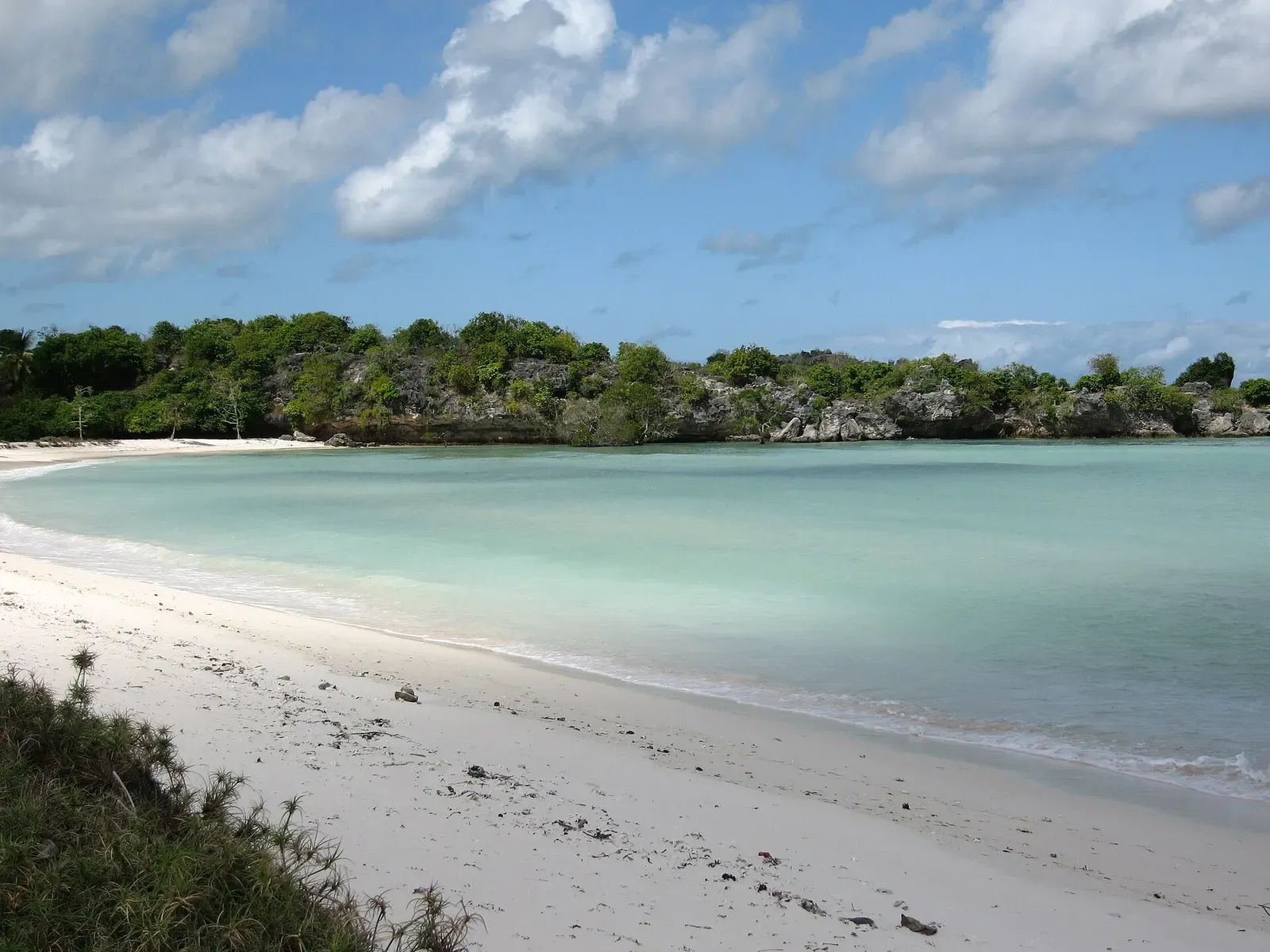
Coral Triangle · Indonesia
Rote Island
Reef sharks and seasonal mantas around a quiet surf island
Photo: Mujiono Leo · CC BY-SA 3.0
Rote, across the Puku Afu Strait from Timor, is far better known for its surf than its reefs, yet coral reefs ring the island and a handful of offshore islands. Boats from Nemberala reach sloping reefs such as Bo'a Corner, the gnarly rock of Jurassic Park and the turtle spots of Ndana Island, with dives running between about 8 and 30 m. What brings divers here is reef sharks and seasonal oceanic manta rays on an island where diving is still small-scale.
About diving in Rote Island
Diving here runs by day boat from Nemberala. A half-day trip makes two dives at sites within an hour of the base, guided by an instructor. Sites are chosen by visibility, which follows wind and swell; boats work mainly the south and west coasts, and despite the dry season's south-west swell there is always somewhere to dive within that hour. Diving remains small-scale and is often arranged through the place a diver stays. Ndana Island needs a visiting permit, issued in the village of Oeseli, before a trip there.
Rote's coastline and offshore islands hold a mix of shallow reefs, sloping coral and deeper rock formations. Soft corals grow on sloping reefs such as Bo'a Corner and around rocks like Jurassic Park. Colourful reef fish and sea turtles are common sightings, reef sharks turn up at Jurassic Park, and oceanic manta rays pass through in season. Several sites are drift dives, and some are muck dives where exotic species of fish turn up.
Rote suits divers who want uncrowded reefs with minimal boat traffic: beginners can train here on full PADI courses, and certified divers get reefs with no crowd. It is not a large-scale diving destination, and divers after a long menu of famous sites will not find it here. The Puku Afu Strait between Rote and Timor has notoriously strong currents, which matters to anyone planning a sea crossing rather than a flight.
Best time to dive Rote Island
| Jan | Feb | Mar | Apr | May | Jun | Jul | Aug | Sep | Oct | Nov | Dec |
|---|---|---|---|---|---|---|---|---|---|---|---|
| Fair | Fair | Fair | Good | Good | Good | Good | Good | Good | Good | Fair | Fair |
Between 80% and 95% of the year's rain falls from November to March, the wettest stretch of the year. From May to October the dry season brings the island's high season, busiest from June through August, and little rain falls from July to October. The same months bring a prevailing south-west swell, yet there is always somewhere to dive within an hour's boat ride of Nemberala. July and August are the windy months.
Best months: April, May, June, July, August, September, October
Dive types & marine life
Reef sharks are most reliable at Jurassic Park, which is also the best bet for oceanic manta rays in season. Sea turtles are often seen around Ndana Island and at Bo'a Corner, where small blue-spotted rays also turn up.
- Reef
- Drift
- Reef sharks
- Manta rays
- Sea turtles
Best dive sites in Rote Island
- 1
Jurassic Park
Gnarly rock with soft corals, the best bet for reef sharks and seasonal oceanic manta rays.
- 2
Ndana Island
Offshore island where turtles are frequent, with a healthy population of larger fish and a short drift.
- 3
Bo'a Corner
Sloping reef off Bo'a beach with lots of soft corals.
- 4
Dana Channel
Channel reef to 25 m where the current runs anywhere from light to strong.
- 5
Bull Rock
Rock formations dropping to 30 m, among the deepest dives around the island.
Site guides
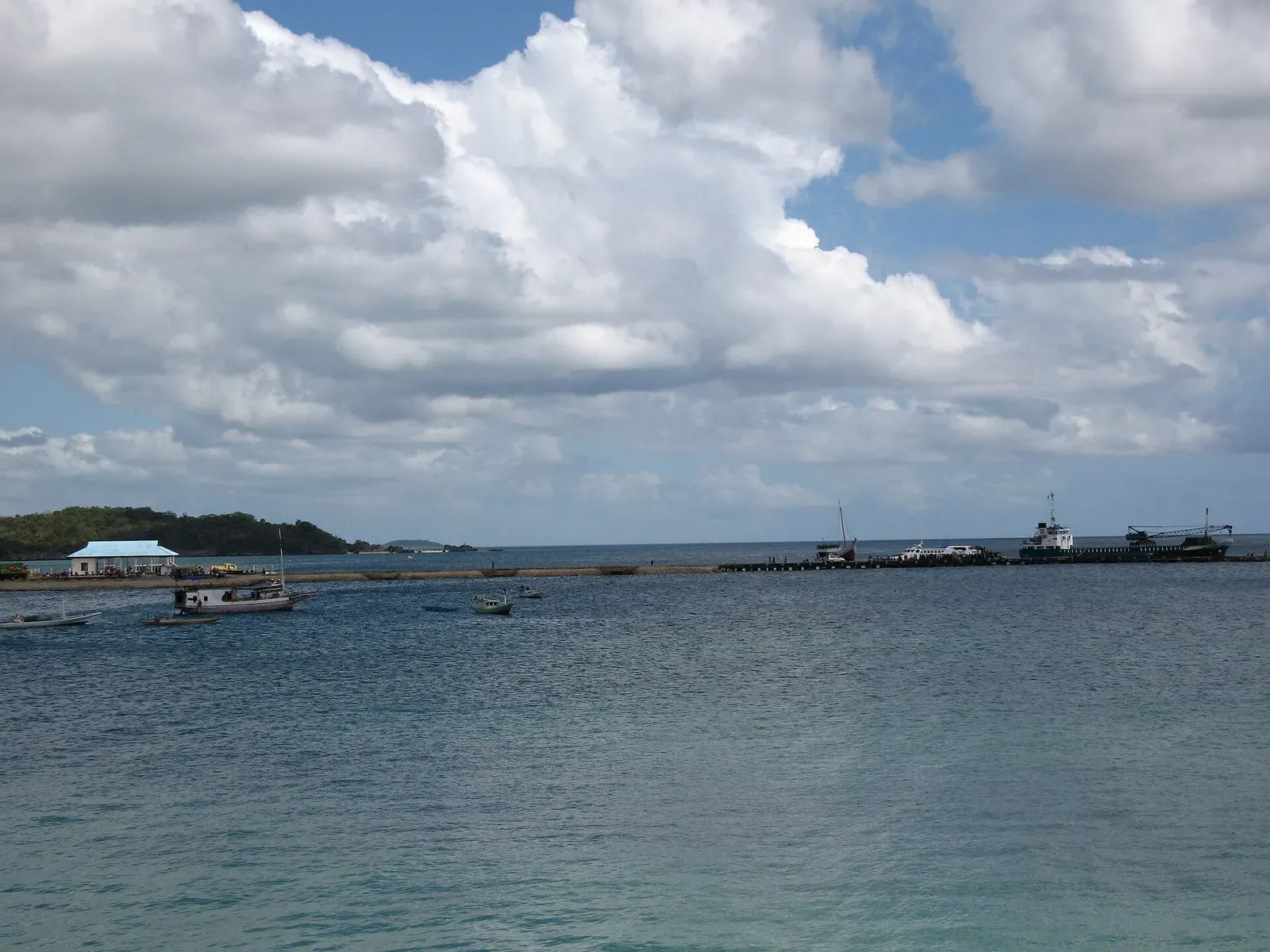
A current-free muck dive at the island's ferry port
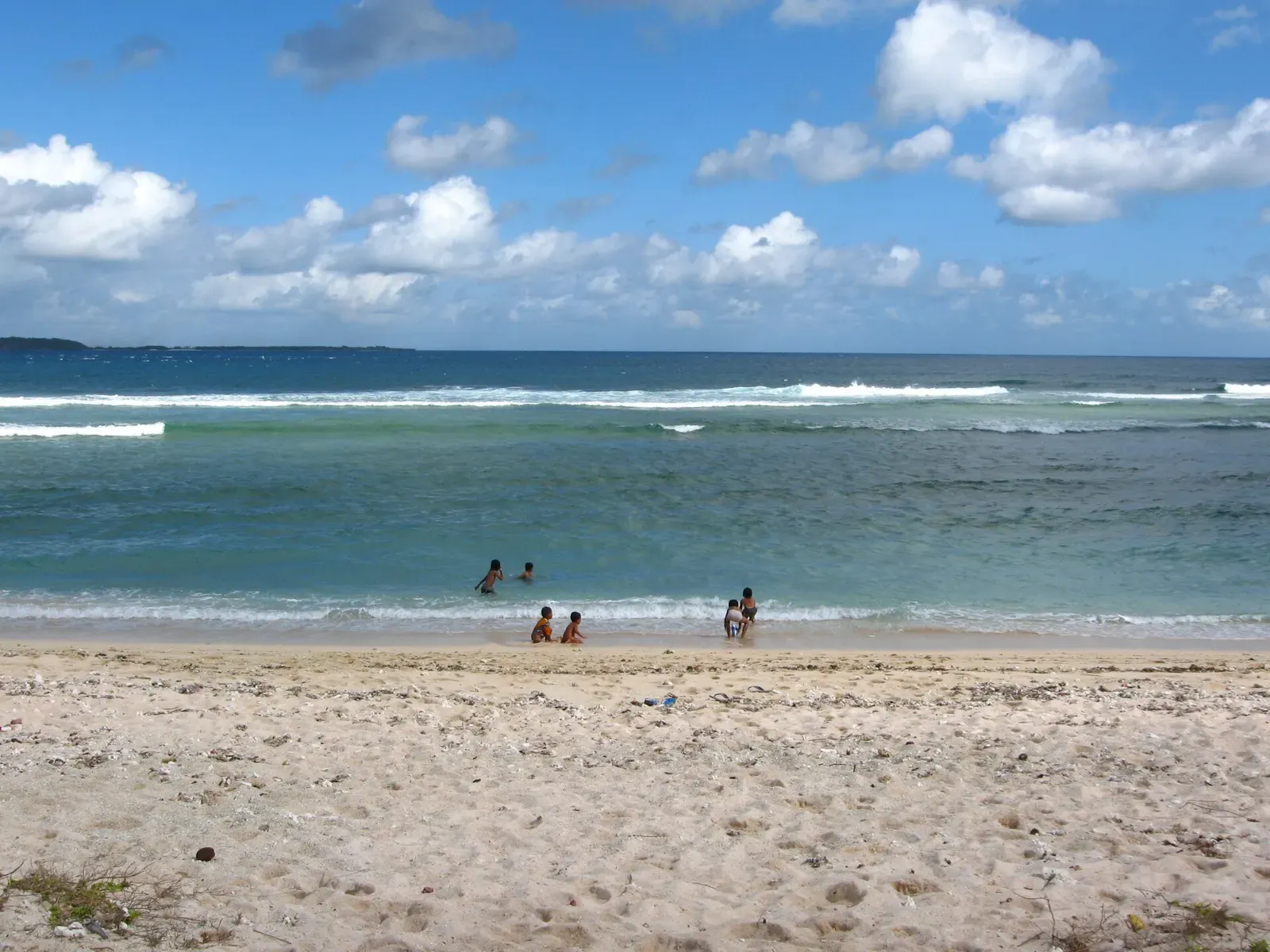
A soft-coral slope off Bo'a beach
Reef
Rock formations where sharks and turtles turn up
Channel & pass
A channel where the flow swings from light to strong
Reef
Rote's best bet for reef sharks and seasonal oceanic mantas
A sandy slope with coral bommies off the north tip of Ndao Island
Reef
A calm rocky slope with room to go deep
How to get to Rote Island
Fly from Kupang to Rote's airport, a flight of 20-30 minutes, then take a taxi of about an hour to Nemberala, where the dive centres are. The Bahari Express fast ferry from Kupang reaches Ba'a in 2-3 hours, but it is often disrupted in July and August.
Dive videos
Scuba diving Rote island Indonesia · Anugerah Surf and Dive Resort on YouTube
DIVING in PULAU ROTE with ROTE DIVE ADVENTURES · DonBaba Diving & Travel on YouTube
Questions divers ask
Where are the dive centres on Rote Island?+
The dive centres are in Nemberala, about an hour by taxi from the airport. Boats leave from there for a half-day trip of two dives at sites within an hour's ride.
What certification is needed to dive Rote?+
Trips take both certified and first-time divers, and full PADI courses are taught on the island for those starting out. The drift and muck sites are for experienced divers.
Is a permit needed to visit Ndana Island?+
Yes. Visiting Ndana Island requires a permit obtained beforehand at Kampung Merah Putih in the village of Oeseli.
When is the best time to dive Rote?+
No month stands out for the diving. May to October is the dry high season, with a prevailing south-west swell, though there is always somewhere to dive within an hour's boat ride. Most of the year's rain falls from November to March.
Sources
- Scuba Dive Rote Indonesia | Anugerah Surf & Dive Resort — Anugerah Surf & Dive Resort
- Scuba Diving Rote island Indonesia | Rote Dive Adventures — Rote Dive Adventures
- Rote Island Snorkeling & Diving Spots — Rote Island Lodge
- Rote – Wikivoyage — Wikivoyage
Photo credits
- A curving white-sand beach with pale turquoise shallows, backed by a low green-topped limestone headland under a cloudy blue sky. by Mujiono Leo, CC BY-SA 3.0, via Wikimedia Commons
Embed
Run a dive centre, club or blog? Embed this map of 3 dive sites near Rote Island on your own page.
Similar destinations

The world's second-largest contiguous coral reef, closed to fishing

Community-run whale shark tourism, and mantas queueing in Ticao Pass
Drift dives past sharks and tuna on current-swept seamounts


Step off a jetty into the world's largest lagoon, or cross to open ocean