Mediterranean · Spain
Tabarca & Santa Pola
Large groupers on the protected rocks of a 1986 marine reserve
Tabarca, an inhabited island a short boat ride off Santa Pola, has been a marine reserve since 1986, and diving is allowed only in marked zones of its inner and outer waters. The rocks of Escull Negre, Galera and Escull Roig on the south side and the large rock slab of La Llosa hold large groupers, barracuda schools, dentex and morays, while old fishing boats on sand at 30 m draw sunfish. Site maximum depths run from 8 to 30 m.
About diving in Tabarca & Santa Pola
Diving here is by boat. Vadum Maris, based in Santa Pola, dives the reserve, and La Sal Diving Center takes its boat from Alicante's fishing port to Tabarca and the Bay of Alicante. Ferries and smaller boats cross from the Santa Pola promenade in about 15 minutes. Recreational diving is only permitted inside marked zones, some in the reserve's inner waters and some in its outer waters.
The seabed alternates between sand, Posidonia seagrass meadows and rock. On the south side, Escull Negre is a pair of large rocks, Galera an islet between it and Escull Roig, and Escull Roig a small islet that stands a few metres clear of the sea. La Llosa marks the southern end of a rock slab stretching toward Alicante. Elsewhere the seabed breaks into vaults, caves, grottoes and natural stone arches that shelter big fish. Old fishing boats, long since collapsed, lie on the sand and hide morays, conger eels, scorpionfish, lobsters and large octopus. Trammel nets sometimes turn up and need watching.
The reserve suits divers with some experience: reserve dives require 25 logged dives, the last within a year, and a passed responsible-diving test for marine reserves. One site serves as the closing dive of beginner courses and as a night dive. Water runs from about 12 °C in winter to as warm as 30 °C in summer.
Best time to dive Tabarca & Santa Pola
| Jan | Feb | Mar | Apr | May | Jun | Jul | Aug | Sep | Oct | Nov | Dec |
|---|---|---|---|---|---|---|---|---|---|---|---|
| Fair | Fair | Fair | Fair | Good | Good | Prime | Prime | Prime | Good | Good | Fair |
The sea averages 14 °C in February, the coldest month, and 26 °C in August, the warmest.
Dive types & marine life
Large groupers turn up at several sites, along with sea bass, gilthead bream, dentex, barracuda schools, eagle rays and butterfly rays. The wrecks at 30 m are the likeliest place for sunfish, while morays, conger eels, lobsters, octopus and many nudibranchs live among the wreckage. The island is also an EU special protection zone for birds.
- Reef
- Wreck
- Cave & cavern
- Night
- Groupers
- Barracuda
- Eagle rays
- Mola mola
- Octopus & cuttlefish
- Nudibranchs
Best dive sites in Tabarca & Santa Pola
- 1
Escull Negre
Rocks off the south coast with big groupers, butterfly rays, barracuda schools, dentex and morays.
- 2
La Llosa
The southern end of a large rock slab that runs toward Alicante, at up to 24 m.
- 3
Pecio 30
The remains of four wooden fishing boats on sand at 30 m, southeast of Tabarca.
- 4
Galera
An islet on the island's south face, between Escull Negre and Escull Roig.
- 5
Escull Roig
A small islet southeast of the island that breaks the surface by a few metres.
Site guides
Artificial reef
Anti-trawling concrete blocks turned into a 24 m reef
Reef
Big groupers in the corridor between two rocks, all within 14 m
Reef
Sheltered 8 m dive among rocks full of small, photogenic life
Reef
Remains of Tabarca's old tuna traps among grottoes and sand
Reef
A 50 m rock on a migration route, with schools of large groupers
Reef
Stone arches and caves in clear, bright water to 14 m
Wall
A conger with cleaner shrimps in an old fishing boat's stern tube
How to get to Tabarca & Santa Pola
Alicante-Elche Airport (ALC) is a 15-minute drive from Santa Pola. Ferries and smaller boats leave the Santa Pola port promenade for Tabarca in about 15 minutes, from about €10 in early 2023. Vadum Maris is based in Santa Pola; La Sal Diving Center runs boat trips from Alicante.
Dive videos
BUCEO en la ISLA de TABARCA en 4K (GOPRO HERO 8) en JUNIO 2021 🤿🐟🐠🇪🇸 · mbangelorum on YouTube
Buceo en Tabarca. Santa Pola. Alicante. Costa Blanca. · Anthias Santa Pola on YouTube
Questions divers ask
What are the requirements to dive the Tabarca marine reserve?+
Reserve dives need 25 logged dives, the last within a year, and a passed responsible-diving test for marine reserves. Recreational diving is only permitted inside marked zones.
How do divers get to Tabarca?+
Ferries and smaller boats cross from the Santa Pola promenade in about 15 minutes, from about €10 in early 2023. Alicante-Elche Airport (ALC) is a 15-minute drive from Santa Pola.
Where are sunfish seen at Tabarca?+
The wrecks at 30 m are the likeliest place for sunfish. The old fishing boats on the sand also hide morays, conger eels, scorpionfish, lobsters and large octopus.
Sources
- Buceo - Vadum Maris — Vadum Maris
- Vadum Maris - Centro de Buceo — Vadum Maris
- Salidas desde barco - La Sal — La Sal Diving Center
- Alicante náutico - Turismo — Alicante tourism board
- Alicante sea temperature — seatemperature.org
- Tabarca — Wikipedia
- Santa Pola — Wikivoyage
Embed
Run a dive centre, club or blog? Embed this map of 6 dive sites near Tabarca & Santa Pola on your own page.
Similar destinations
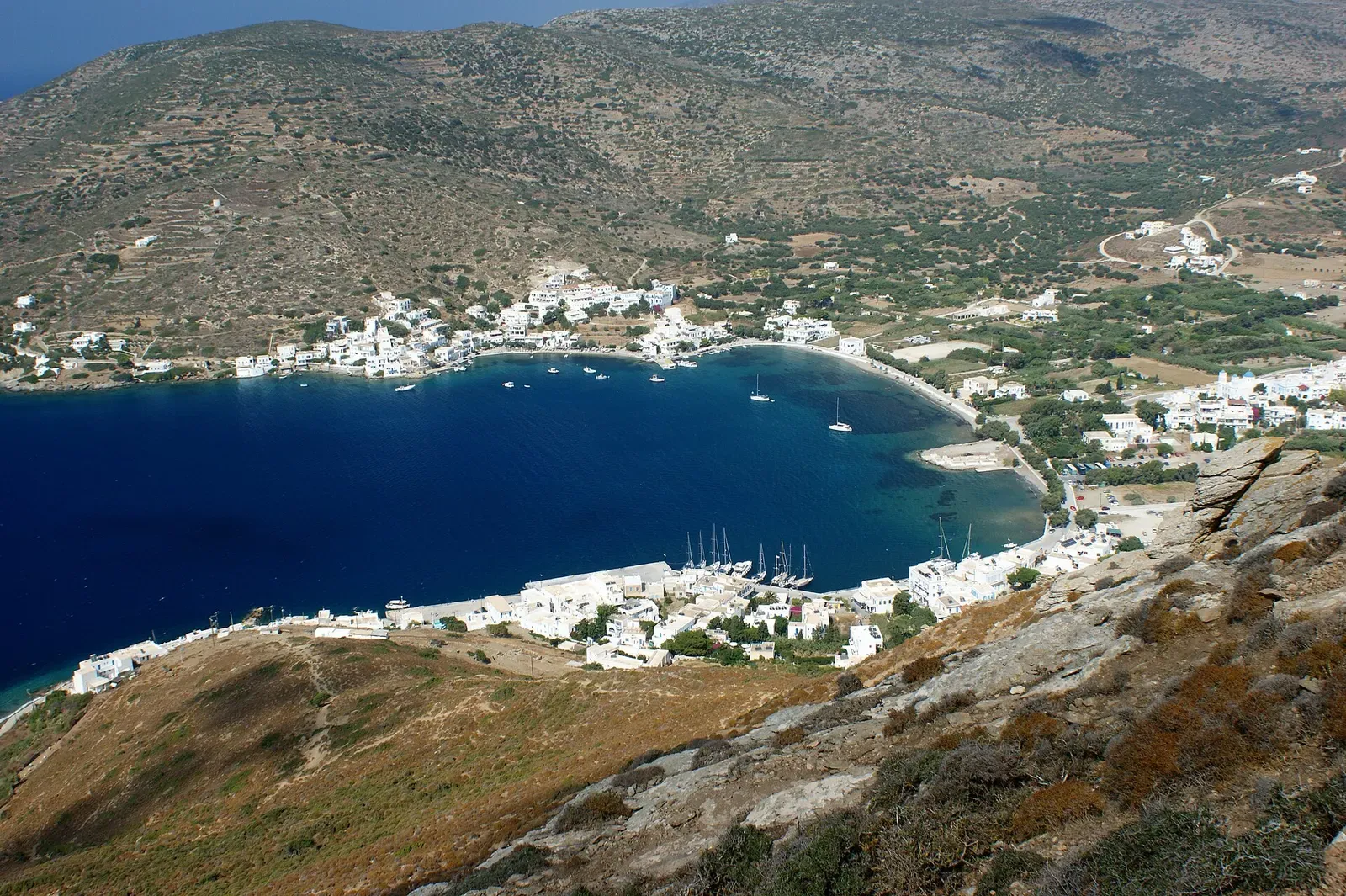
A 40 m wall under the monastery filmed in The Big Blue
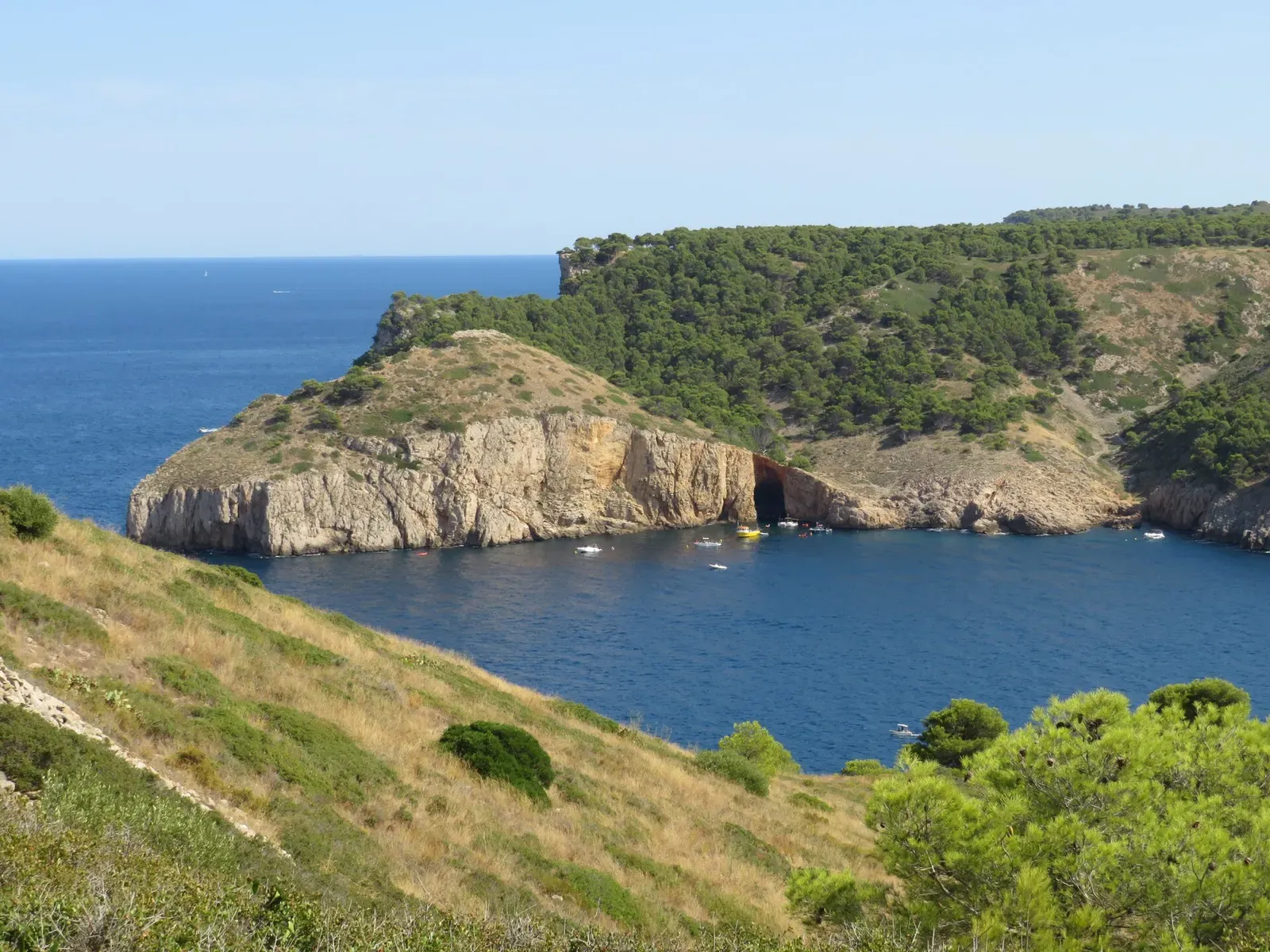
Tunnels, walls and a shallow wreck under the Montgrí cliffs, dived from L'Escala

Fossil elephant tusks inside a cave whose entrance is now at 10 m
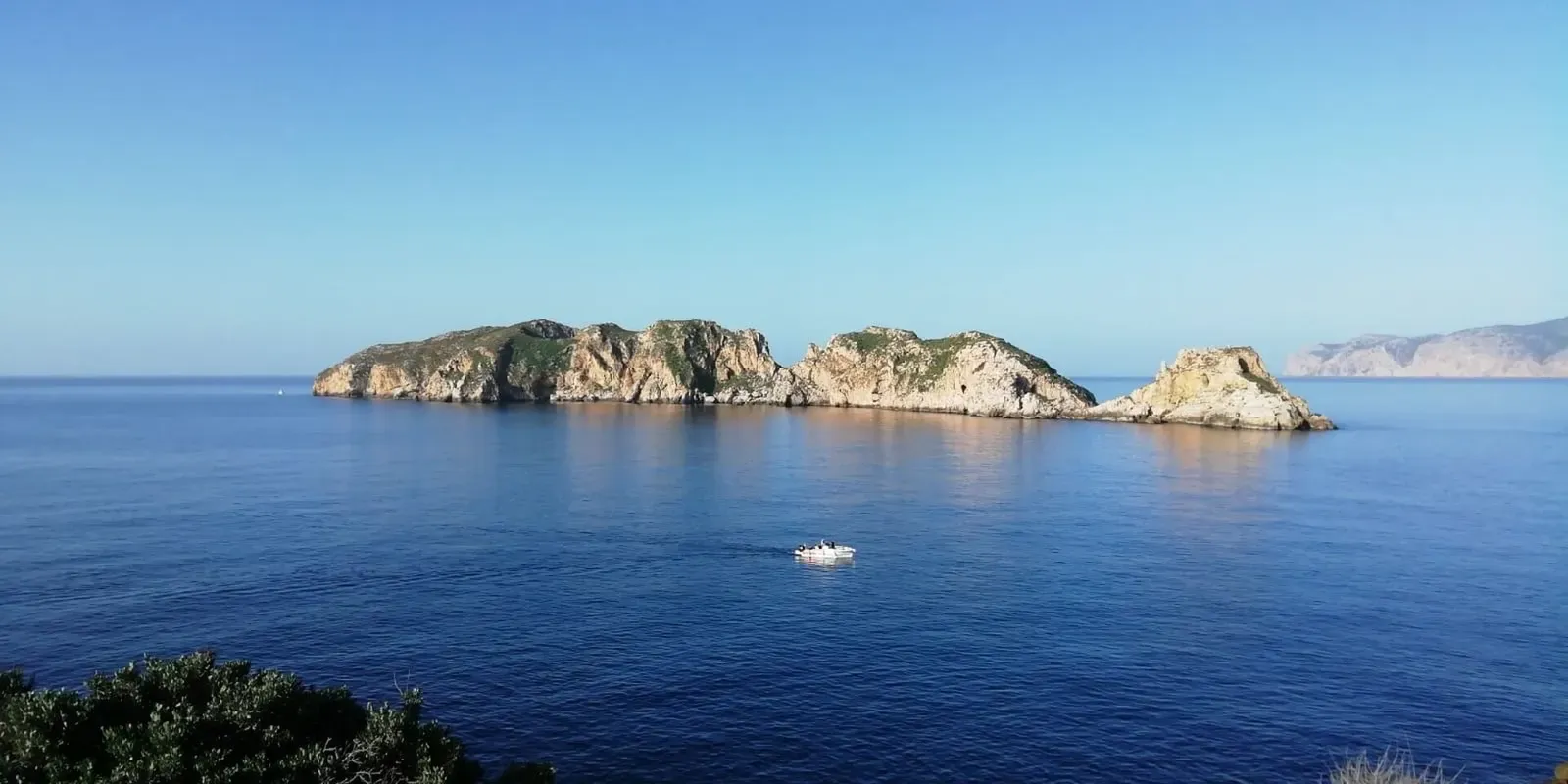
Large resident groupers on El Toro's reserve buoys, ten minutes from the marina