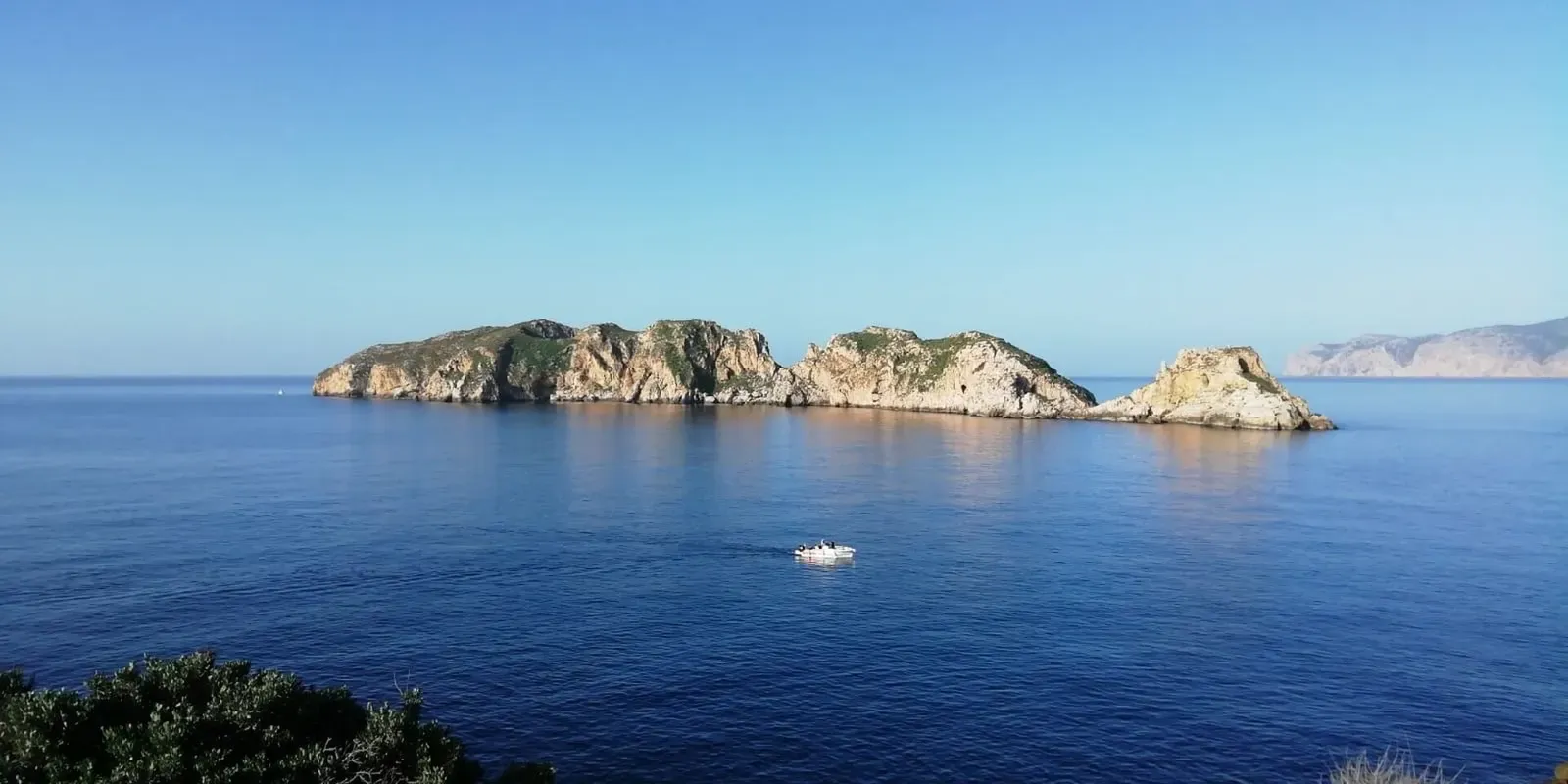
Mediterranean · Spain
Mallorca — Palma & the Southwest
Large resident groupers on El Toro's reserve buoys, ten minutes from the marina
Photo: Rafael Ortega Díaz · CC BY-SA 4.0
The southwest corner of Mallorca, from Palma's harbour wall round to Santa Ponça and Camp de Mar, is bay-and-reserve diving off a built-up coast. The El Toro and Malgrats islets, Balearic marine reserves since 2004 and since 2025 the two high-protection zones of the wider Illes del Ponent reserve, sit ten minutes by boat from the marinas and hold the large resident groupers, moray eels and barracuda schools. Off Porto Pi the 37 m cargo ship Playa Dorada lies at 27 m with three smaller wrecks beside it, and Caló des Monjo and Palma Caves add cavern swims lit from their entrances.
About diving in Mallorca — Palma & the Southwest
This is bay-and-reserve diving off the resort coast of Calvià and the western edge of Palma city, not a wilderness. The centres are at Port Adriano, the Santa Ponça marina, Camp de Mar, Palmanova and Puerto Portals, and the reserve islets, El Toro and the Malgrats, are about ten minutes out by boat, so a reserve dive is a short hop from the quay rather than a day at sea. Courses and first dives go in from the beach at Son Matias, in around 3 m of water, and at Camp de Mar, which also hosts the night dives. El Toro is dived only through the authorised local clubs, and in high season the bays carry enough boat traffic that it needs watching on ascent.
El Toro is dived from six numbered buoys, and buoys 3 and 4 on its eastern side hold large resident groupers; the deepest local site, Es Banc de S'Oll, runs from 8 to 30 m. The Malgrats are similar: moray eels, groupers, octopus, scorpionfish, amberjack and gilthead bream on rock where fishing has been restricted since the reserves were declared in 2004, with barracuda schooling above. Cala Vinyes and Cala Figuera are rocky walls, sand patches and small caves between 5 and 20 m, and Punta des Catius has a plateau at 8 m stepping off to 28 m where rays turn up sometimes. Off Palma's harbour breakwater lies the Playa Dorada, a 37 m cargo ship at 27 m, with three smaller wrecks beside it.
It suits divers on a resort holiday who want reserve fish without a long day: Open Water divers are well served on the buoys and in the coves, and beginners have sheltered beach entries for a first dive. The advanced material is real but limited. The Porto Pi wrecks at 27–28 m are for experienced divers only, Palma Caves is pitched at Advanced divers on a first cavern dive, and the strong currents and blue-water barracuda schools are at Dragonera, a separate reserve further west the same boats visit. Divers who want a national park with nothing built on the shore should look to the Cabrera Archipelago instead; the southwest centres run summer trips there, but it is a different day out.
When to dive Mallorca — Palma & the Southwest
| Jan | Feb | Mar | Apr | May | Jun | Jul | Aug | Sep | Oct | Nov | Dec |
|---|---|---|---|---|---|---|---|---|---|---|---|
| Off-season | Off-season | Fair | Good | Good | Prime | Prime | Prime | Prime | Good | Fair | Off-season |
One Santa Ponça centre runs daily April–October and weekends only Nov–Mar; May–Sep brings the calmest seas and warmest water, with leisure-boat traffic in the bays at the height of summer.
Dive types & marine life
Groupers are the most-logged species on this coast, moray eels close behind, and El Toro's eastern buoys hold large residents. Barracuda school regularly, with amberjack, octopus, scorpionfish, gilthead bream and nudibranchs on the reserve rock; rays turn up sometimes at Punta des Catius and readily over El Toro's posidonia. Life is densest in the reserve zones, where fishing is restricted.
- Reef
- Wall
- Wreck
- Cave & cavern
- Night
- Groupers
- Barracuda
- Octopus & cuttlefish
- Trevally & jacks
- Nudibranchs
Notable dive sites in Mallorca — Palma & the Southwest
Wall
Overhangs and rock walls to 20 m, good for finding octopus
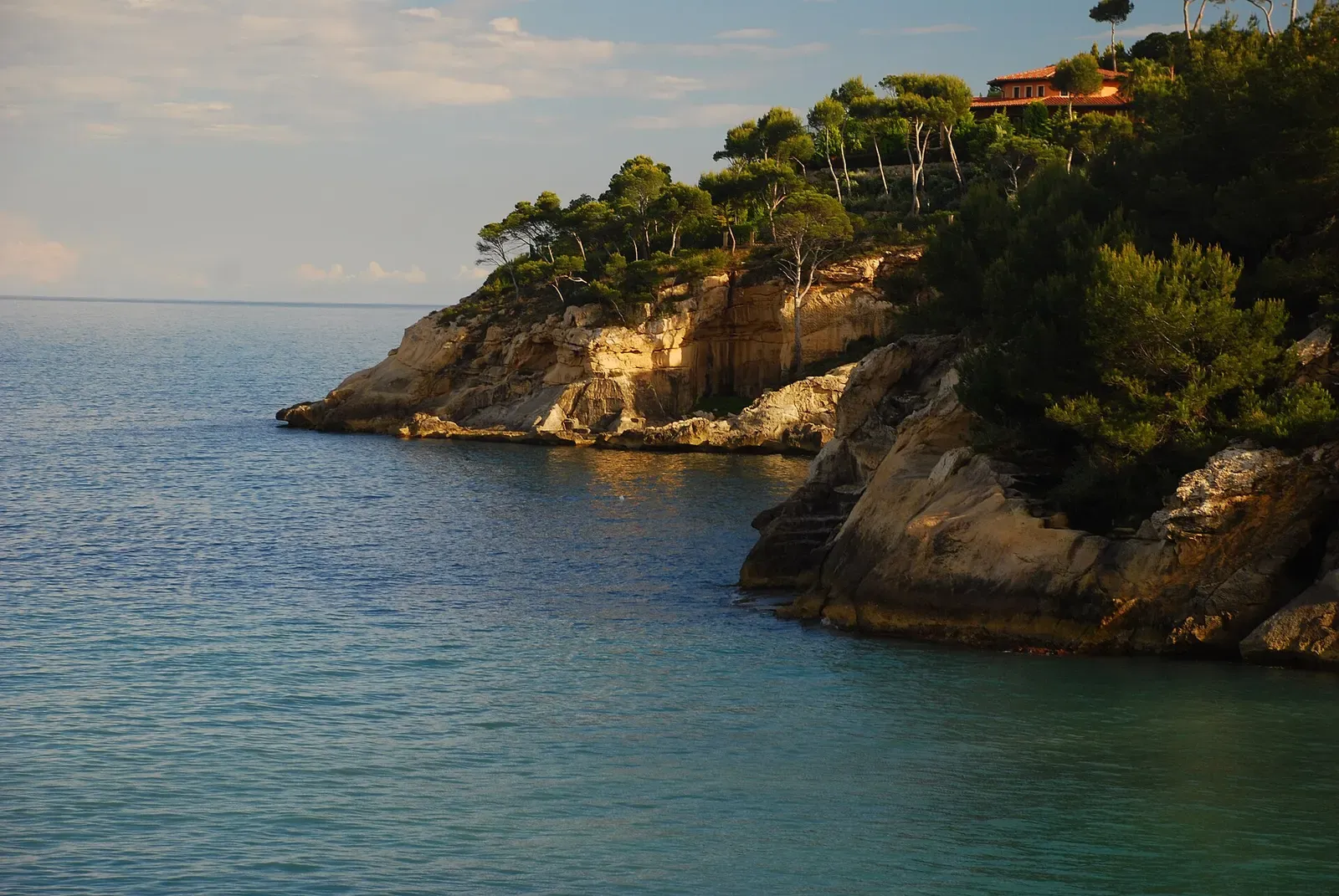
Rocky walls, sand and small caves in 5 to 20 m of calm water
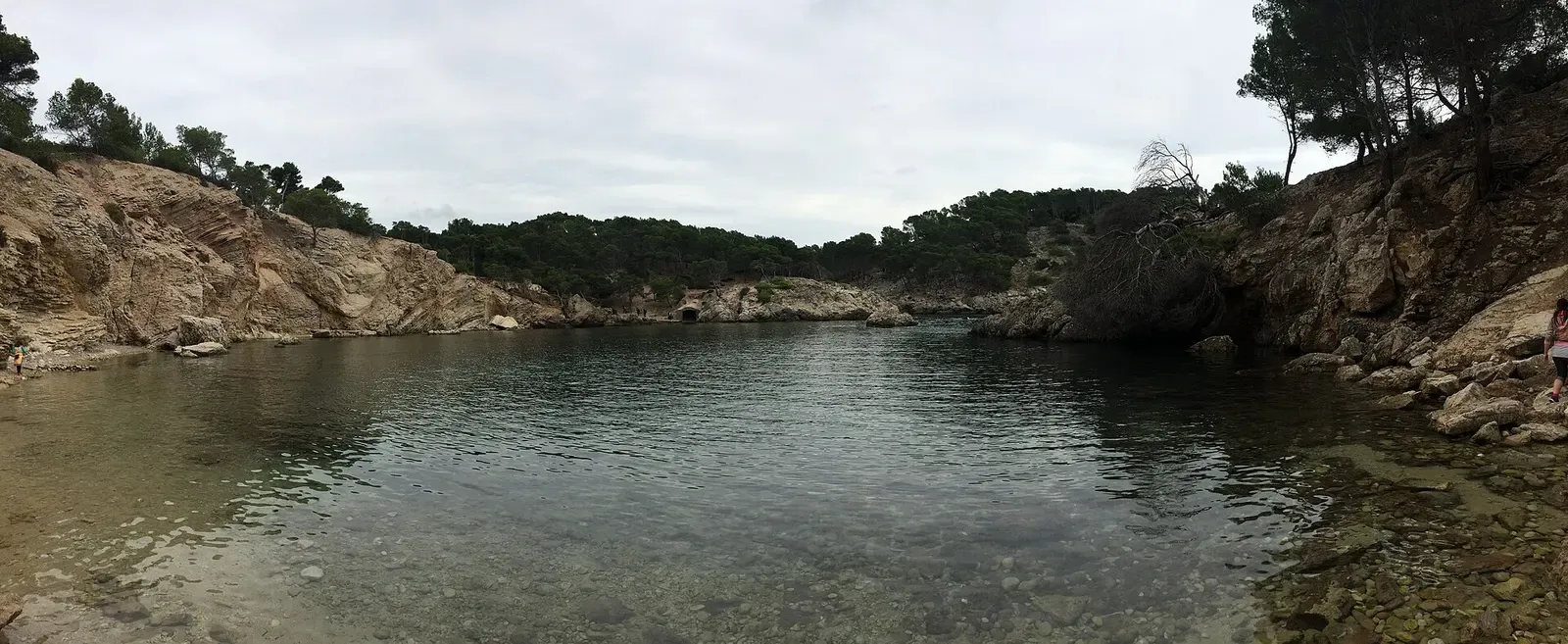
A 30 m tunnel through the cliffs from 6 m, plus a cavern with an air bubble
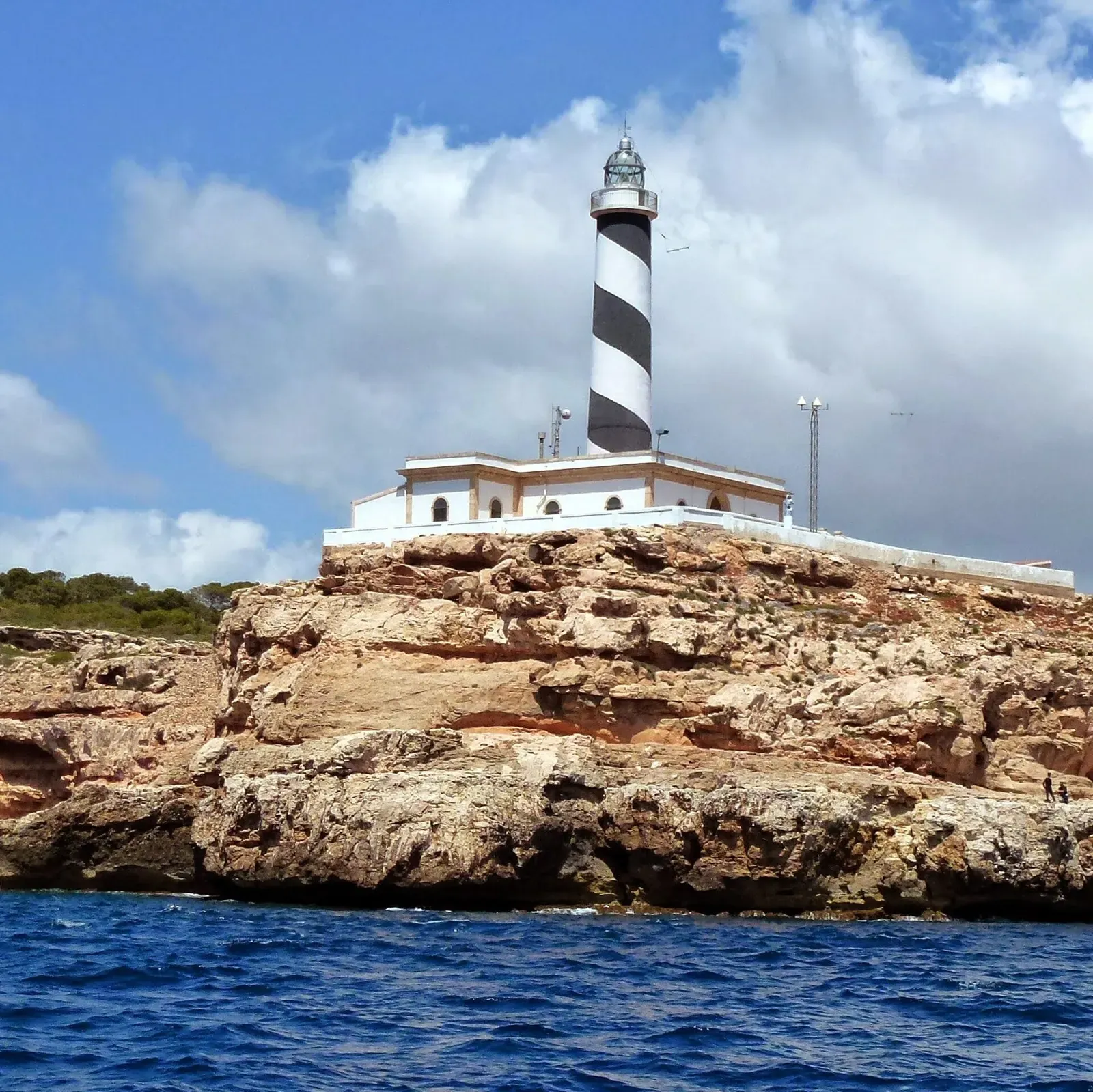
A plateau below the lighthouse with barracuda, groupers and cuttlefish
Reef
Rocky plateaus and small caves stepping from 8 m down to 30 m
Wreck
A small boat at 18 m with mast and boxes intact, two more hulls at 27 m
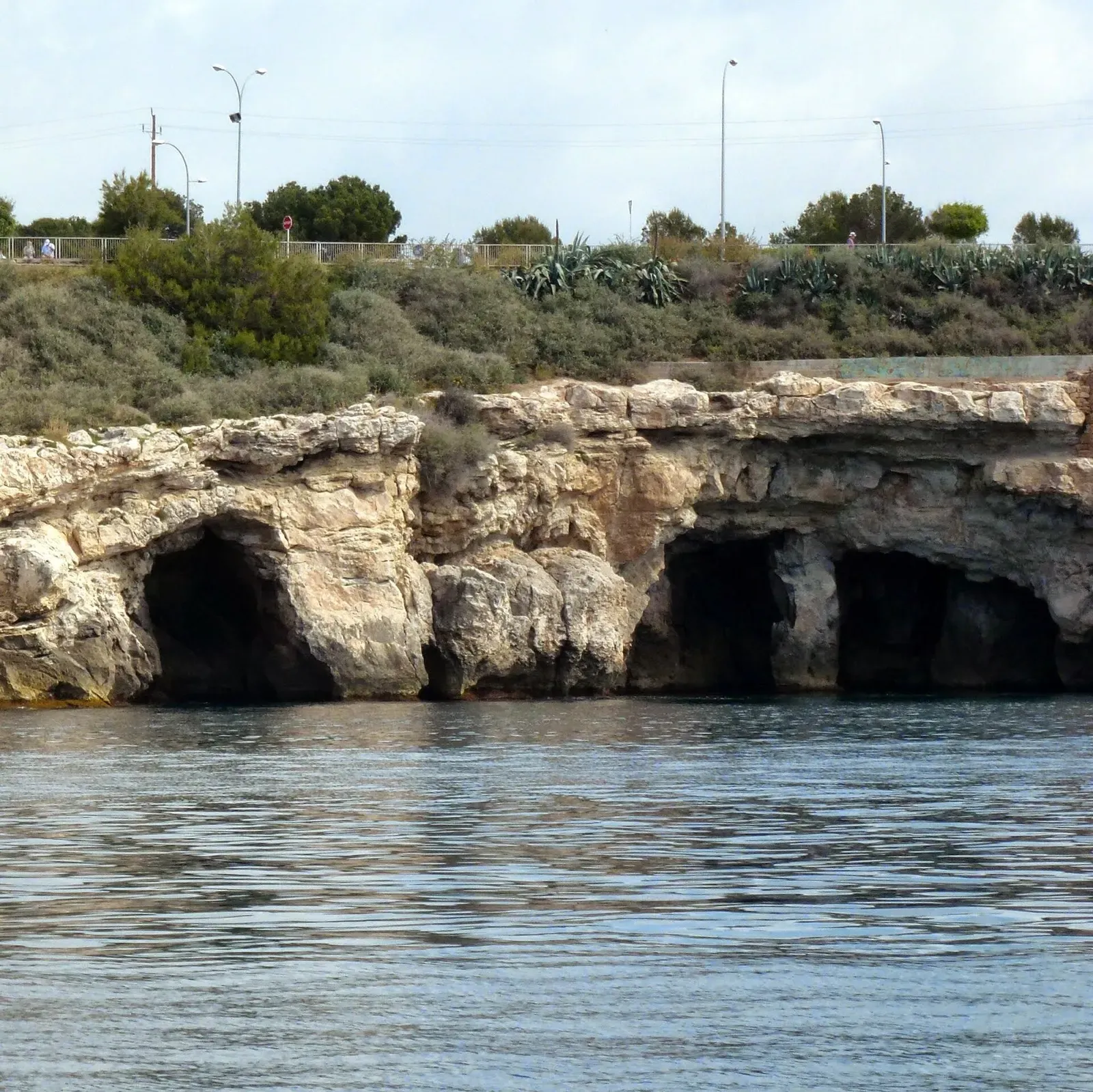
Cavern entrances at 8 m, with shrimps, lobsters and snake starfish inside
Reef
Tunnels through the rock, a small wreck and a plane wing between 6 and 35 m
Wreck
Four of Mallorca's largest wrecks together at 28 m off Palma harbour
Reef
A plateau at 8 m with a gateway down to 28 m where rays sometimes pass
El Toro
Six numbered reserve buoys off Port Adriano with large resident groupers; dived only through authorised clubs.
Malgrats Este
Eastern side of the Malgrats reserve: moray, grouper, octopus, scorpionfish, amberjack and nudibranchs on the rock.
Getting there
Fly into Palma de Mallorca airport, 8 km east of the city. Santa Ponça, the main dive hub, is about 18 km west of Palma by road, with centres at Port Adriano, the Santa Ponça marina, Camp de Mar, Palmanova and Puerto Portals; the reserve islets are a ten-minute boat ride from the marinas, and Palma has its own centres for the Porto Pi wrecks.
Photos from Mallorca — Palma & the Southwest
Rafael Ortega Díaz · CC BY-SA 4.0
Photo credits
- Two rocky islets of the Malgrats reserve rising from calm water off Santa Ponça by Rafael Ortega Díaz, CC BY-SA 4.0, via Wikimedia Commons
- Wide view of Santa Ponça's bay and hillside town from above by Rafael Ortega Díaz, CC BY-SA 4.0, via Wikimedia Commons
Similar destinations
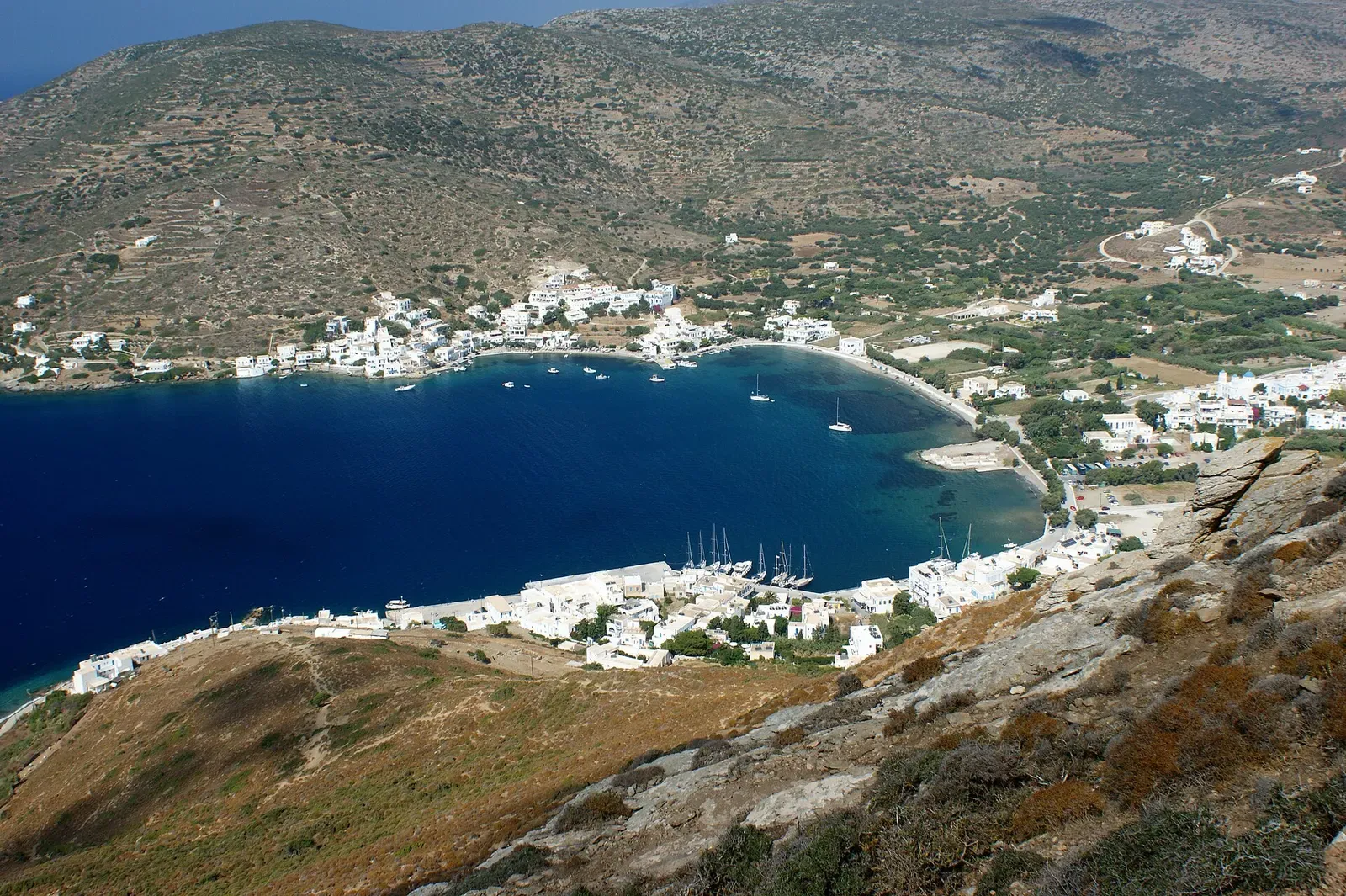
A 40 m wall under the monastery filmed in The Big Blue
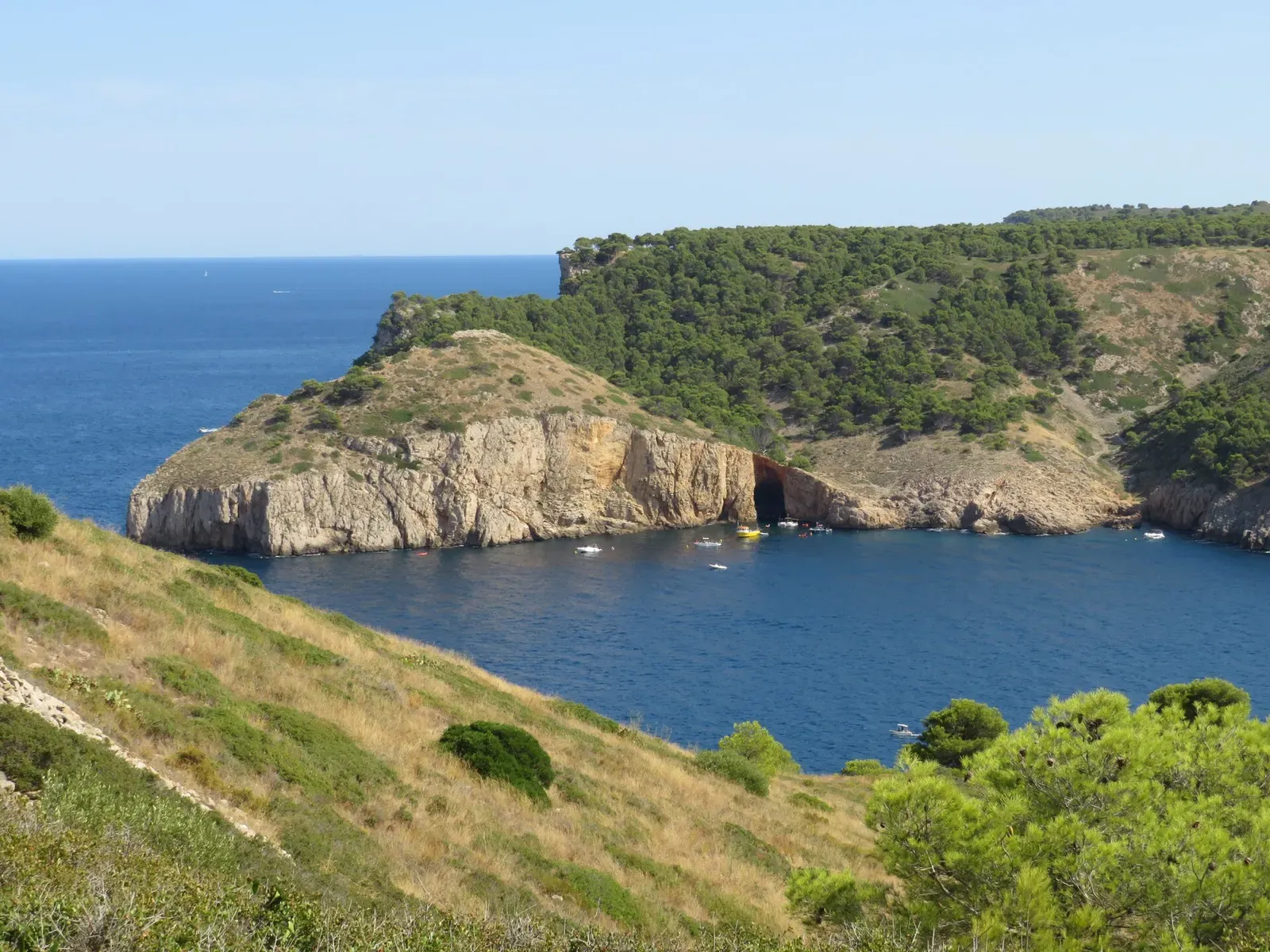
Tunnels, walls and a shallow wreck under the Montgrí cliffs, dived from L'Escala

Fossil elephant tusks inside a cave whose entrance is now at 10 m
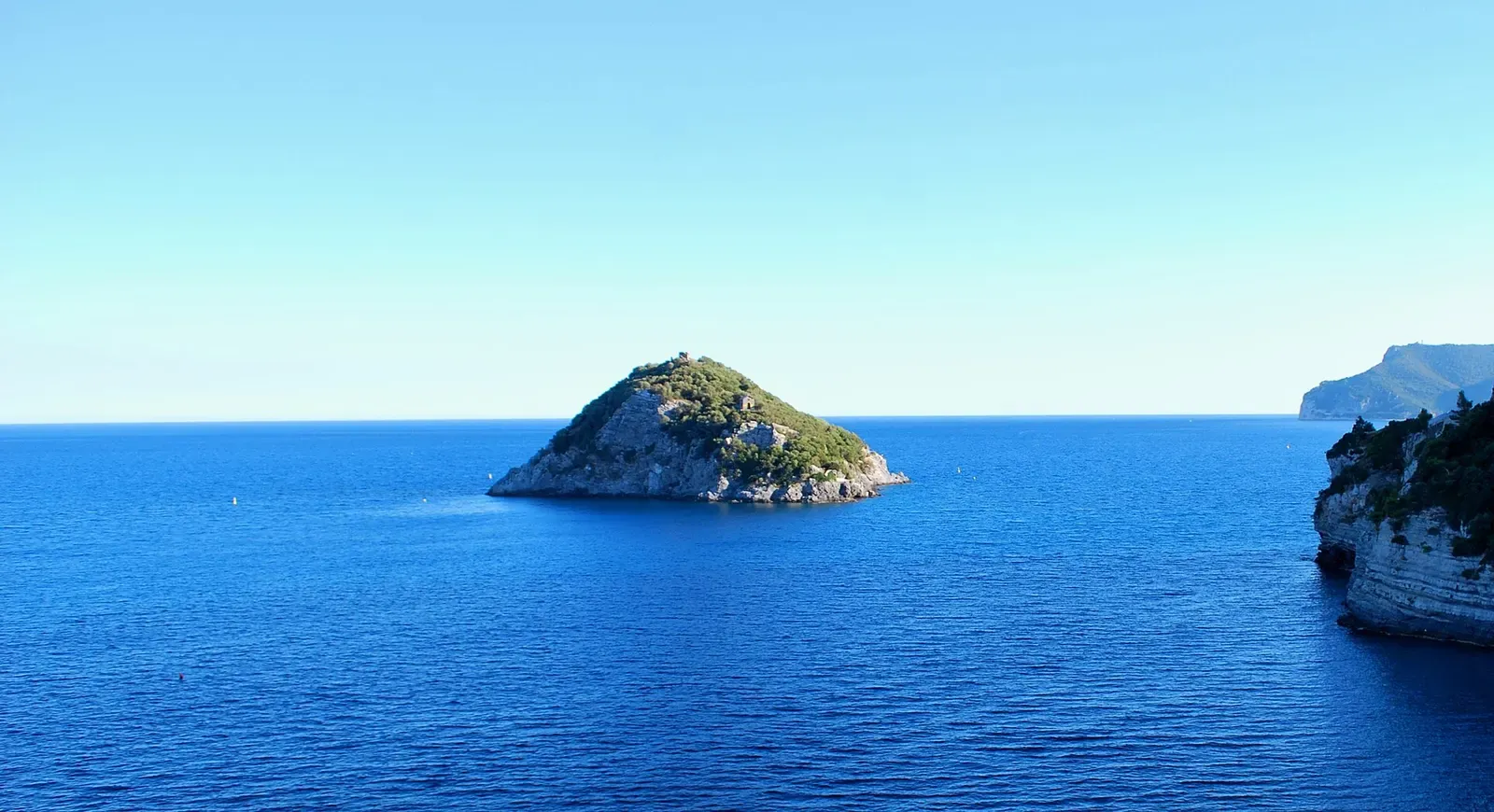


Reserve walls at Bergeggi island and cert-gated gorgonian secche offshore