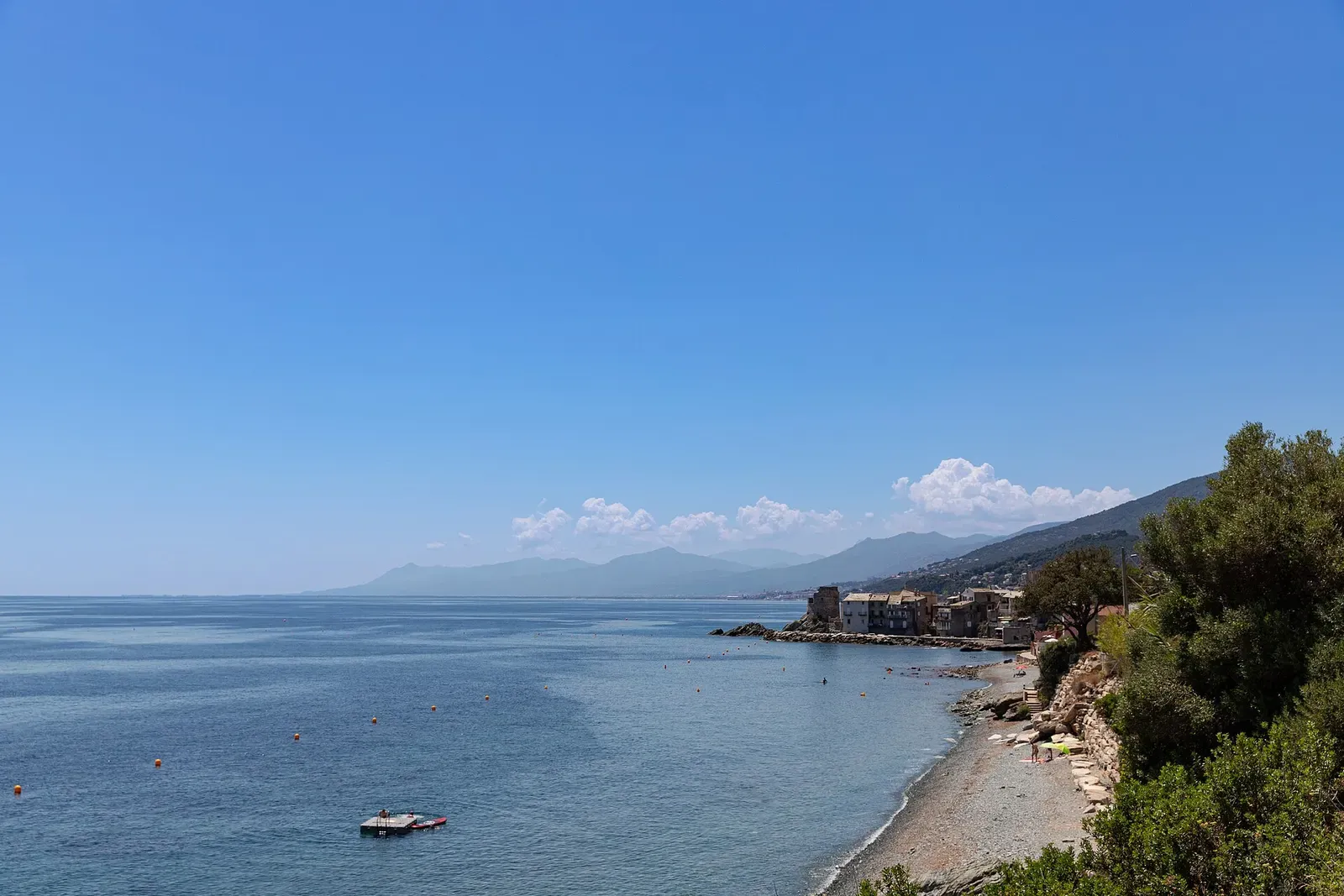
Bastia's two harbours and a beach base at Marine de Sisco put small day boats on a corridor of WWII wrecks and rocky pinnacles along the sheltered east side of Cap Corse. Two P-47 Thunderbolt fighters lie at 17 m off Miomo and 30 m off Santa Severa, the 1860 steamship La Louise rests on the approach to Bastia's port, and the rock sites — Scogliu's tunnels, the Cinquini pinnacle, U Rigonne's grouper rock — work between 20 and 44 m inside the largest marine park in metropolitan France.
About diving in Bastia & Cap Corse (East Coast)
Diving here runs out of a working town rather than a resort. Corsica Sub loads its 20-place semi-rigid Napadelis in Bastia's Vieux Port, Toga Plongée works from the Port de Toga marina five minutes from Place Saint-Nicolas, and Dollfin operates from a beachfront base at Marine de Sisco a few kilometres north. The sites string along the coast road, and two of them skip the boat entirely — Grigione is entered straight off the D80 and the Miomo P-47 is about 200 m from shore. The whole corridor sits inside the Parc naturel marin du Cap Corse et de l'Agriate, so a regulation dive flag is mandatory and the park's no-touch, no-feed rules apply throughout.
The seabed is rock and sand, and the diving splits between rocks and wrecks. The named rock sites mostly sit deeper than the shore reefs — Scogliu's tunnels and faults at 26–38 m, the Cinquini pinnacle rising from 44 m to 22 m off the harbour mouth, U Rigonne's grouper rock at 35 m off Erbalunga — while Cap Sagro slopes gently from 2 to 12 m for the easy days. The wreck list is long for a small area: P-47 fighters off Miomo and Santa Severa, the 1860 steamship La Louise, the 35 m yacht L'Insuma, and the B26 bomber at 63 m. Grouper families hold several of the rocks, with octopus, nudibranchs, a barracuda school and protected giant fan mussels recorded at Minelli 35.
This is a small-club coast — three or four independent centres and none of the tourist diving footprint of the island's famous names — and it suits divers who value quiet boats and a long wreck list. Beginners get genuine shore sites, and the local schools teach the full French Level 1–3 ladder, so the deeper grades can be earned on the spot rather than brought along; the 63 m B26 de Lavasina stays gated to CMAS*** with Rescue. Divers after habituated big grouper or a livelier dive-travel scene are better served elsewhere on Corsica — Calvi and the Revellata in the northwest, or Lavezzi in the far south.
When to dive Bastia & Cap Corse (East Coast)
| Jan | Feb | Mar | Apr | May | Jun | Jul | Aug | Sep | Oct | Nov | Dec |
|---|---|---|---|---|---|---|---|---|---|---|---|
| Fair | Fair | Fair | Fair | Good | Prime | Prime | Prime | Prime | Good | Fair | Fair |
Centres run year round, but the sea tops 20 °C only from June to October; January–March sit at 14–15 °C.
Dive types & marine life
Grouper are the reliable sighting, with resident families at U Rigonne and Minelli 35, big grouper at Dionysos, and morays alongside them at Roche Nathalie. Minelli 35 adds octopus, nudibranchs, a barracuda school and protected giant fan mussels. No shark, ray or dolphin sightings are reported for this corridor.
- Reef
- Wreck
- Groupers
- Barracuda
- Octopus & cuttlefish
- Nudibranchs
Notable dive sites in Bastia & Cap Corse (East Coast)
Wreck
A WWII bomber, 'Yehunde', on the seabed at 63 m
Reef
A 2–12 m slope with a colourful drop-off at the surface
Pinnacle
A rocky peak off Bastia's harbour mouth, 22 m down to 44 m
Reef
Imposing grouper circle the rocks down to 35 m
Reef
Grouper, barracuda and fan mussels on rocks at 18–20 m
Reef
Rocks from 8 to 35 m with grouper, barracuda and fan mussels
A WWII fighter at 19 m, cockpit canopy still open
Wreck
A second WWII fighter at 30 m, ringed by thirty corb
Pinnacle
A big rock at 16 m with grouper, morays and John Dory
Reef
Tunnels and faults at 26–38 m, home to grouper and corb
Reef
Three big rocks linked by a posidonia field, 15–35 m
Pinnacle
A grouper family holds one rock at 35 m off Erbalunga
La Louise
55 m steamship lost in an 1860 storm trying to reach the Port of Bastia.
Getting there
Bastia–Poretta Airport is 17 km south at Lucciana, with direct flights from Paris, London-Gatwick and German hubs; Bastia is also France's busiest Mediterranean ferry port, with sailings from mainland France and Italy. Centres sit in the Vieux Port, at Port de Toga and at Marine de Sisco, a short drive north up the D80.
Photos from Bastia & Cap Corse (East Coast)
Nacaru · CC BY-SA 4.0
JAn Dudík · CC BY-SA 3.0
Pierre Bona · CC BY-SA 3.0
Pierre Bona · CC BY-SA 3.0
Photo credits
- Aerial view of Erbalunga's small beach, moored boats and houses along the shore by dronepicr, CC BY 2.0, via Wikimedia Commons
- Panoramic view along Cap Corse's mountainous coastline at sunset by Nacaru, CC BY-SA 4.0, via Wikimedia Commons
- Rocky headland with a stone tower and white houses above the sea near Bastia by JAn Dudík, CC BY-SA 3.0, via Wikimedia Commons
- Panorama of Erbalunga's white houses strung along the Mediterranean shoreline by Pierre Bona, CC BY-SA 3.0, via Wikimedia Commons
- Genoese watchtower standing on a rocky point in the sea at Erbalunga by Pierre Bona, CC BY-SA 3.0, via Wikimedia Commons
Similar destinations

Four thousand Classical amphorae still stacked on the seabed at 25 m
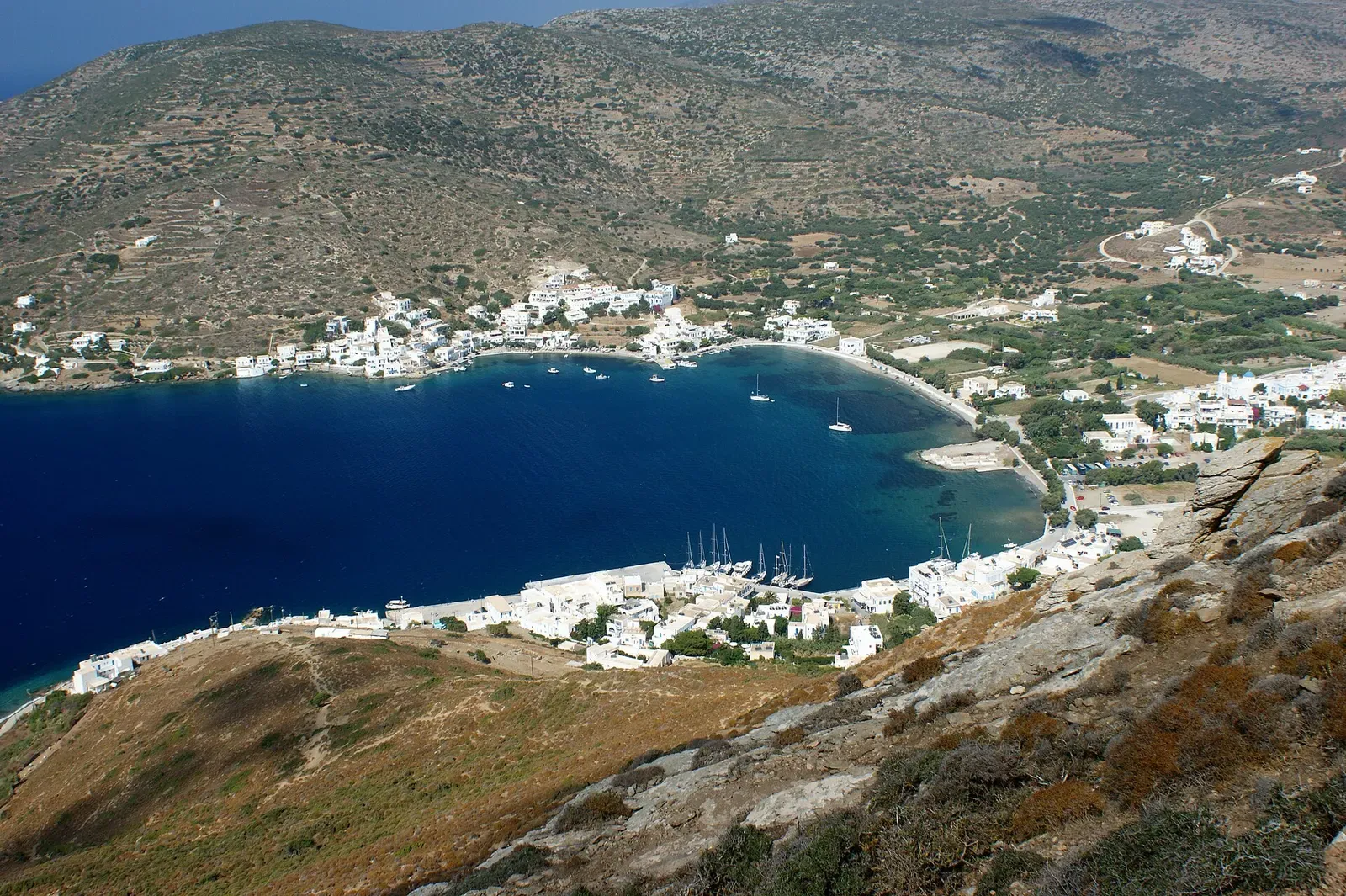
A 40 m wall under the monastery filmed in The Big Blue
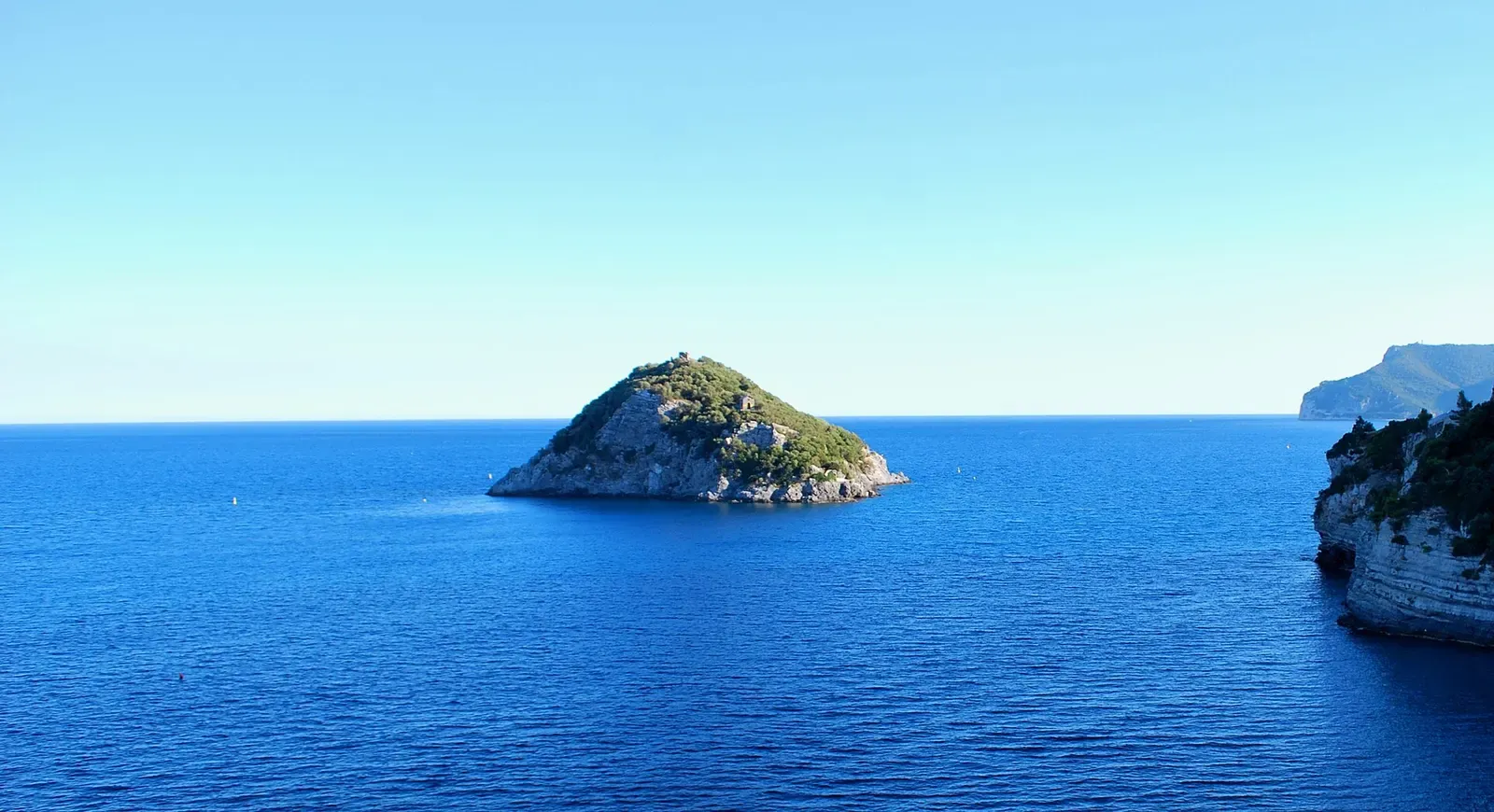
Reserve walls at Bergeggi island and cert-gated gorgonian secche offshore

.jpg)


A hot spring vents into the sea off Karaada's caves