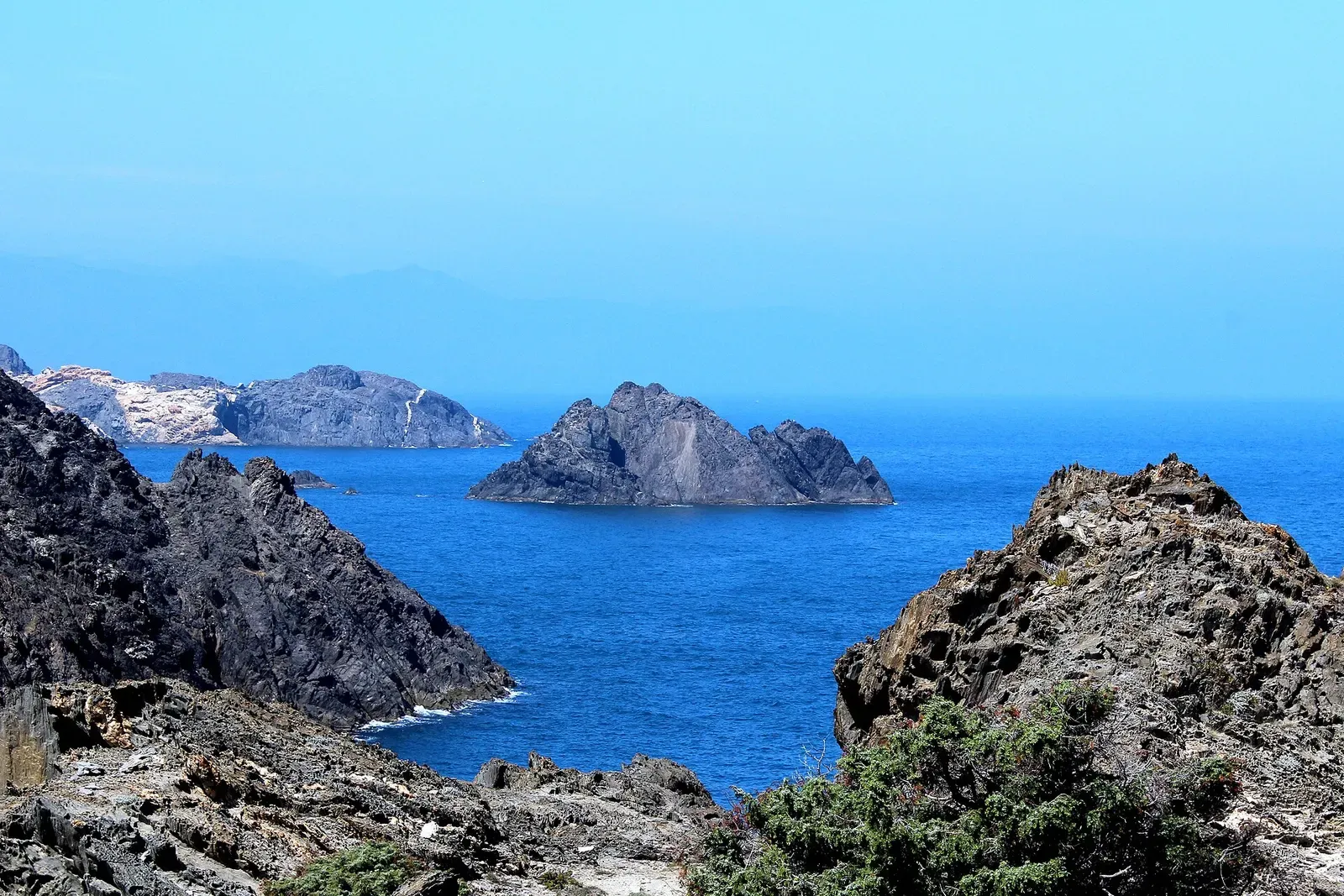
Cap de Creus · Spain · Wall · Reef
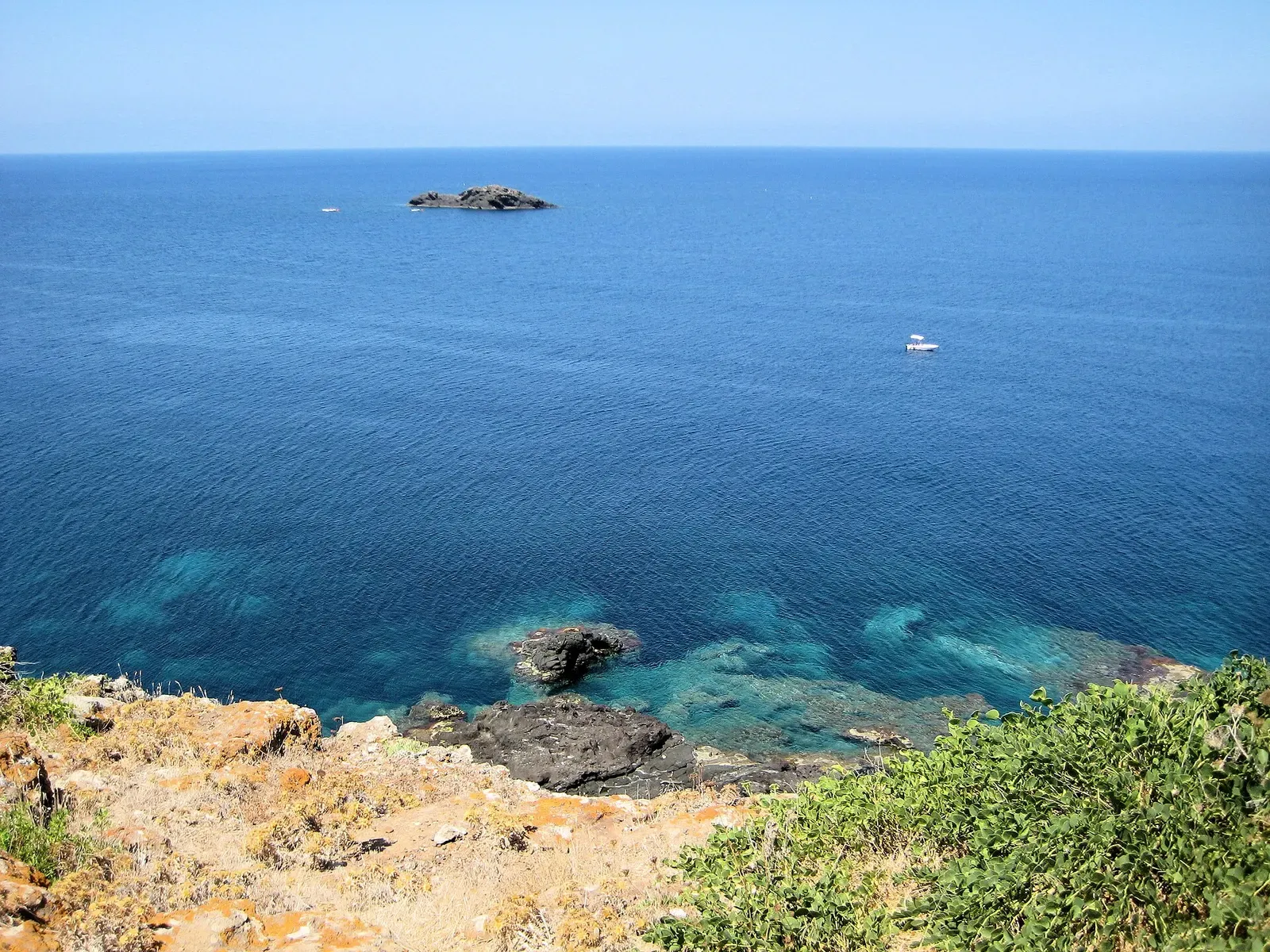
Illa Portaló
Gorgonian walls in the lee of the tramuntana
Photo: Maria planas aulet · CC BY-SA 3.0
An islet north of Cadaqués, inside the Parc Natural del Cap de Creus, dived on its southern side from 8 m down to 40 m. The walls are covered with gorgonians and the ground between them is rich in benthic life, with red coral, brown meagre, moray eels and lobsters in the rock. The Woodside, a wrecked steamer, lies at about 20 m in the passage alongside.
Also known as Illa de Portaló, El Portaló.
Where it is and how deep
42.3272° N, 3.2878° EApproximate position — the dashed circle shows where the site lies; your operator's briefing has the mooring.
The dive
The dive works the ground south of the Illa de Portaló, inside the Parc Natural del Cap de Creus. It is a versatile site rather than a single feature: the rock runs from 8 m down to 40 m, so the profile depends on the group, and the walls are covered with gorgonians while the areas between them are rich in benthic life. The islet gives good shelter from the tramuntana, which is why it stays dived on days the exposed side of the cape does not.
On the walls, red gorgonians and red coral are what slow the dive down, and brown meagre, moray eels and lobsters hold in the rock behind them. The published description runs the life from the shallow areas out to deep blocks with great benthic diversity, so the top of the rock is worth keeping for the end of the dive rather than crossing at the start on the way to depth.
The Woodside is dived from the same waters and is a classic point in its own right: the remains of an English steamer whose structure rests at about 20 m, in the middle of the passage between the islet of Es Xiulet and Cala Cadena, near Illa de Portaló. Corrosion has taken much of the ship, but parts of the structure and the boiler area are still there, with congers, lobsters and sargos living in it as they do in the rocky bottom around it.
Marine life and season
- Macro critters
| Jan | Feb | Mar | Apr | May | Jun | Jul | Aug | Sep | Oct | Nov | Dec |
|---|---|---|---|---|---|---|---|---|---|---|---|
| Fair | Fair | Fair | Good | Good | Prime | Prime | Prime | Prime | Good | Fair | Fair |
Season follows Cap de Creus: Jun–Sep is warmest and calmest; the Tramuntana blows hardest in winter and spring and regularly cancels boats for days at a time.
Know before you go
- Boats run over the passage where the Woodside lies, so if the wreck is in the plan, ascend on a line or under a marker and keep to the surface-signalling protocol.
Questions divers ask
How deep is Illa Portaló?+
It is published as a versatile dive from 8 to 40 m, with the gorgonian-covered walls at the deeper end. The Woodside wreck, in the passage alongside, rests at about 20 m.
Sources
- Illa de Portaló — Scubago
- Portaló cove in Cadaqués — Visit Costa Brava
- Buceo en Cadaqués — Turisme Cadaqués
Photo credits
- Rocky islets of Illa Portaló rising from deep blue water off the Cap de Creus coast by Maria planas aulet, CC BY-SA 3.0, via Wikimedia Commons
More dive sites in Cap de Creus
Reef
A giant anchor and its chain links lying at 21 m
Sand, coralligenous and rock between 12 and 30 m
Seamount
The park's only offshore seamount, 8 m to 60 m
Circle the reef from 18 to 32 m, with the Phedon's remains on it
Seamount
Seamount rock from 5 m to past 40 m, gorgonians throughout
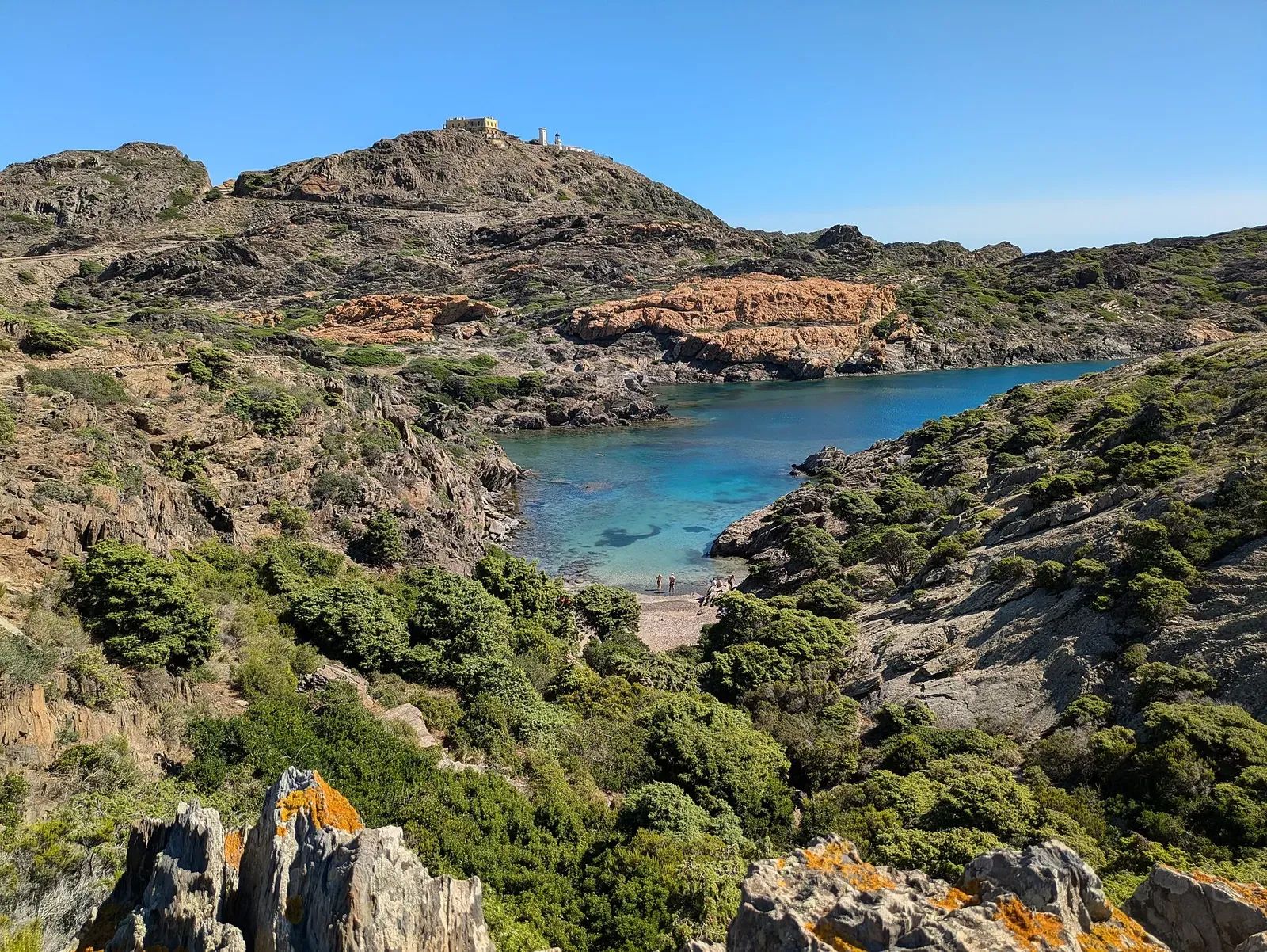
A marine-reserve cove under the Cap de Creus lighthouse
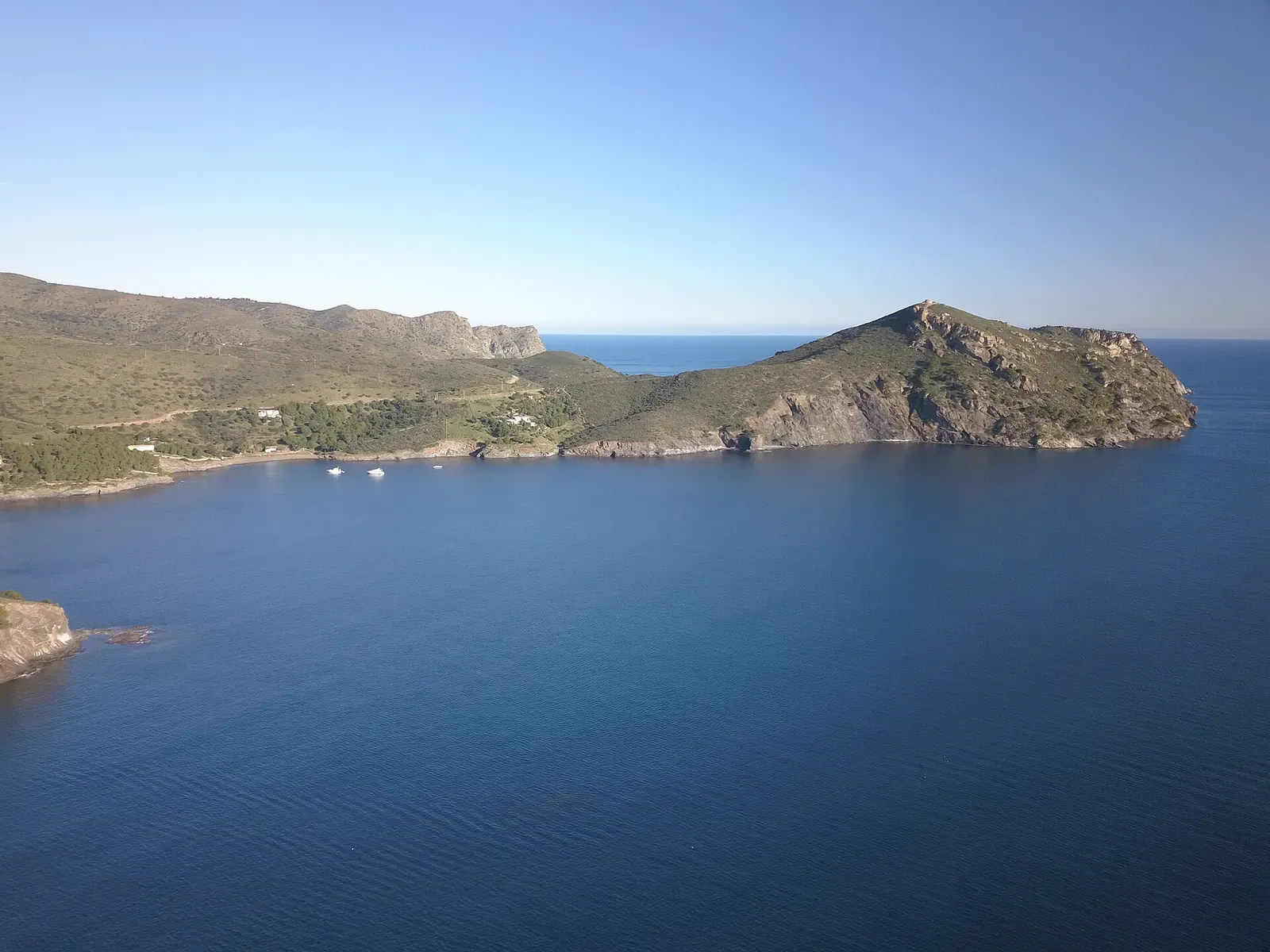
The park's best-known walls, and a cave with an air pocket
Reef
A 40 m canyon at the end of a 5 to 20 m drop-off
Similar dives elsewhere
A 9 to 42 m wall and a 0 to 15 m beginner section

A shrimp-filled cave at 37 m under a rock headland
Tunnels, canyons and walls down to a plateau facing open water


One large black-coral branch grows among the gorgonians