
Cap de Creus · Spain · Seamount · Pelagic & blue water
Bau de fora
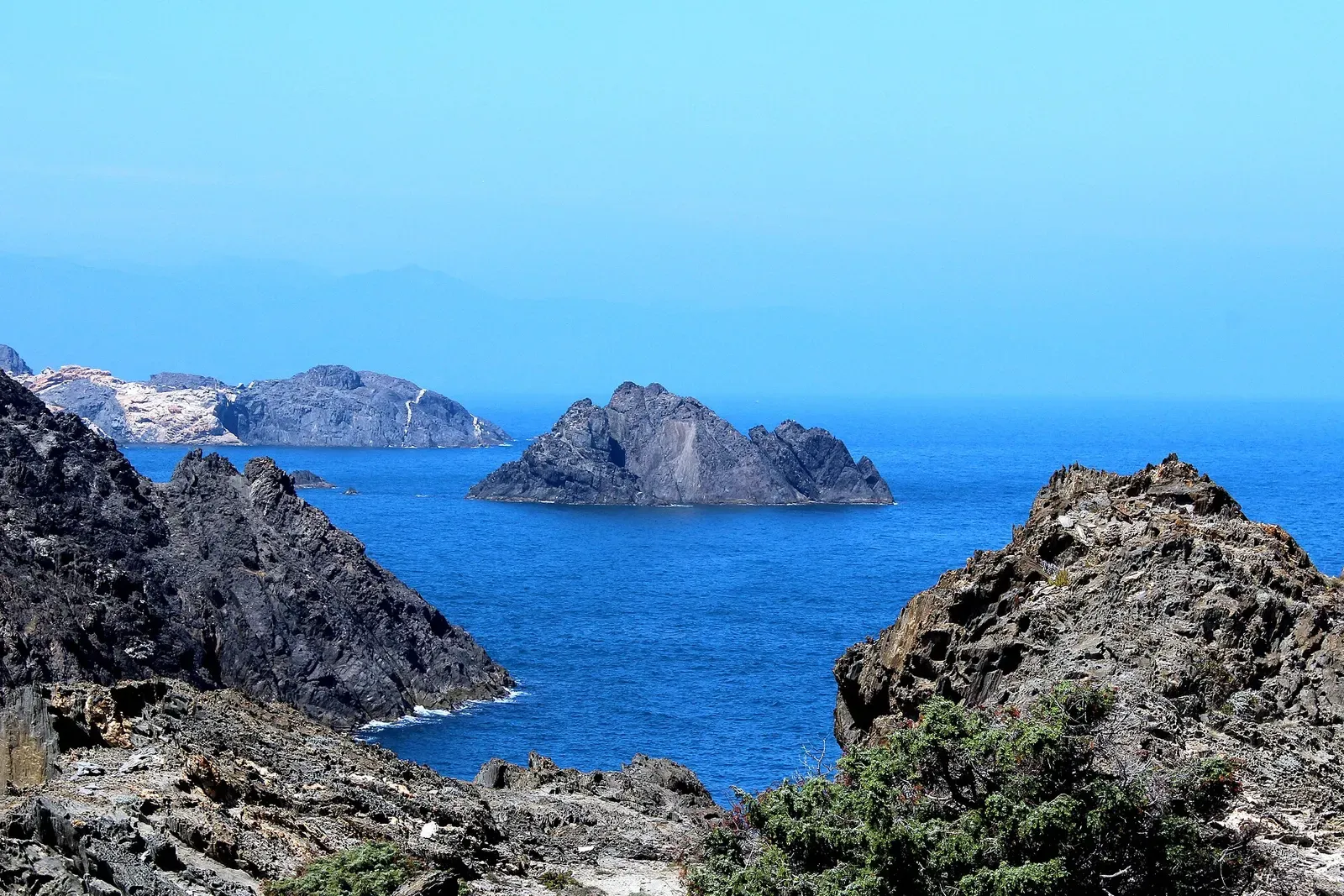
The park's only offshore seamount, 8 m to 60 m
Area photo: Alan Mattingly · CC0
The one offshore seamount inside the Cap de Creus Natural Park that is used for diving, rising in open water and dropping steeply from 8 m to 60 m. It is a demanding dive, exposed to both current and swell, and the payoff is the density of life on it: gorgonians and red coral on the rock, pelagic and benthic fish over it, with tuna and sunfish passing through.
Where it is and how deep
42.3322° N, 3.2994° EPublished position for this site.
The dive
Everything about this dive follows from where it is. Bau de fora stands in open sea inside the natural park and is the only seamount far from the coast that gets dived here, so the descent is made in open water onto the rock, with nothing to shelter behind at the surface. From the crown at 8 m the flanks fall steeply away to 60 m, and the team decides early how far down that slope the dive will go.
The rock carries the biological richness the site is known for. Gorgonians and red coral grow across it, with Gorgonocephalus basket stars among the species recorded on the site, and benthic fish work the crevices while pelagic schools hold above the crown, with tuna and the occasional mola mola cruising the blue alongside it.
Conditions decide whether the dive happens at all. The site is exposed to current and waves, which is why it is described as demanding rather than merely deep, and an offshore pinnacle gives no lee to shelter behind if the sea gets up while you are down. Plan a conservative profile, stay with the rock rather than drifting off it, and be ready to surface where the boat can see you.
Marine life and season
- Tuna
- Mola mola
| Jan | Feb | Mar | Apr | May | Jun | Jul | Aug | Sep | Oct | Nov | Dec |
|---|---|---|---|---|---|---|---|---|---|---|---|
| Fair | Fair | Fair | Good | Good | Prime | Prime | Prime | Prime | Good | Fair | Fair |
Season follows Cap de Creus: Jun–Sep is warmest and calmest; the Tramuntana blows hardest in winter and spring and regularly cancels boats for days at a time.
Know before you go
- Exposed to current and waves in open sea: there is no sheltered side to retreat to, so surface conditions have to be judged before the descent, not after it.
- The drop runs to 60 m and the crown is at 8 m: it is easy to sink further than planned on a steep wall, so set a hard depth limit before entering the water.
Questions divers ask
Is Bau de fora a beginner dive?+
No. It is an offshore seamount exposed to current and waves, with a steep drop from 8 m to 60 m, and the catalogue calls it a demanding dive. Divers need current experience and a firmly set depth limit.
Sources
- Bau de fora — Scubago (SSI MyDiveGuide) — Scubago / SSI
More dive sites in Cap de Creus
Reef
Protected island rock from 12 m to past 40 m
Pinnacle
Up to 25 large dusky groupers on one offshore pinnacle
Canyons, rifts and drop-offs between 10 and 30 m
Wall
Fast drop-off onto a gorgonian platform at 30 m
Gorgonian walls in the lee of the tramuntana
Seamount
Seamount rock from 5 m to past 40 m, gorgonians throughout
Pinnacle
Maze-like rock stacks full of red sea fans to 40 m
Reef
A giant anchor and its chain links lying at 21 m
Similar dives elsewhere
Seamount
Secca del Capo
Filicudi & Salina · Italy
Large groupers living in a rockfall of boulders on an open-sea shoal
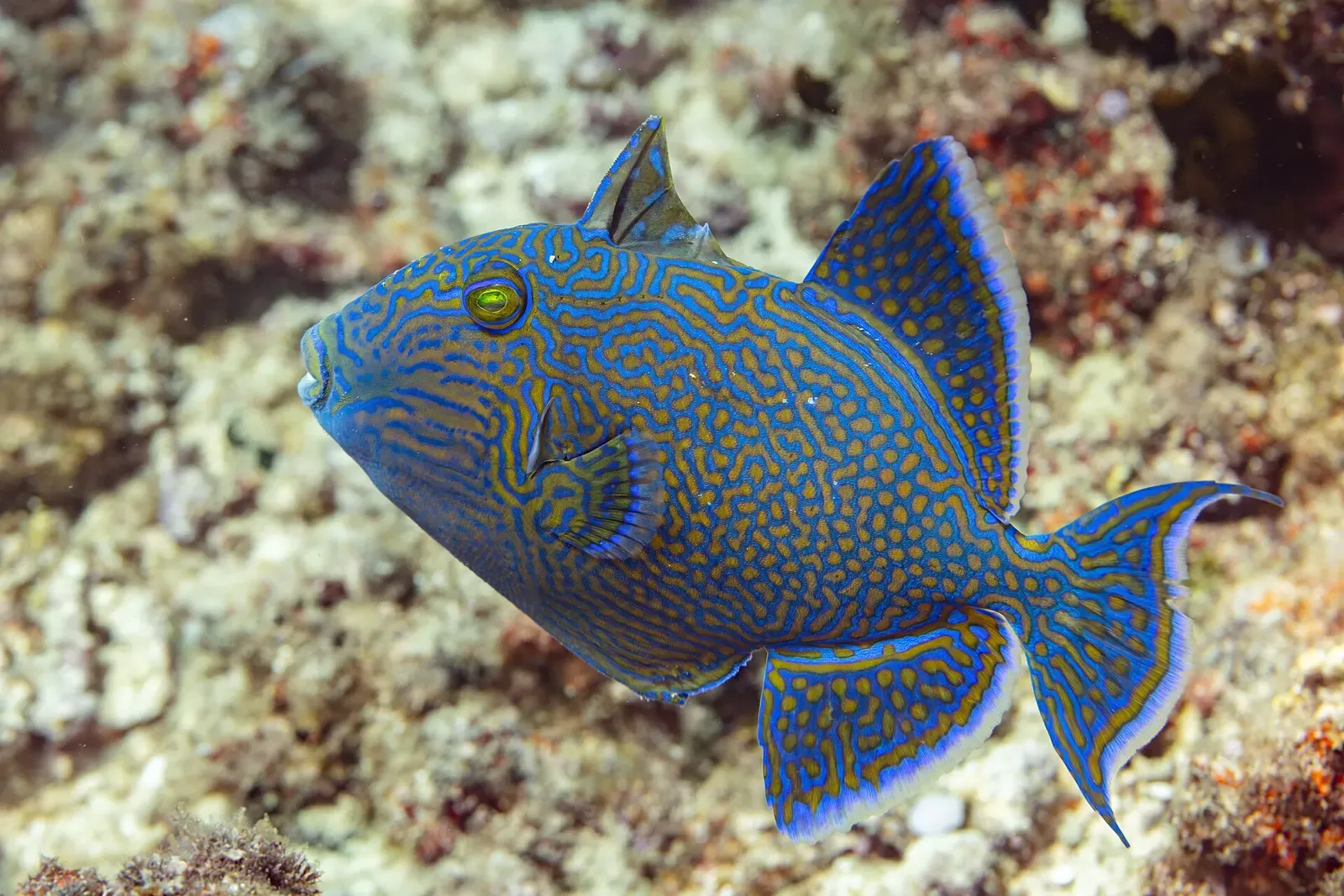
A 500 m dome where grey reef and leopard sharks patrol the slopes

A submerged mountain from 55 m to 3 m, four hulls on its flanks
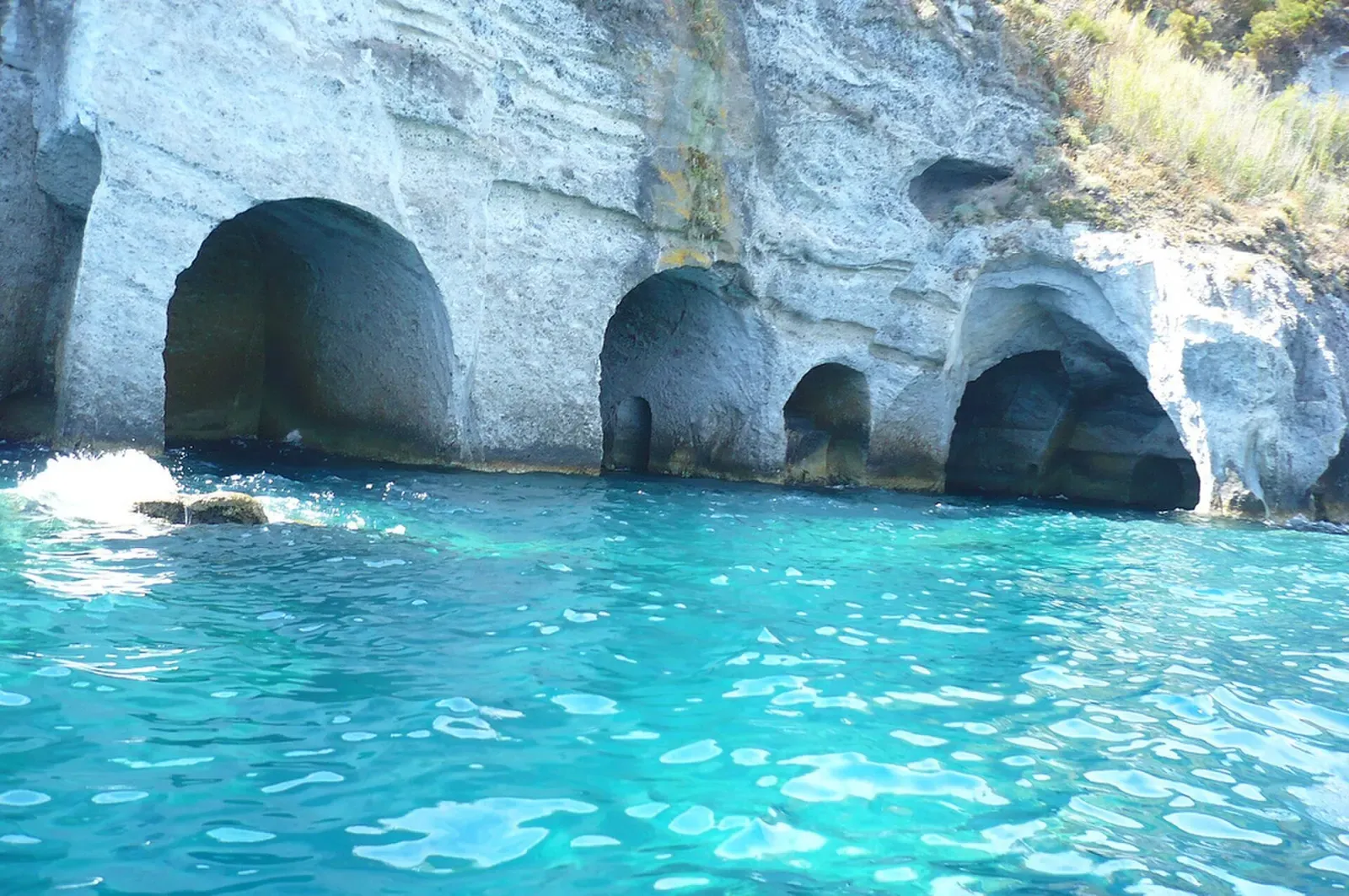

A meadow of red gorgonians on a current-swept shoal from 27 to 62 m