
Cap de Creus · Spain · Pinnacle · Wall
Massa d'Or
Up to 25 large dusky groupers on one offshore pinnacle
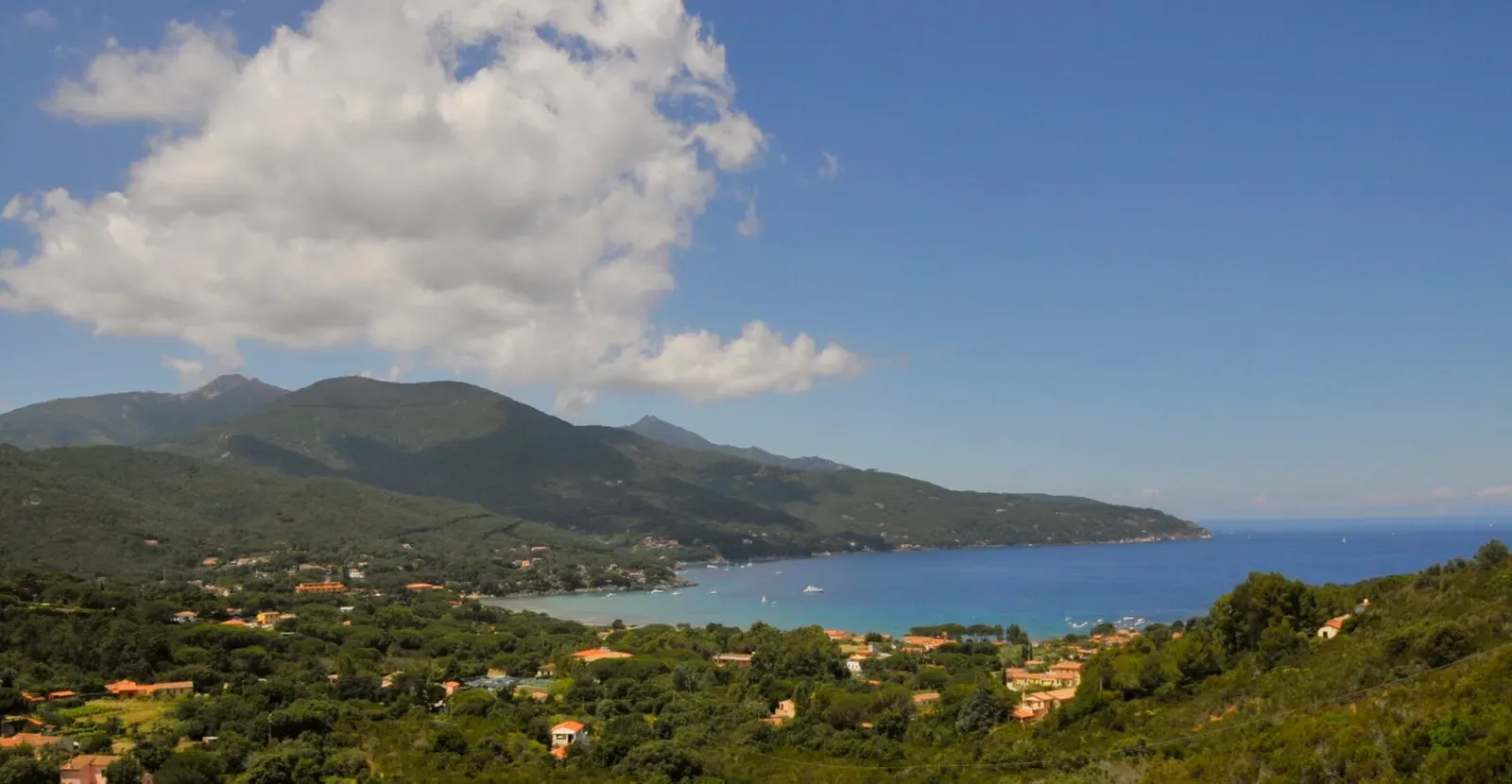
Area photo: Alan Mattingly · CC0
A submerged pinnacle offshore of Cap de Creus, rising from around 55 m to within 10 m of the surface and reachable by boat only. Divers come for the dusky grouper aggregations, up to 25 large fish gathered on one rock, with schools of hundreds of barracuda above them over red gorgonian gardens. The currents here are strong and unpredictable, which is what makes it a difficult dive.
Also known as Massa d'Oro, Sa Freu, La Rata.
Where it is and how deep
42.3196° N, 3.3319° EApproximate position — the dashed circle shows where the site lies; your operator's briefing has the mooring.
The dive
Massa d'Or is an offshore pinnacle and the dive is the rock itself. It rises from around 55 m to within 10 m of the surface, with published dive depths on it given as 30 to 60 m depending which flank you work, and access is by boat only. You descend onto the top and take one side down as far as the plan allows, which is why Advanced Open Water or equivalent is given as the practical minimum here.
What divers come for is the groupers. Years of protection inside Catalonia's first marine natural park have let the dusky groupers here grow and gather, and up to 25 large fish have been counted on the pinnacle at once, unhurried over their rocky territories. Schools of hundreds of barracuda hold above them, and red gorgonian gardens cover the deeper flanks. August and September are given as the best months for it.
The current is what makes the site difficult rather than merely deep. It is strong and unpredictable out here, and one separation incident on this pinnacle left a diver drifting for around ten minutes before pickup, which local divers cite as the standing warning. The operators who run it put the combination plainly: the depth and the strong currents typical of the open sea make it very difficult.
Marine life and season
- Groupers
- Barracuda
| Jan | Feb | Mar | Apr | May | Jun | Jul | Aug | Sep | Oct | Nov | Dec |
|---|---|---|---|---|---|---|---|---|---|---|---|
| Fair | Fair | Fair | Good | Good | Prime | Prime | Prime | Prime | Good | Fair | Fair |
Season follows Cap de Creus: Jun–Sep is warmest and calmest; the Tramuntana blows hardest in winter and spring and regularly cancels boats for days at a time.
Know before you go
- Currents are strong and unpredictable on the pinnacle, and one separation here left a diver drifting for around ten minutes; keep buddy pairs tight and carry a surface marker.
- The depth and the open-sea current together make this a very difficult dive by the operators' own description, not a site to take on at the edge of your training.
Dive videos
BRUTAL! Sa Freu (Massa d'Or/La Rata) · Underwater_Video by Marc Pedrals on YouTube
Massa d'Oro : Island of Groupers · Reiner Diedrichs on YouTube
Questions divers ask
What certification do you need for Massa d'Or?+
Advanced Open Water or equivalent is given as the practical minimum. The pinnacle is boat access only, in open sea, with strong and unpredictable current, so comfort in blue water and tight buddy contact matter as much as the card.
How deep is Massa d'Or?+
The pinnacle rises from around 55 m to within 10 m of the surface, and dive depths on it are published as 30 to 60 m. How deep the dive goes is a matter of which flank you take and how the current is running.
When is the best time to dive Massa d'Or?+
August and September are given as the best months for the site, when the grouper aggregation and the barracuda schools are most reliable on the pinnacle.
Sources
- Diving in Cap de Creus — DiveCodex
- Dive Sites — Sotamar Diving Center
- Meet the Massive Groupers of Massa d'Oro and Cap Norfeu — Euro-Divers Spain
- Illa Massa d'Or — OpenStreetMap
More dive sites in Cap de Creus
Reef
A giant anchor and its chain links lying at 21 m
Sand, coralligenous and rock between 12 and 30 m
Seamount
The park's only offshore seamount, 8 m to 60 m
Circle the reef from 18 to 32 m, with the Phedon's remains on it
Seamount
Seamount rock from 5 m to past 40 m, gorgonians throughout
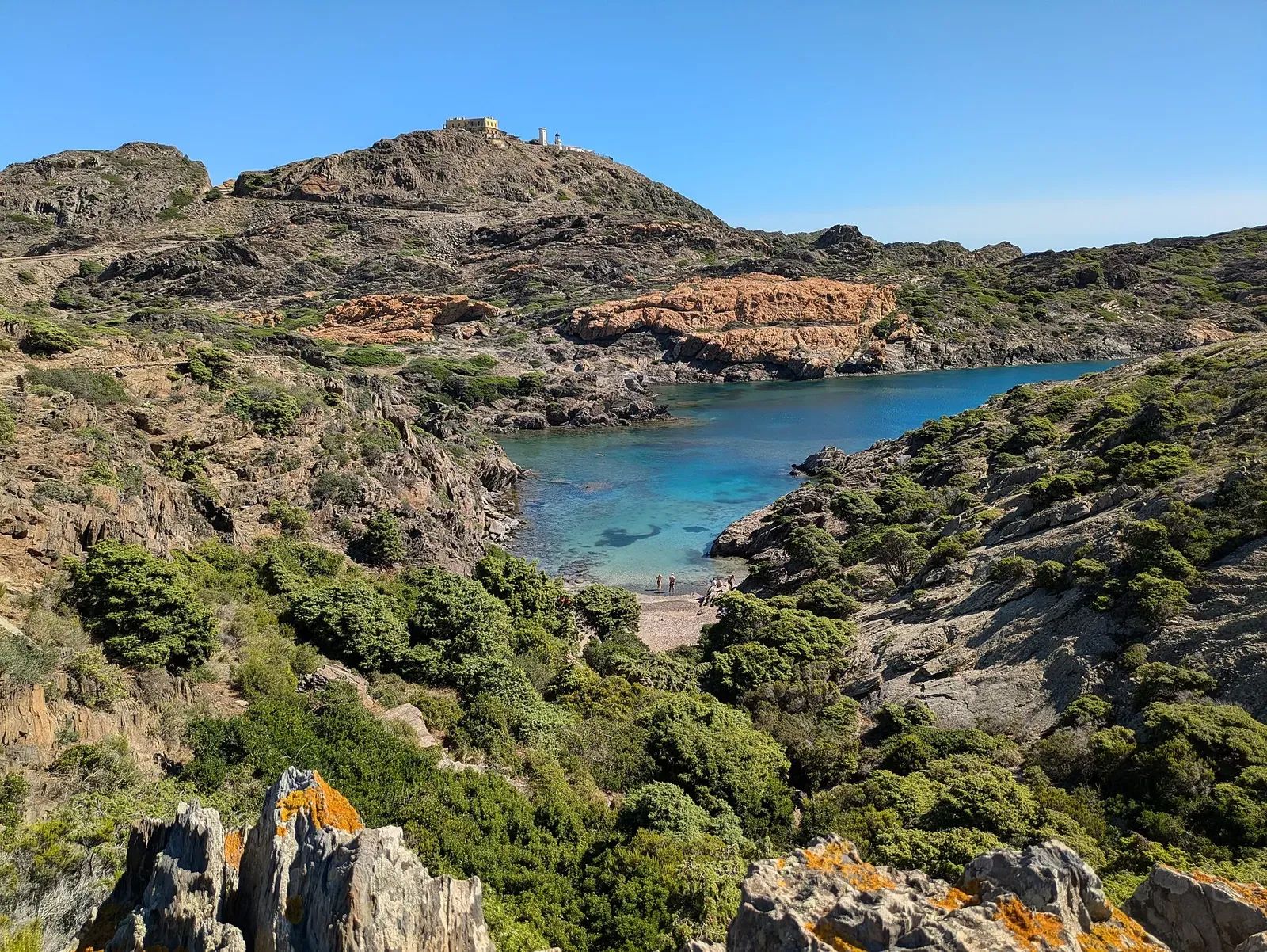
A marine-reserve cove under the Cap de Creus lighthouse
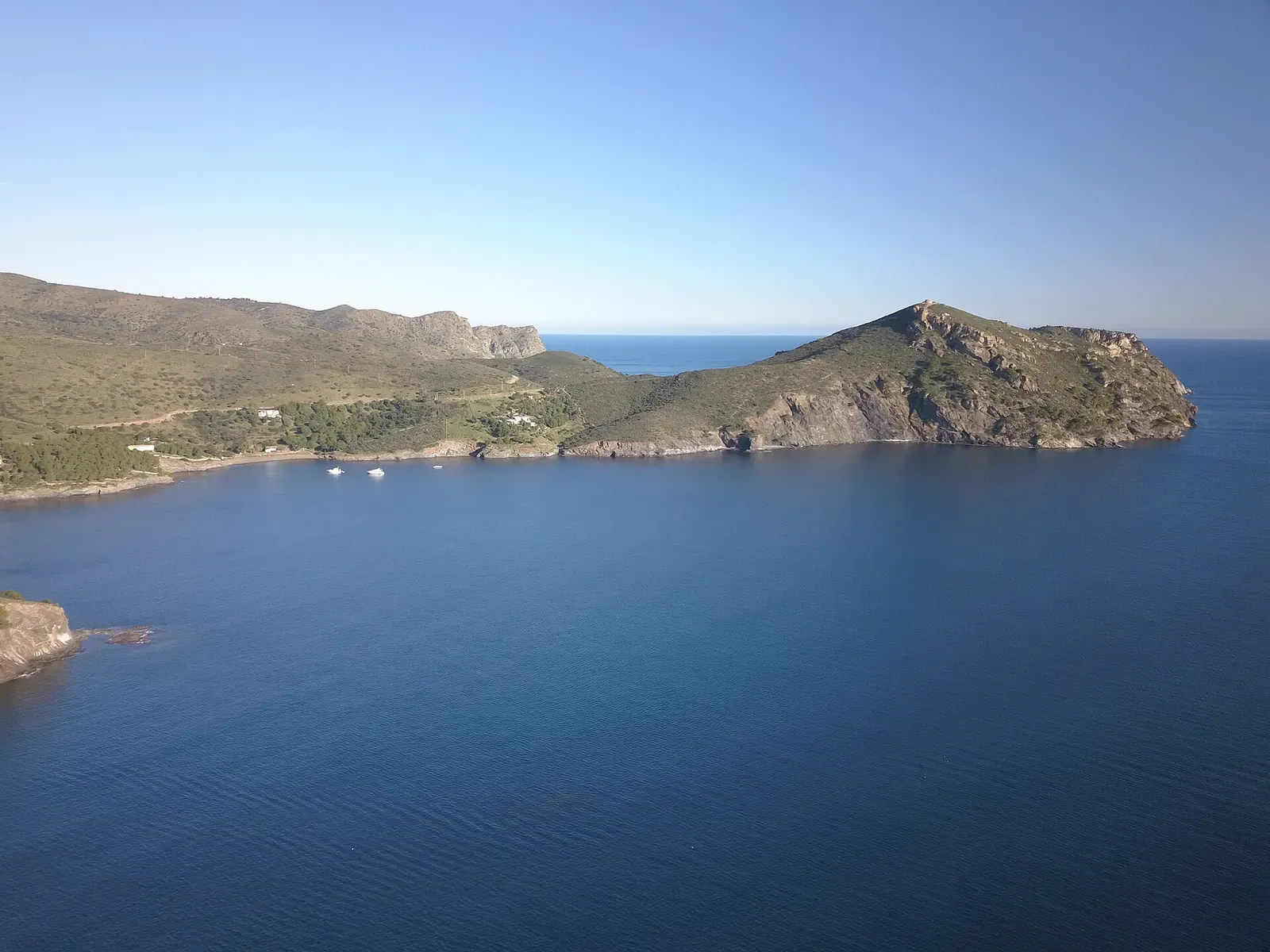
The park's best-known walls, and a cave with an air pocket
Reef
A 40 m canyon at the end of a 5 to 20 m drop-off
Similar dives elsewhere
Rock towers rising from 50 m to 6 m below the surface
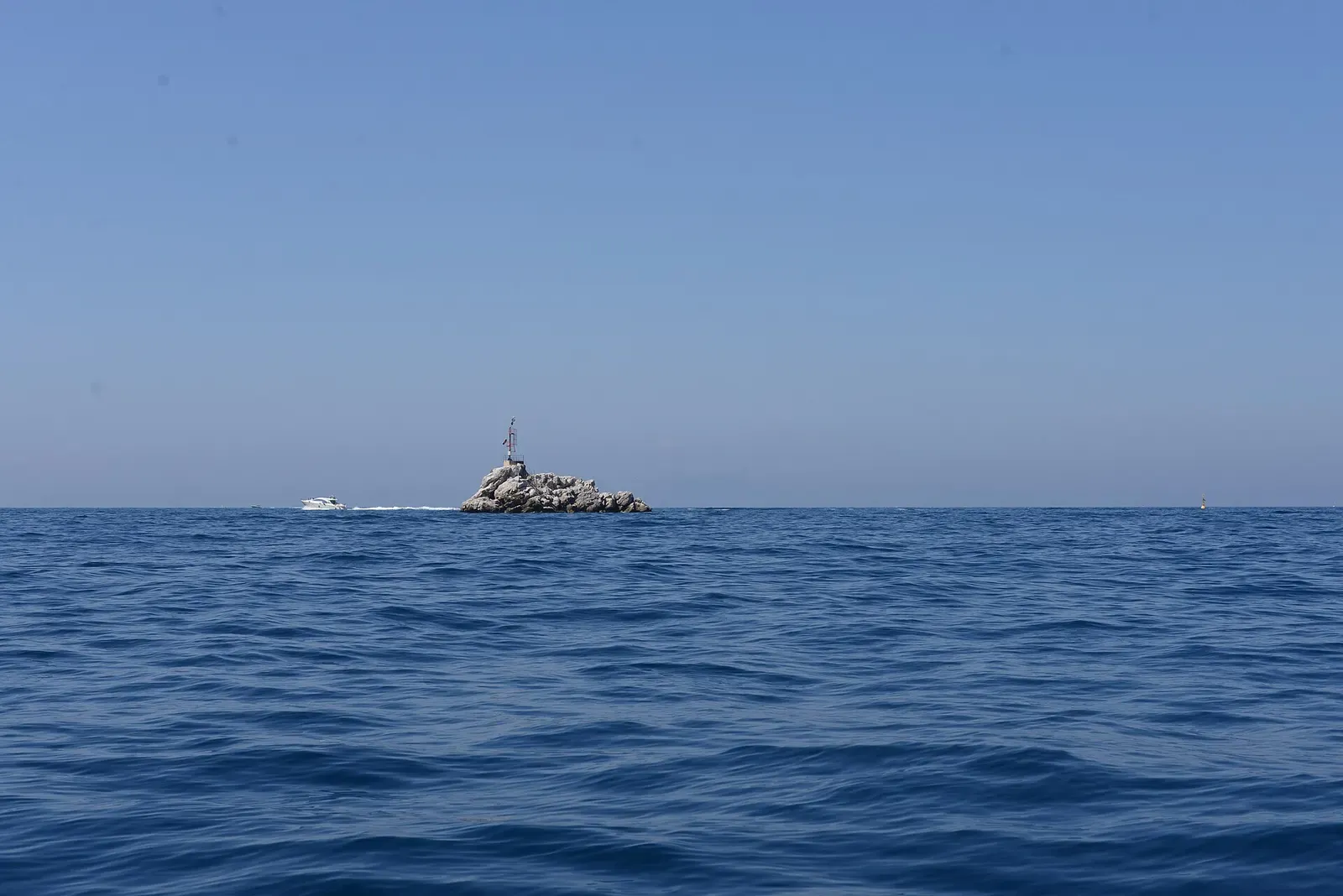
A bronze Madonna placed by devout divers stands on the rock at 12 m

Barracuda over a 2.5 m summit, gorgonians and a 2005 wreck below

A shoal 100 m off Fonza beach: cap at 4 m, east wall straight to sand at 40 m