Durban · South Africa · Artificial reef · Reef
Vetchie's Pier
An 1860 rubble pier with a high concentration of moray eels.
Area photo: Peter Southwood · CC BY-SA 4.0
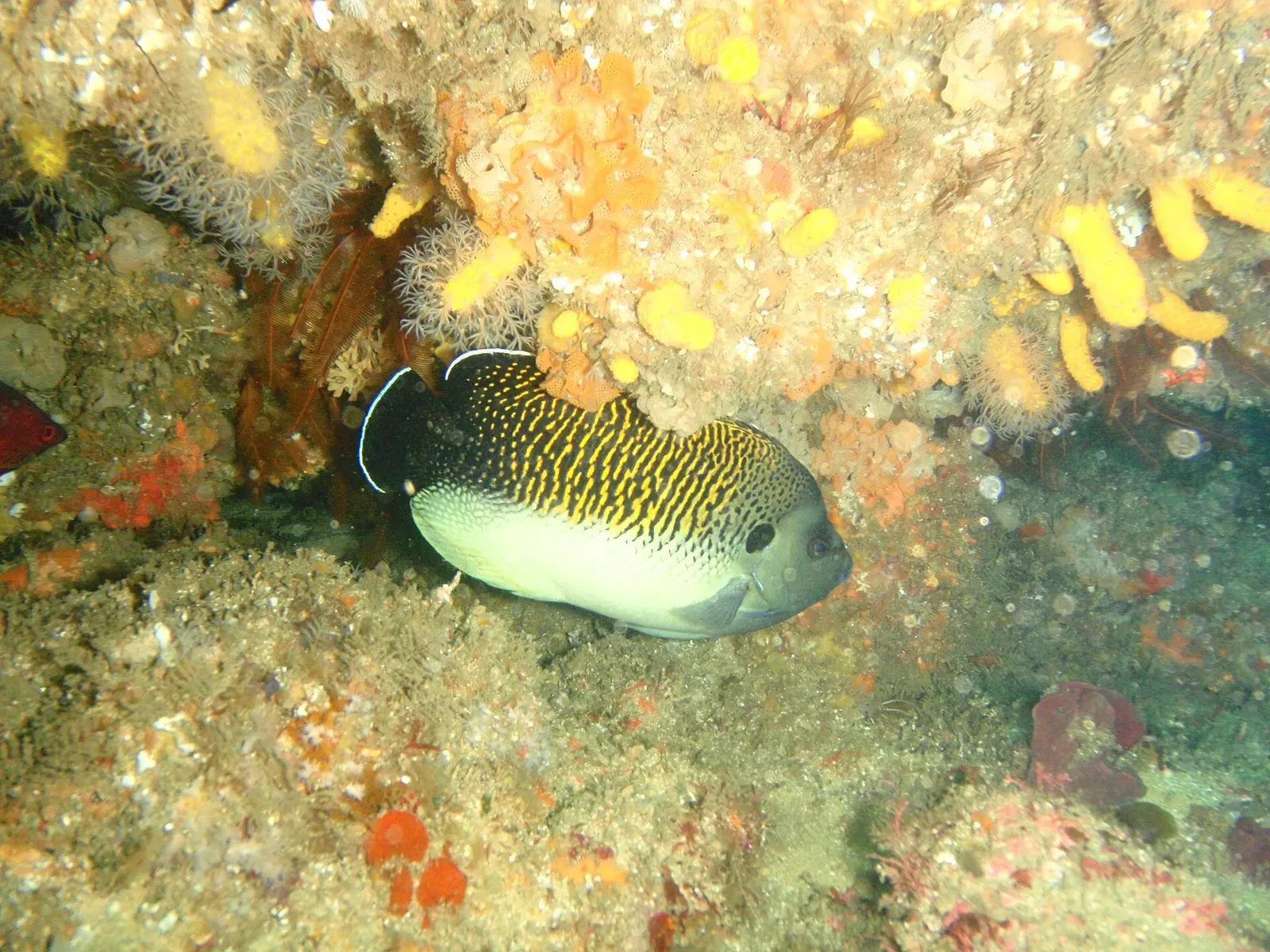
A rubble pier built in 1860 and now the Durban Undersea Club's house reef, a shore dive between 1 and 6 m. It curves south towards the harbour's North Pier, with hard corals, nursery shoals of juvenile fish and one of the highest concentrations of moray eels of any reef off Durban.
Also known as Vetch's Pier, Vetch's reef.
Where it is and how deep
29.8688° S, 31.0503° EApproximate position — the dashed circle shows where the site lies; your operator's briefing has the mooring.
The dive
The pier is approximately 500 m long and 50 m wide, made of rubble, and curves south toward the North Pier of the harbour. The curve sets the profile: enter on the outside and exit on the inside. High tide is the time to dive, as it lets divers cross over the top of the reef; "The Block" is the highest point and marks its end.
The outside holds the biggest concentration of fish but takes breaking waves at low tide. The reef carries several species of hard coral and huge numbers of juvenile wrasse, butterflyfish, angelfish, damselfish and surgeonfish. Moray eels are among the thickest on any reef off Durban, and scorpionfish sit still even when a hand is about to land on them.
The sheltered inside often has good visibility and makes a snorkel for the less adventurous, best on calm days at spring low tide. In spring and early summer its rubble is a nursery for hordes of fish. Conditions are best during and after a strong south-westerly, which pushes clean water into Vetch's harbour. Scuba divers turn back to shore at half their starting pressure.
Background
The pier is man-made, built in 1860 and named after Captain James Vetch. Its rubble curves south toward the North Pier of the harbour mouth, and over time it has become a reef in its own right and the unofficial house reef of the Durban Undersea Club, whose clubhouse stands at the pier on the Point.
Marine life and season
- Reef fish swarms
| Jan | Feb | Mar | Apr | May | Jun | Jul | Aug | Sep | Oct | Nov | Dec |
|---|---|---|---|---|---|---|---|---|---|---|---|
| Good | Good | Prime | Prime | Prime | Prime | Prime | Good | Fair | Fair | Fair | Fair |
Season follows Durban: March to July is best: low rainfall and south-westerlies bring clear water. Spring rain (September to December) clouds the water near the harbour and Umlaas canal mouths.
Know before you go
- Numerous scorpionfish stay put even when a hand is about to land on them; moray eels are also common.
- The outside is open to breaking waves at low tide; dive on the high tide.
- Turn back at half the starting pressure to avoid a long surface swim to shore in full kit.
Dive videos
Vetch's pier 2015 & 2016 Durban underwater club · Jarid Norman on YouTube
Questions divers ask
How deep is Vetchie's Pier?+
Vetchie's Pier is a shore dive between 1 and 6 m, best at high tide.
Can Vetchie's Pier be snorkelled?+
Yes. The sheltered inside of the reef often has good visibility and suits snorkellers, especially on calm days at spring low tide.
Sources
- Durban Dive Sites – Reefs — Durban Undersea Club
- Diving in Durban — Wikivoyage
More dive sites in Durban
Reef
Sandstone ledges and caves where raggies rest on migration.
Wreck
A nameless 76 m steamship whose origin and sinking remain a mystery.
Wreck
A 34.5 m prawn trawler wrapped in shoals of bait fish.
Reef
One of the few places to see the endemic harlequin goldie.
Reef
A shallow ledge reef reached by a swim across the sand from Vetch's.
Reef
Durban's deep offshore reef, with caves used by migrating raggies.
Wreck
The boilers of a 1940 sugar ship, reached from Addington Beach.
Artificial reef
A 48-compartment concrete barge with a steel gantry at the T junction.
Similar dives elsewhere
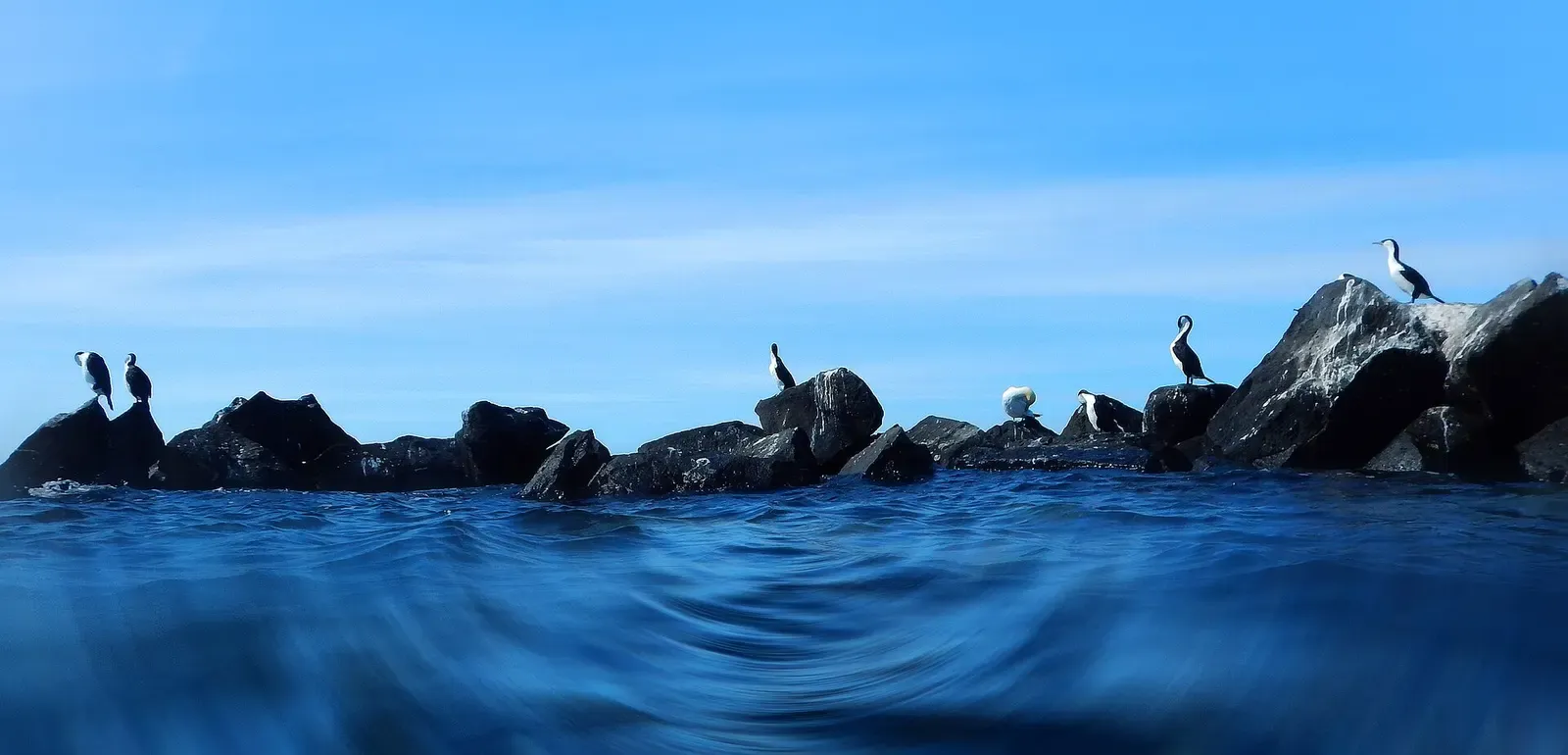
An unfinished 1880s fort ring with a gannet colony on top

Connery's escape freighter, 30 m of hull in 12 m of water
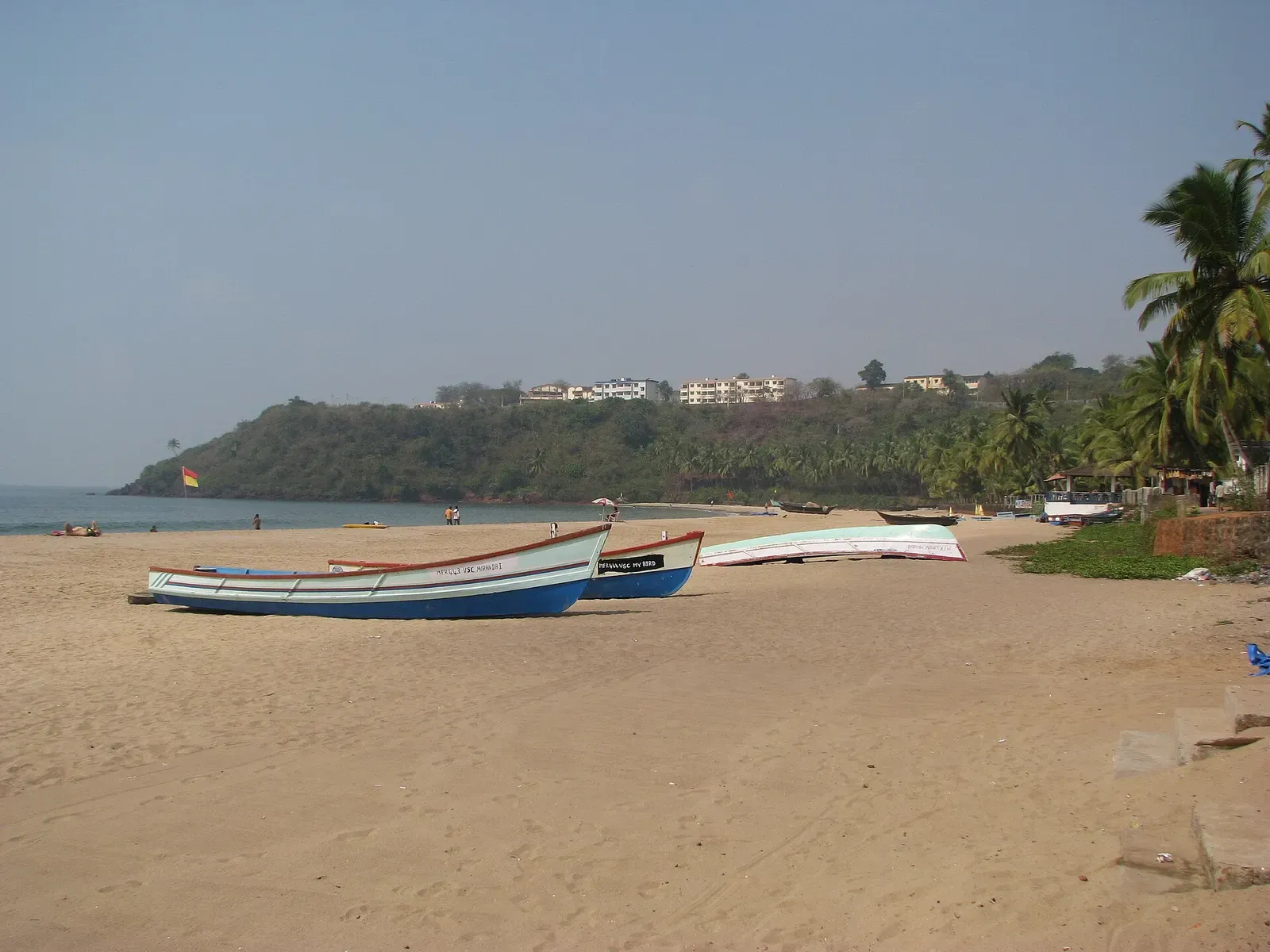
Ruined jetty that serves as a nursery for baby fish
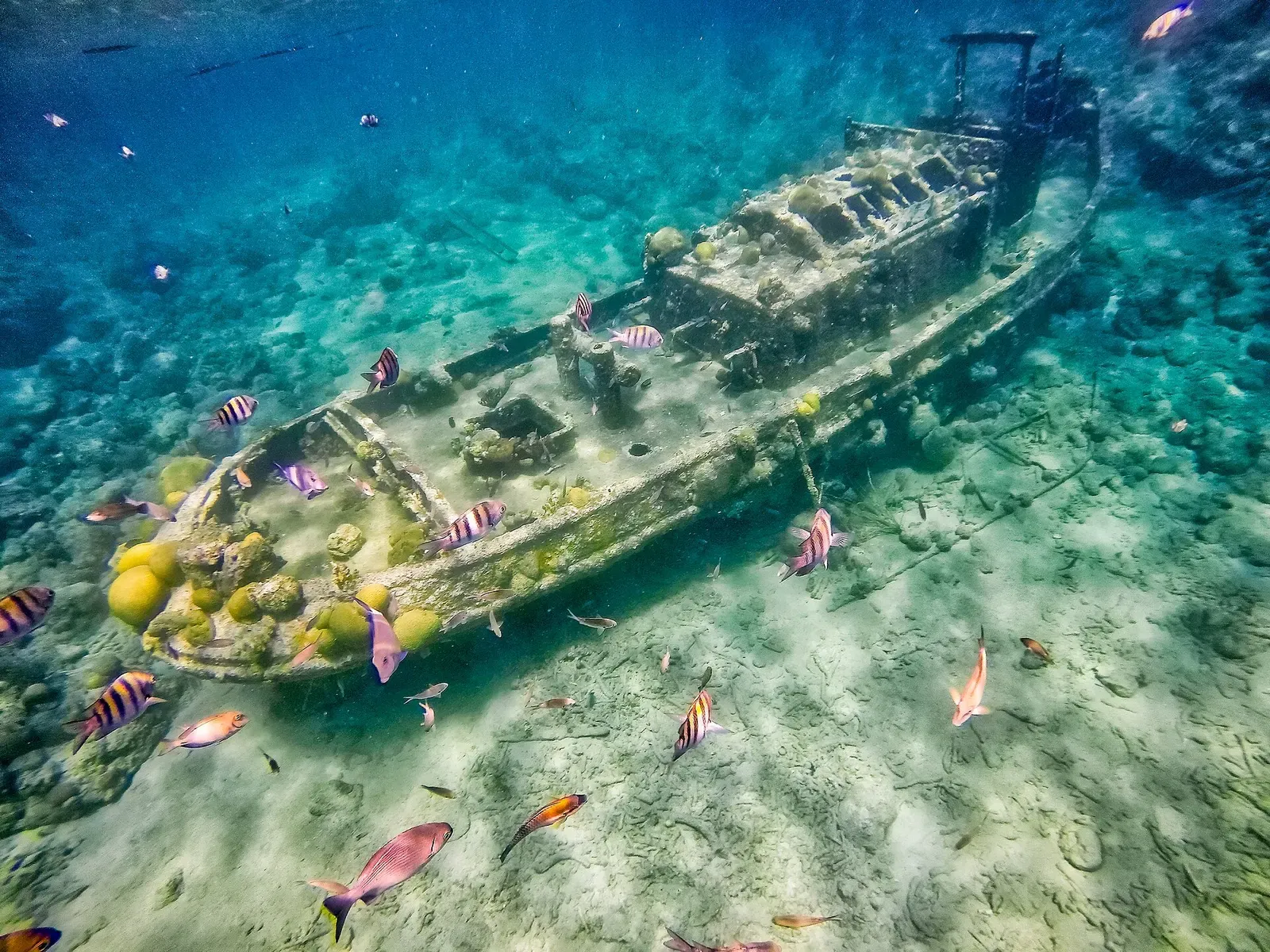

A sunken tug in 5 m of water, straight off the beach