
The Baltic is too brackish for shipworm, which means wooden ships that sank here three hundred years ago still stand with masts up and rigging attached — a state of preservation impossible anywhere with normal seawater. The Gulf of Finland holds hundreds of them. The Kronprins Gustav Adolf, a Swedish ship of the line lost in 1788, has been set up as an official underwater park with guide lines, open to recreational divers on a permit.
About diving in Gulf of Finland
Everything runs off a boat. The wrecks lie too far out for shore entries, so a diving day means an early start from a harbour on Finland's south coast, a run out through the archipelago, and a shot line dropped onto a mark the skipper already holds on GPS. Two dives is a long day once cold and depth are accounted for. Permissions come first rather than last: access to the protected sites is arranged with the operator weeks ahead, not settled on the morning of the trip.
The bottom over much of the gulf is soft mud and clay with little relief, so wrecks are found on sonar rather than by swimming a contour, and each one holds whatever structure and life there is for a long way around. Sites fall into three rough groups: intact sailing hulls standing on the deeper ground, where the interest is rig and fittings; broken steel and steam losses shallower in; and the rock shelves and boulder slopes along the archipelago edge, which clubs use for skills work and check dives.
Light is what divers underestimate. Baltic water carries a brown humic tint from river run-off, and late-summer algal blooms can thicken the upper few metres further, so below the thermocline a torch stops being something you point into a hold and becomes the only way to see the ship at all. Hulls arrive out of the dark a few metres at a time. Winter is a separate exercise: from February into April crews cut holes in sheltered bays and dive on a tended line with surface cover, working shallow and short. November and December fall between the two, boats laid up and no ice yet.
The area suits divers who came for the ships rather than the animals, and who can accept losing days to weather, ice and paperwork. Most of the scene runs through Finnish clubs and a small number of specialist operators rather than walk-in shops, so trips are put together well in advance, usually as a group, and often around one particular target. Anyone after easy, high-volume holiday diving should look elsewhere; anyone with an interest in maritime history will think the effort a fair trade.
Best time to dive Gulf of Finland
| Jan | Feb | Mar | Apr | May | Jun | Jul | Aug | Sep | Oct | Nov | Dec | |
|---|---|---|---|---|---|---|---|---|---|---|---|---|
| Season | Fair | Fair | Fair | Fair | Good | Prime | Prime | Prime | Good | Fair | Off-season | Off-season |
| Daytime high | 4°C39°F | 2°C36°F | 5°C41°F | 11°C52°F | 18°C64°F | 22°C72°F | 24°C75°F | 23°C73°F | 19°C66°F | 14°C57°F | 10°C50°F | 6°C43°F |
| Rain | 62 mm2.4 in | 50 mm2.0 in | 44 mm1.7 in | 46 mm1.8 in | 49 mm1.9 in | 55 mm2.2 in | 56 mm2.2 in | 77 mm3.0 in | 66 mm2.6 in | 80 mm3.1 in | 71 mm2.8 in | 71 mm2.8 in |
| Jan | Feb | Mar | Apr | May | Jun |
|---|---|---|---|---|---|
| Fair | Fair | Fair | Fair | Good | Prime |
| Daytime high | |||||
| 4°C39°F | 2°C36°F | 5°C41°F | 11°C52°F | 18°C64°F | 22°C72°F |
| Rain | |||||
| 62 mm2.4 in | 50 mm2.0 in | 44 mm1.7 in | 46 mm1.8 in | 49 mm1.9 in | 55 mm2.2 in |
| Jul | Aug | Sep | Oct | Nov | Dec |
|---|---|---|---|---|---|
| Prime | Prime | Good | Fair | Off-season | Off-season |
| Daytime high | |||||
| 24°C75°F | 23°C73°F | 19°C66°F | 14°C57°F | 10°C50°F | 6°C43°F |
| Rain | |||||
| 56 mm2.2 in | 77 mm3.0 in | 66 mm2.6 in | 80 mm3.1 in | 71 mm2.8 in | 71 mm2.8 in |
2011–2025 averages. Daytime high and rain: NASA POWER.
Jun–Sep is the open-water season; ice diving runs Feb–Apr, and the gulf freezes hard enough most winters to stop boat access.
Best months: June, July, August
Gulf of Finland water temperature and weather by month
Rain falls through the year, about 60 mm (2.4 in) a month on average, with October the wettest. Daytime highs reach 24 °C (75 °F) in July and drop to 2 °C (36 °F) in February. The coldest water here is about 1 °C (34 °F), so pack a drysuit.
Dive types & marine life
Animals are not the reason to come. What there is stays macro: small crustaceans and other invertebrates picked out by torchlight on timber and steel, easiest to find in the June-to-August prime months on the shallower archipelago rock. The deep wrecks are quiet, largely bare structure in cold, dark water.
- Wreck
- Ice
- Wall
- Macro critters
Best dive sites in Gulf of Finland
Blown apart by her own powder magazine in 1788, at 20 metres
Wreck
Carried art for Catherine the Great; camera-watched at 41 metres
Hanko Wrecks
Cluster of sailing and steam wrecks off the peninsula in 25–45 m.
Porkkala
Shallower training ground with small wrecks and winter ice diving.
How to get to Gulf of Finland
Helsinki is the gateway, by air or on the ferries from Tallinn and Stockholm. Day-boats leave from harbours along Finland's south coast, Helsinki, the Porkkala peninsula and Hanko among them, and places are arranged through clubs and specialist operators rather than booked off a shop counter.
Dive videos
Wreck Kronprins Gustav Adolf (Helsinki, Finland, #1291) · Teemu Kerola on YouTube
Photo credits
- A Eurasian ruffe hovers in torchlight among rocks off Porkkala in the Gulf of Finland. by Jukk_a, CC BY 2.0, via Openverse
Embed
Run a dive centre, club or blog? Embed this map of 2 dive sites near Gulf of Finland on your own page.
In The Logbook
- Ice diving: how it works and where to goCold water · 12 min read
- Why is some sea green instead of blue?Ocean science · 8 min read
- Cold-water diving: is it worth the drysuit?Cold water · 8 min read
- Deep wreck diving: where recreational stopsWrecks · 8 min read
Similar destinations

Four ore carriers torpedoed at their pier in 1942, still lying at 27–40 m
Cold Water
Marine ice diving over anemone walls beneath tide-broken hummocks
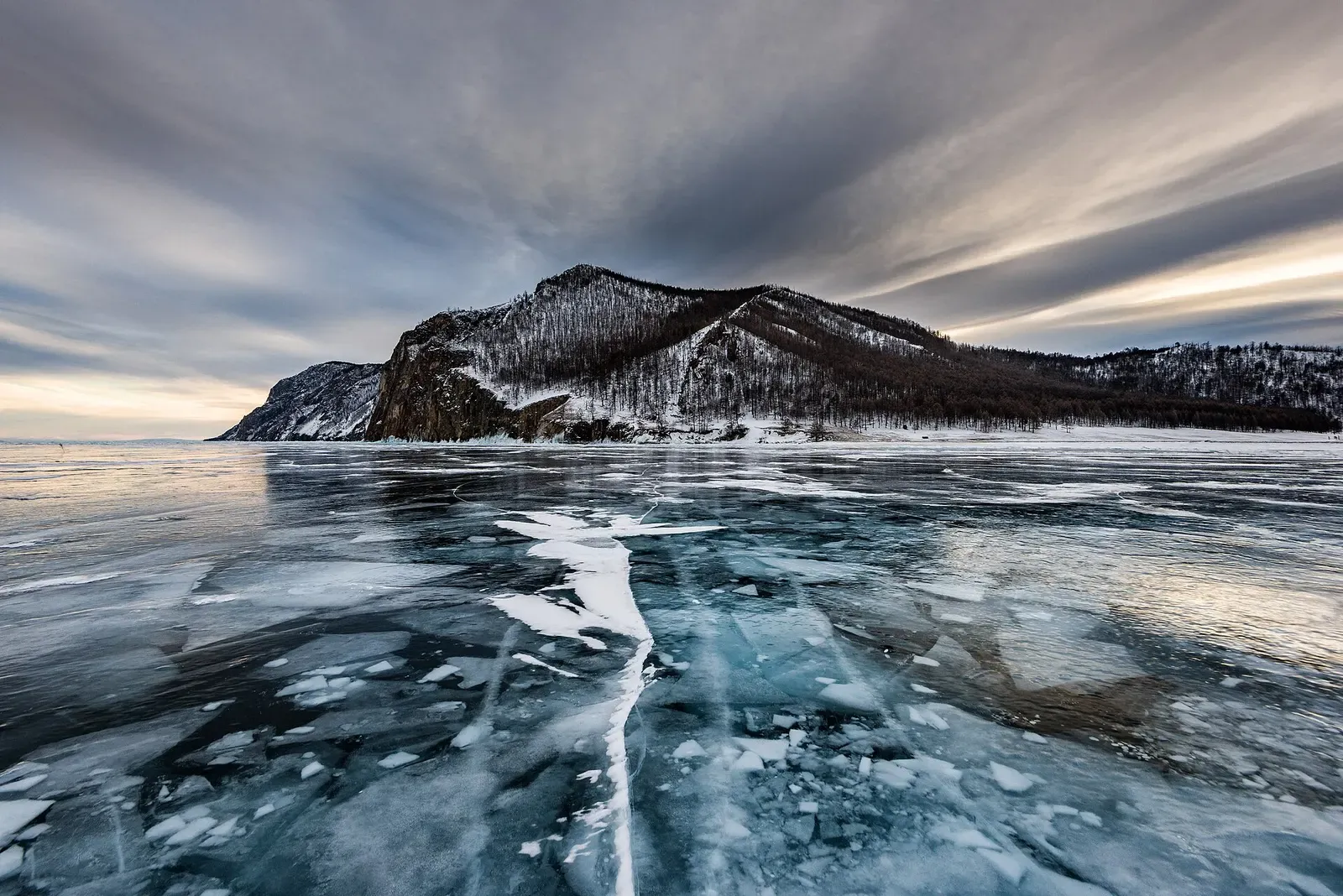
Year-round freshwater diving on Baikal, with ice dives under the Olkhon floes

Dive beneath icebergs alongside penguins and leopard seals