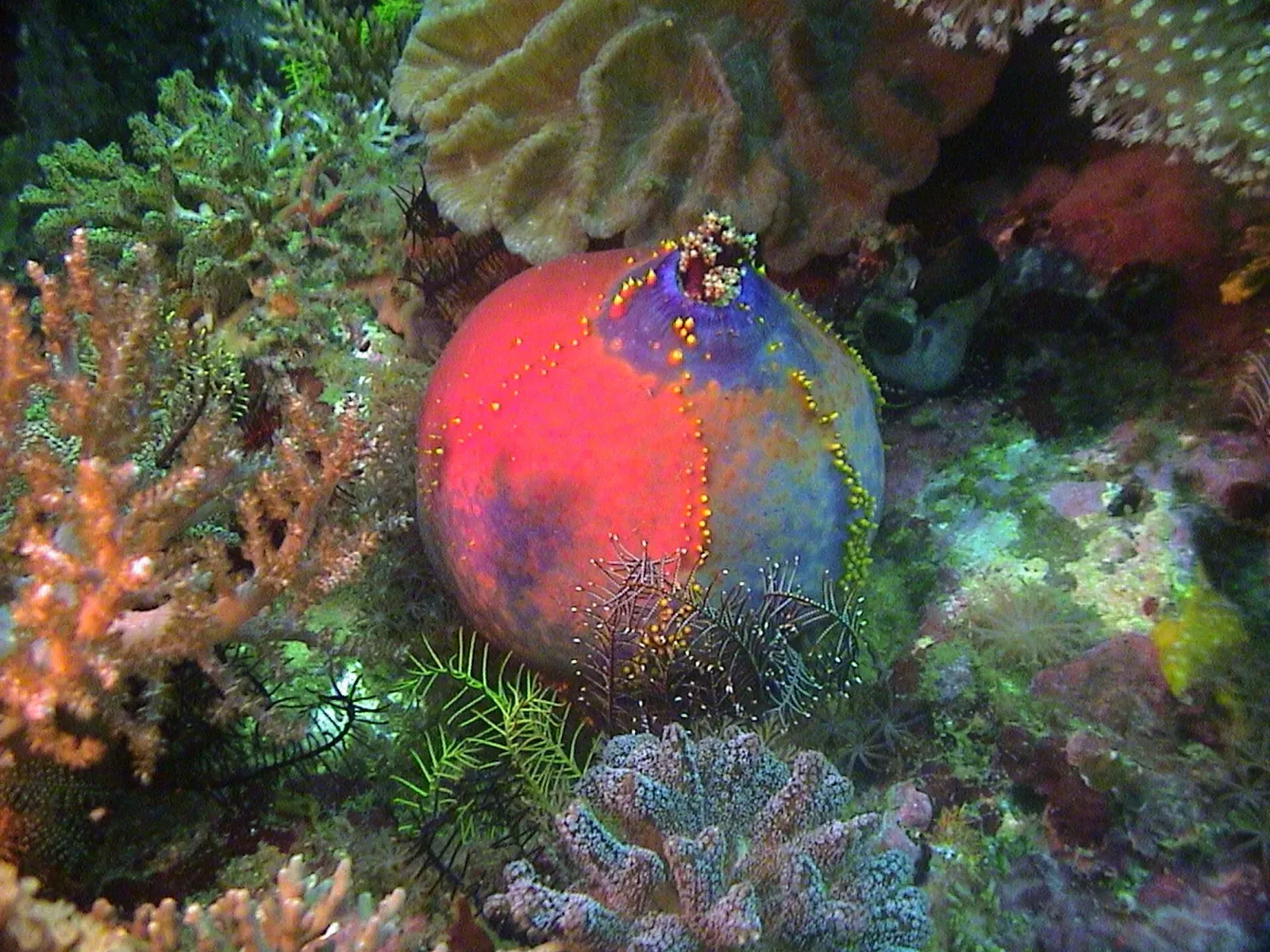
Komodo · Indonesia · Muck & macro · Pinnacle
Cannibal Rock
Soft coral and macro on a rock in the cold south of the park
Cannibal Rock sits in the south of Komodo National Park and dives nothing like the northern pinnacles. Current is none or light, the soft coral cover is the first thing you notice, and the draw is the range of strange invertebrates on and around the rock: frogfish, octopus, pygmy seahorses, scorpionfish and a huge variety of nudibranchs. The normal diving depth is 10 to 25 m.
Where it is and how deep
8.7914° S, 119.6676° EPublished position for this site.
The dive
This is a slow dive. Current is none or light, so instead of being carried you pick a line around the rock and stay on it, working the normal diving depth of 10 to 25 m with plenty of time on each patch of reef. The soft coral cover is what you notice first, and it is the reason the site is worth the run south even without the small stuff.
After that the dive gets small. Frogfish sit out on the reef, octopus work the bottom, pygmy seahorses hold on their fans and scorpionfish wait on the rock, with a huge variety of nudibranchs for anyone diving a macro lens. Huge schools of fish pass over the mound, which is the only part of the dive that moves quickly.
The water is the surprise. It can be a little bit cold, with current arriving from the Pacific Ocean, so bring more exposure protection than the north of the park asks for. Maximum depth on the site is 45 m, but there is no reason to use it: the invertebrate life is shallow, and long, close, unhurried dives are what this rock rewards. It is dived all year long.
Marine life and season
- Frogfish
- Pygmy seahorses
- Octopus & cuttlefish
- Nudibranchs
- Macro critters
- Reef fish swarms
| Jan | Feb | Mar | Apr | May | Jun | Jul | Aug | Sep | Oct | Nov | Dec |
|---|---|---|---|---|---|---|---|---|---|---|---|
| Prime | Prime | Good | Prime | Good | Good | Prime | Prime | Prime | Good | Good | Prime |
Season follows Komodo: Liveaboards run all year: April is often rated the best month, July to September is the big-fish peak, and the rainy months bring the best visibility and the mantas.
Know before you go
- Water here can be noticeably cold when current arrives from the Pacific Ocean, so bring more exposure protection than the north of the park needs.
Photos from Cannibal Rock
Dan Bender · CC BY 4.0
Alexander R. Jenner · CC BY-SA 3.0
Alexander Vasenin · CC BY-SA 3.0
Dive videos
Cannibal Rock rules! · Judith Schuyf on YouTube
Questions divers ask
What can you see at Cannibal Rock?+
Frogfish, octopus, pygmy seahorses and scorpionfish on the rock, a huge variety of nudibranchs, and huge schools of fish above it, all set on heavy soft coral cover.
Where is Cannibal Rock?+
It lies in the south of Komodo National Park and is reached by liveaboard or from Labuan Bajo. The southern sites dive differently from the northern ones: current here is none or light, and the water can be a little bit cold.
Sources
- Cannibal Rock dive site — Divezone
- Cannibal Rock dive site — PADI Travel
Photo credits
- A red and purple sea apple sea cucumber attached to soft coral. by Rangerbait at English Wikipedia, CC BY-SA 3.0, via Wikimedia Commons
- Pink giant frogfish camouflaged against sponge and coral rubble. by Dan Bender, CC BY 4.0, via Wikimedia Commons
- Striped black and yellow nudibranch crawling across a crinoid. by Alexander R. Jenner, CC BY-SA 3.0, via Wikimedia Commons
- Bluestreak cleaner wrasse tending to a surgeonfish at a cleaning station. by Alexander Vasenin, CC BY-SA 3.0, via Wikimedia Commons
In The Logbook
- Nudibranchs: species, habits and where to diveMacro & muck · 13 min read
- The best muck diving in the worldMacro & muck · 6 min read
More dive sites in Komodo
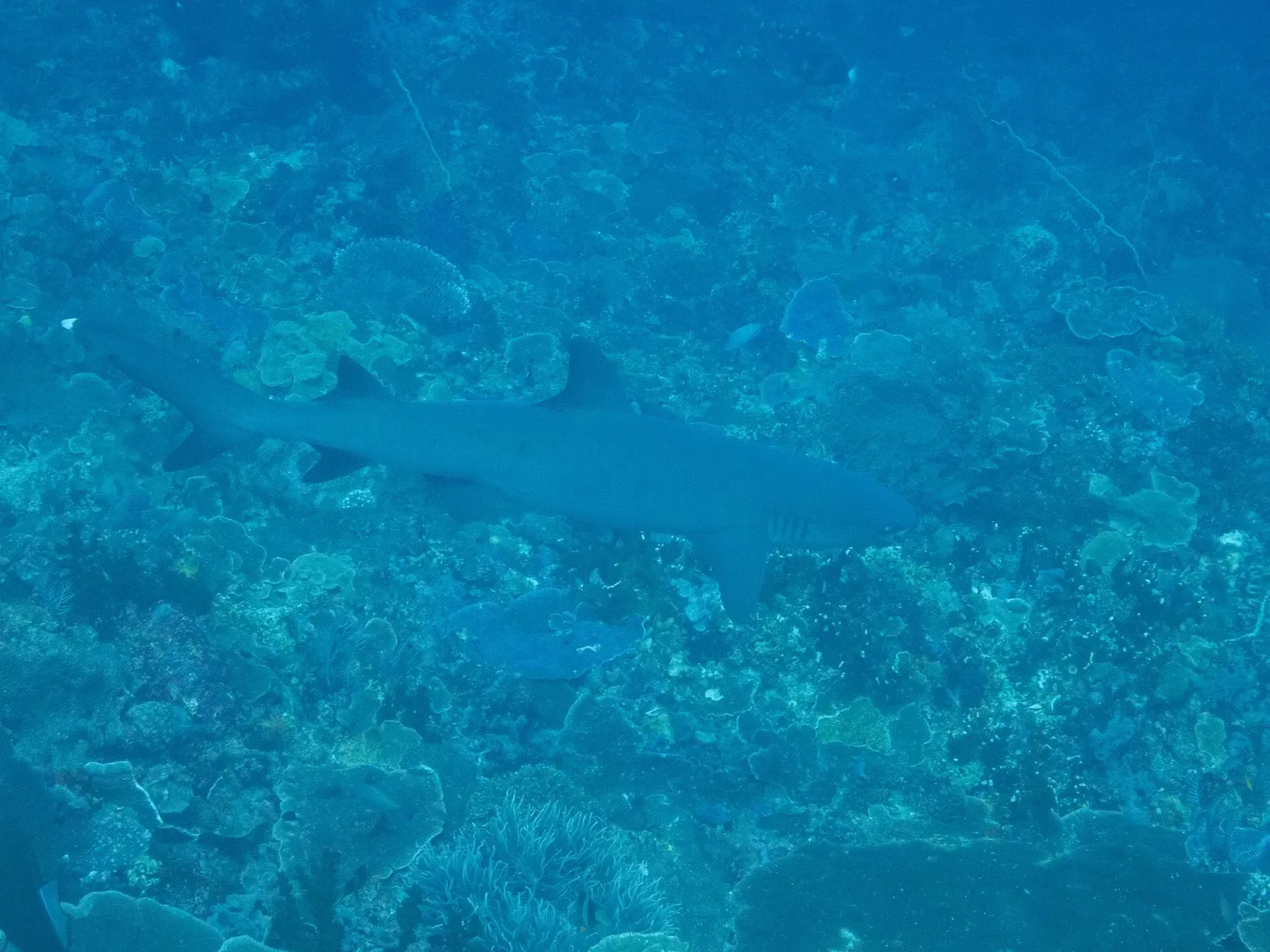
A holed rock at the surface, a coral-covered pinnacle below
Reef
Big-fish habitat in a current that usually runs strong
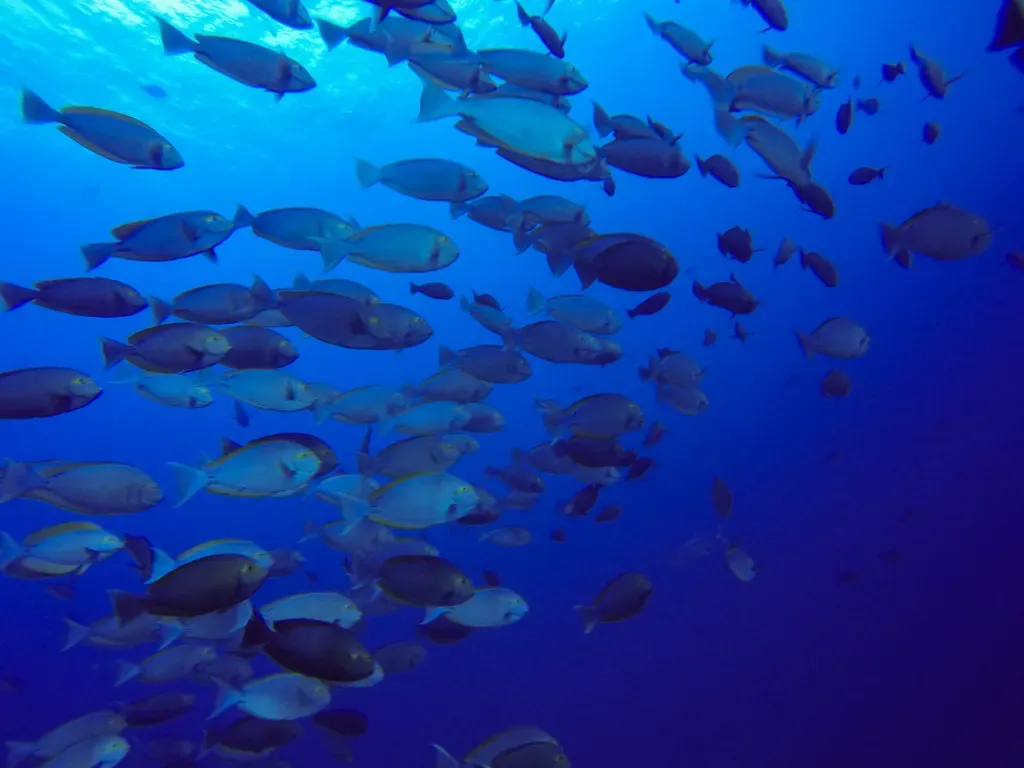
A submerged pinnacle where the sharks hold in the current
Coral garden
The sheltered coral garden at the end of the Cauldron ride
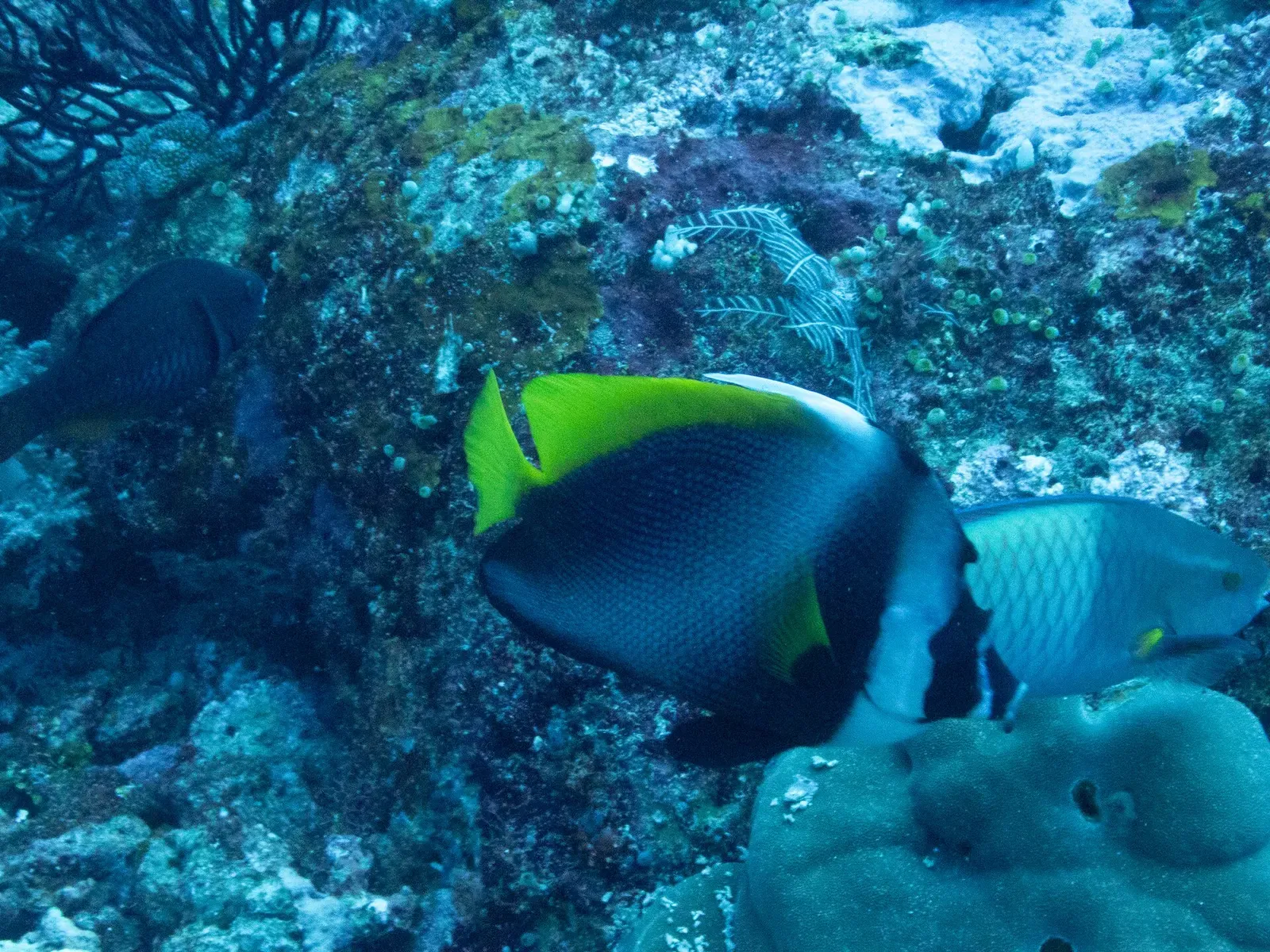
A calm northern bay for skills practice near Crystal Rock
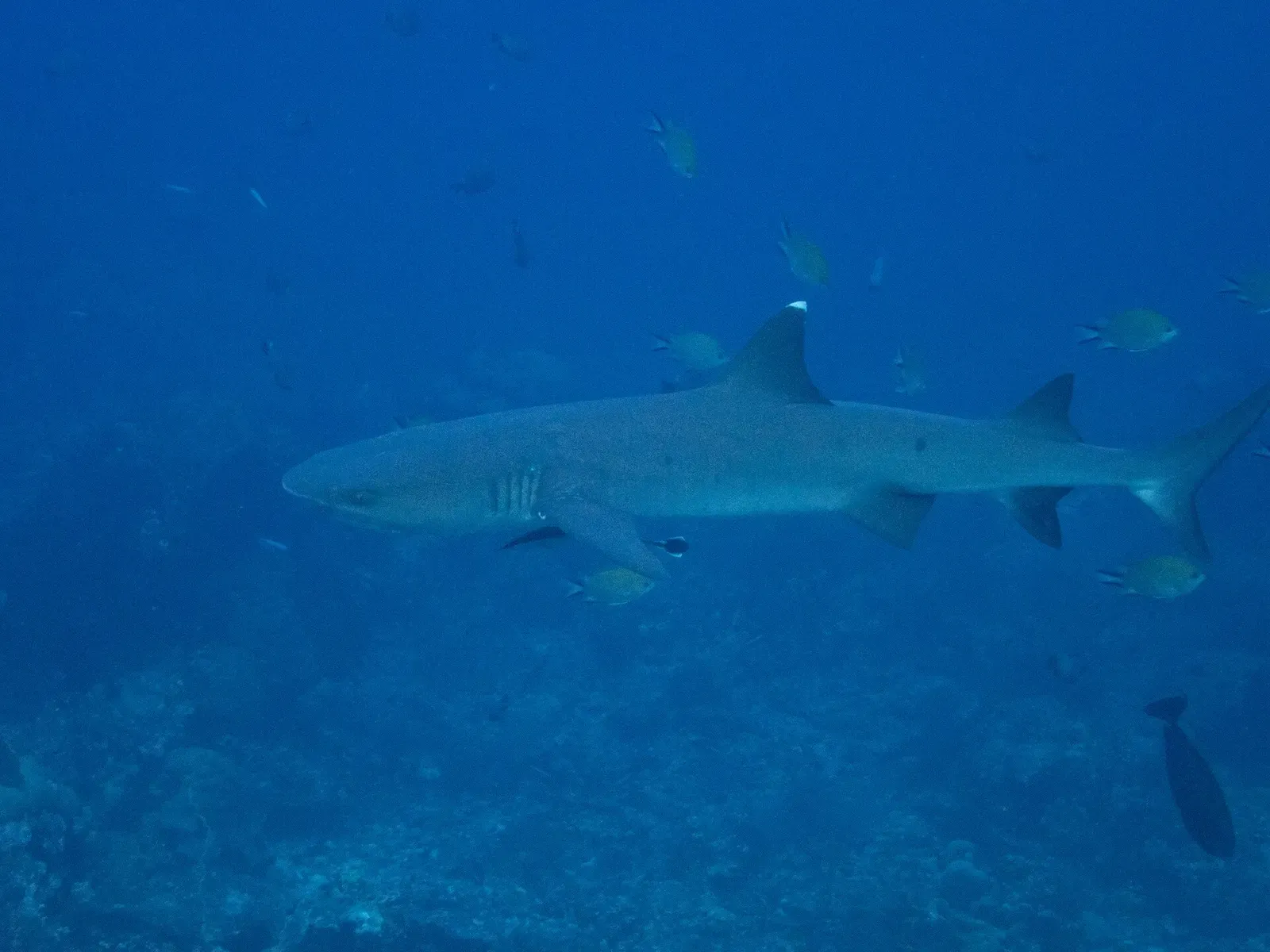
Soft-coral mound with sharks holding in the flow
Reef
A sloping northern passage dived on generally strong current
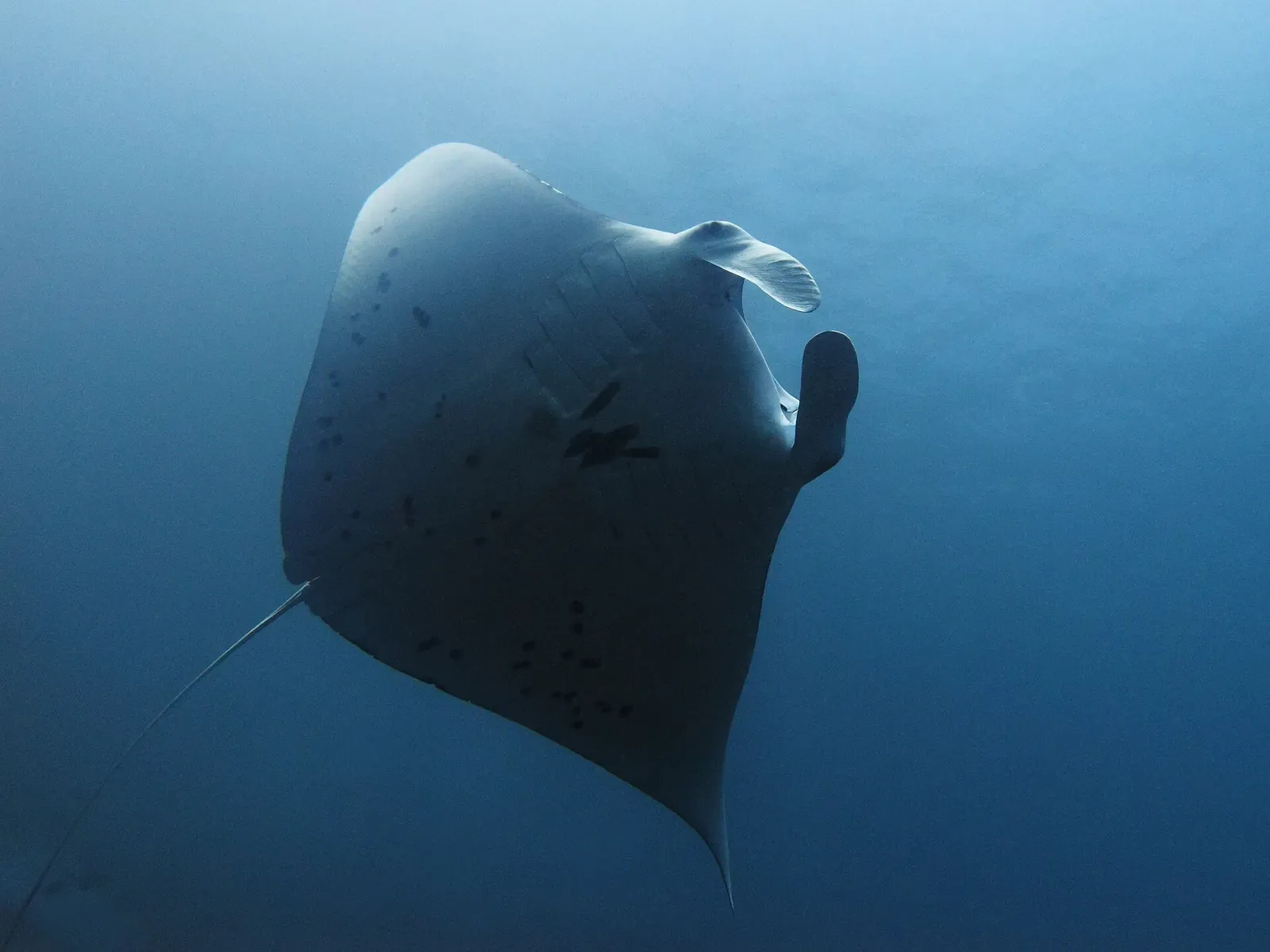
Rock corridors on the south coast where the mantas feed
Similar dives elsewhere

Fine sand and rock past 30 metres, dived for the small stuff
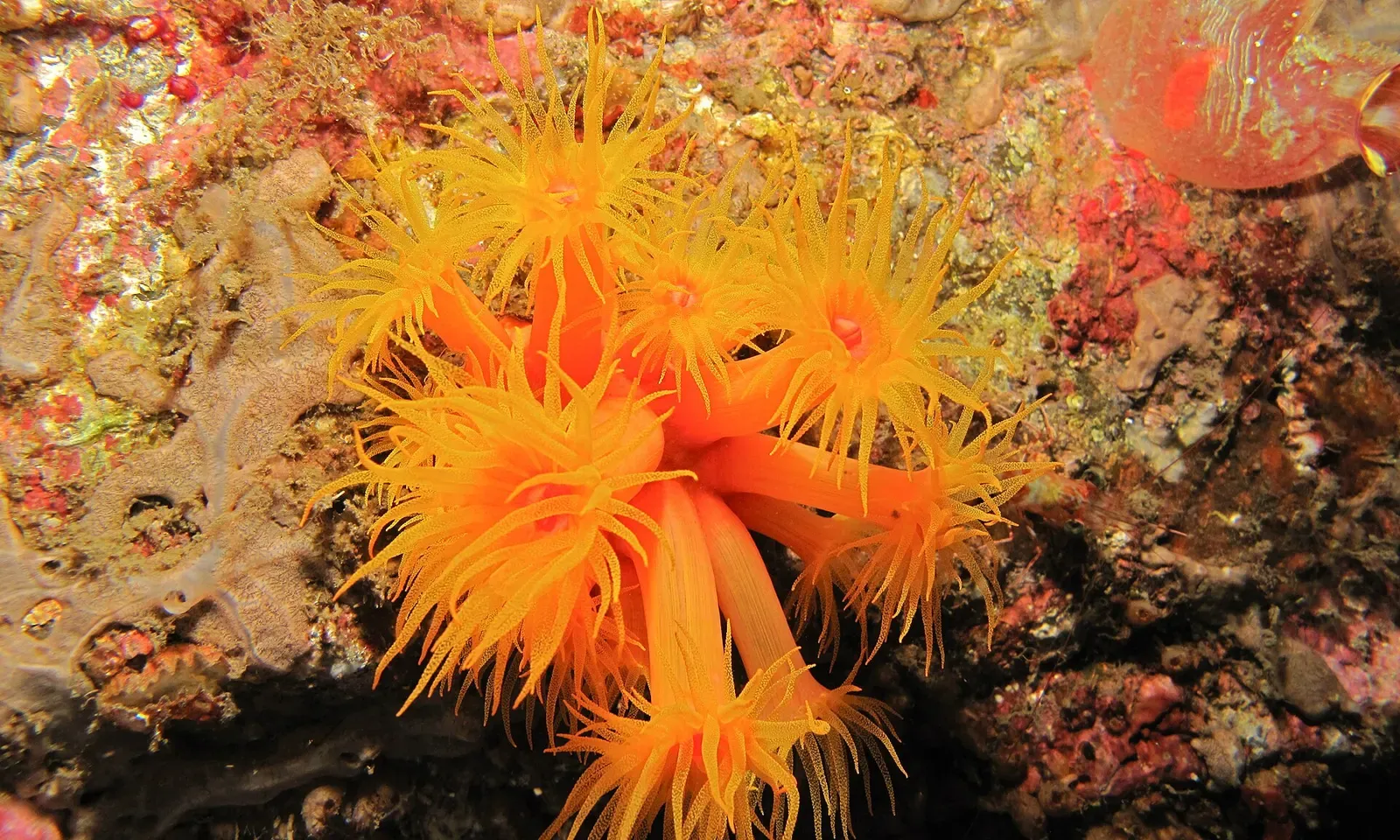
Sea fans on the mini-wall hold pygmy seahorses
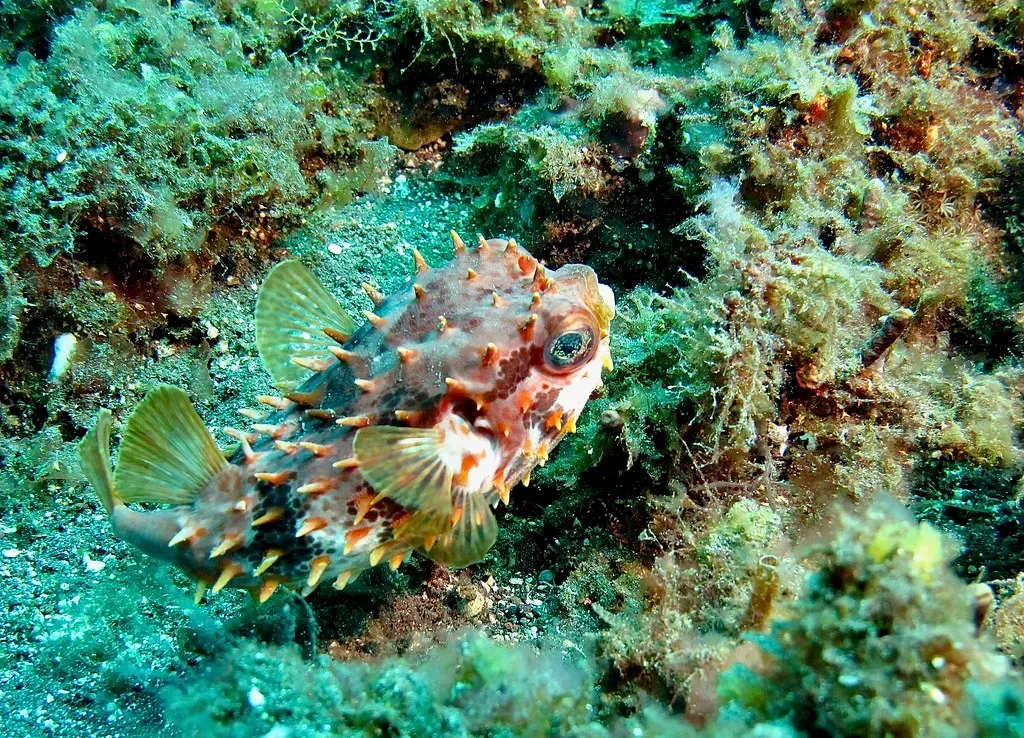
Harlequin shrimp and flamboyant cuttlefish on black sand


.jpg)

Muck slope and coral bommies ten metres apart